Preoperative embolization of dual arterial supply in extralobar pulmonary sequestration: a case report and literature review
Sandra Gad, Michael Mohnasky, Nima Kokabi, Zachary Schrank, Austin Evans, Benjamin Haithcock, Danielle O’Hara, Patrick Brown, Andrew Caddell, Christopher Goddard, Bahareh Gholami, Ali Afrasiabi, Alex Villalobos

TL;DR
A 47-year-old man with a rare lung condition underwent pre-surgery embolization to reduce bleeding risk, showing a safe and effective treatment approach.
Contribution
This case demonstrates the successful use of low-profile plug occluders for preoperative embolization in a complex extralobar pulmonary sequestration.
Findings
Preoperative embolization using low-profile plug occluders minimized intraoperative bleeding to less than 50 ml.
Post-operative imaging confirmed stable placement of the occluders two months after the procedure.
The approach proved safe and effective for managing anatomically complex pulmonary sequestrations.
Abstract
Pulmonary sequestration (PS) is the second most common pulmonary congenital malformation, which involves non-functional lung tissue that lacks communication with the tracheobronchial tree and is supplied by aberrant systemic arteries, with venous drainage to either the pulmonary or systemic venous system. This anatomic malformation increases patients’ risk of recurrent infection due to the lack of robust gas exchange. Hence, prompt intervention is warranted for favourable outcomes. Surgical resection is the gold standard treatment for PS. However, embolization of aberrant arteries prior to surgery is a promising adjunct to reduce the risk of intraoperative hemorrhage associated with the aberrant arterial supply. Here we report a case of a 47-year-old man with suspected symptomatic extralobar sequestration dual feeders from a subclavian common trunk with an anomalous pulmonary arterial…
Genes, proteins, chemicals, diseases, species, mutations and cell lines named across the full text — each resolved to its canonical identifier and authoritative record.
Click any figure to enlarge with its caption.
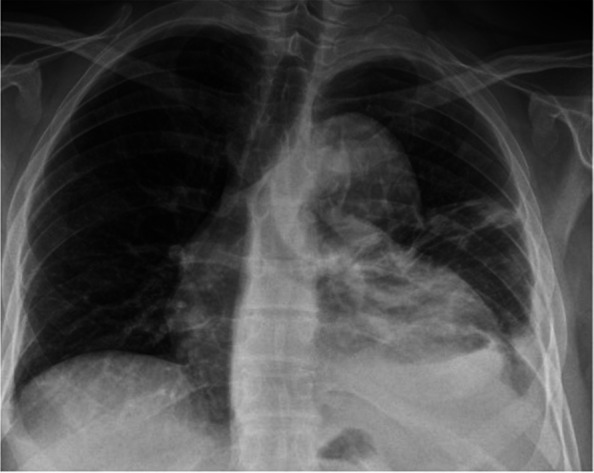 Figure 1
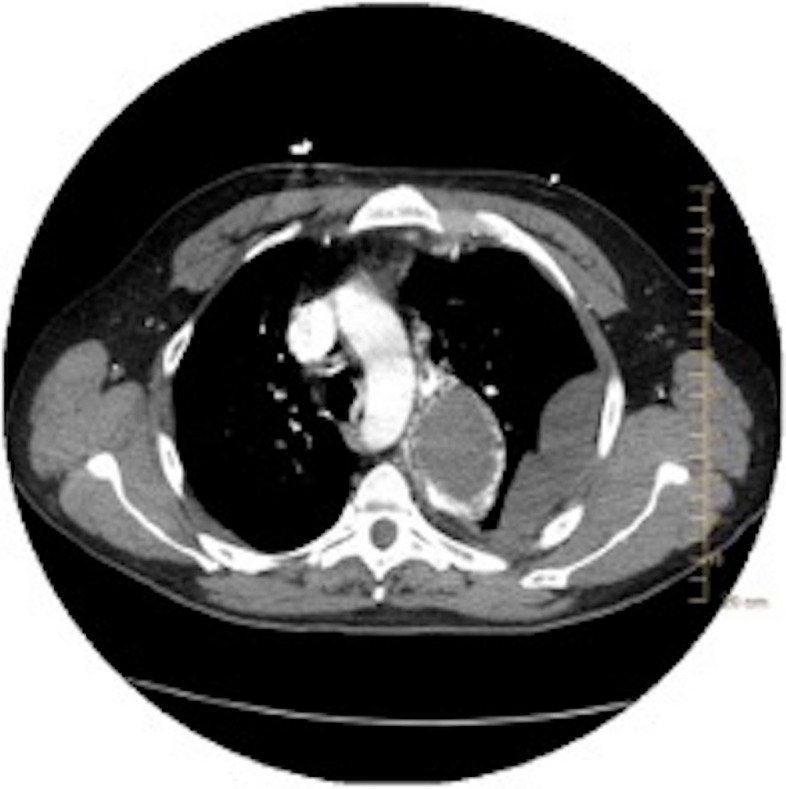 Figure 2
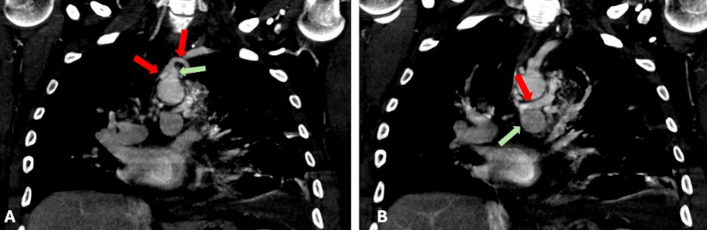 Figure 3
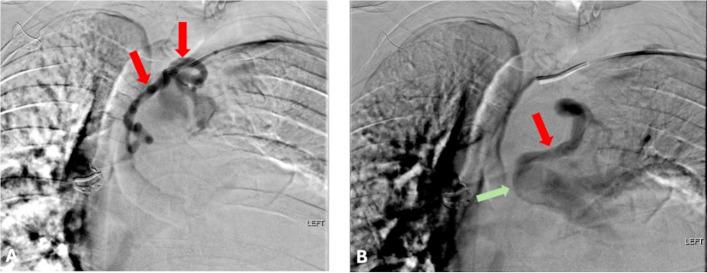 Figure 4
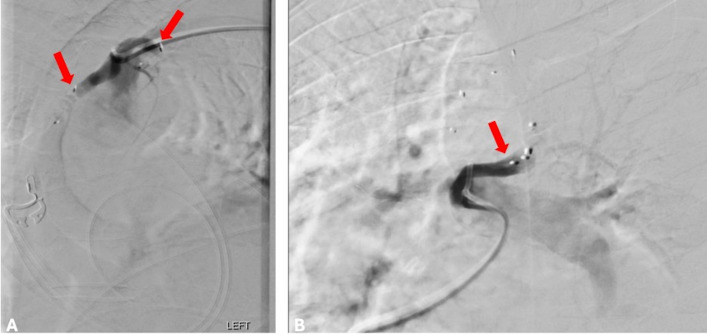 Figure 5
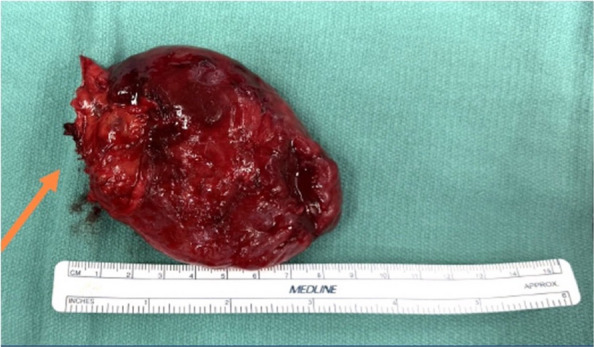 Figure 6
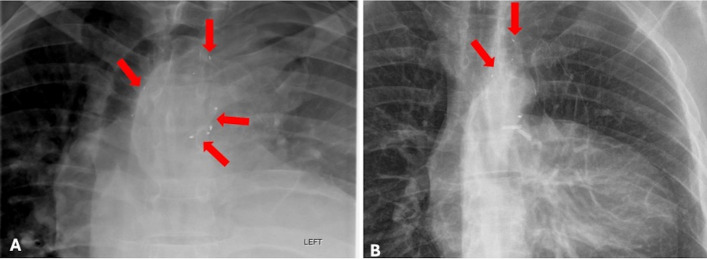 Figure 7
Peer Reviews
No public reviews on file for this paper yet. If you reviewed it on a platform where reviews are public (OpenReview, ICLR, NeurIPS, ICML), you can paste yours below so the community can read it here.
Videos
No videos yet. Explain this paper in a talk, walkthrough, or lecture? Add one.
Taxonomy
TopicsCongenital Diaphragmatic Hernia Studies · Tracheal and airway disorders · Esophageal and GI Pathology