Hemolysis correction factor in the reporting of serum neuron-specific enolase – Clinical utility in neuroprognostication after cardiac arrest
Christina Jungar, Erik Alinder, Charlotte Becker, Marion Moseby-Knappe, Anna Lybeck

TL;DR
This study evaluates a correction factor for hemolysis in measuring neuron-specific enolase to improve neuroprognostication after cardiac arrest.
Contribution
A novel correction factor for hemolysis in NSE measurements is proposed and evaluated for clinical use.
Findings
A correction factor of 0.33 µg/L per HI increased reported routine samples compared to other hemolysis handling methods.
The correction factor did not affect biobank samples due to low hemolysis levels.
Prognostic accuracy of NSE remained unaffected by the correction factor across methods.
Abstract
Neuron-specific enolase (NSE) from 48 h after cardiac arrest is the only biomarker of brain injury with recommended cut-offs for use in neuroprognostication. Hemolysis elevates levels of NSE and may result in false outcome predictions. A correction-factor for hemolysis in reporting of levels of NSE was established and evaluated in (1) incoming routine samples and (2) biobank samples from 48 h after cardiac arrest from the SweCrit biobank. Comparisons were made with three methods for handling hemolysis: Hemolysis Index (HI) 30 mg/dL or HI 50 mg/dL as the highest acceptable level of hemolysis, or a graded approach. Five-hundred and fifty-six routine samples and 263 biobank samples were analyzed. A correction factor of 0.33 µg/L per HI significantly increased the number of reported routine samples, when compared to the three other methods for handling hemolysis (HI 30 mg/dL or HI 50…
Genes, proteins, chemicals, diseases, species, mutations and cell lines named across the full text — each resolved to its canonical identifier and authoritative record.
Click any figure to enlarge with its caption.
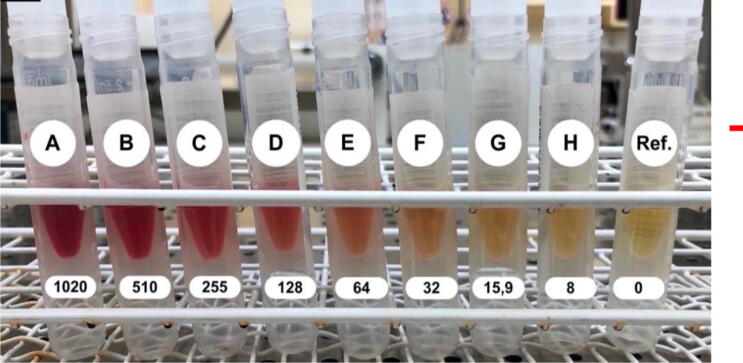 Figure 1
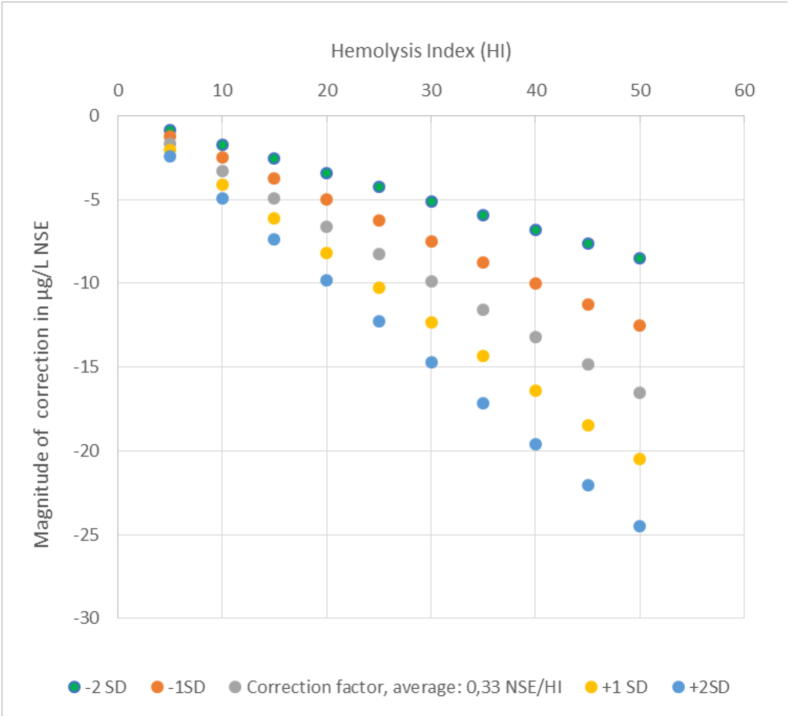 Figure 2
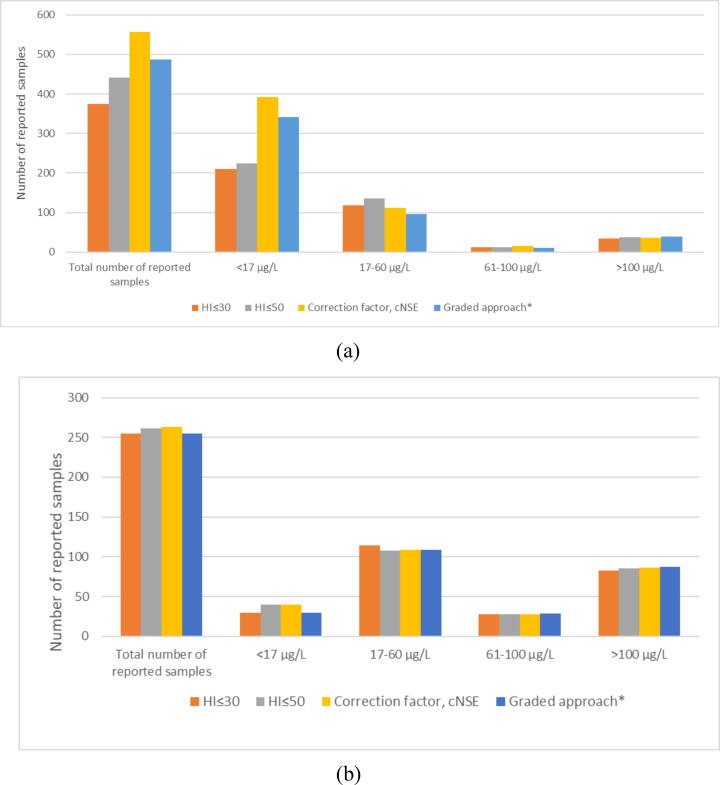 Figure 3
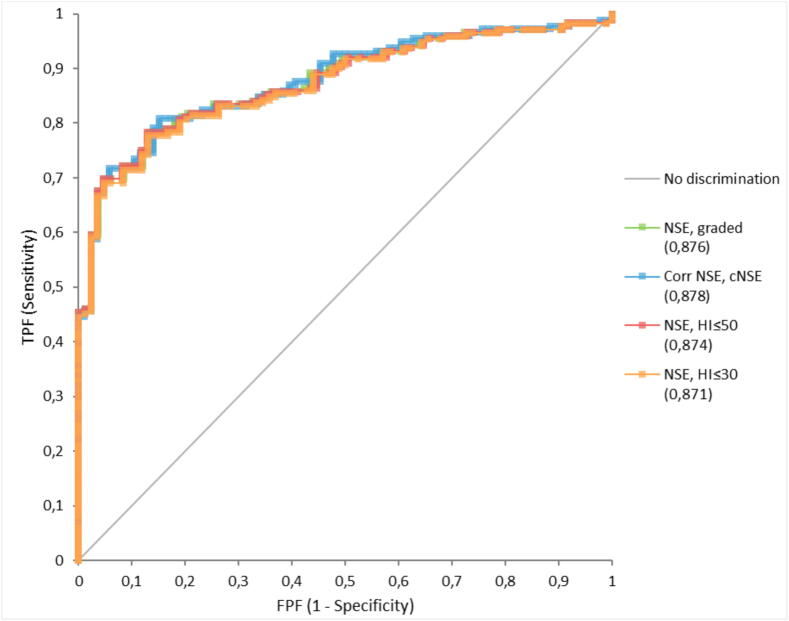 Figure 4
Peer Reviews
No public reviews on file for this paper yet. If you reviewed it on a platform where reviews are public (OpenReview, ICLR, NeurIPS, ICML), you can paste yours below so the community can read it here.
Videos
No videos yet. Explain this paper in a talk, walkthrough, or lecture? Add one.
Taxonomy
TopicsS100 Proteins and Annexins · Cardiac Arrest and Resuscitation · Traumatic Brain Injury and Neurovascular Disturbances