Real-world adverse event profile and signal characteristics of bevacizumab in glioma: a FAERS-based disproportionality analysis
Mingyue Gao, Qiao Chen, Hengheng Zhang, Yi Tian, Zhiguang Fu, Maohui Yan, Chen Liu

TL;DR
This study examines the safety profile of bevacizumab in glioma patients using real-world data, identifying key adverse events and differences by sex and age.
Contribution
The study reveals sex- and age-related differences in bevacizumab's adverse event profile using FAERS data.
Findings
Bevacizumab is associated with vascular disorders like hypertension and thromboembolic events.
Male patients face higher risks of bleeding and thrombotic events, while females report more cognitive impairment and intracranial hemorrhage.
Middle-aged patients experience the highest burden of adverse events.
Abstract
Bevacizumab is a critical anti-angiogenic therapy for glioma, but its real-world safety profile requires comprehensive characterization beyond clinical trials to effectively manage treatment risks. This pharmacovigilance study analyzed adverse event reports from the FDA Adverse Event Reporting System (FAERS) for glioma patients receiving bevacizumab. A disproportionate analysis using multiple analytical methods was conducted to identify significant safety signals. Subgroup analyses stratified by gender and age were performed to explore population heterogeneity. Bevacizumab-related AEs involved multiple system organ classes, with particularly prominent disproportionality signals for vascular disorders, especially hypertension, proteinuria and thromboembolic events such as pulmonary embolism. Most AEs occurred within the early treatment period, but late-onset events, including tumor…
Genes, proteins, chemicals, diseases, species, mutations and cell lines named across the full text — each resolved to its canonical identifier and authoritative record.
Click any figure to enlarge with its caption.
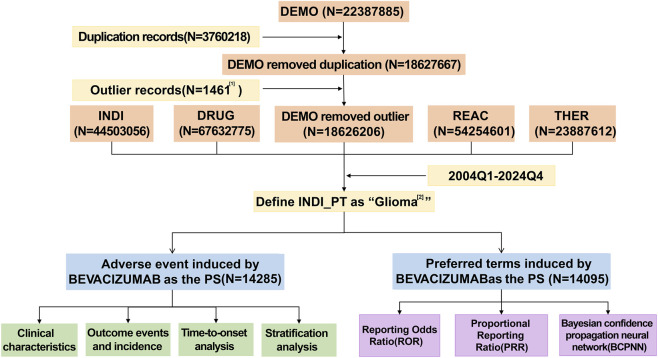 Figure 1
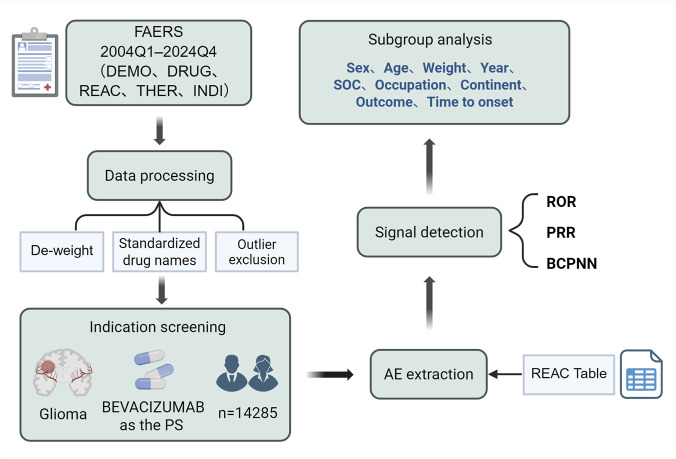 Figure 2
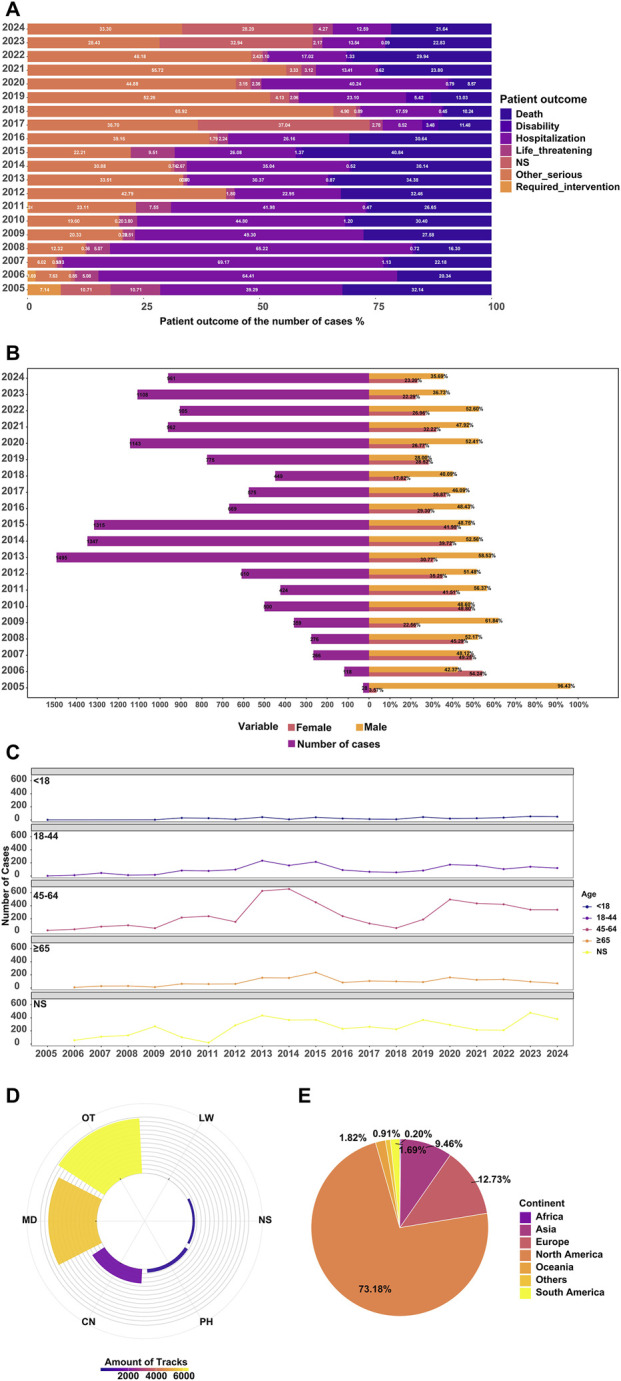 Figure 3
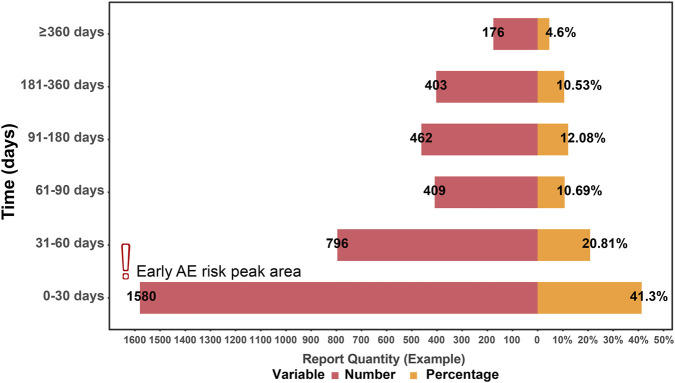 Figure 4
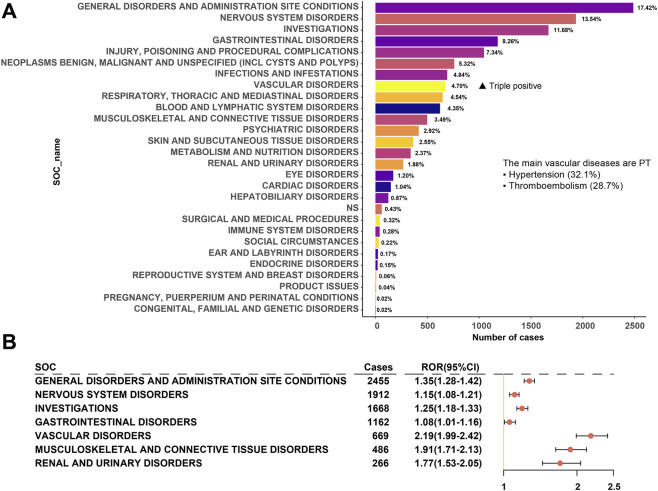 Figure 5
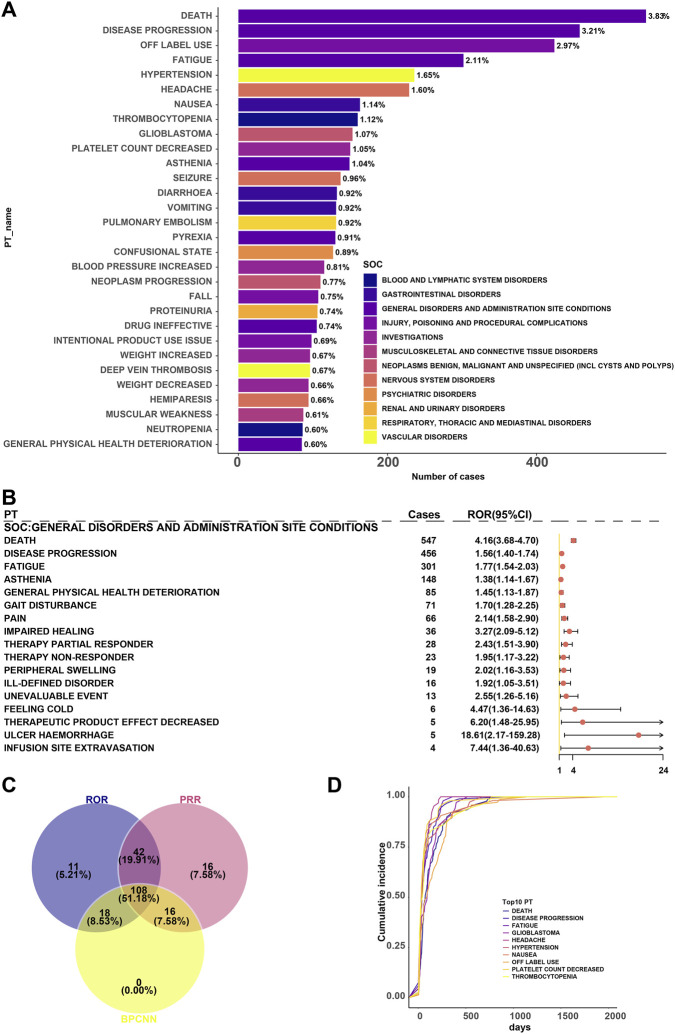 Figure 6
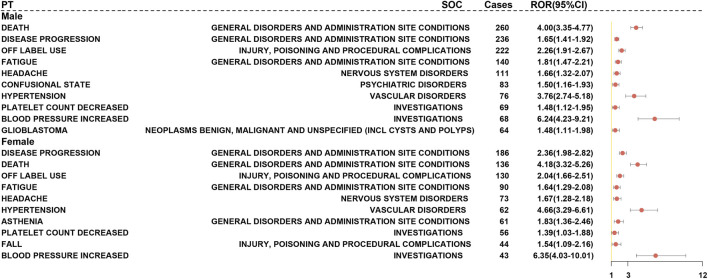 Figure 7
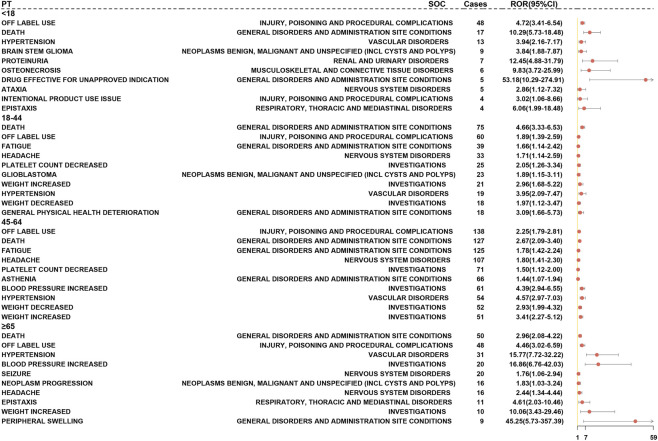 Figure 8
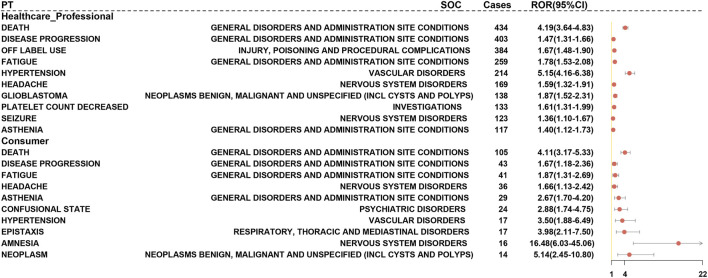 Figure 9
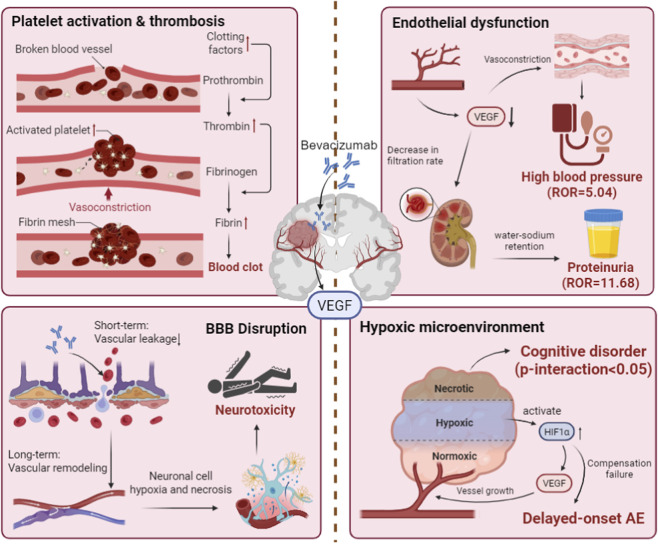 Figure 10
Peer Reviews
No public reviews on file for this paper yet. If you reviewed it on a platform where reviews are public (OpenReview, ICLR, NeurIPS, ICML), you can paste yours below so the community can read it here.
Videos
No videos yet. Explain this paper in a talk, walkthrough, or lecture? Add one.
Taxonomy
TopicsPharmacovigilance and Adverse Drug Reactions · Glioma Diagnosis and Treatment · Colorectal Cancer Treatments and Studies