The aggregate proteome of Caenorhabditis elegans mitochondria implicates shared mechanisms of aging and Alzheimer’s disease
Sonu Pahal, Akshatha Ganne, Meenakshisundaram Balasubramaniam, Sue T. Griffin, Robert J. Shmookler Reis, Srinivas Ayyadevara

TL;DR
This study explores how mitochondrial proteins contribute to aging and Alzheimer's disease using C. elegans models, identifying shared mechanisms and potential biomarkers.
Contribution
The study identifies a conserved panel of aggregation-prone proteins linked to aging and Alzheimer's disease through proteomic analysis of C. elegans models.
Findings
Normal aging in C. elegans leads to mitochondrial protein aggregation and impaired energy metabolism.
Aβ expression causes broad proteostatic and bioenergetic stress, overlapping with aging-associated proteins.
Cross-species comparison reveals 68 shared insoluble proteins between worm models and human AD brain aggregates.
Abstract
Mitochondrial dysfunction and protein aggregation are central features of brain aging and Alzheimer’s disease (AD). To define how AD seed proteins modulate these processes, we applied quantitative proteomics to sarkosyl-insoluble aggregates from C. elegans models of normal aging and from worms expressing human Aβ or Tau transgenes. Normal aging produced a late-onset accrual of mitochondrial proteins within aggregates, implicating impaired energy metabolism and proteostasis collapse. Aβ expression caused a striking expansion and included glycolytic enzymes, tricarboxylic acid cycle components, ribosomal proteins, and trafficking factors, consistent with broad proteostatic and bioenergetic stress, largely overlapping with aging-associated species, yet advanced in onset. Tau expression yielded a smaller set enriched for cytoskeletal, vesicular, and nuclear pore components.…
Genes, proteins, chemicals, diseases, species, mutations and cell lines named across the full text — each resolved to its canonical identifier and authoritative record.
Click any figure to enlarge with its caption.
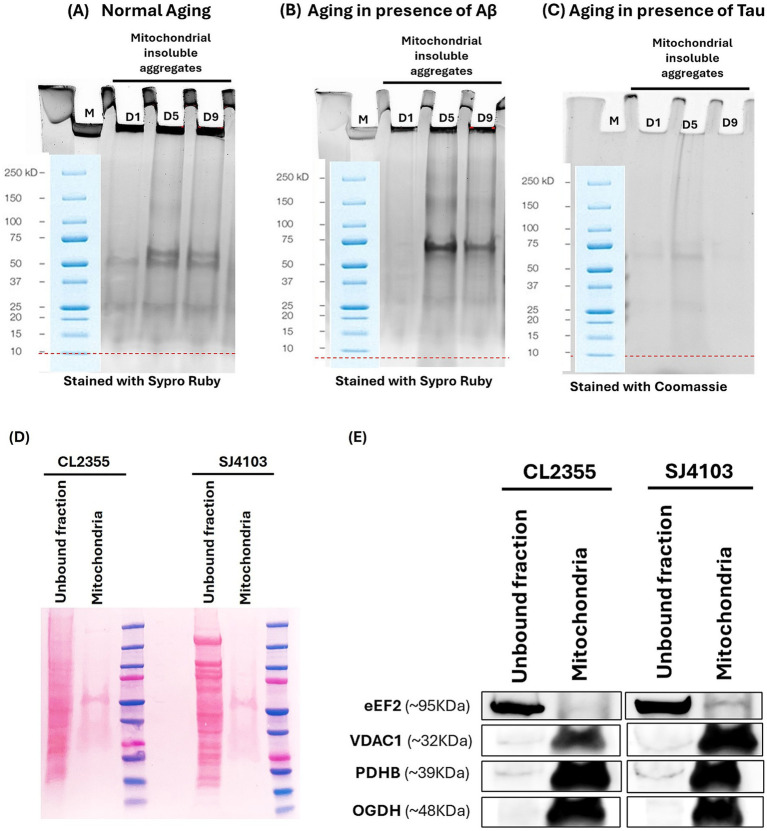 Figure 1
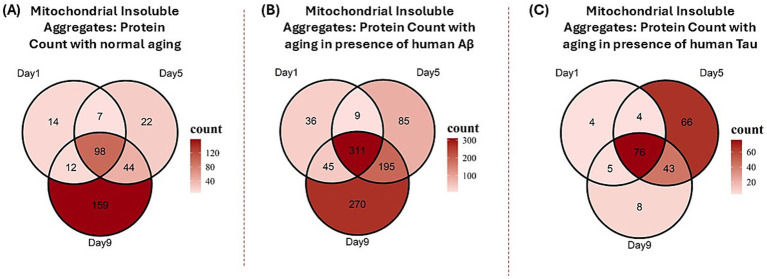 Figure 2
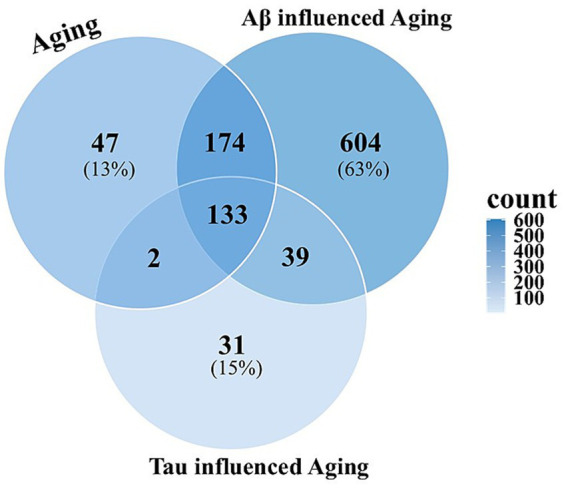 Figure 3
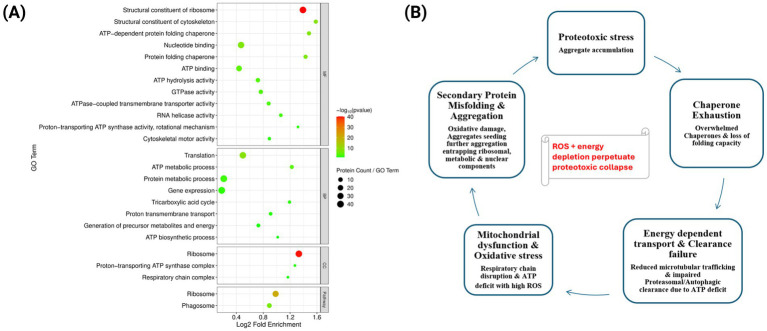 Figure 4
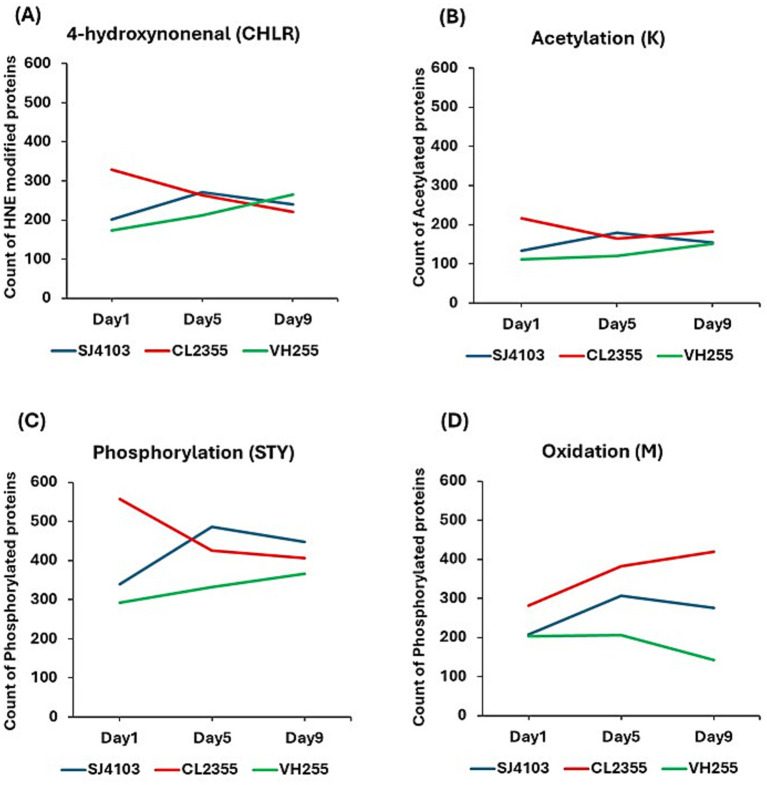 Figure 5
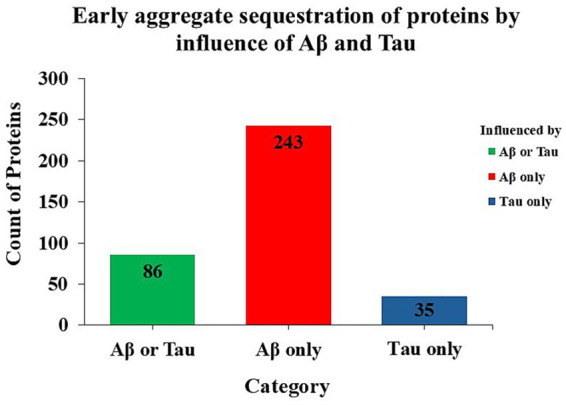 Figure 6
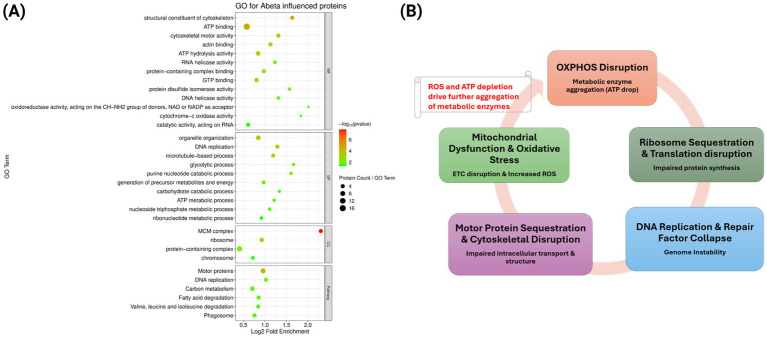 Figure 7
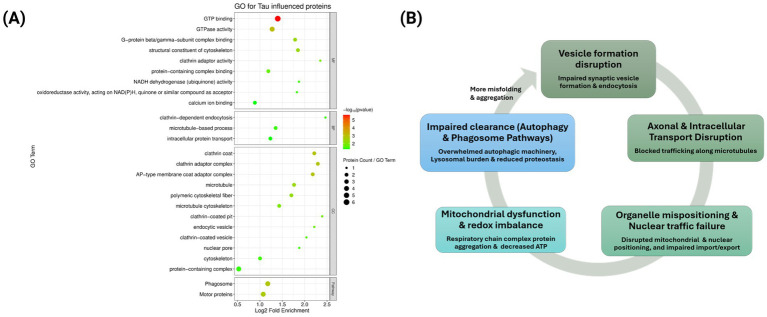 Figure 8
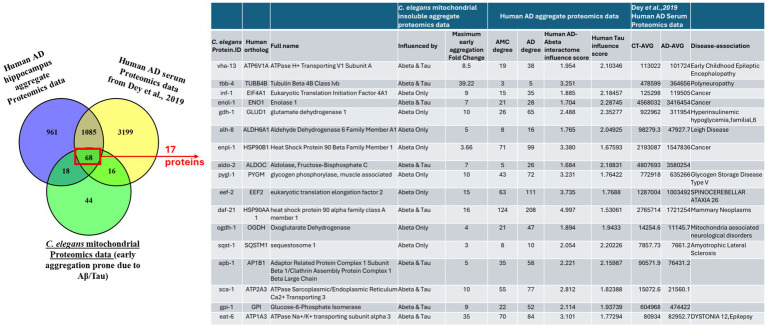 Figure 9
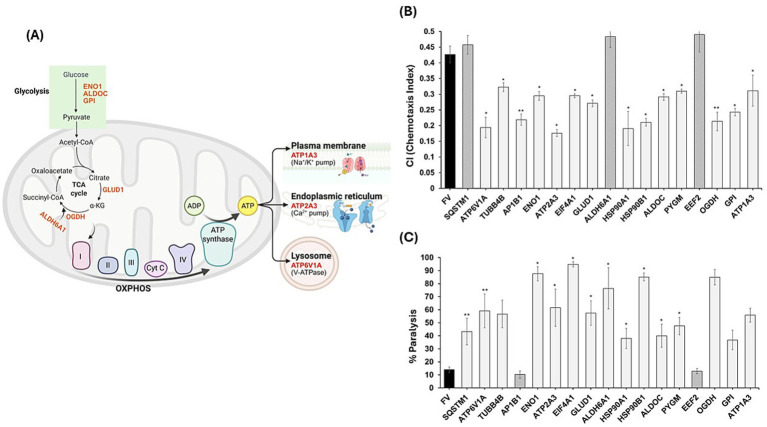 Figure 10
Peer Reviews
No public reviews on file for this paper yet. If you reviewed it on a platform where reviews are public (OpenReview, ICLR, NeurIPS, ICML), you can paste yours below so the community can read it here.
Videos
No videos yet. Explain this paper in a talk, walkthrough, or lecture? Add one.
Taxonomy
TopicsGenetics, Aging, and Longevity in Model Organisms · Alzheimer's disease research and treatments · Mitochondrial Function and Pathology