A nematic liquid crystal elastomer rotary engine
Takuya Ohzono, Hirohmi Watanabe, Eugene M. Terentjev

TL;DR
Researchers developed a soft, light-powered rotary engine using nematic liquid crystal elastomers that rotate under white light by converting light into motion.
Contribution
A prototype NLCE rotary engine with multiple contractile elements and analysis of its performance under various conditions.
Findings
Continuous rotational motion was achieved using the photo-thermal effect in NLCE actuators.
Theoretical modeling showed that contraction generates torque while internal friction limits speed.
Engine performance depends on the number of NLCE elements, light power, pre-tension, and system size.
Abstract
Nematic liquid crystal elastomers (NLCEs) could perform as soft actuators because they generate greater contraction stress than ordinary rubber in response to a temperature rise of several tens of Kelvin. In this study, we follow the Wiegand rubber motor design, and develop a prototype star-shaped type rotary engine with four to twelve NLCE contractile elements, in which multiple NLCE actuators contract due to the photo-thermal effect to rotate the crankshaft. Continuous rotational motion under white light was experimentally confirmed. Through theoretical modeling, it was clarified that in this system, the contraction of the NLCE actuators generates a driving torque, while a viscoelasticity-originated internal friction resists the rotation, thus producing rotation at constant speed. Effects of the number of NLCE elements, light power, initially applied pre-tension, and the system size…
Genes, proteins, chemicals, diseases, species, mutations and cell lines named across the full text — each resolved to its canonical identifier and authoritative record.
Click any figure to enlarge with its caption.
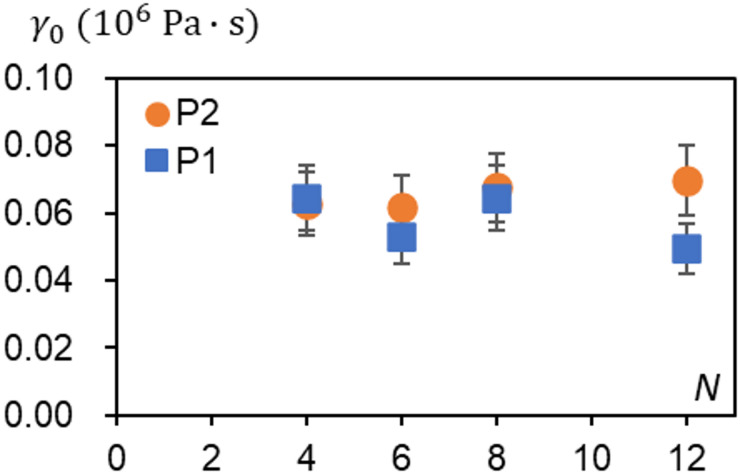 Figure 10
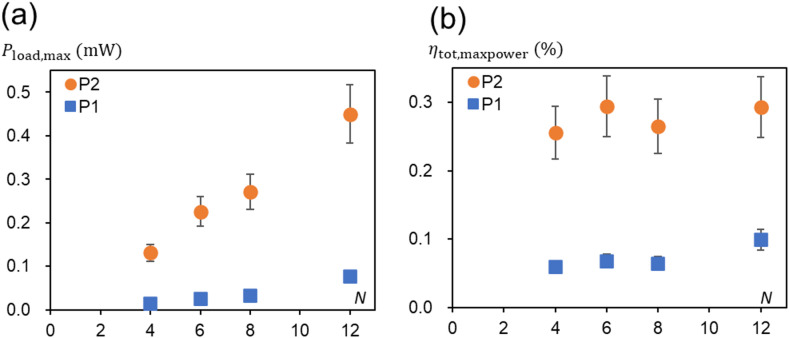 Figure 11
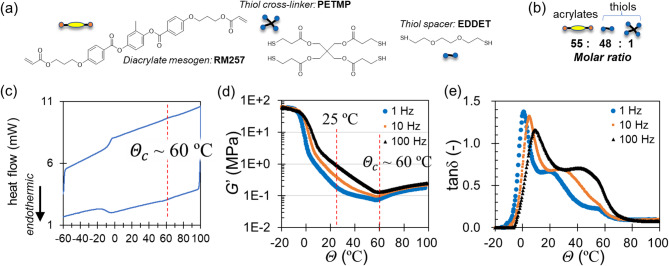 Figure 1
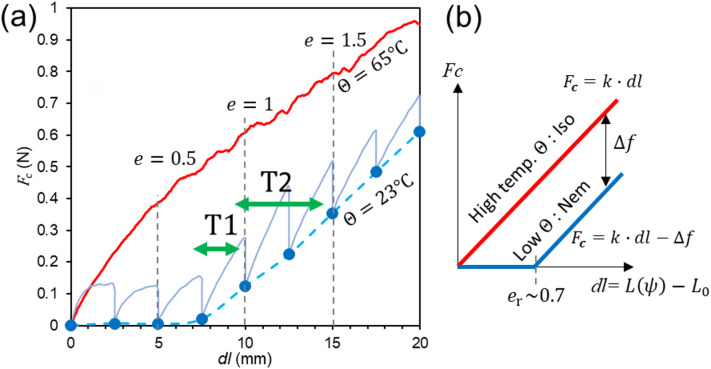 Figure 2
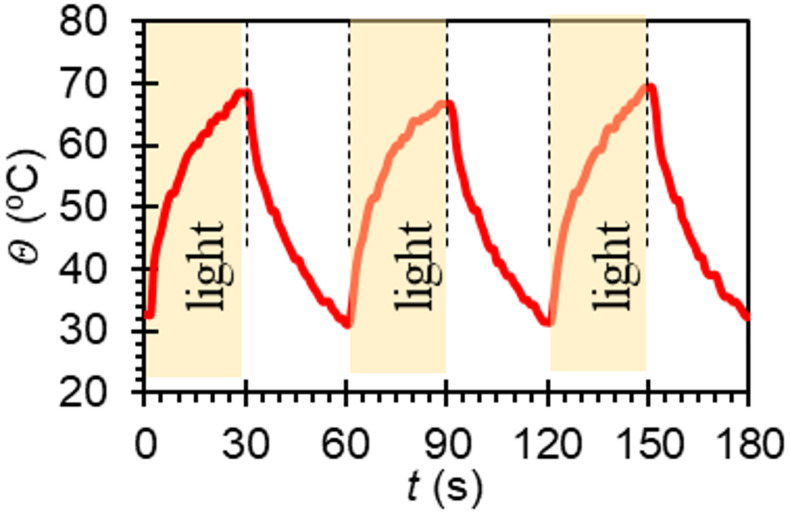 Figure 3
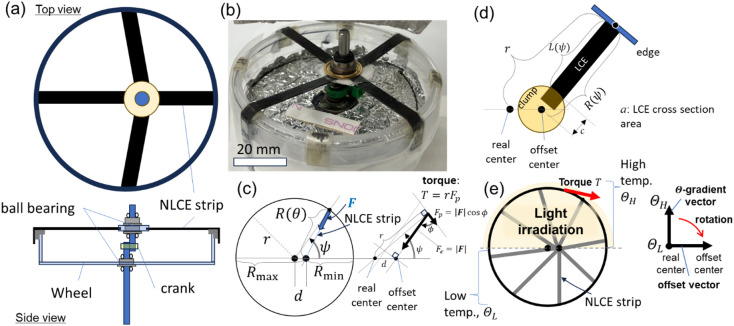 Figure 4
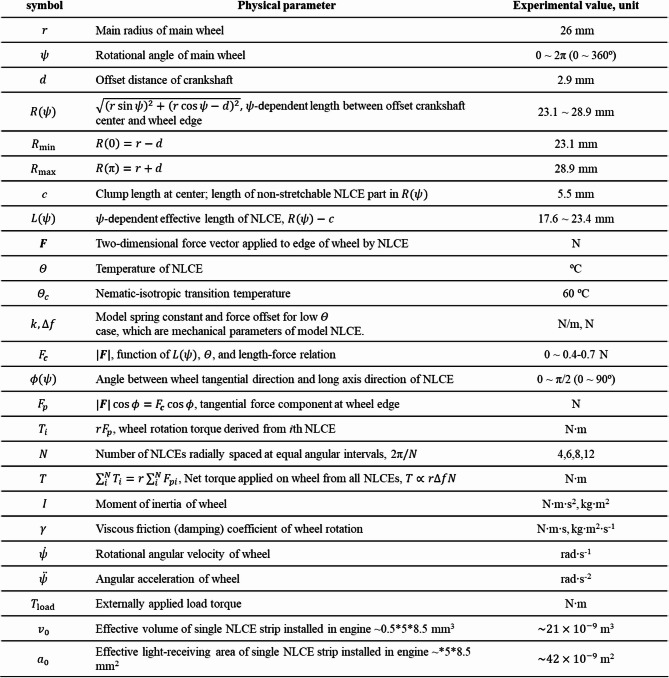 Figure 5
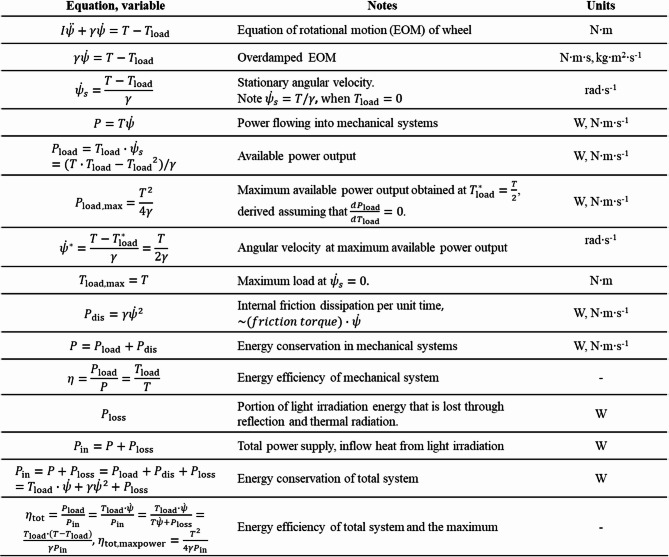 Figure 6
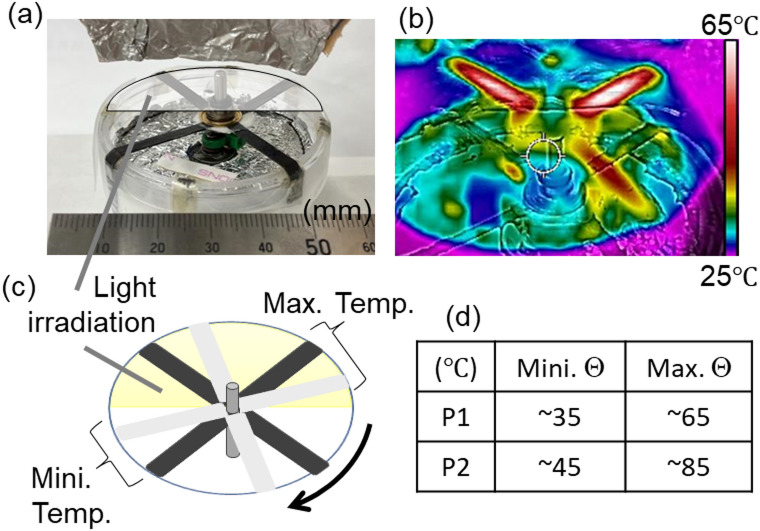 Figure 7
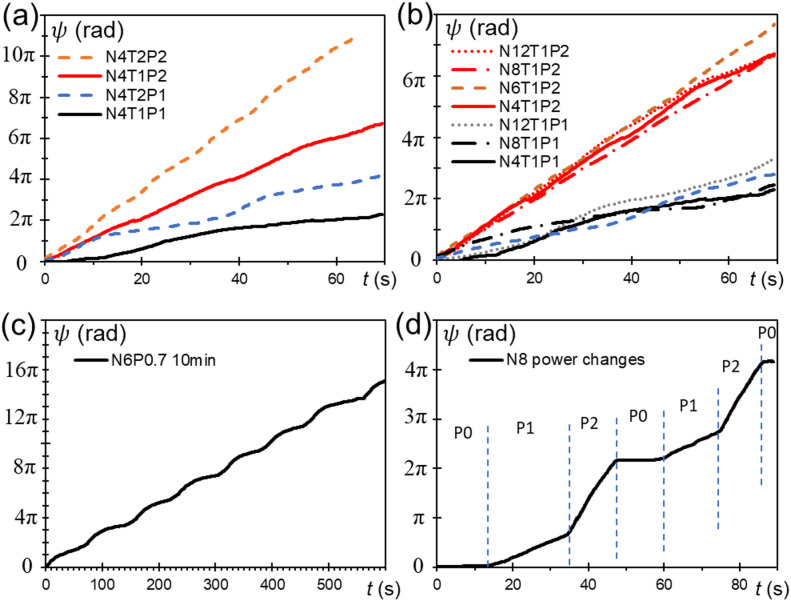 Figure 8
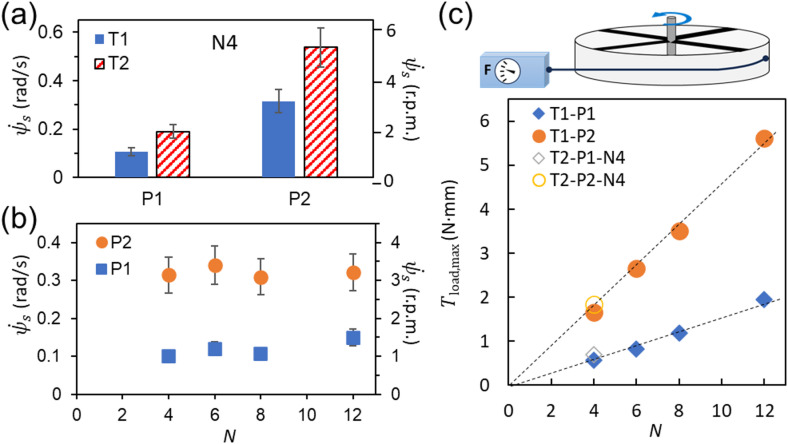 Figure 9
Peer Reviews
No public reviews on file for this paper yet. If you reviewed it on a platform where reviews are public (OpenReview, ICLR, NeurIPS, ICML), you can paste yours below so the community can read it here.
Videos
No videos yet. Explain this paper in a talk, walkthrough, or lecture? Add one.
Taxonomy
TopicsAdvanced Materials and Mechanics · Liquid Crystal Research Advancements · Soft Robotics and Applications