Glutathione metabolism as a key regulator of oxidative hippocampal injury in sepsis-associated encephalopathy: an integrated proteomics and metabolomics study
Yanning Li, Linan Wang, Teng Ma, Tao Peng, Lijuan Wang, Junyan Wang, Yunhong Li, Yin Wang

TL;DR
This study shows that disrupted glutathione metabolism plays a key role in brain damage caused by sepsis, offering new targets for treatment.
Contribution
The study identifies glutathione metabolism as a central regulator of oxidative injury in sepsis-associated encephalopathy through integrated proteomics and metabolomics.
Findings
Glutathione metabolism is the most disrupted pathway in hippocampal injury during sepsis.
Reduced Nrf2, HO-1, and GPX4 expression links glutathione dysregulation to neuronal apoptosis.
A 'high-inflammation, high-oxidation, low-metabolism' triad is regulated by a specific interaction axis.
Abstract
Sepsis-associated encephalopathy (SAE) is characterized by acute neurological dysfunction and hippocampal damage, with oxidative stress being a key driver of neuronal injury. However, the role of dysfunctional glutathione (GSH) metabolism in hippocampal injury during SAE remains unclear. This study aimed to clarify the molecular and biochemical changes in the hippocampus induced by SAE through multi-omics integration (proteomics and metabolomics), thereby providing a theoretical basis for improved neuroprotective strategies. A murine SAE model was established via cecal ligation and puncture (CLP). Subsequent analyses included assessments of hippocampal tissue damage, microglial activation, and cognitive function in mice. Levels of pro-inflammatory cytokines, reactive oxygen species (ROS), and malondialdehyde (MDA) (oxidative stress markers) were detected. Proteomic analysis was…
Genes, proteins, chemicals, diseases, species, mutations and cell lines named across the full text — each resolved to its canonical identifier and authoritative record.
Click any figure to enlarge with its caption.
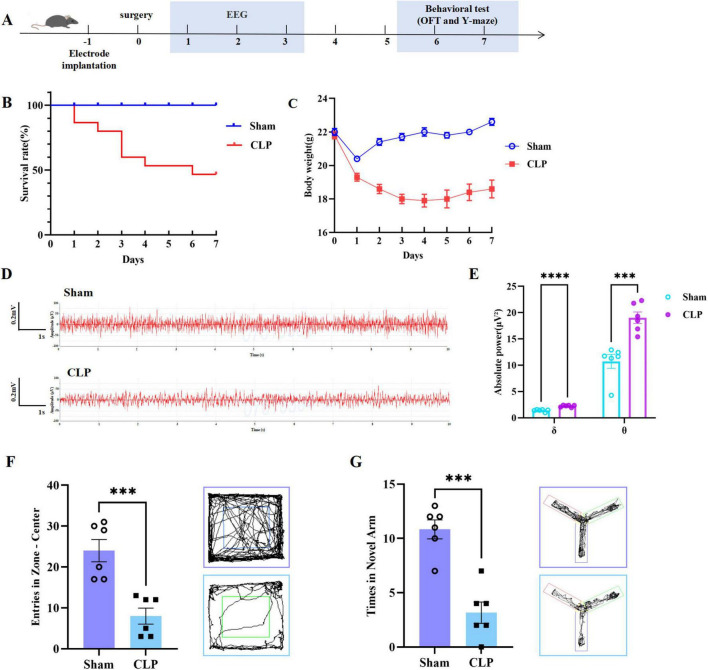 Figure 1
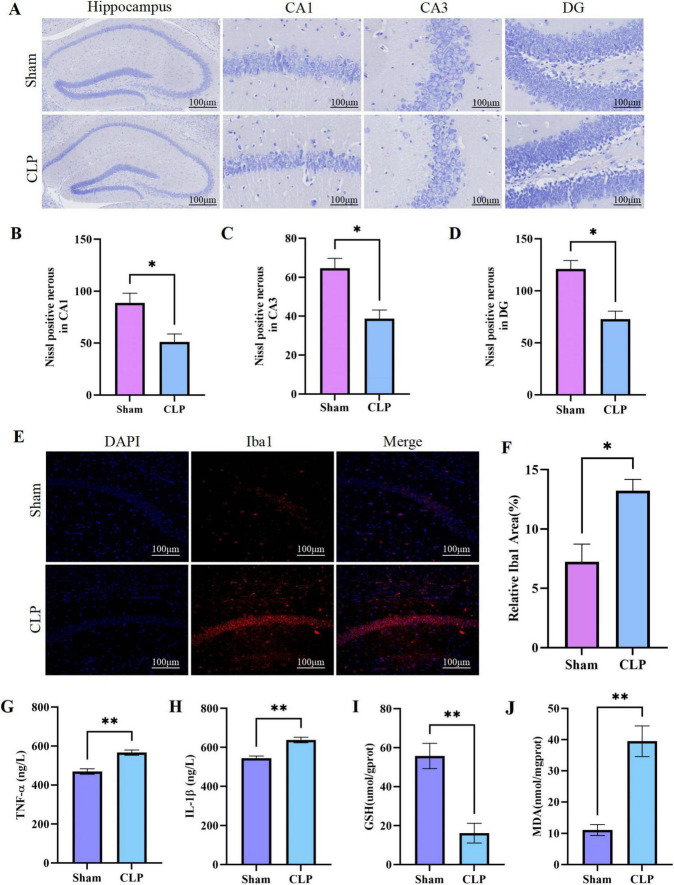 Figure 2
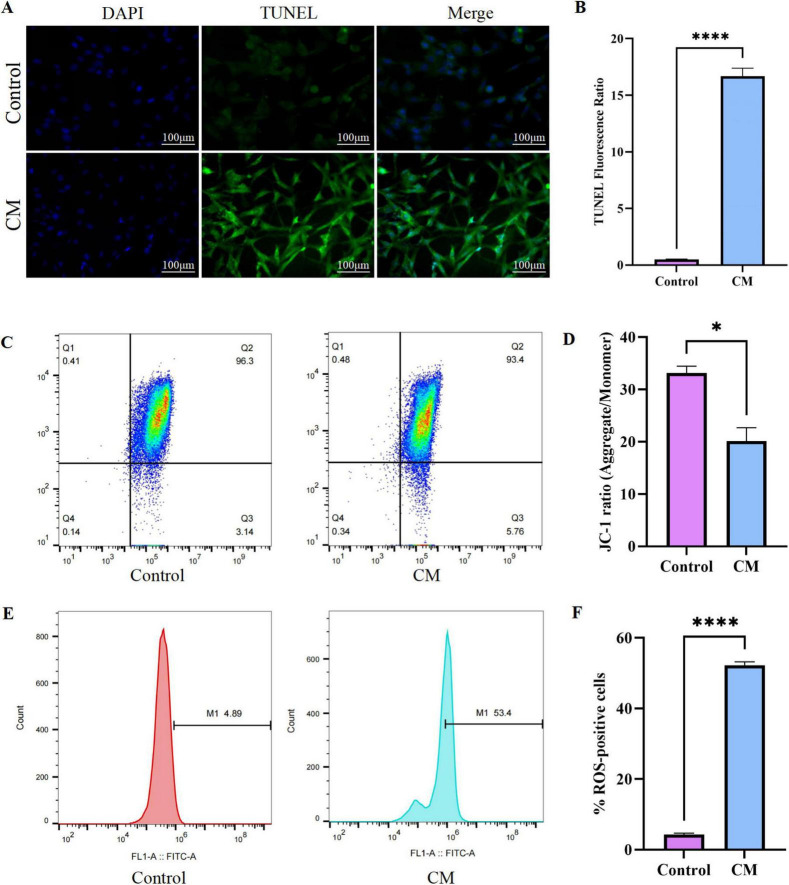 Figure 3
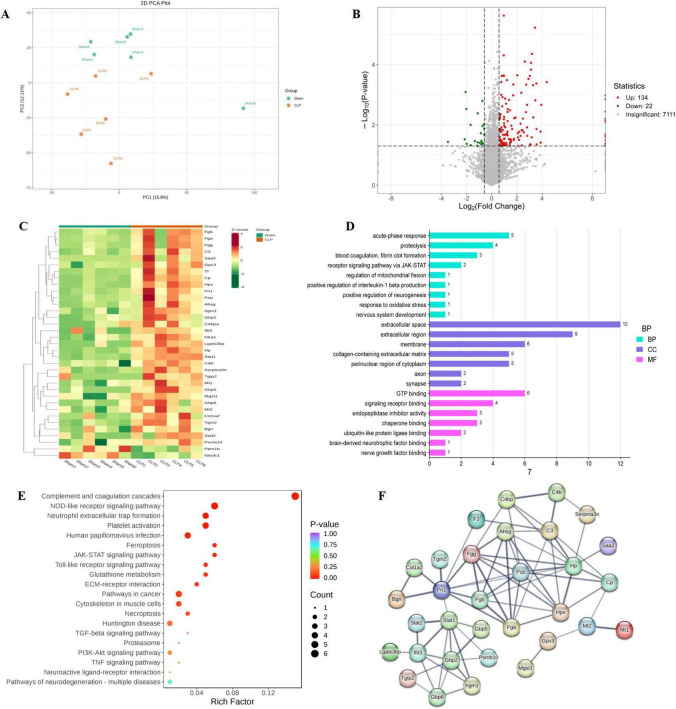 Figure 4
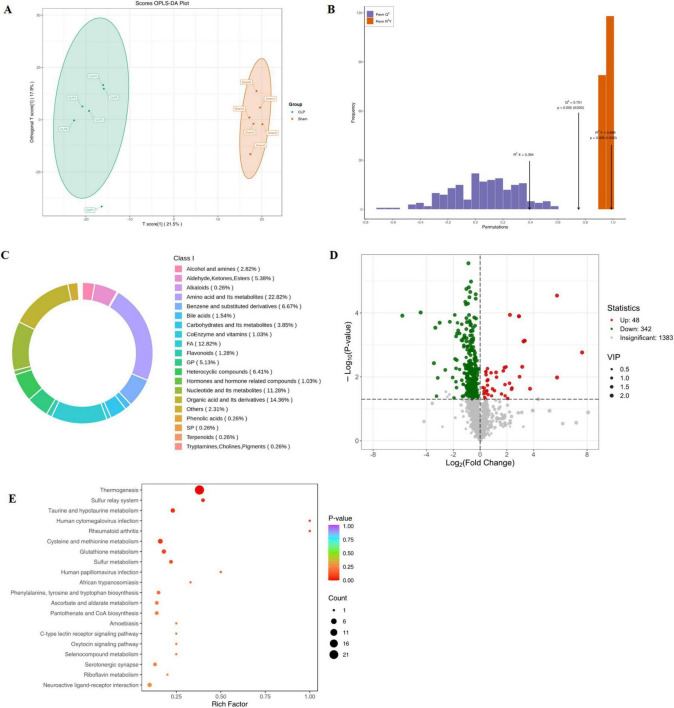 Figure 5
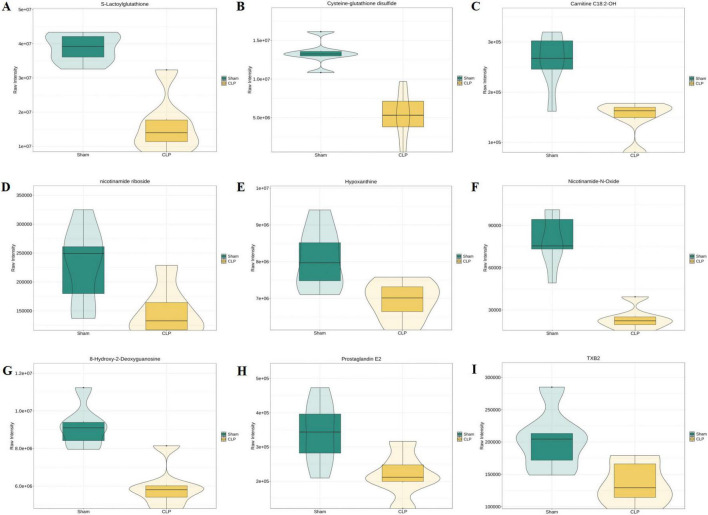 Figure 6
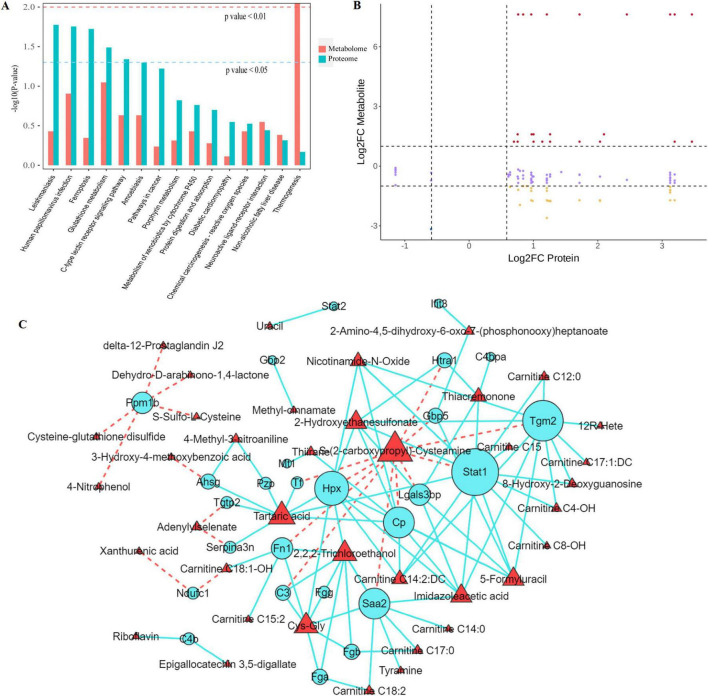 Figure 7
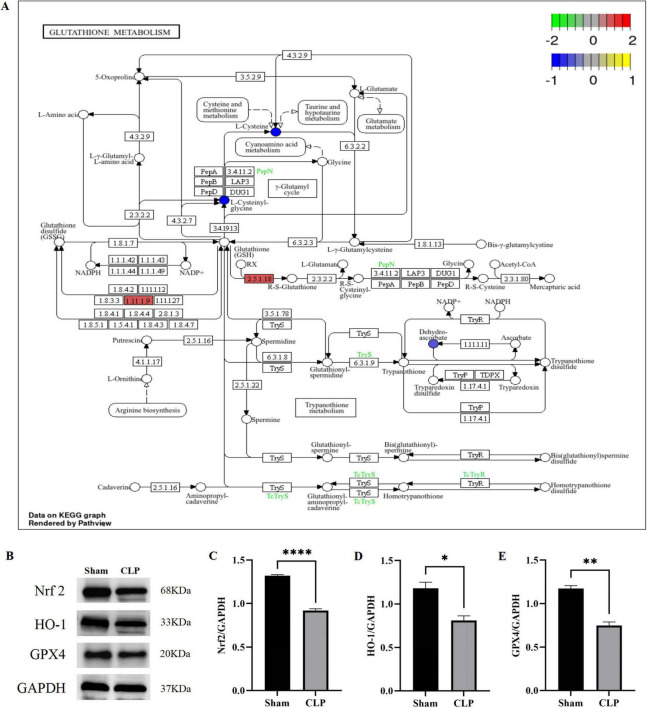 Figure 8
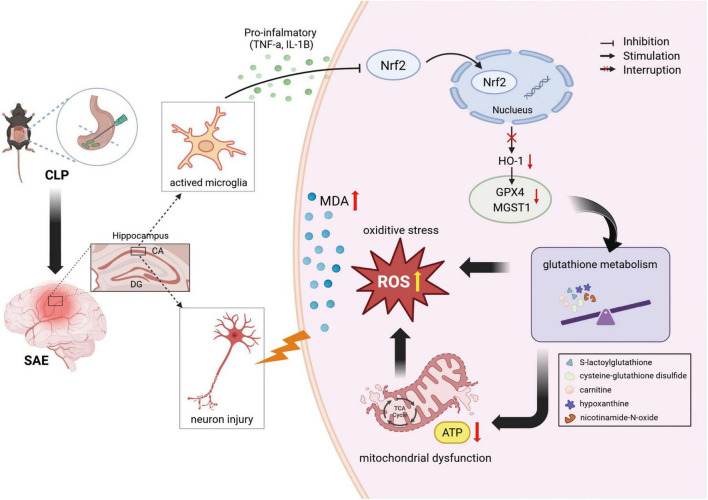 Figure 9
Peer Reviews
No public reviews on file for this paper yet. If you reviewed it on a platform where reviews are public (OpenReview, ICLR, NeurIPS, ICML), you can paste yours below so the community can read it here.
Videos
No videos yet. Explain this paper in a talk, walkthrough, or lecture? Add one.
Taxonomy
TopicsNeuroinflammation and Neurodegeneration Mechanisms · Traumatic Brain Injury and Neurovascular Disturbances · Neurological Disease Mechanisms and Treatments