Intra-tumoral NK cells and their association with patient outcomes: a novel prognostic model incorporating NK cells and clinicopathologic features in gastric cancer
Masanori Oshi, Yuko Tamura, Rongrong Wu, Colin J. Rog, Li Yan, Kizuki Yuza, Takashi Kosaka, Hirotoshi Akiyama, Takashi Ishikawa, Kazuaki Takabe, Itaru Endo

TL;DR
This study shows that high levels of natural killer (NK) cells in gastric cancer are linked to better patient outcomes and can be combined with clinical factors to predict prognosis.
Contribution
A novel prognostic model for gastric cancer combining NK cell infiltration scores with clinicopathologic features is proposed.
Findings
High NK cell infiltration correlates with enriched immune gene sets and increased cytolytic activity in gastric cancer.
High NK cell infiltration is associated with better overall survival and improved response to neoadjuvant chemotherapy.
Combining NK cell scores with clinicopathologic factors provides a consistent and powerful prognostic tool across multiple cohorts.
Abstract
Natural killer (NK) cell infiltration has been implicated in the prognosis of gastric cancer patients. However, NK cell infiltration fraction has not yet been used routinely in clinical practice due to a lack of a measure for accurate quantification. NK cell infiltration fraction was quantified using a deconvolution tool and its clinical relevance was investigated in gastric cancer patients from our institution (Yokohama City University Hospital (YCU) and those present in publicly available cohorts with transcriptome data (TCGA, GSE84437 and GSE150290). In the single cell sequencing cohort, the distribution of NK cells was similar to that of NK cell-related gene expression. High NK cell infiltration in gastric cancer correlated with enriched immune gene sets, such as IFN-α and IFN-γ responses, and also linked to increased cytolytic activity and low stromal cell infiltration along with…
Genes, proteins, chemicals, diseases, species, mutations and cell lines named across the full text — each resolved to its canonical identifier and authoritative record.
Click any figure to enlarge with its caption.
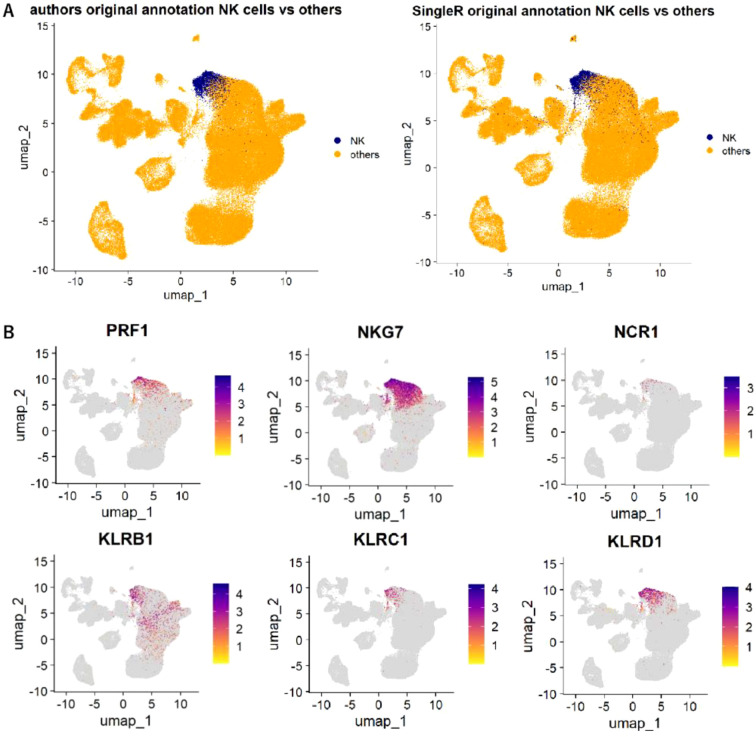 Figure 1
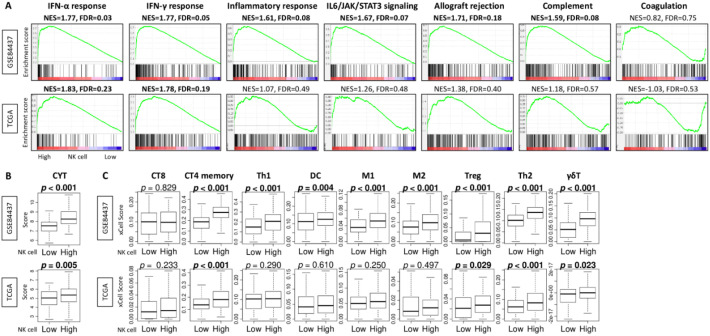 Figure 2
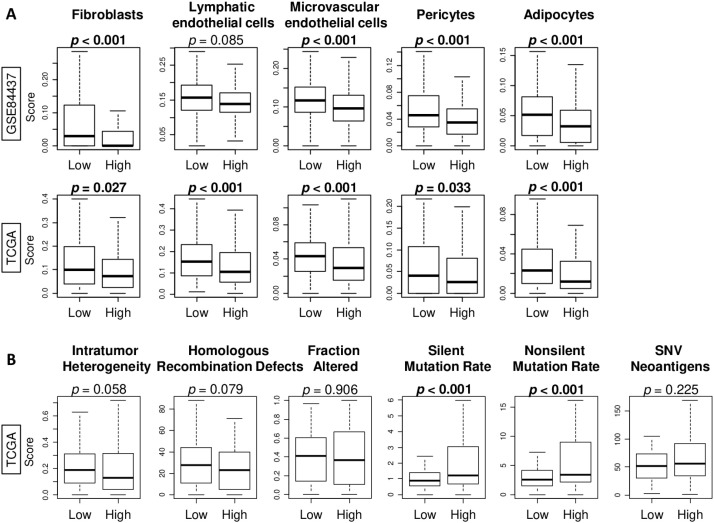 Figure 3
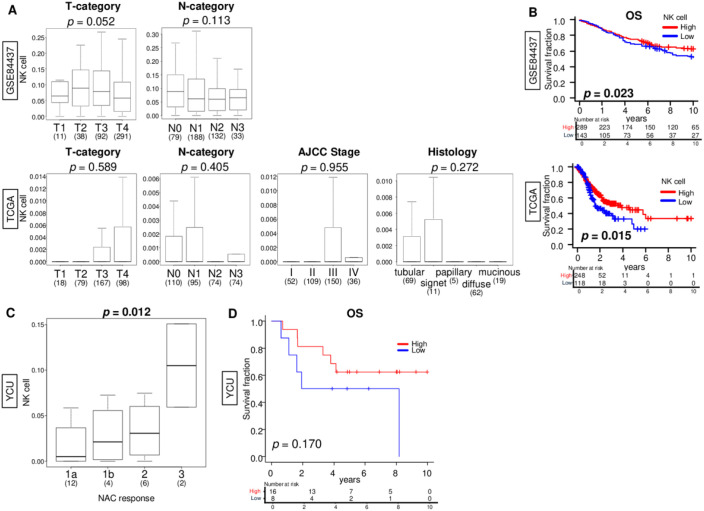 Figure 4
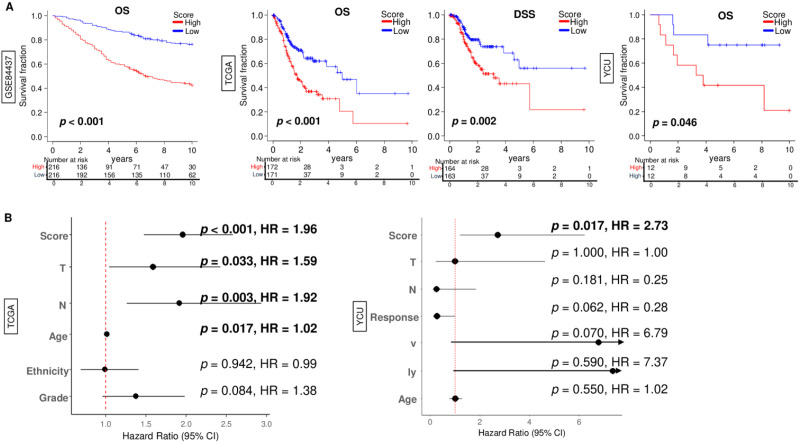 Figure 5
Peer Reviews
No public reviews on file for this paper yet. If you reviewed it on a platform where reviews are public (OpenReview, ICLR, NeurIPS, ICML), you can paste yours below so the community can read it here.
Videos
No videos yet. Explain this paper in a talk, walkthrough, or lecture? Add one.
Taxonomy
TopicsImmune Cell Function and Interaction · Cancer Immunotherapy and Biomarkers · Gastric Cancer Management and Outcomes