Leveraging sensor technologies for seed phenotyping by genebanks
Kioumars Ghamkhar, David Rousseau

TL;DR
This paper discusses how sensor technologies can improve seed trait analysis in genebanks, helping preserve genetic diversity for agriculture.
Contribution
The paper introduces the use of high-throughput phenomics technologies for non-invasive seed trait assessment in genebanks.
Findings
High-throughput phenomics technologies enable rapid and non-invasive seed trait evaluation.
Advanced imaging systems like hyperspectral and X-ray imaging enhance genebank datasets.
Collaboration between genebanks and phenomics facilities can address challenges in phenotyping.
Abstract
Genebanks serve as critical repositories for preserving the genetic diversity of plant species, including crops, forages, and their wild relatives, which is essential for adapting to climate change, enhancing food security, and improving agricultural sustainability. Seed phenotyping, the process of evaluating observable seed traits influenced by genetics and environmental factors, plays a pivotal role in characterizing and utilizing this diversity. Traditional phenotyping methods, however, are labor-intensive and inadequate for the vast collections housed in genebanks. This paper explores the transformative potential of high-throughput phenomics technologies, leveraging the electromagnetic spectrum—from gamma rays to radio waves—to enable rapid, precise, and non-invasive assessment of seed traits such as size, shape, biochemical composition, and vigor. We highlight the integration of…
Click any figure to enlarge with its caption.
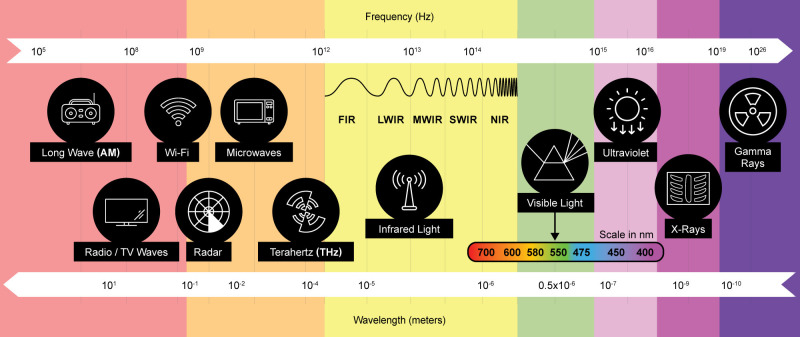 Figure 1
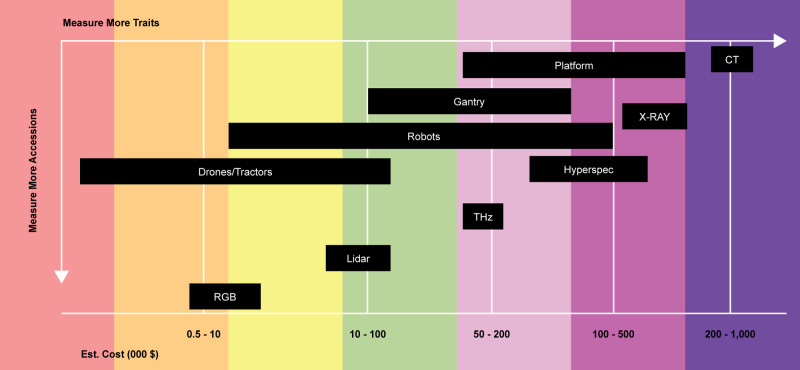 Figure 2
Peer Reviews
No public reviews on file for this paper yet. If you reviewed it on a platform where reviews are public (OpenReview, ICLR, NeurIPS, ICML), you can paste yours below so the community can read it here.
Videos
No videos yet. Explain this paper in a talk, walkthrough, or lecture? Add one.
Taxonomy
TopicsRemote Sensing in Agriculture · Spectroscopy and Chemometric Analyses · Smart Agriculture and AI