In Silico Identification of Antiviral Peptides as Potential Leads Against Sudan Ebolavirus VP‐40
Boniface Omara, Kenedy Kiyimba, Fatoumata G. Fofana, Oudou Diabaté, Walter Odur, Daudi Jjingo, Jacob Stanley Iramiot, Peace Draleru, Joan Achia, Muhammad Shafiq, Zaheer Ul-Haq, Hedmon Okella, Steven Odongo

TL;DR
This study identifies antiviral peptides that could potentially treat Sudan Ebola virus by using computational methods to design and evaluate their effectiveness.
Contribution
The study introduces a computational pipeline to design and validate antiviral peptides against Sudan Ebolavirus VP-40.
Findings
Out of 170 designed motifs, 30 showed antiviral potential with scores between 0.506 and 1.000.
Five peptides were identified as non-toxic, non-allergenic, and structurally stable.
Motif A10_M demonstrated the strongest binding and structural compactness in MD simulations.
Abstract
The continued reemergence of Ebola virus epidemics remains a global health concern, largely due to limited therapeutic interventions. This study is aimed at identifying and characterizing antiviral peptides as potential lead candidates against the Sudan Ebola virus. We retrieved antiviral peptides from the AVPdb and designed novel peptides from them using support vector machine, RF, and discriminant analysis algorithms. The toxicity and allergenicity predictions were performed using ToxinPred, ADMETLab 3.0, Allertop, and AllergenFP web servers, respectively. The 3D structures of selected peptides were modeled using PEP‐FOLD and I‐TASSER and validated using ProSA and PROCHECK web servers. The best peptide models were docked against the Sudan Ebola virus VP‐40 protein using HDOCK and ClusPro. Molecular dynamics (MD) simulations were then carried out in GROMACS 2024.2. Out of 170 designed…
Genes, proteins, chemicals, diseases, species, mutations and cell lines named across the full text — each resolved to its canonical identifier and authoritative record.
Click any figure to enlarge with its caption.
 Figure 1
 Figure 2
 Figure 3
 Figure 4
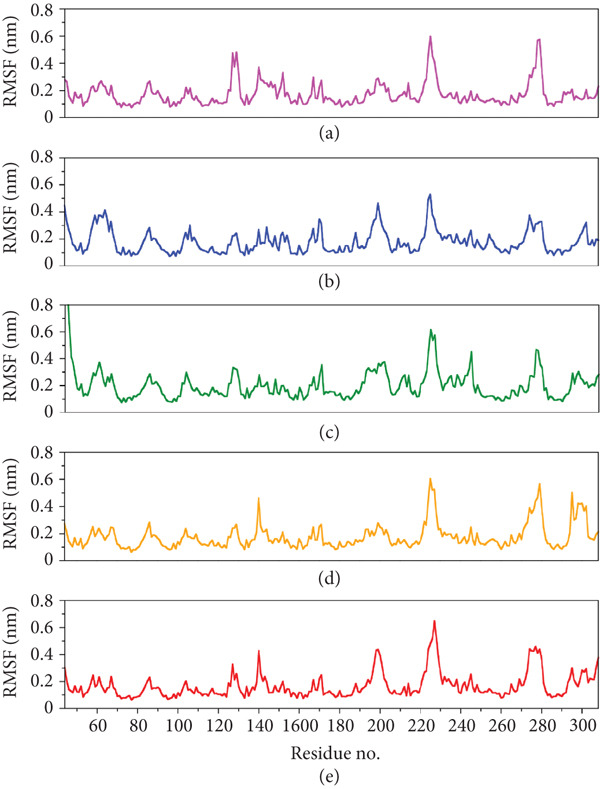 Figure 5
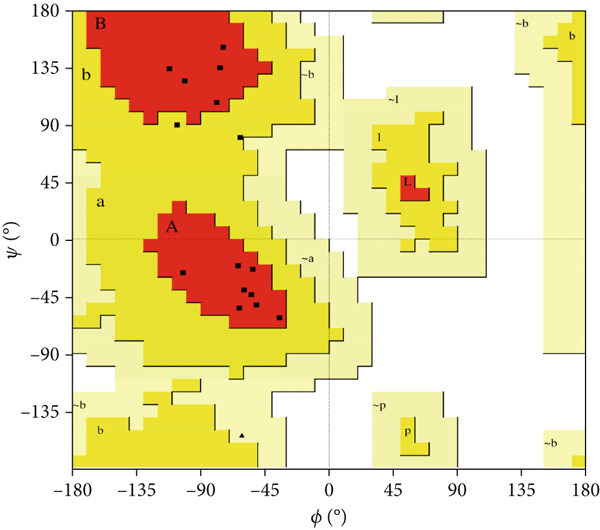 Figure 6
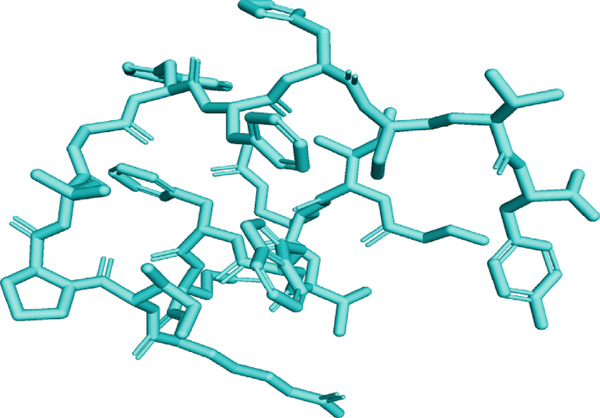 Figure 7
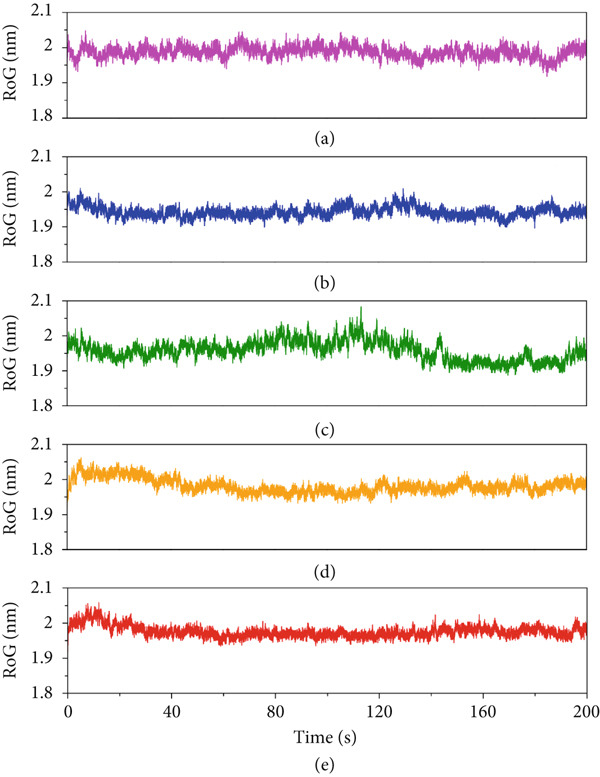 Figure 8
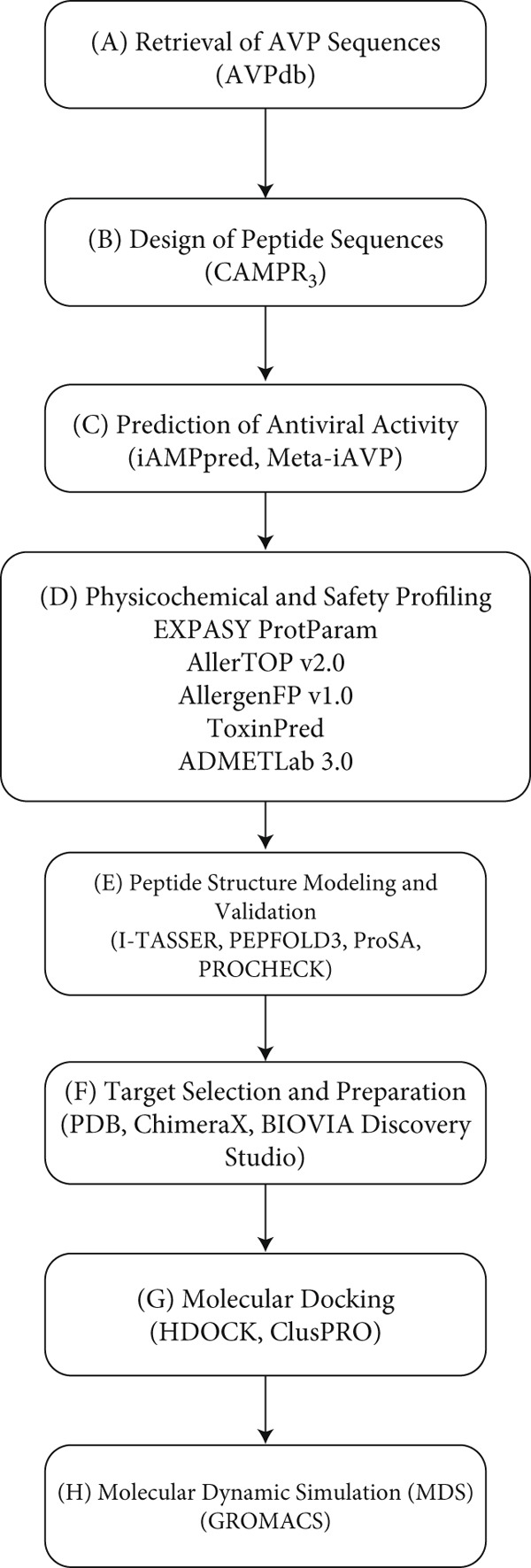 Figure 9
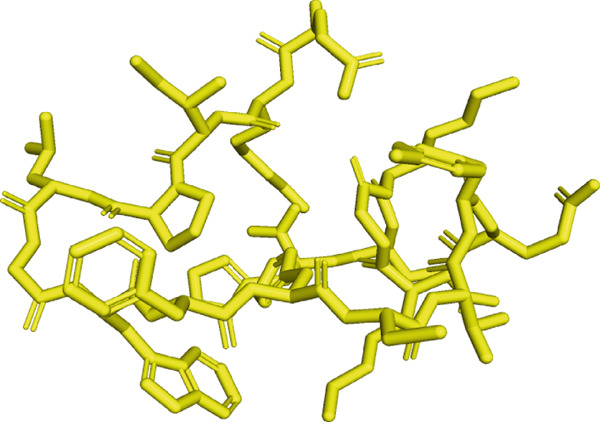 Figure 10
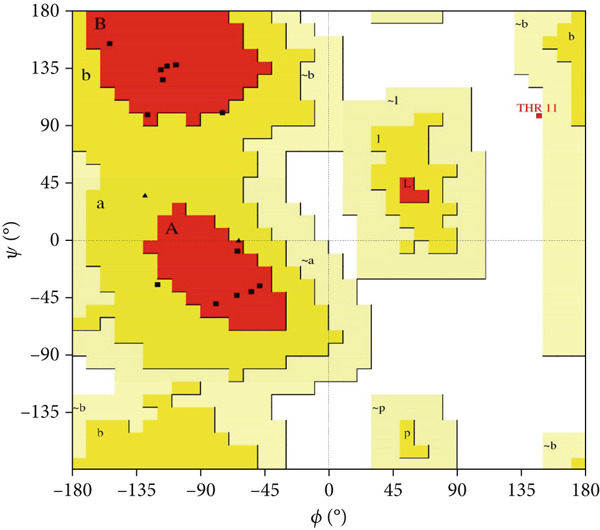 Figure 11
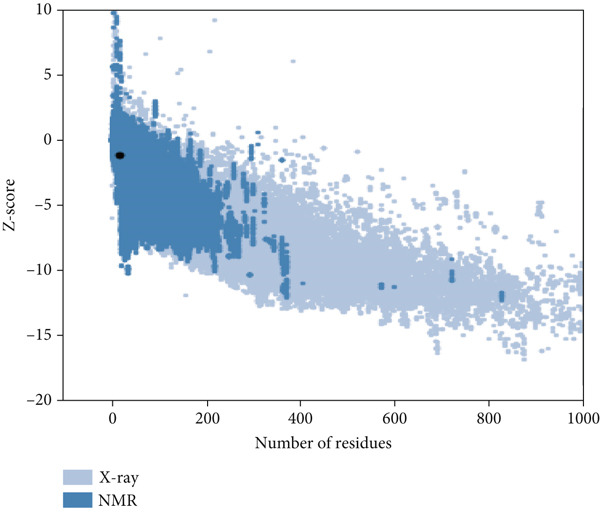 Figure 12
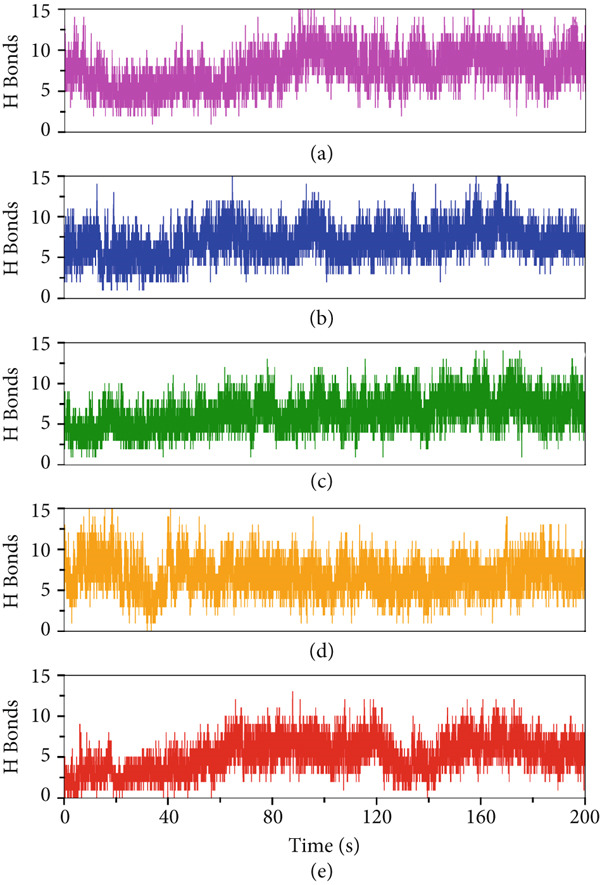 Figure 13
Peer Reviews
No public reviews on file for this paper yet. If you reviewed it on a platform where reviews are public (OpenReview, ICLR, NeurIPS, ICML), you can paste yours below so the community can read it here.
Videos
No videos yet. Explain this paper in a talk, walkthrough, or lecture? Add one.
Taxonomy
Topicsvaccines and immunoinformatics approaches · Antimicrobial Peptides and Activities · Viral Infections and Outbreaks Research