Annexin A2 Causes Motor Incoordination via Muscle–Cerebellum Axis in Sarcopenia
Xin Jiao, Zengguang Wang, Hanwen Chang, Yongjin Li, Binbin Wang, Xinfa Shao, Yuxin Zhang, Yixuan Lin, Xinlin Jia, Xianhao Zhou, Wentao Li, Dinghao Luo, Tanjun Deng, Xingzuan Lin, Chen Xu, Yaokai Gan, Dongyun Gu

TL;DR
This study identifies Annexin A2 as a key protein linking muscle loss and motor coordination issues in aging, and shows a natural compound can reverse these effects.
Contribution
The study reveals Annexin A2's role in the muscle-cerebellum axis and identifies isoliquiritigenin as a potential treatment for sarcopenia-related motor deficits.
Findings
ANXA2 is produced by aged skeletal muscles and contributes to muscle atrophy and motor incoordination.
Isoliquiritigenin inhibits ANXA2 and improves muscle and motor function in aged mice without adverse effects.
ANXA2 targets cerebellar Purkinje cells via CB2R, linking muscle and brain dysfunction in sarcopenia.
Abstract
Sarcopenia is a prevalent age‐related disorder characterized by progressive muscle atrophy. Impaired balance is one of its most critical clinical consequences, often leading to falling and even bone fractures. As the cerebellum plays a central role in regulating motor coordination, elucidating the molecular mechanisms underlying imbalance in sarcopenia, particularly those mediated by the muscle–cerebellum axis, remains an important yet unresolved question. 4D label‐free proteomics was employed to identify the key secretory protein mediating the interaction between muscles and cerebellums in young and aged mice. Annexin A2 (ANXA2), the candidate protein, was subsequently overexpressed using adeno‐associated virus (AAV), and its effects on both muscle and cerebellum were systematically examined. RNA‐sequencing was conducted to elucidate the molecular mechanisms underlying ANXA2 function…
Genes, proteins, chemicals, diseases, species, mutations and cell lines named across the full text — each resolved to its canonical identifier and authoritative record.
Click any figure to enlarge with its caption.
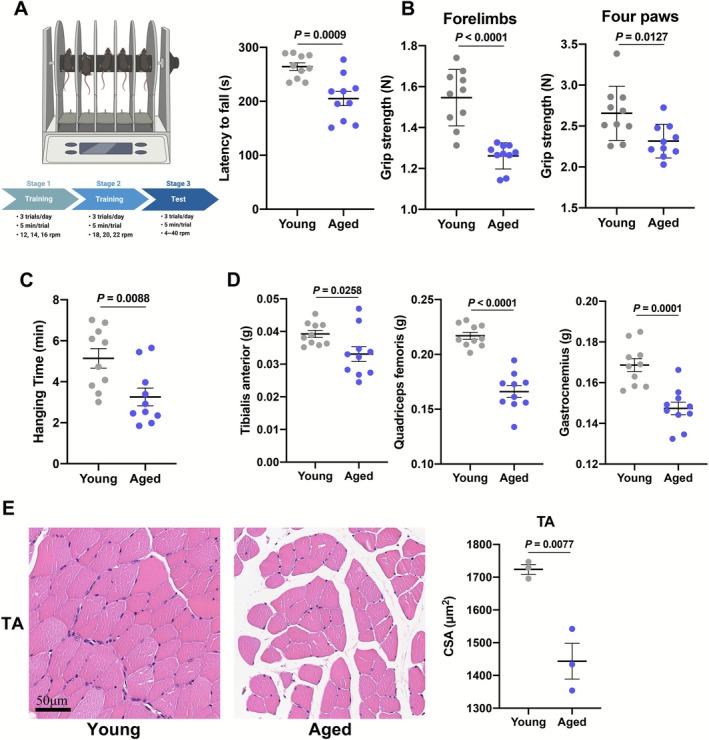 Figure 1
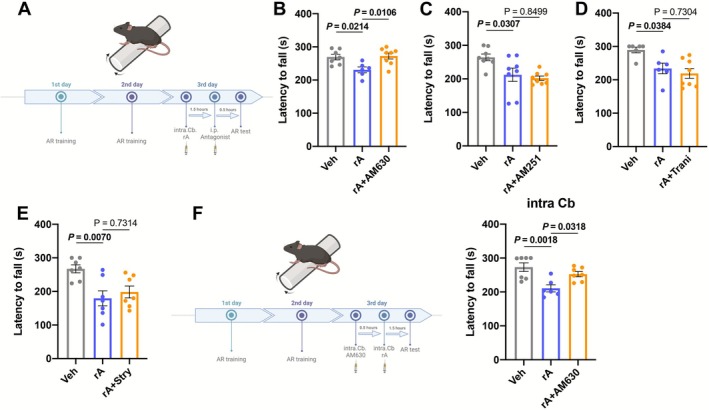 Figure 2
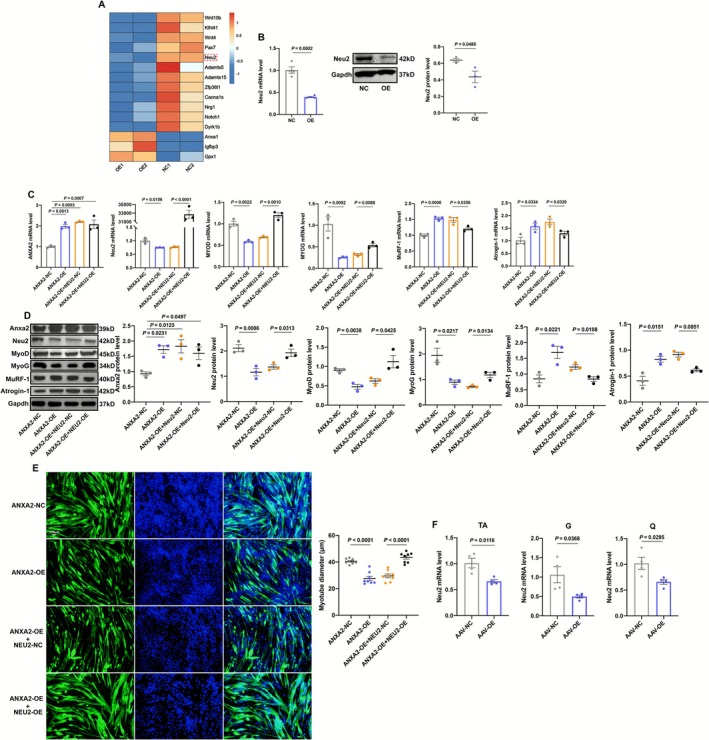 Figure 3
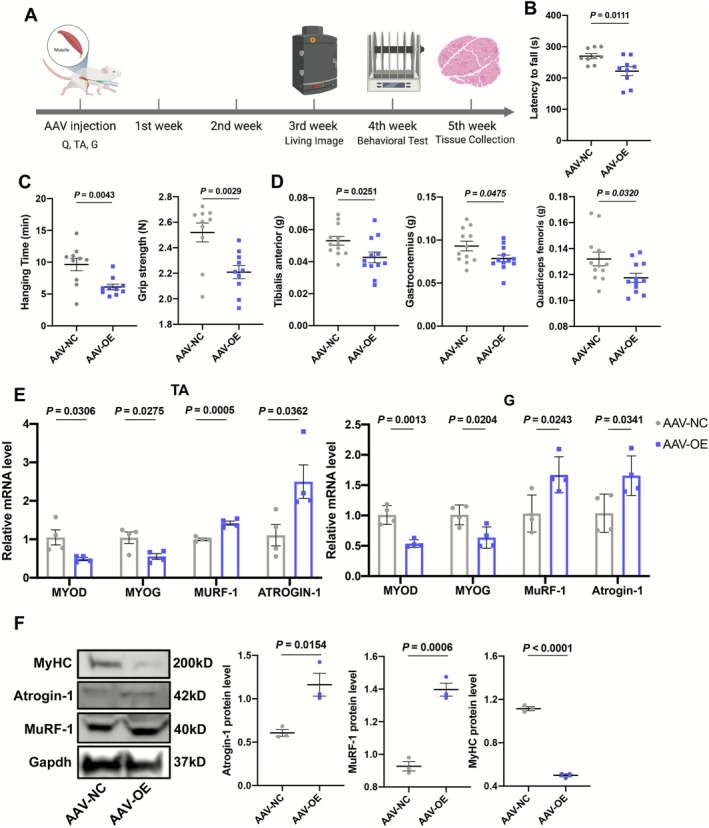 Figure 4
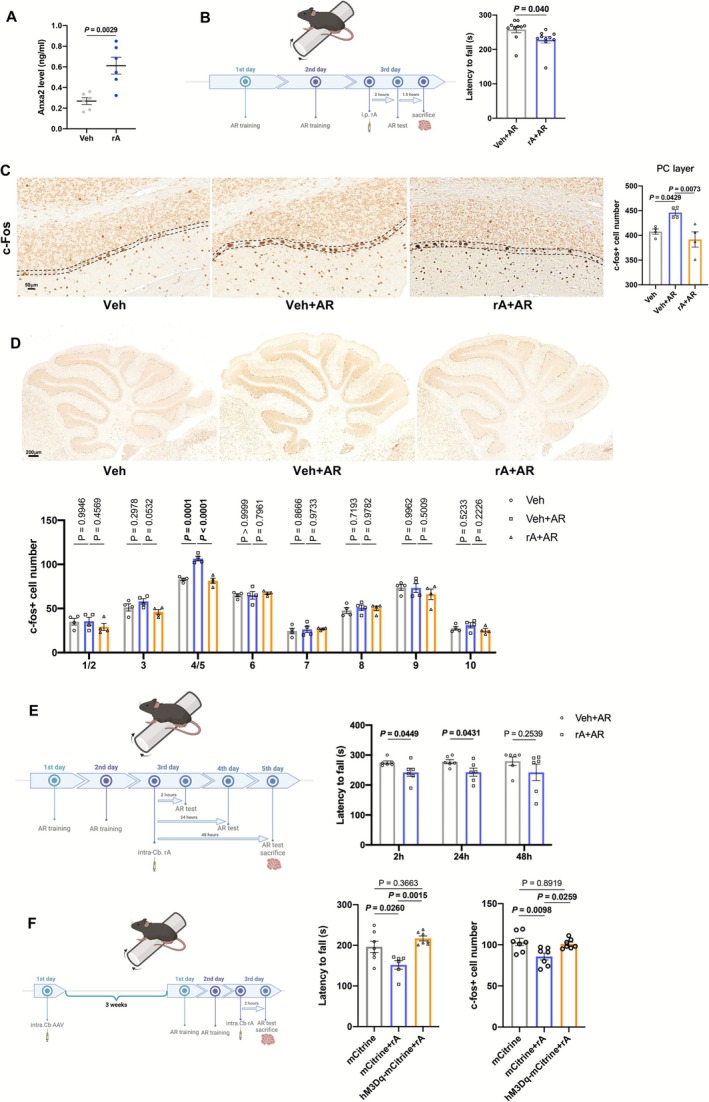 Figure 5
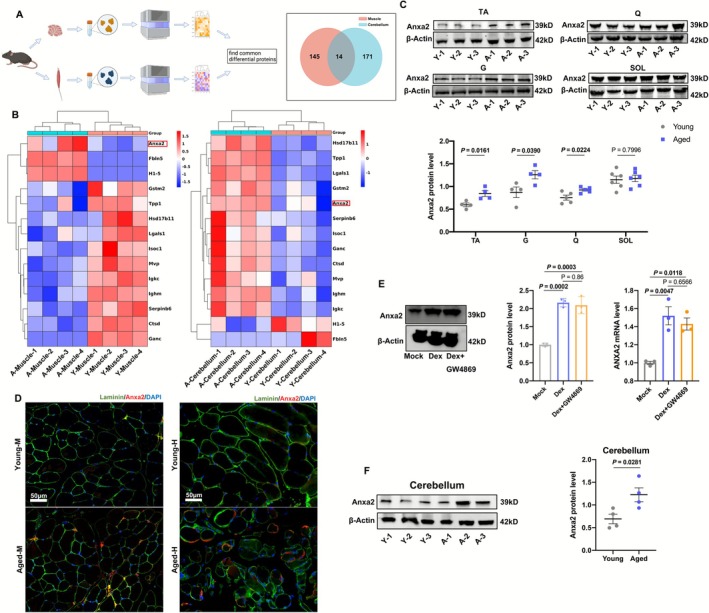 Figure 6
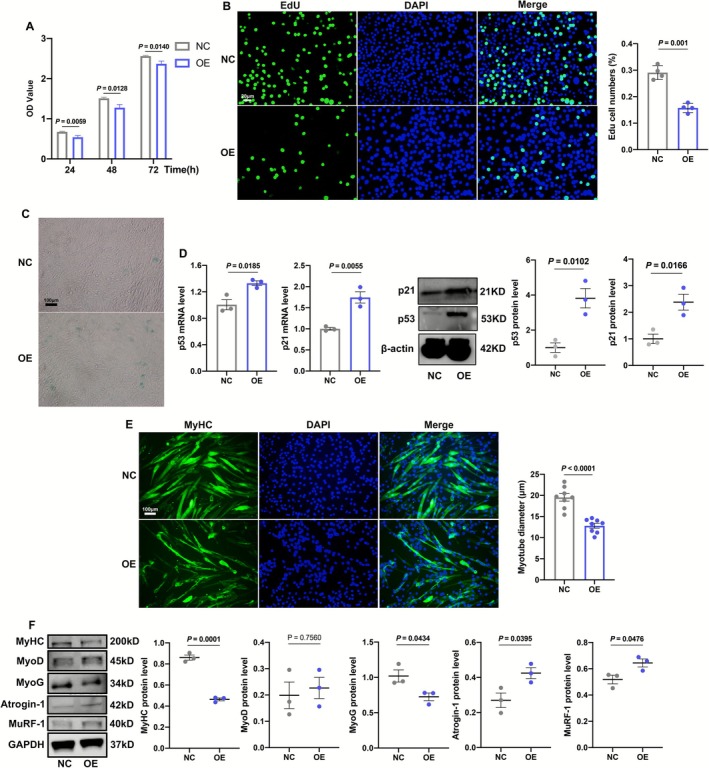 Figure 7
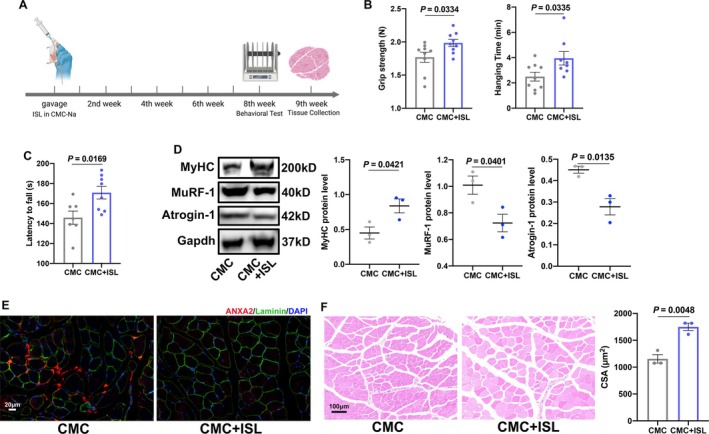 Figure 8
Peer Reviews
No public reviews on file for this paper yet. If you reviewed it on a platform where reviews are public (OpenReview, ICLR, NeurIPS, ICML), you can paste yours below so the community can read it here.
Videos
No videos yet. Explain this paper in a talk, walkthrough, or lecture? Add one.
Taxonomy
TopicsS100 Proteins and Annexins · Nutrition and Health in Aging · GDF15 and Related Biomarkers