Metabolic profiles of amino acids in patients with crohn’s disease-associated perianal fistulas and cryptoglandular anal fistulas
Kai Ma, Cong Hu, Yi Fu, Yu Liu, Feiyang Weng, Yibo Yao, Chen Wang

TL;DR
This study compares amino acid levels in two types of anal fistulas to identify potential biomarkers for diagnosis and treatment.
Contribution
The study identifies distinct amino acid metabolic profiles that could help differentiate Crohn’s disease-associated fistulas from cryptoglandular fistulas.
Findings
PFCD patients had significantly lower total serum amino acid concentrations than CAF patients.
13 amino acids were found to be differentially expressed between the two groups.
Eight amino acids were identified as potential diagnostic biomarkers.
Abstract
Crohn’s disease-associated perianal fistulas (PFCD) and Cryptoglandular anal fistulas (CAF) are two types of fistulas with similar clinical manifestations but distinct etiologies and therapeutic strategies. This study aims to investigate serum amino acid metabolic profiles in patients with CAF and PFCD based on UPLC-MS/MS. Serum samples were enrolled from newly diagnosed and treatment-naïve 36 patients with active PFCD and 36 patients with CAF as controls. Clinical characteristics were systematically documented. Serum concentrations of 25 amino acids were quantitatively determined using UPLC-MS/MS with isotopically labeled internal standards. Multivariate statistical analyses were employed to discriminate metabolic profiles between groups. Pathway enrichment analysis of differential amino acids was performed using Metabo Analyst 5.0. The PFCD cohort exhibited significantly lower total…
Genes, proteins, chemicals, diseases, species, mutations and cell lines named across the full text — each resolved to its canonical identifier and authoritative record.
Click any figure to enlarge with its caption.
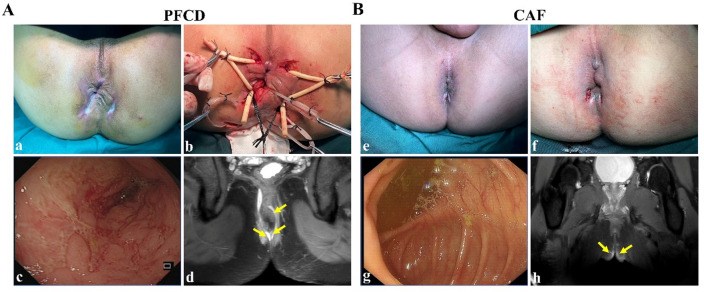 Figure 1
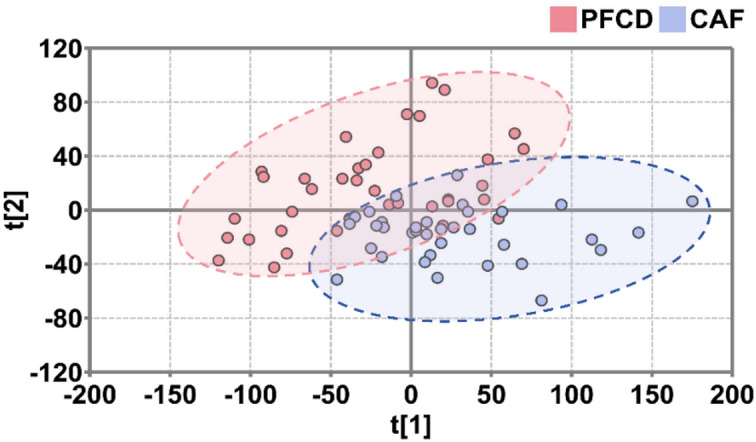 Figure 2
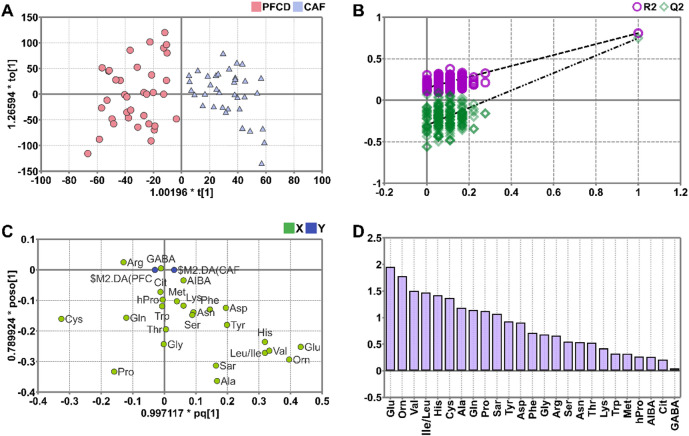 Figure 3
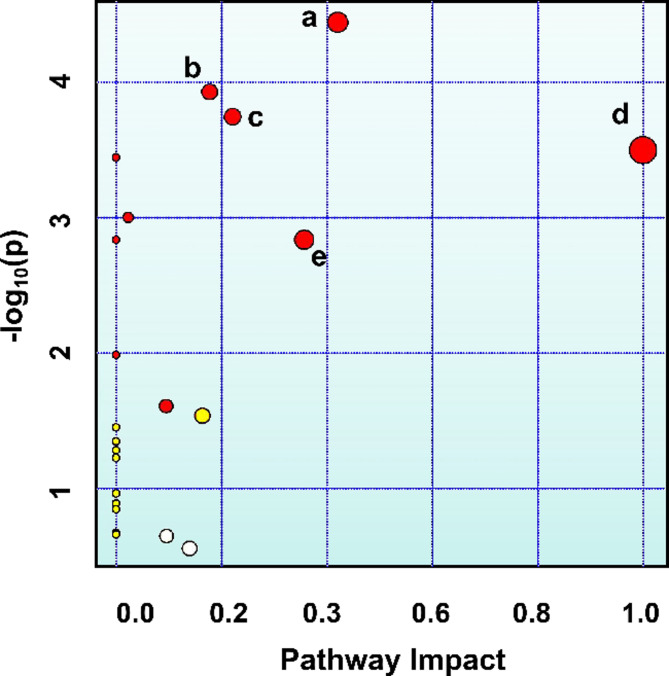 Figure 4
Peer Reviews
No public reviews on file for this paper yet. If you reviewed it on a platform where reviews are public (OpenReview, ICLR, NeurIPS, ICML), you can paste yours below so the community can read it here.
Videos
No videos yet. Explain this paper in a talk, walkthrough, or lecture? Add one.
Taxonomy
TopicsAnorectal Disease Treatments and Outcomes · Hidradenitis Suppurativa and Treatments · Diverticular Disease and Complications