Nanoplastic toxicity and uptake in kidney cells: differential effects of concentration, particle size, and polymer type
Hayden Louis Gillings, Darling M. Rojas-Canales, Soon Wei Wong, Kaustubh R. Bhuskute, Amandeep Kaur, Iliana Delcheva, Jonathan M. Gleadle, Melanie MacGregor

TL;DR
This study shows how nanoplastics affect kidney cells differently based on their type, size, and concentration, with some causing significant cell damage.
Contribution
The study reveals how polymer type, particle size, and concentration uniquely influence nanoplastic toxicity in kidney cells.
Findings
PE nanoplastics caused the largest reduction in cell viability at 200 µg/mL.
Smaller nanoplastics (15-20 nm) induced cell cycle arrest without major viability loss.
Nanoplastic internalization varied with polymer type and concentration.
Abstract
Nanoplastics (NPs, < 1 µm) are emerging environmental contaminants capable of crossing biological barriers and interacting at the cellular and subcellular level. Despite evidence of microplastics in human kidney tissue and urine, the renal effects of NPs remain poorly understood. This study investigated the short-term effects of NPs polymer type, size, and concentration on human kidney proximal tubule cells (HK-2). Cells were exposed for 24-h to carboxylated polystyrene (PS), poly(methyl methacrylate) (PMMA), and polyethylene (PE) NPs (15–100 nm) at concentrations from 0.1 to 200 µg/mL. NPs morphology, size, and charge were characterised by scanning electron microscopy, dynamic light scattering, and zeta potential. Cell morphology, viability, cell cycle distribution, and NPs internalisation were assessed by microscopy and flow cytometry. Low-concentration exposures had minimal effects,…
Genes, proteins, chemicals, diseases, species, mutations and cell lines named across the full text — each resolved to its canonical identifier and authoritative record.
Click any figure to enlarge with its caption.
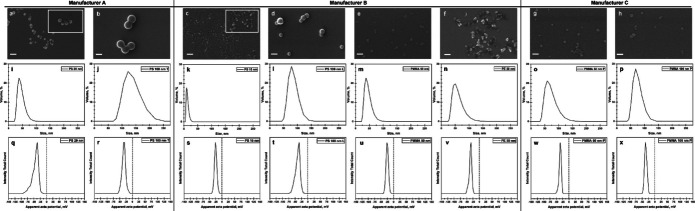 Figure 1
 Figure 2
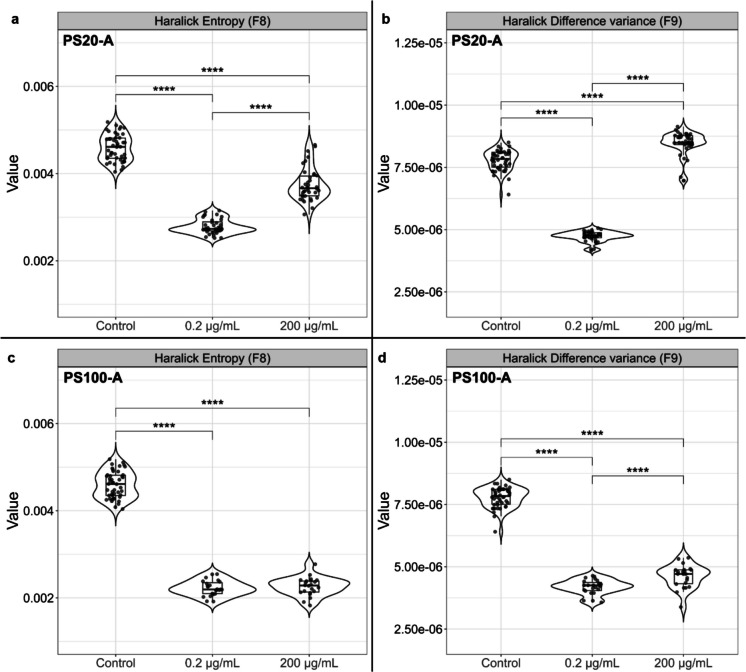 Figure 3
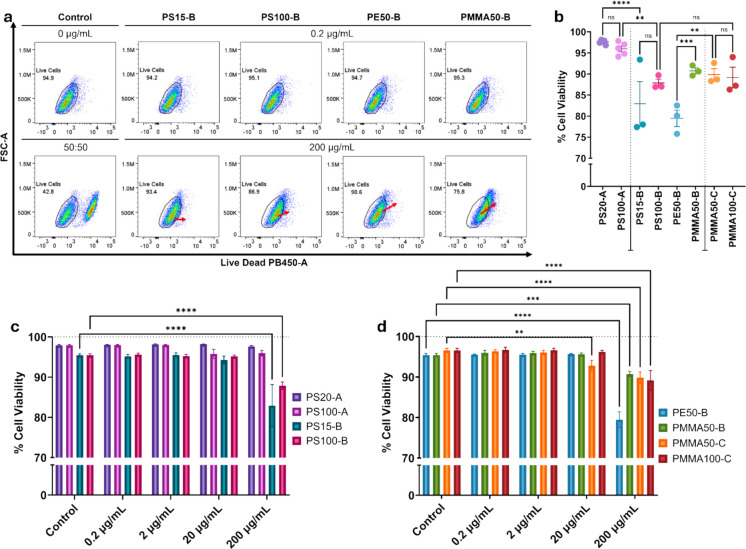 Figure 4
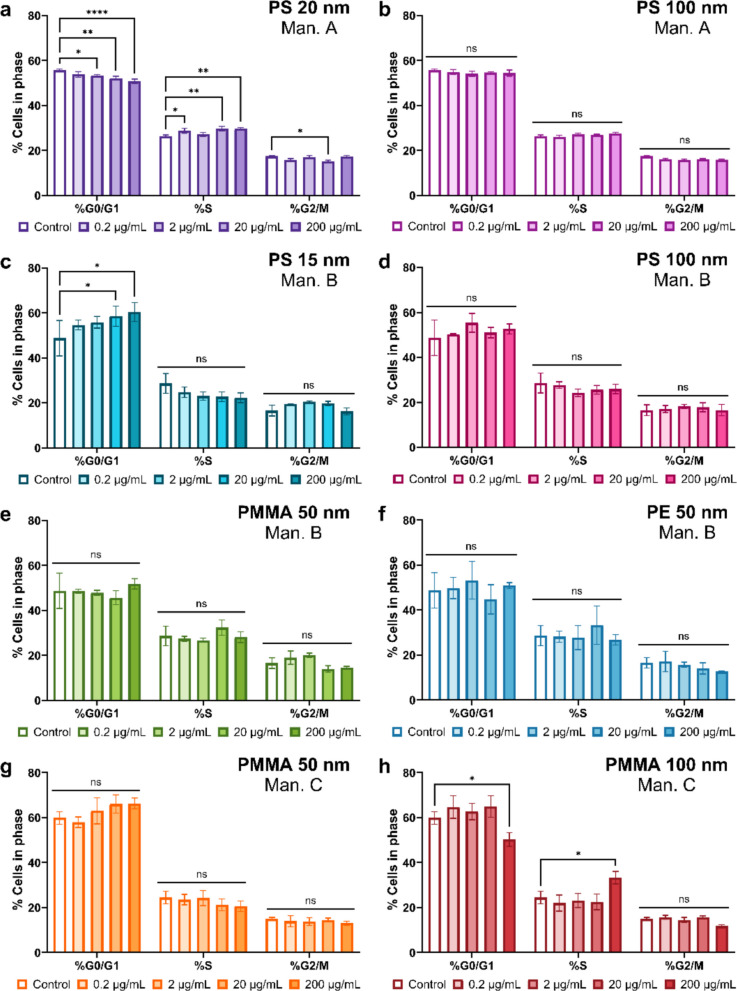 Figure 5
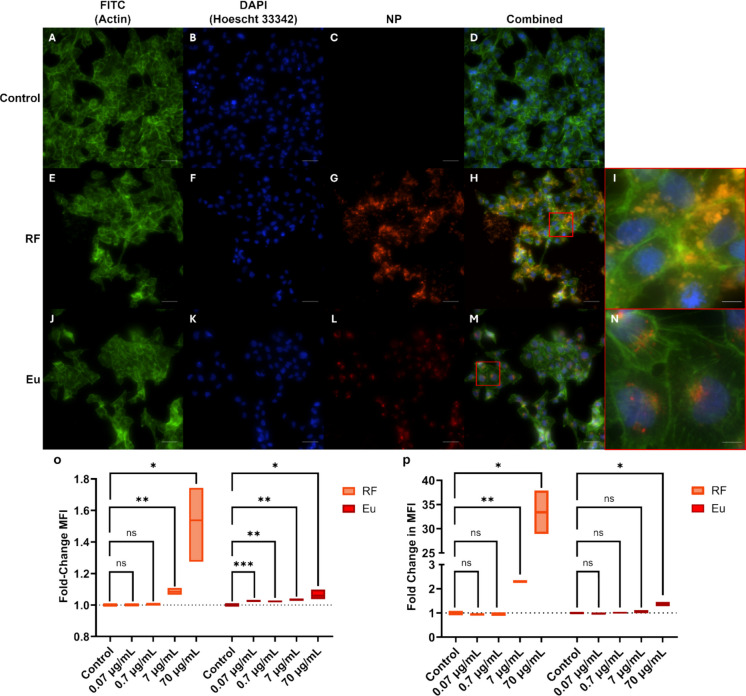 Figure 6
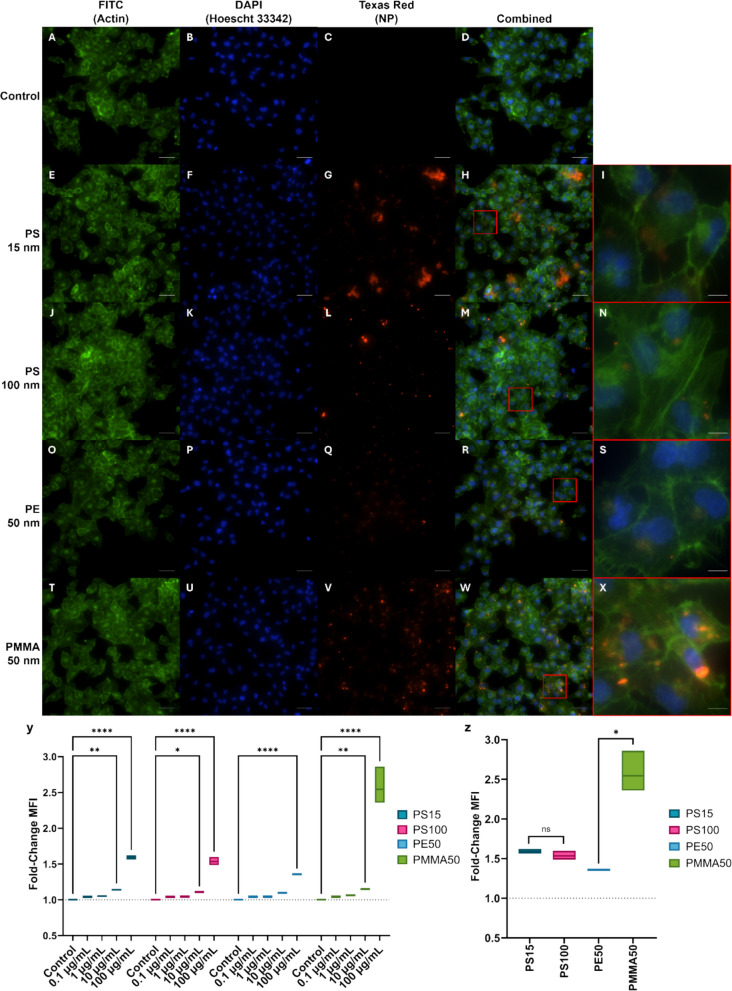 Figure 7
Peer Reviews
No public reviews on file for this paper yet. If you reviewed it on a platform where reviews are public (OpenReview, ICLR, NeurIPS, ICML), you can paste yours below so the community can read it here.
Videos
No videos yet. Explain this paper in a talk, walkthrough, or lecture? Add one.
Taxonomy
TopicsMicroplastics and Plastic Pollution · Effects and risks of endocrine disrupting chemicals · biodegradable polymer synthesis and properties