Self-assembling multilayer MSC-sheet promotes wound healing increasing M2 macrophage polarization
Qiannan Zhao, Michiharu Sakamoto, Jinya Liu, Yuanjiaozi Li, Hitoshi Kusano, Eiichi Sawaragi, Hang Dong, Hiroki Yamanaka, Naoki Morimoto

TL;DR
A self-assembling multilayer MSC-sheet improves wound healing by promoting M2 macrophage polarization and maintaining cell retention better than traditional MSC suspensions.
Contribution
The study introduces a self-assembling multilayer MSC-sheet that enhances wound healing through sustained cell retention and M2 macrophage polarization.
Findings
The MSC-sheet formed a multilayer structure with extracellular matrix and showed superior cell retention compared to MSC suspension.
MSC-sheet treatment induced greater M2 macrophage polarization and improved wound healing outcomes compared to controls.
RNA sequencing revealed 756 differentially expressed genes linked to wound healing, anti-inflammation, and macrophage polarization.
Abstract
Mesenchymal stem cell (MSC) therapy holds promise for treating chronic wounds. However, low cell density in the target tissue and short retention time limits its efficacy. This study investigated the therapeutic effects of the self-assembling multilayer MSC-sheet in a murine wound model, focusing on wound healing and macrophage infiltration. The MSC-sheet was prepared from human subcutaneous adipose tissue and characterized by histology and RNA sequencing. In vivo, the α-MEM (control), MSC-suspension, and MSC-sheet were applied to full-thickness skin defects in C57BL/6 J Jcl mice. On days 7, 14, and 21, the remaining wound area, neoepithelialization, granulation tissue, cell retention time, angiogenesis, and macrophage infiltration were evaluated using hematoxylin and eosin, Azan, anti-human nucleoli (HN), anti-CD31, anti-CD68, and anti-CD163 staining. Macrophage polarization was…
Genes, proteins, chemicals, diseases, species, mutations and cell lines named across the full text — each resolved to its canonical identifier and authoritative record.
Click any figure to enlarge with its caption.
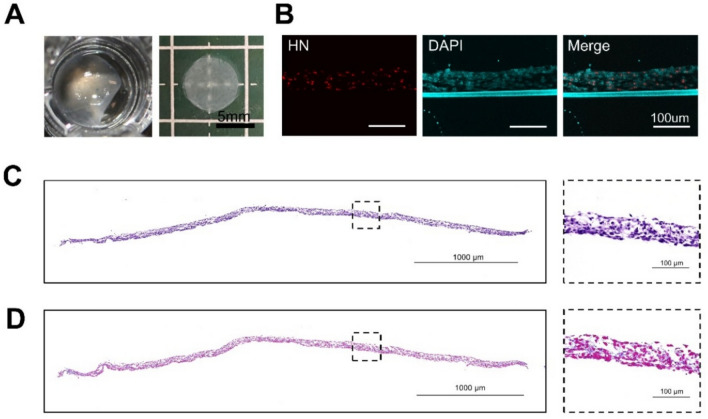 Figure 1
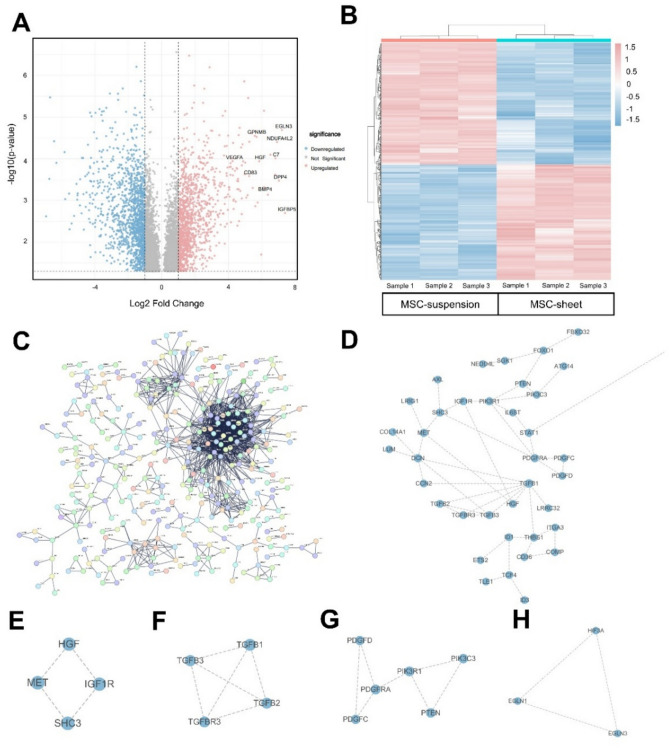 Figure 2
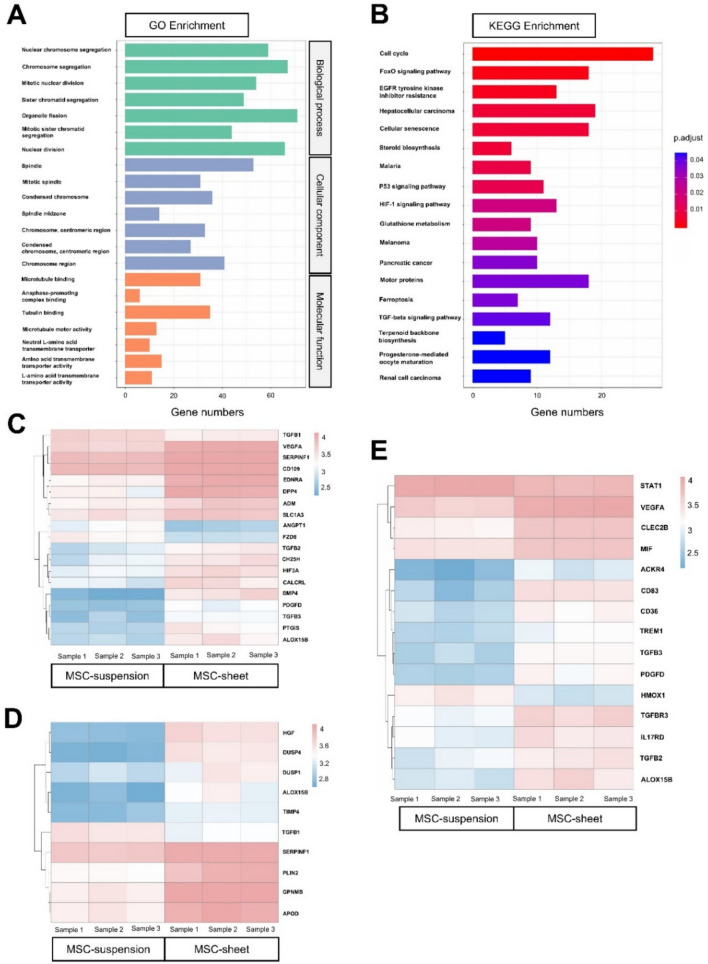 Figure 3
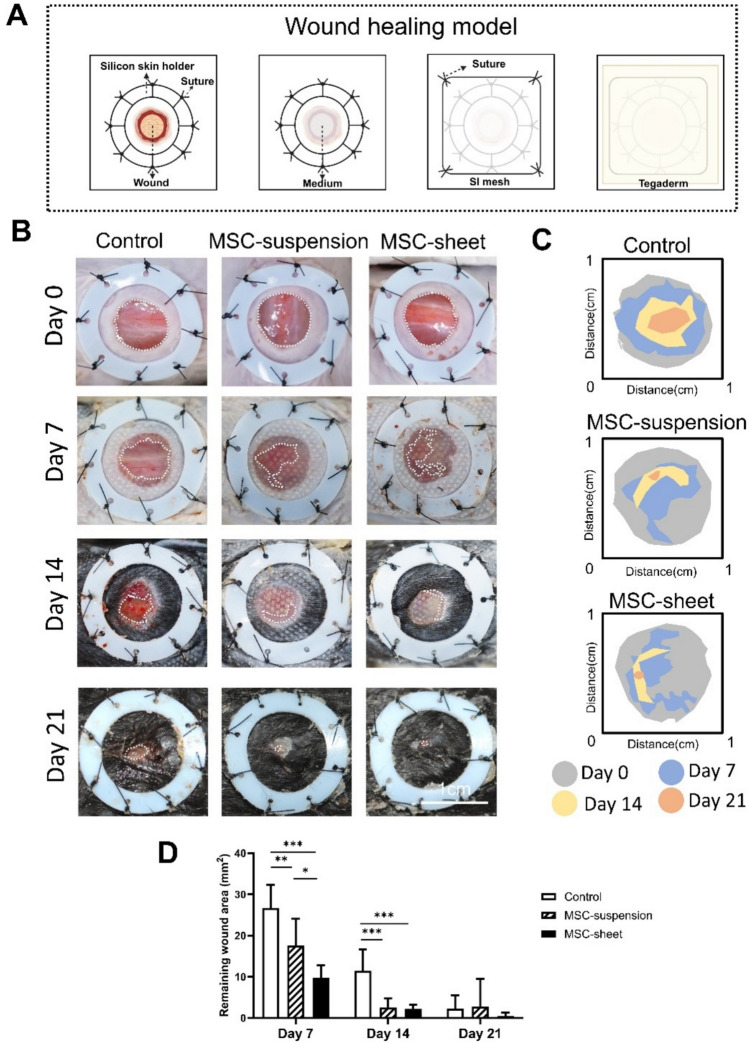 Figure 4
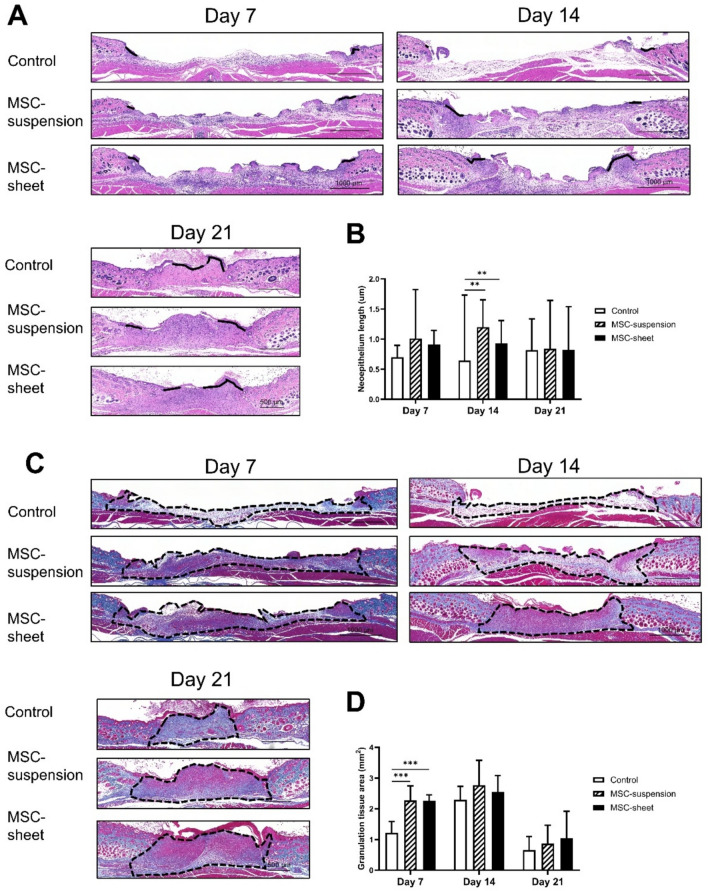 Figure 5
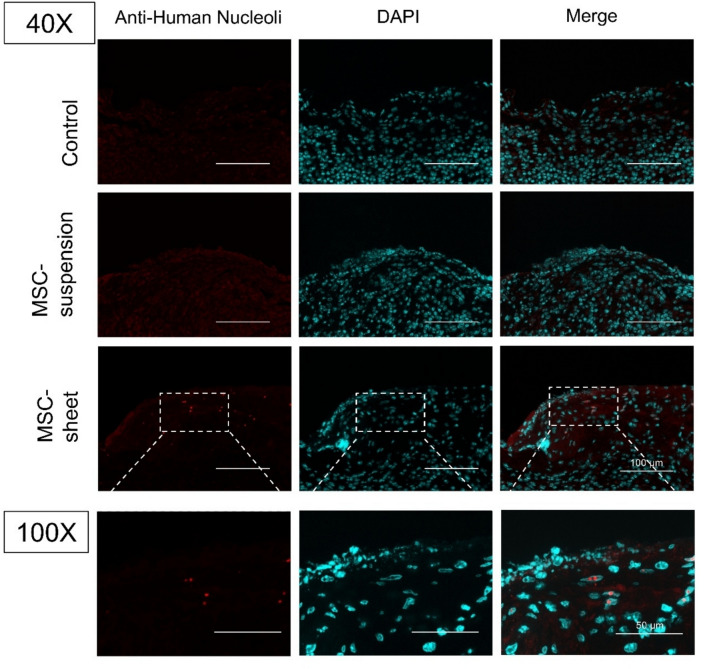 Figure 6
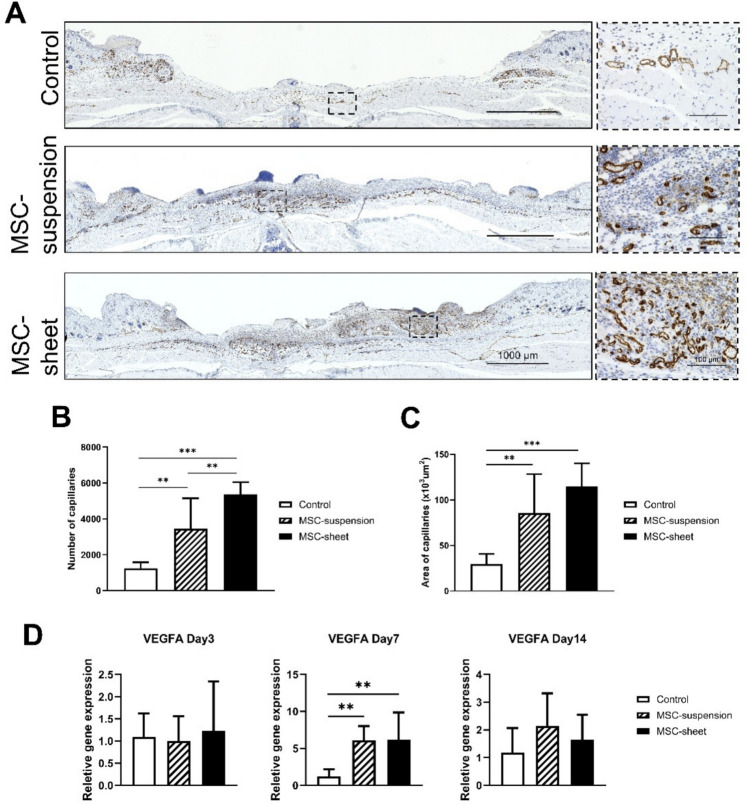 Figure 7
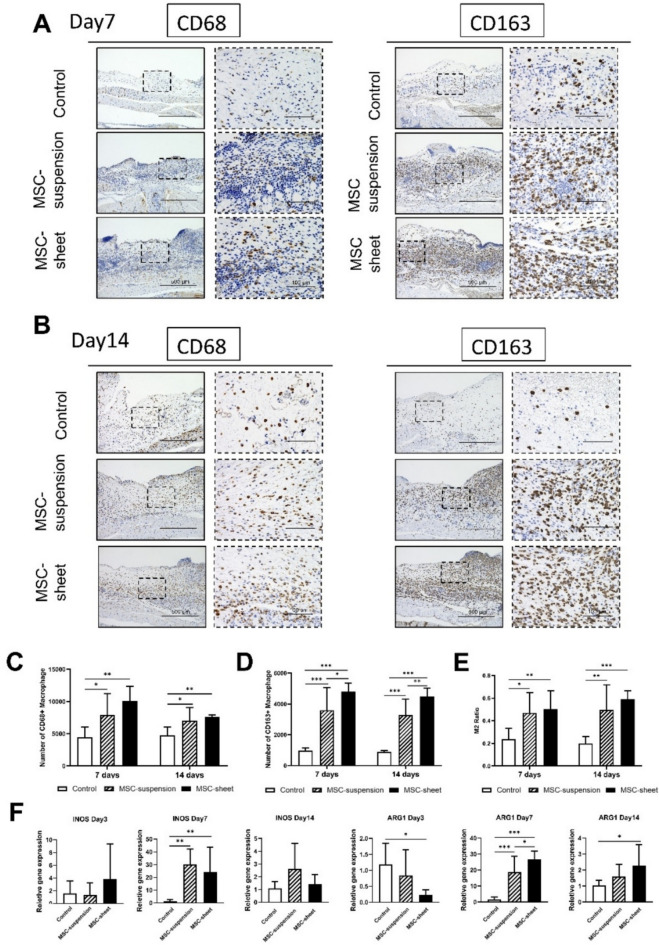 Figure 8
Peer Reviews
No public reviews on file for this paper yet. If you reviewed it on a platform where reviews are public (OpenReview, ICLR, NeurIPS, ICML), you can paste yours below so the community can read it here.
Videos
No videos yet. Explain this paper in a talk, walkthrough, or lecture? Add one.
Taxonomy
TopicsWound Healing and Treatments · Mesenchymal stem cell research · Tissue Engineering and Regenerative Medicine