Temperature and composition effects on fresh and hardened properties of slag-fly ash-silica fume alkali-activated grouting materials
Yu-chen Qian, Li Zhang, Wei-guo Qiao, Yan-zhi Li, Yue Wu, Yun-rui Zhao

TL;DR
This study explores how temperature and material composition affect the properties of eco-friendly grouting materials used in underground engineering.
Contribution
The study systematically examines temperature and composition effects on alkali-activated grouting materials under varied conditions.
Findings
Higher temperatures accelerated strength development but reduced fluidity and increased viscosity.
Microstructural analysis showed increased precursor dissolution and polymerized aluminosilicate networks at higher temperatures.
NMR results indicated a shift to higher-coordination silicate species with increased temperature.
Abstract
Growing concerns over carbon emissions from traditional cement have intensified interest in alkali-activated materials (AAM) as sustainable alternatives. In grouting applications, key performance parameters such as strength, fluidity, viscosity, setting time, and bleeding rate are strongly influenced by both material composition and curing temperature. As underground engineering projects extend deeper, environmental temperatures gradually increase from ambient to 60 °C with depth, yet limited room-temperature studies on alkali-activated grouting materials (AAGM) cannot fully meet engineering requirements across temperature conditions. This study systematically investigated the effects of temperature (20 °C, 40 °C, 60 °C) and composition (including precursor ratios, activator modulus, and liquid-to-solid ratio) on the behavior of ternary slag-fly ash-silica fume AAGM. A comprehensive…
Genes, proteins, chemicals, diseases, species, mutations and cell lines named across the full text — each resolved to its canonical identifier and authoritative record.
Click any figure to enlarge with its caption.
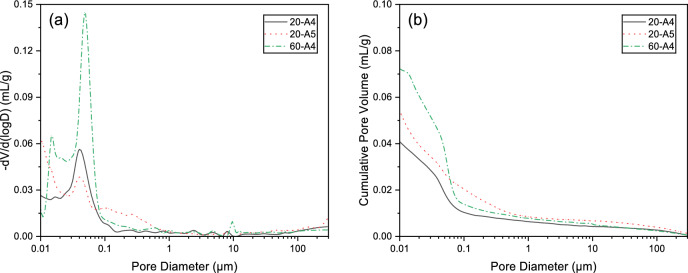 Figure 10
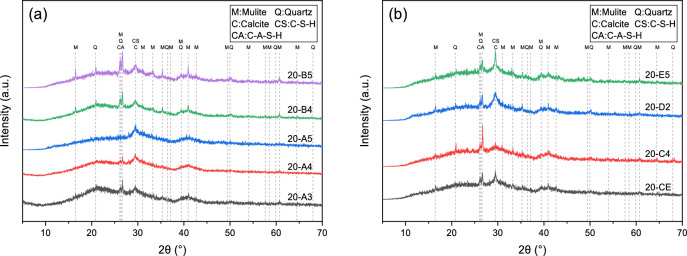 Figure 11
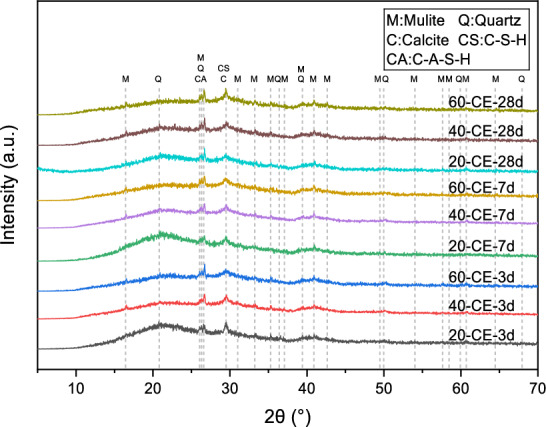 Figure 12
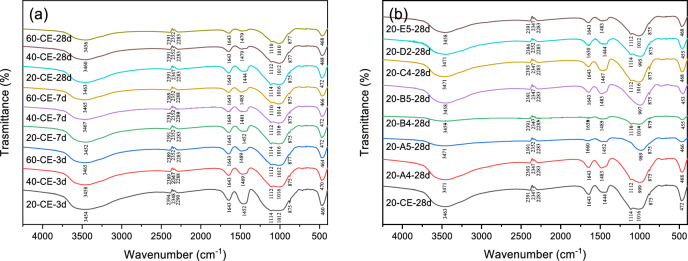 Figure 13
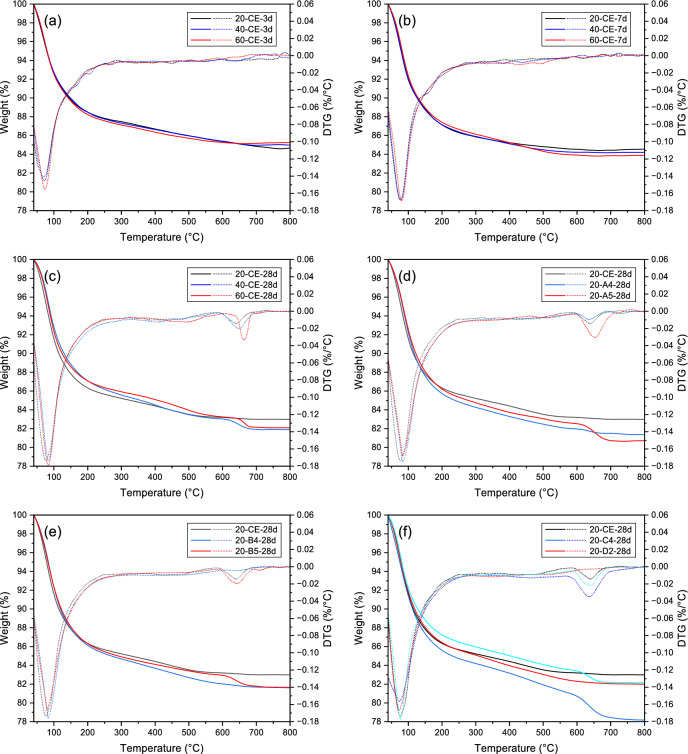 Figure 14
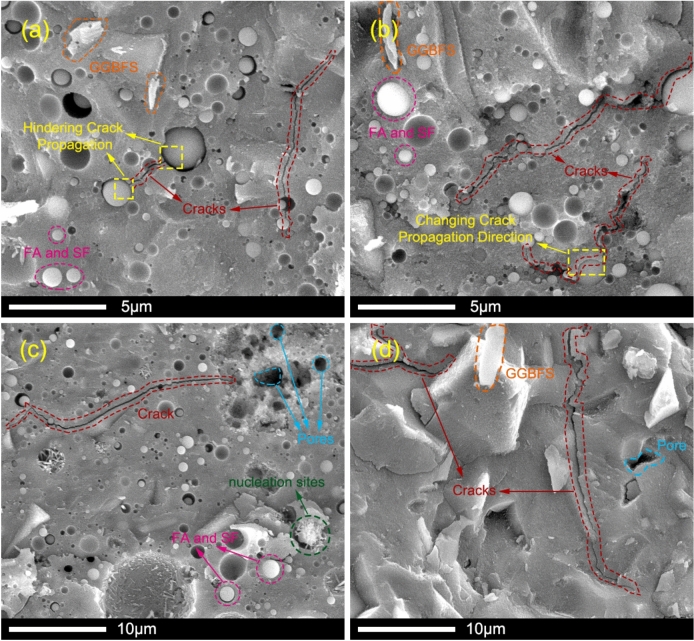 Figure 15
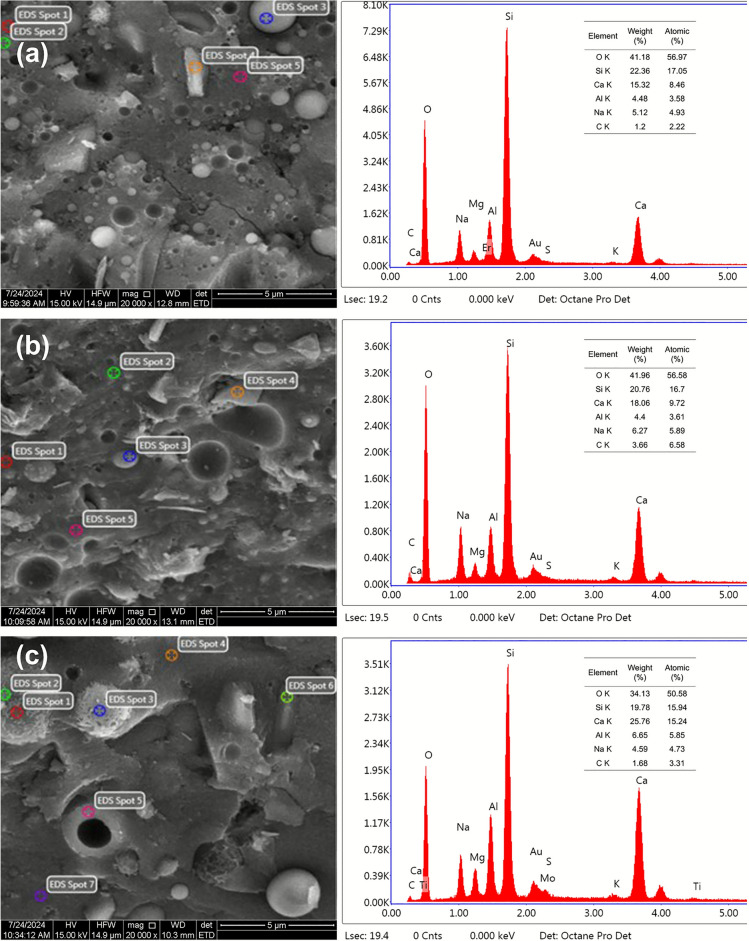 Figure 16
 Figure 17
 Figure 18
 Figure 19
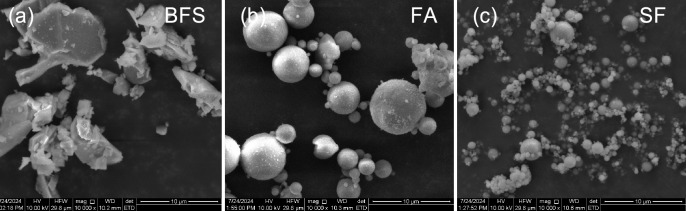 Figure 1
 Figure 20
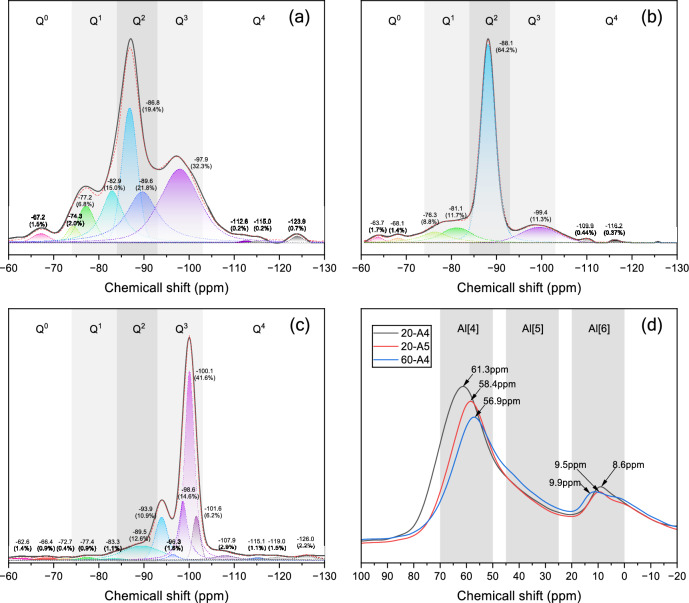 Figure 21
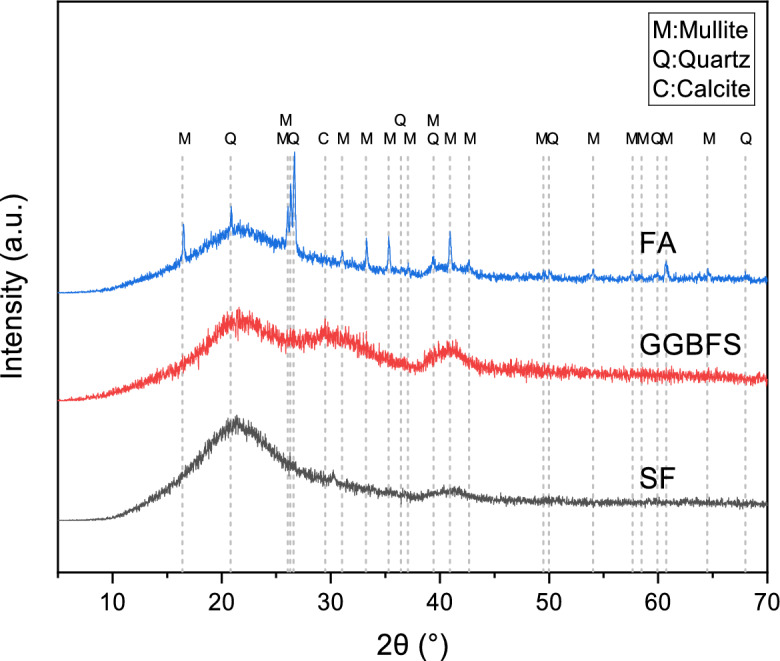 Figure 2
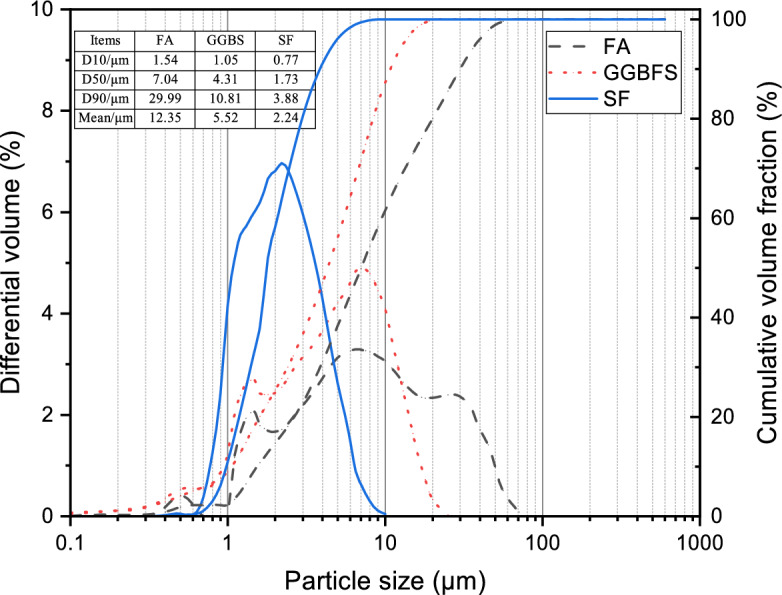 Figure 3
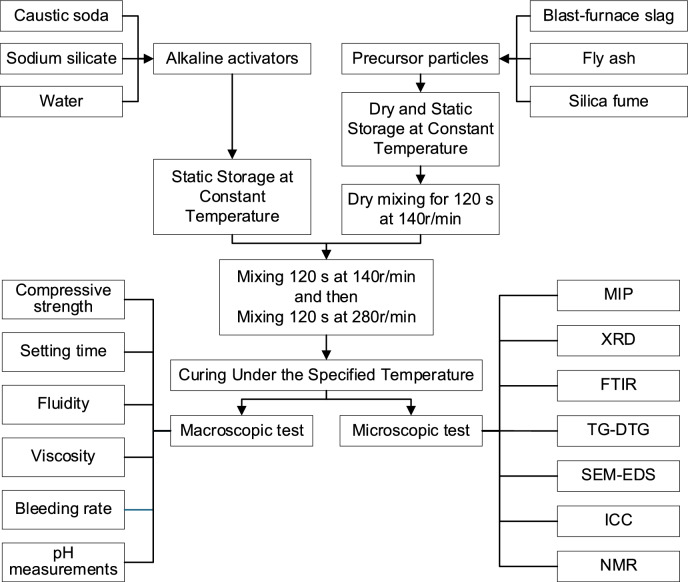 Figure 4
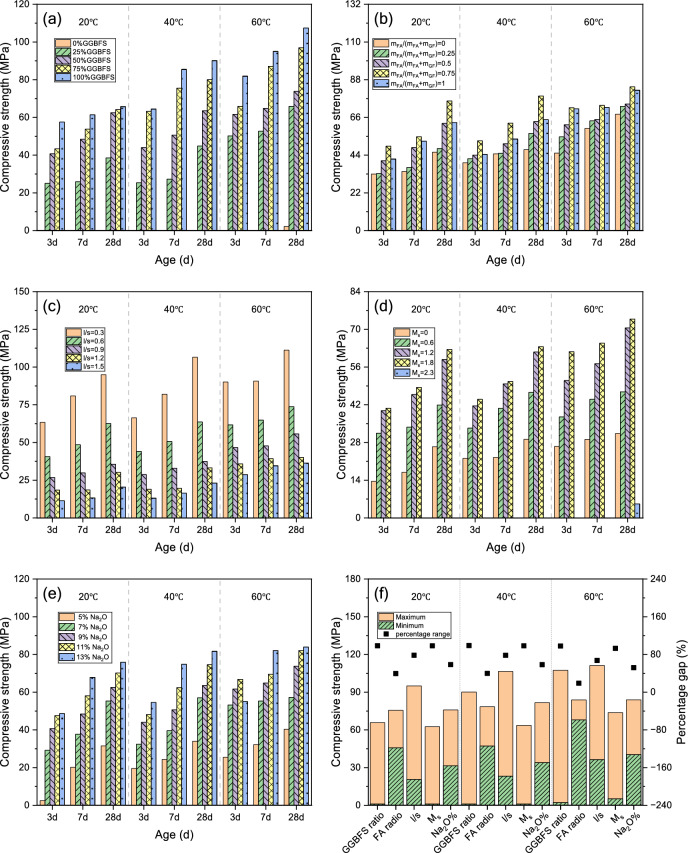 Figure 5
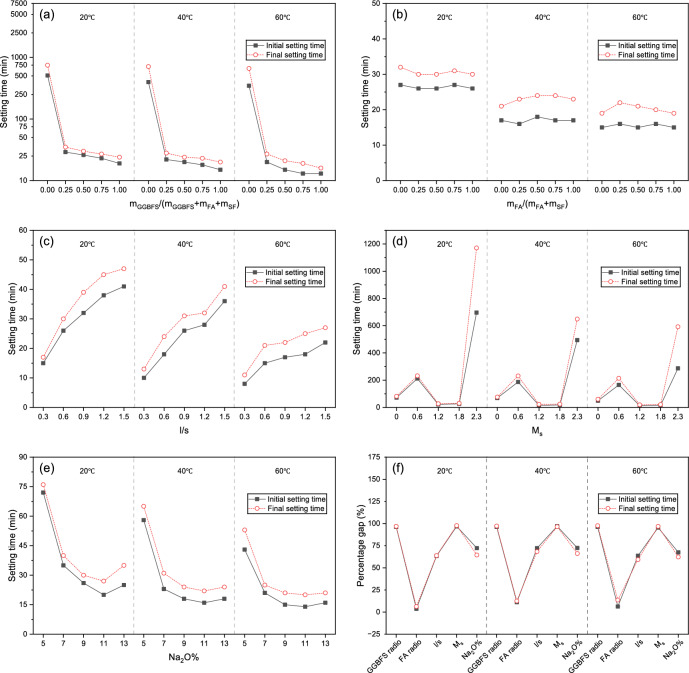 Figure 6
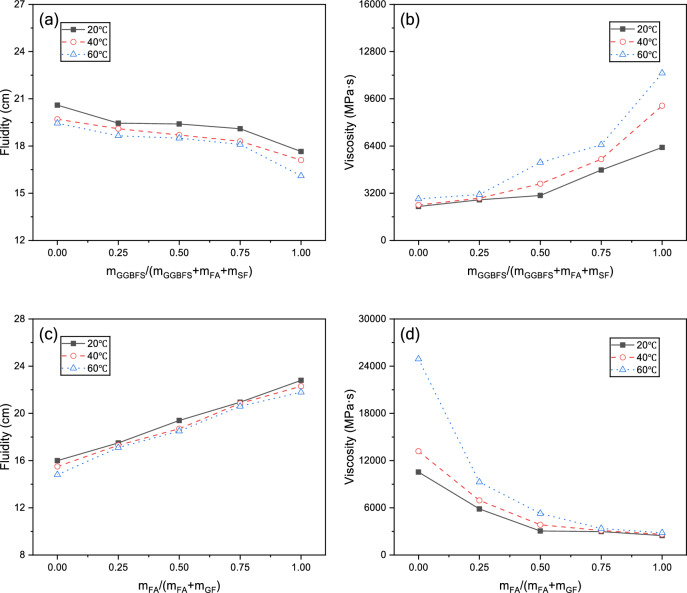 Figure 7
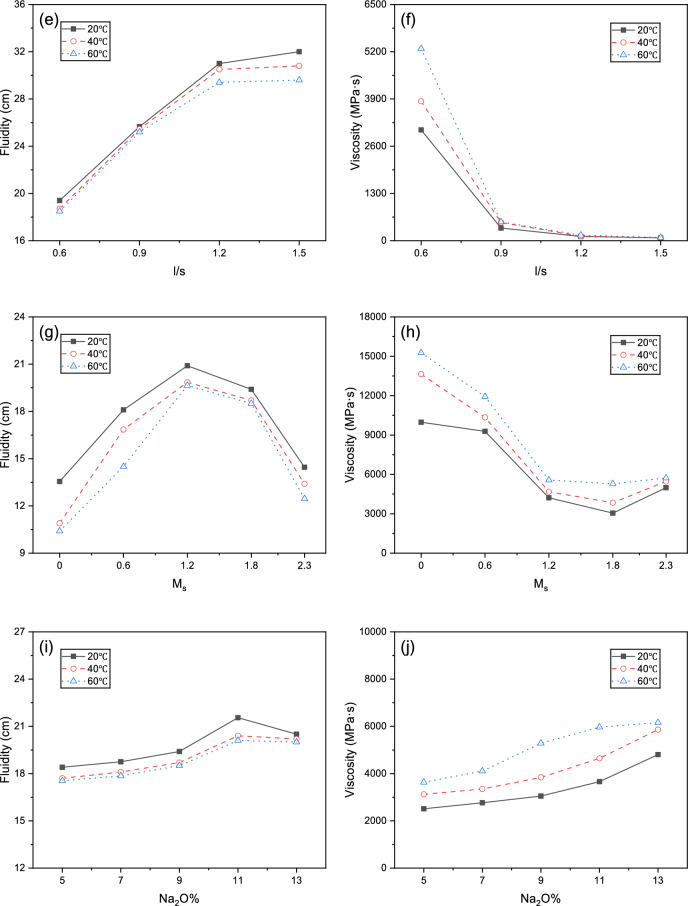 Figure 7
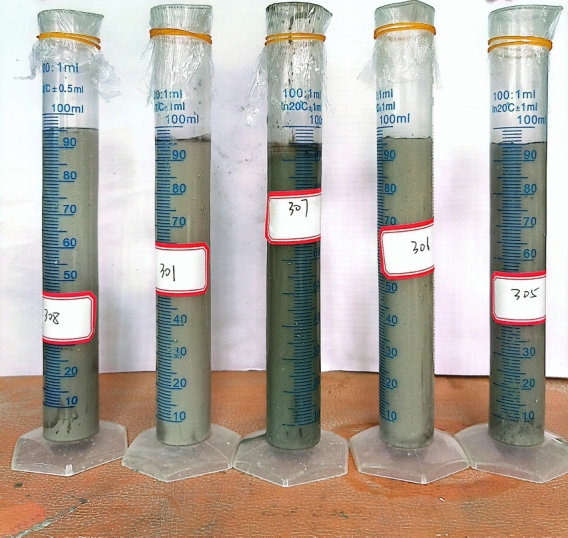 Figure 8
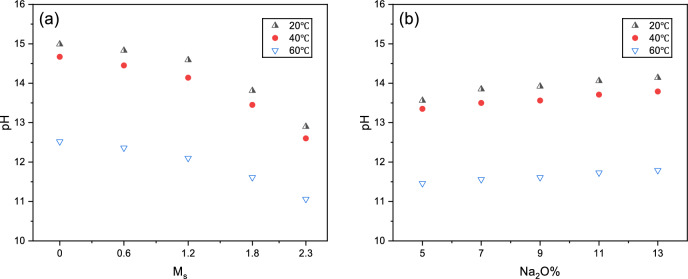 Figure 9
Peer Reviews
No public reviews on file for this paper yet. If you reviewed it on a platform where reviews are public (OpenReview, ICLR, NeurIPS, ICML), you can paste yours below so the community can read it here.
Videos
No videos yet. Explain this paper in a talk, walkthrough, or lecture? Add one.
Taxonomy
TopicsConcrete and Cement Materials Research · Grouting, Rheology, and Soil Mechanics · Microbial Applications in Construction Materials