Targeting mGlyR with nanobodies for depression
Thibaut Laboute, Stefano Zucca, Omar K. Sial, Mansi Sharma, Gloria Brunori, Shikha Singh, KV Nageswar, Haiyong Peng, Christoph Rader, Jérôme AJ Becker, Julie Le Merrer, Appu K. Singh, Kirill A. Martemyanov

TL;DR
This study explores using nanobodies to target a glycine receptor linked to depression, showing promising antidepressant effects in mice.
Contribution
The paper introduces a novel nanobody-based immunotherapy targeting mGlyR for depression treatment.
Findings
Intranasal delivery of nanobodies produced rapid and lasting antidepressant effects in a mouse model.
The atomic structure of mGlyR bound to the nanobody was solved, revealing its mechanism of action.
Nanobodies inhibit mGlyR's regulation of G protein signaling, impacting neural circuitry.
Abstract
Development of therapies for neuropsychiatric conditions is one of the greatest challenges of modern medicine. Common limitations of traditional small molecule drugs include poor efficacy, off-target side effects and difficult druggability of many targets. In this study, we report a different approach deploying small engineered single domain antibodies, known as nanobodies, for the treatment of depression, a prevalent neuropsychiatric condition. We develop highly selective nanobodies for a recently discovered glycine receptor mGlyR crucially linked to pathophysiology of depression. Using a mouse model of stress-induced depression, we show that non-invasive intranasal delivery of nanobody produces rapid and lasting anti-depressant effect. We solve an atomic structure of mGlyR bound to nanobody and use a variety of cell-based approaches to reveal the mechanism of mGlyR modulation and its…
Genes, proteins, chemicals, diseases, species, mutations and cell lines named across the full text — each resolved to its canonical identifier and authoritative record.
Click any figure to enlarge with its caption.
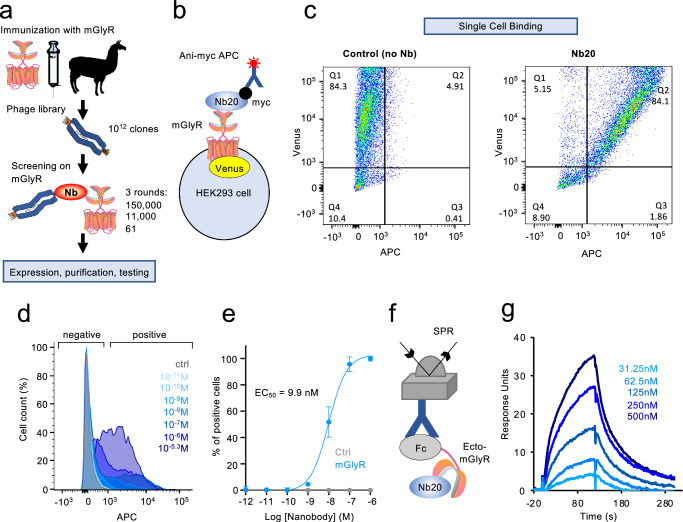 Figure 1
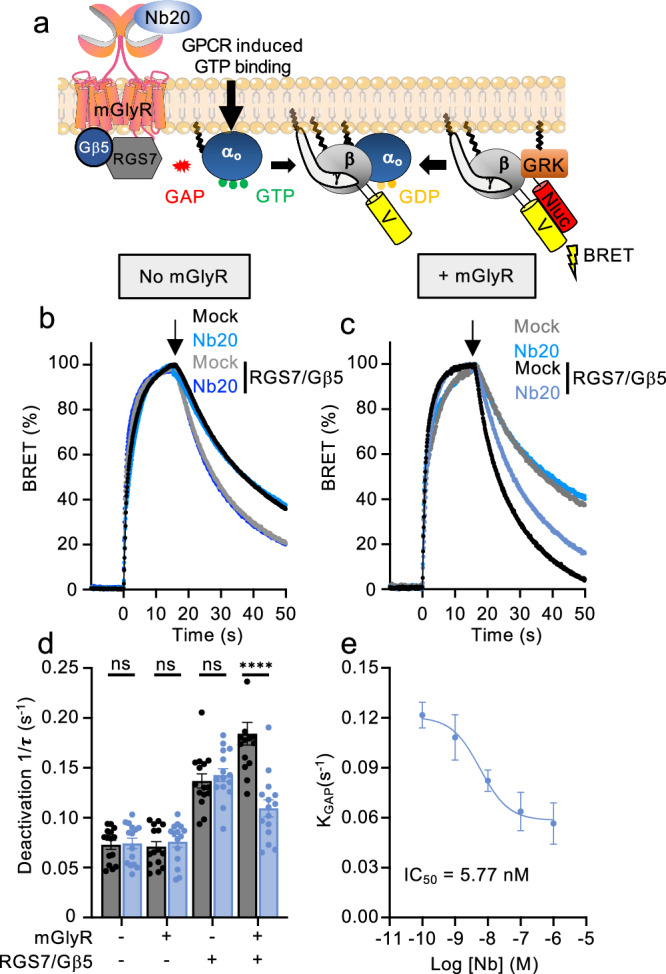 Figure 2
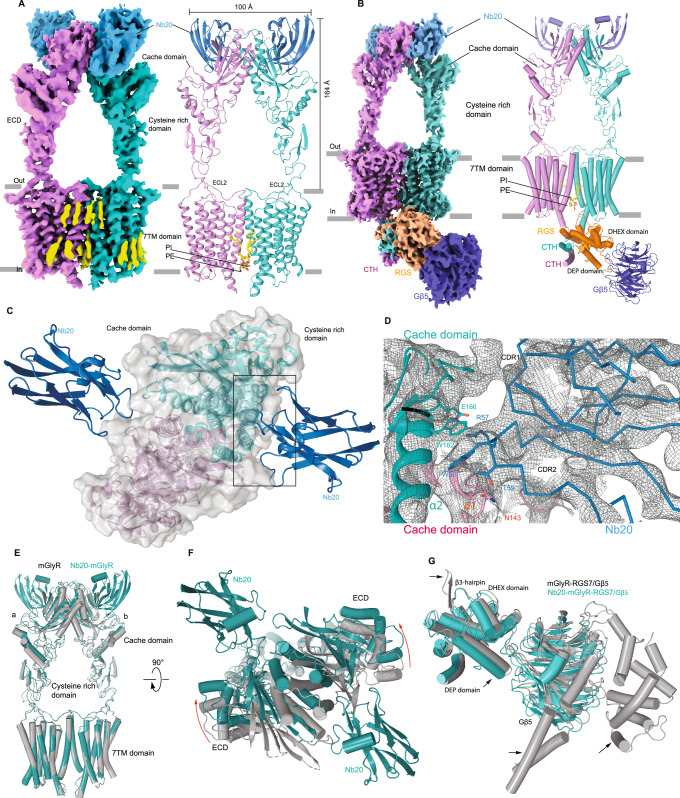 Figure 3
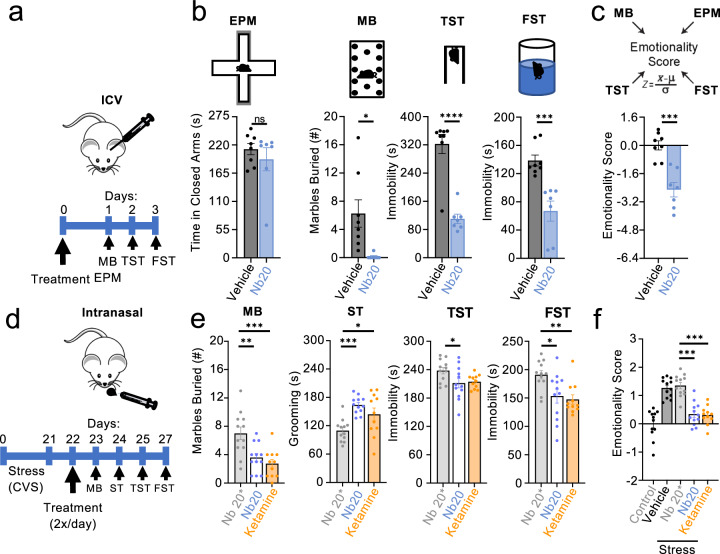 Figure 4
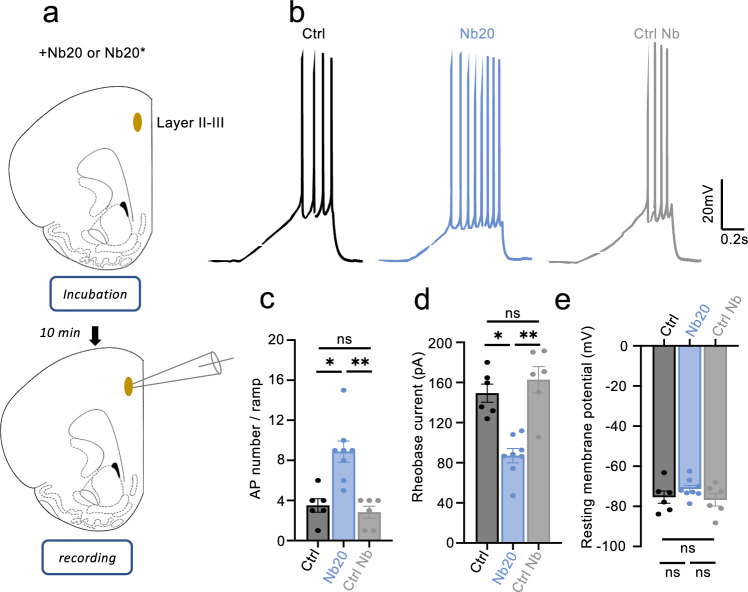 Figure 5
Peer Reviews
No public reviews on file for this paper yet. If you reviewed it on a platform where reviews are public (OpenReview, ICLR, NeurIPS, ICML), you can paste yours below so the community can read it here.
Videos
No videos yet. Explain this paper in a talk, walkthrough, or lecture? Add one.
Taxonomy
TopicsMonoclonal and Polyclonal Antibodies Research · Advanced Biosensing Techniques and Applications · Transgenic Plants and Applications