PIPI-C: A Combinatorial Optimization Framework for Identifying Post-translational Modification Hot-spots in Mass Spectrometry Data
Shengzhi Lai, Shuaijian Dai, Peize Zhao, Chen Zhou, Ning Li, Weichuan Yu

TL;DR
PIPI-C is a new computational tool that identifies complex post-translational modification patterns in cancer mass spectrometry data, revealing disease-related regulatory mechanisms.
Contribution
PIPI-C introduces a mixed integer linear programming model to efficiently detect high-order PTM combinations, overcoming previous computational limitations.
Findings
PIPI-C detects PTM combinations in large-scale cancer datasets with superior performance.
50% of LSCC UPSPs contain two or more PTMs, including known crosstalk patterns.
Upregulated PTM combinations in COAD and GBM align with literature-supported relevance.
Abstract
Post-translational modifications (PTMs) are pivotal in cellular regulations, and their crosstalk is related to various diseases such as cancer. Given the prevalence of PTM crosstalk within close amino acid ranges, identifying peptides with multiple PTMs is essential. However, this task is an NP-hard combinatorial problem with exponential complexity, posing significant challenges for existing analysis methods. Here, we introduce PIPI-C (PTM-Invariant Peptide Identification with a Combinatorial model), a novel search engine that addresses this challenge through a mixed integer linear programming (MILP) model, thereby overcoming the limitations of existing approaches that struggle with high-order PTM combinations. Rigorous validation across diverse datasets confirms PIPI-C’s superior performance in detecting PTM combinations. When applied to over 72 million mass spectra of three human…
Genes, proteins, chemicals, diseases, species, mutations and cell lines named across the full text — each resolved to its canonical identifier and authoritative record.
Click any figure to enlarge with its caption.
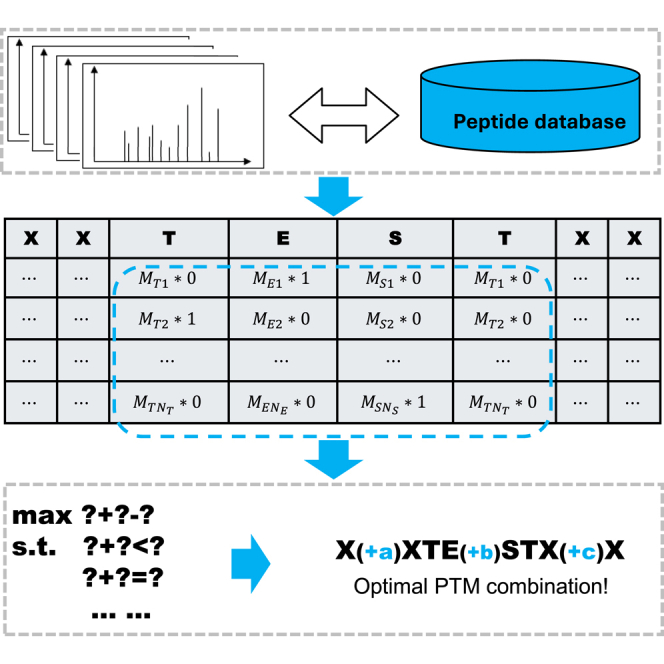 Figure 1
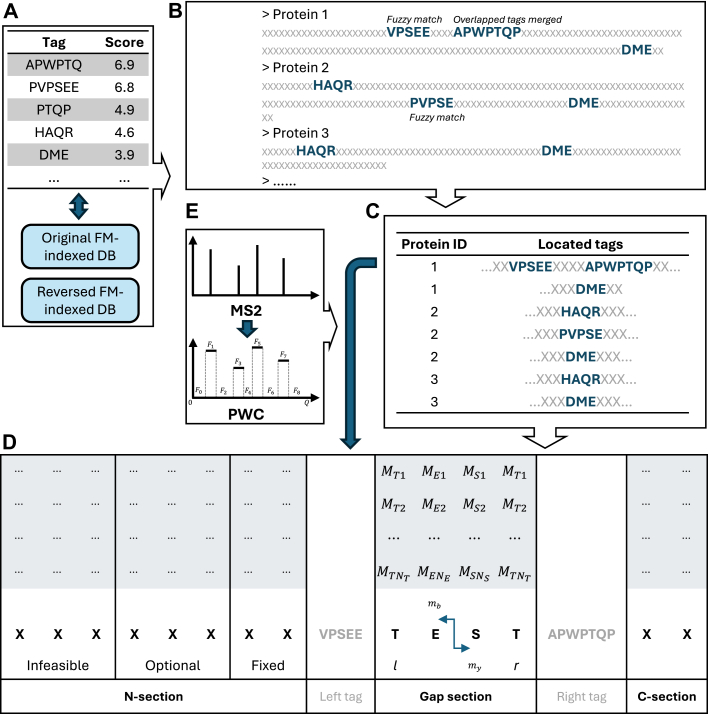 Figure 2
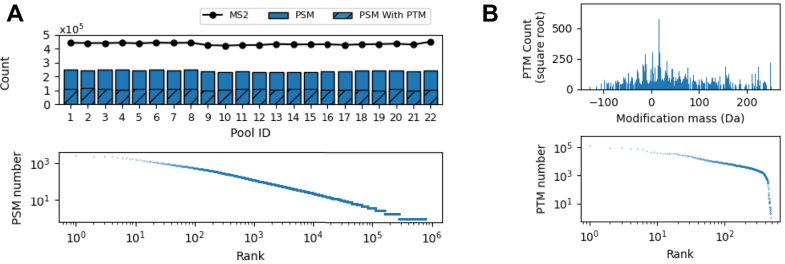 Figure 3
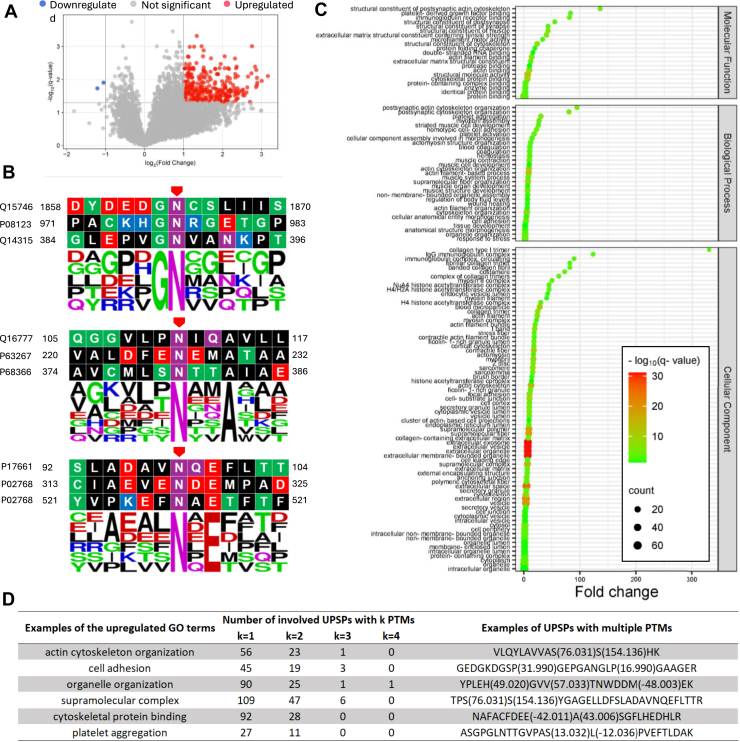 Figure 4
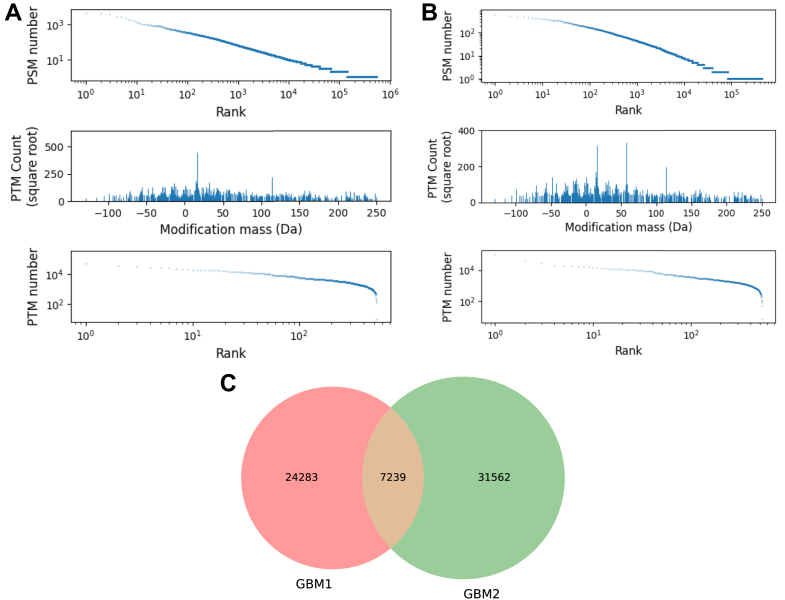 Figure 5
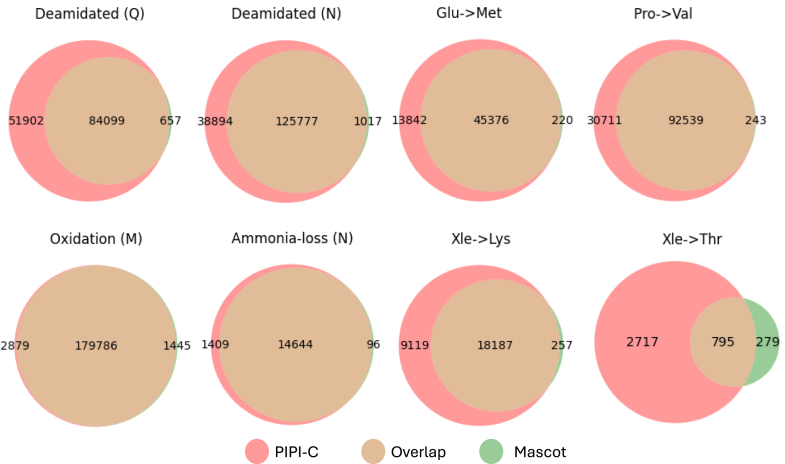 Figure 6
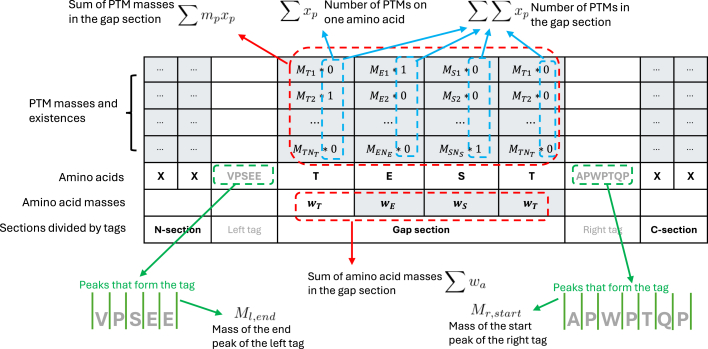 Figure 7
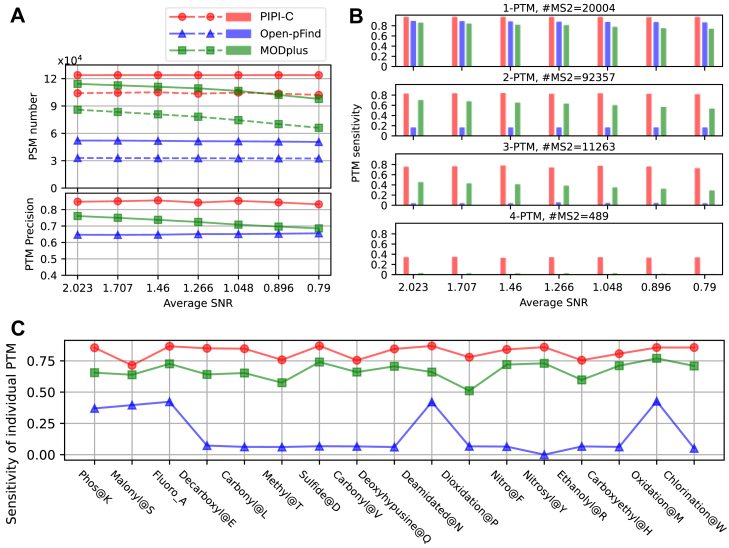 Figure 8
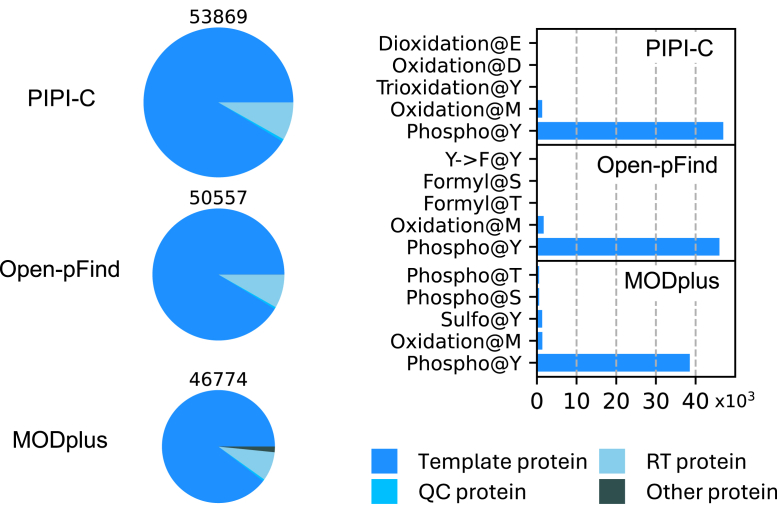 Figure 9
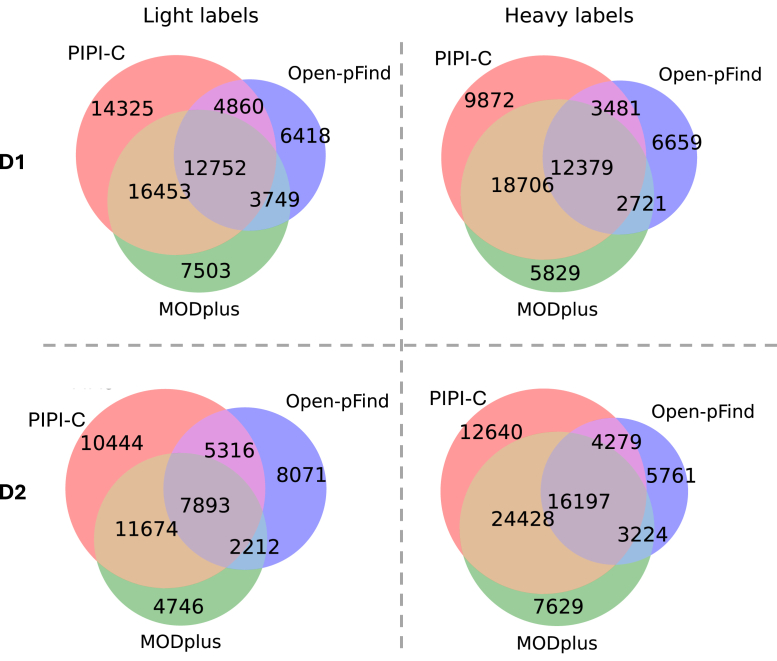 Figure 10
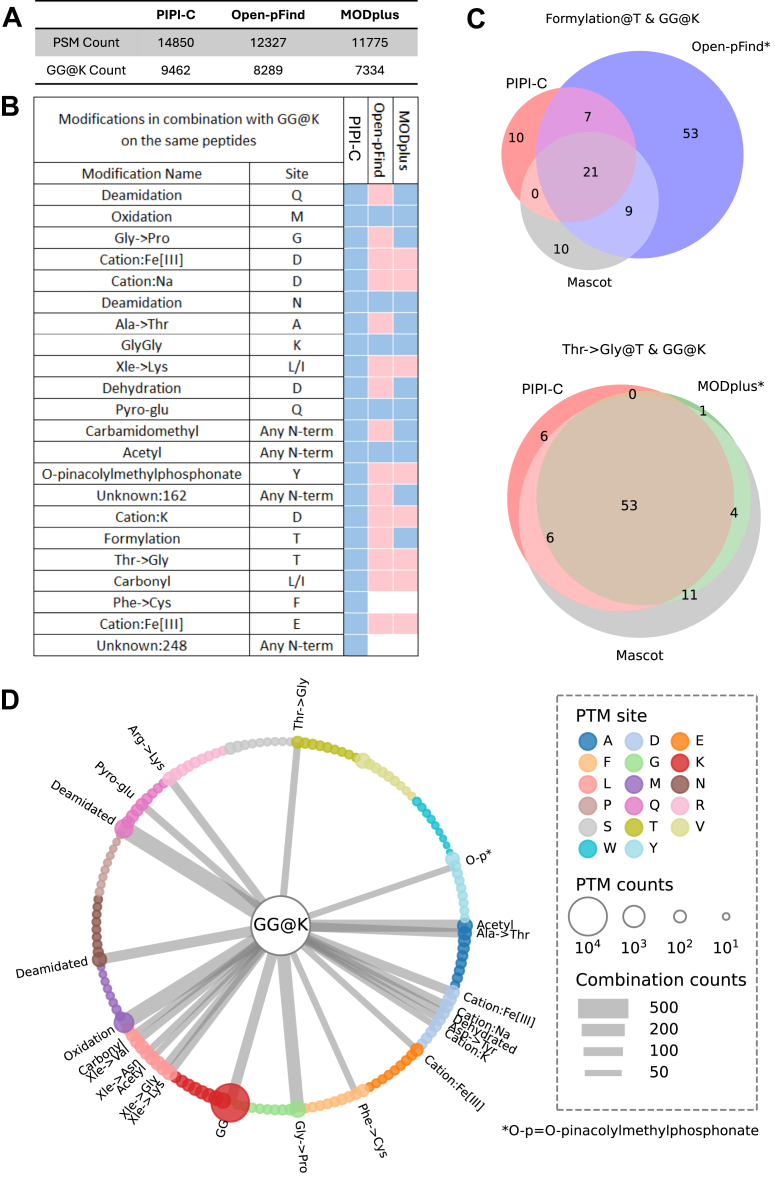 Figure 11
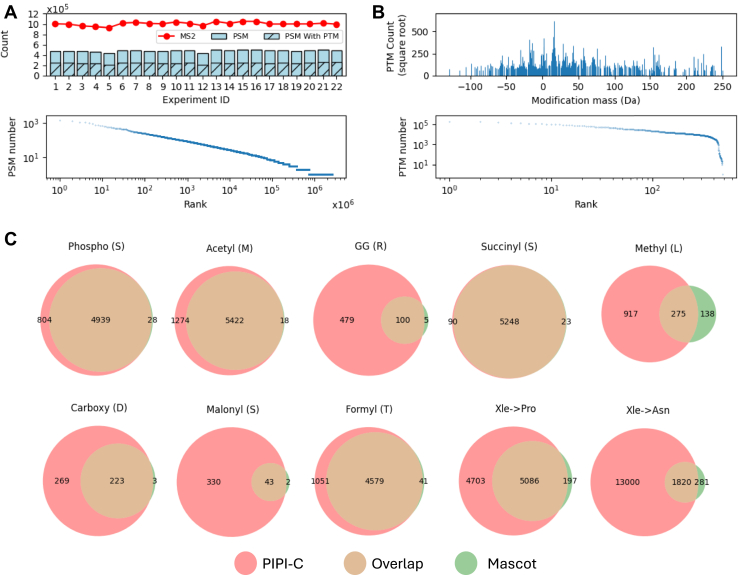 Figure 12
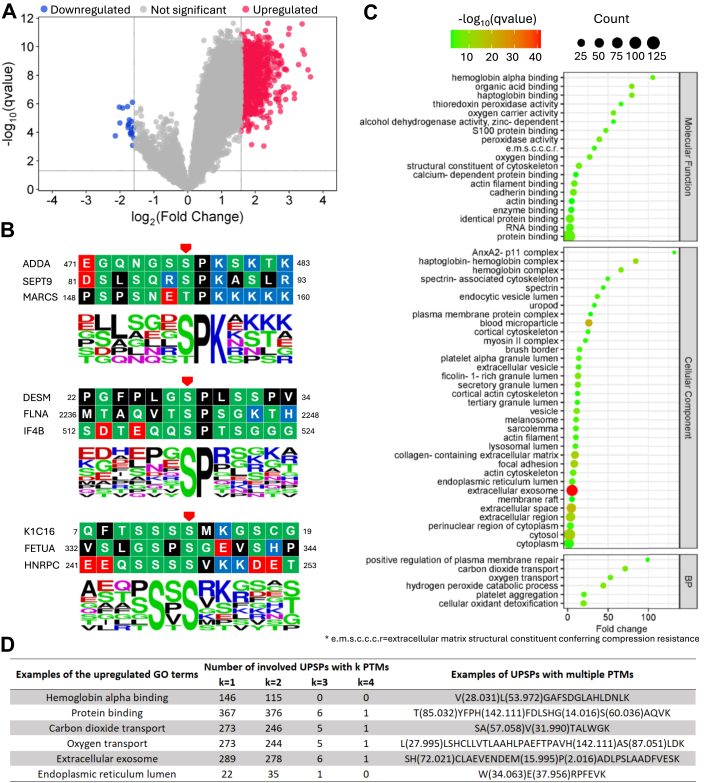 Figure 13
 Figure 14
Peer Reviews
No public reviews on file for this paper yet. If you reviewed it on a platform where reviews are public (OpenReview, ICLR, NeurIPS, ICML), you can paste yours below so the community can read it here.
Videos
No videos yet. Explain this paper in a talk, walkthrough, or lecture? Add one.
Taxonomy
TopicsAdvanced Proteomics Techniques and Applications · Machine Learning in Bioinformatics · Bioinformatics and Genomic Networks