Optimizing immunomagnetic separation for efficient E. coli O157:H7 recovery and detection
Assem Abolmaaty, Abrar AbuHamdia, Dina H. Amin

TL;DR
This study optimizes immunomagnetic separation to efficiently detect E. coli O157:H7 in ground beef by adjusting factors like antibody concentration, temperature, and incubation time.
Contribution
The study identifies optimal conditions for immunomagnetic separation to maximize E. coli O157:H7 recovery and detection.
Findings
Lower IgG dilutions (1:100) result in higher binding efficiency of E. coli O157:H7 to immunomagnetic beads.
An incubation temperature of 32°C is optimal for bead-cell interactions, with deviations reducing binding efficiency.
Longer incubation times (up to 120 min) improve antibody coating on beads, enhancing target cell capture.
Abstract
Immunomagnetic separation is an invaluable tool in biomedical and food safety applications due to their high specificity and efficiency in capturing target cells. This study is a comprehensive investigation of the Ag-Ab reaction and the effects of several factors such as IgG concentration, incubation temperature, and incubation time on the binding efficiency of target cells to the immunomagnetic beads aiming to maximize captured E. coli O157 cells from ground beef samples. Our findings reveal a concentration-dependent relationship between IgG dilution and binding efficiency, with lower dilutions (1:100) yielding higher binding percentages. Additionally, the optimal incubation temperature for bead-cell interactions was identified as 32 °C, with deviations above or below this temperature impairing binding efficiency. Longer incubation times (up to 120 min) significantly improved antibody…
Genes, proteins, chemicals, diseases, species, mutations and cell lines named across the full text — each resolved to its canonical identifier and authoritative record.
Click any figure to enlarge with its caption.
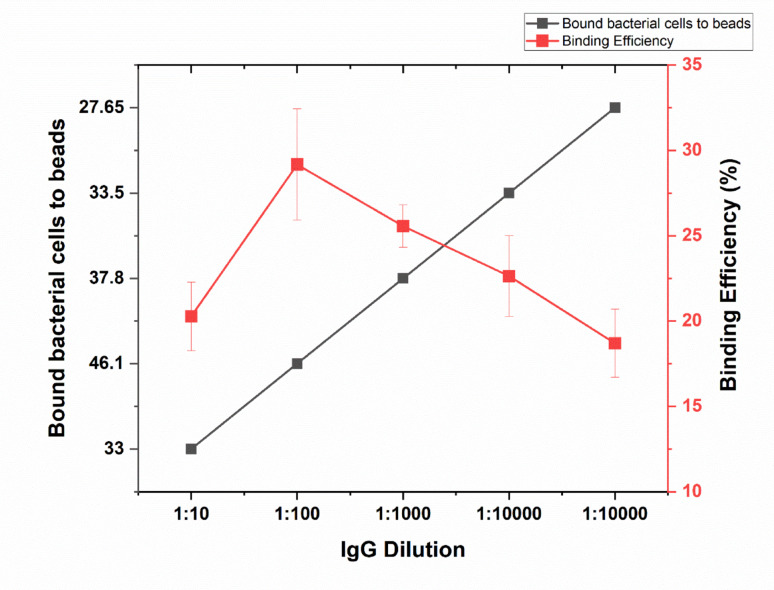 Figure 1
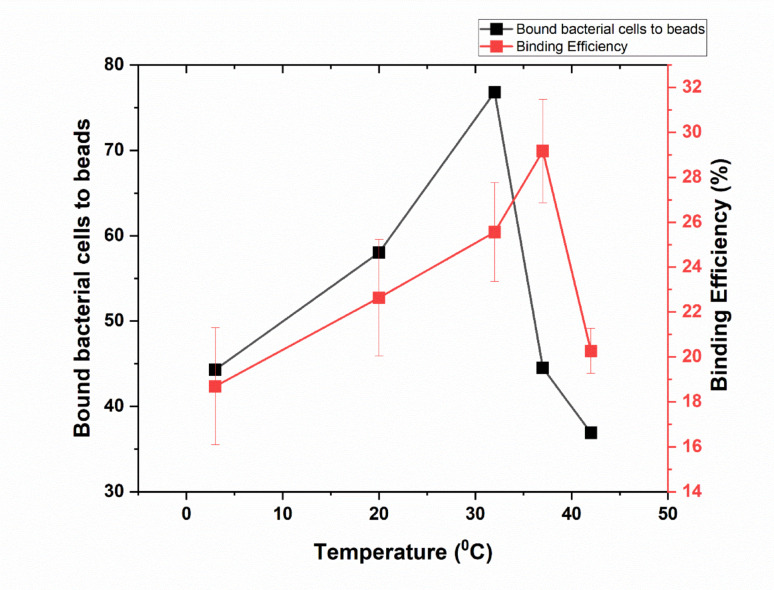 Figure 2
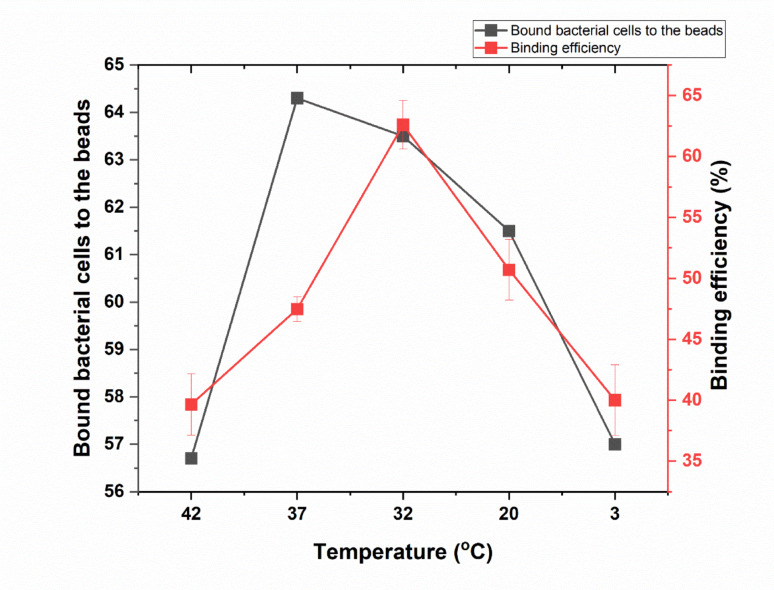 Figure 3
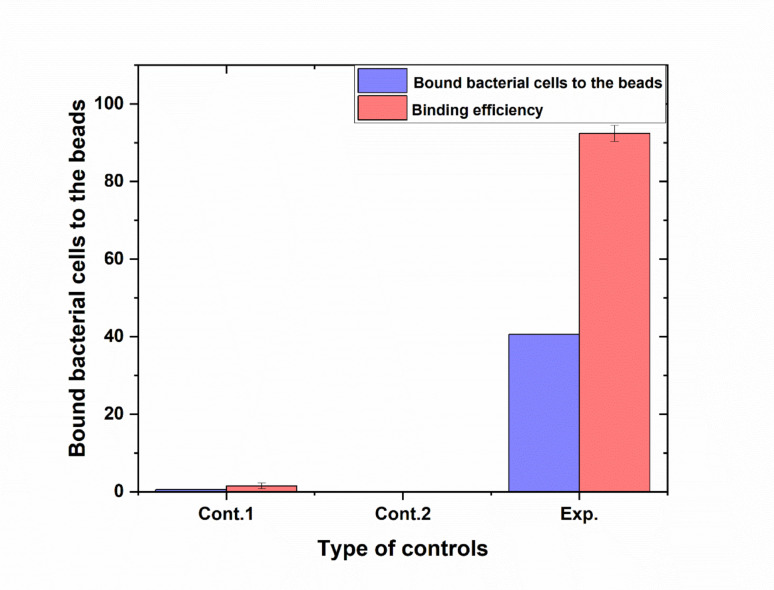 Figure 4
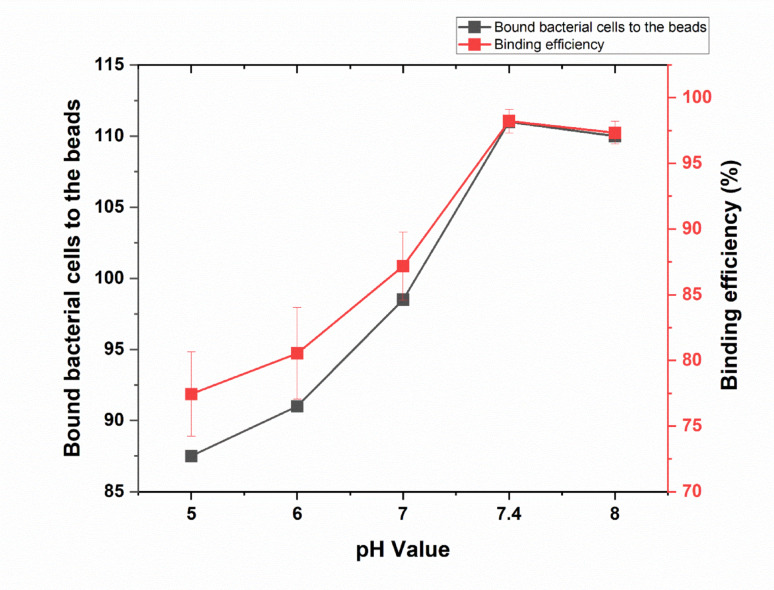 Figure 5
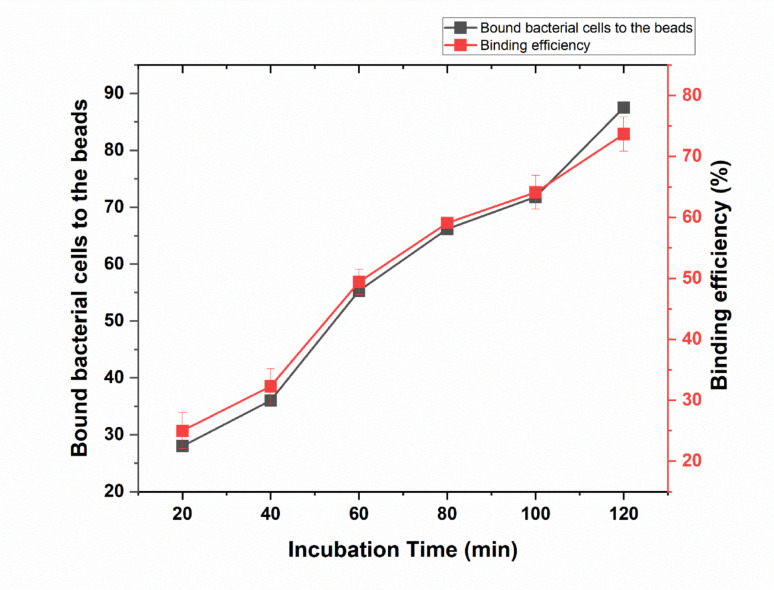 Figure 6
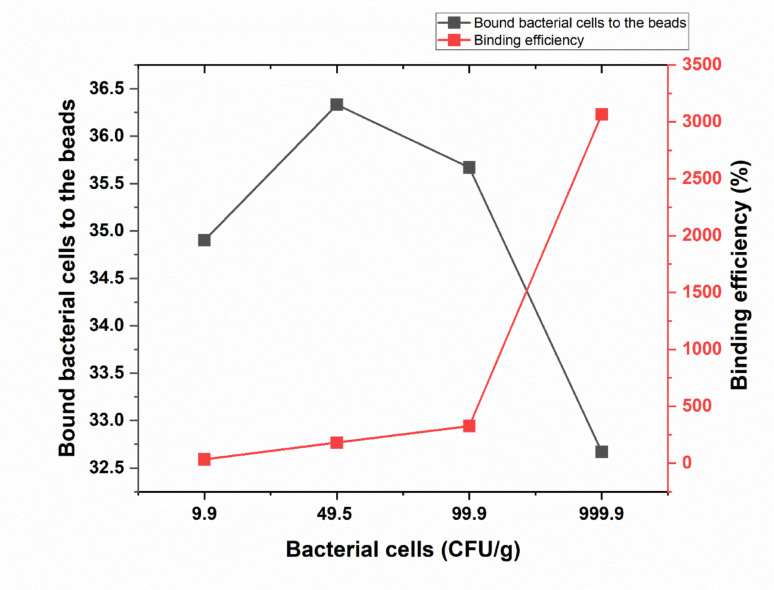 Figure 7
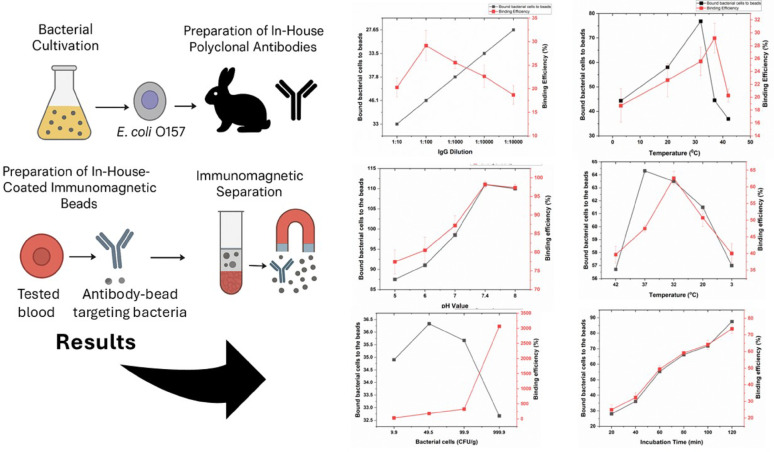 Figure 8
Peer Reviews
No public reviews on file for this paper yet. If you reviewed it on a platform where reviews are public (OpenReview, ICLR, NeurIPS, ICML), you can paste yours below so the community can read it here.
Videos
No videos yet. Explain this paper in a talk, walkthrough, or lecture? Add one.
Taxonomy
TopicsMonoclonal and Polyclonal Antibodies Research · Biosensors and Analytical Detection · Microfluidic and Bio-sensing Technologies