In vivo cellular-resolution imaging of retina: modality, cells, and clinical implications
Shaohua Pi, Richard Brown, Samuel Yun, Lingyun Wang

TL;DR
This paper discusses how new in vivo imaging techniques allow for detailed, non-invasive observation of retinal cells, improving understanding of eye health and disease.
Contribution
The paper highlights recent advancements in in vivo imaging technologies for cellular-resolution retinal imaging and their clinical implications.
Findings
In vivo imaging techniques like OCT, AO, and TPM enable dynamic observation of retinal cells in living organisms.
These technologies offer non-invasive insights into retinal cell behavior, aiding in early diagnosis and treatment of ocular diseases.
Abstract
The retina, a crucial component of the human eye for vision, is responsible for converting light signals into neural signals that the brain can interpret. It’s a complex tissue, rich in photoreceptors, and supported by various other cell types, including inner nuclear layer cells, ganglion cells, pigmented epithelial cells, immune cells, and vascular cells. Each of these cells plays a vital role in visual processing and understanding of their function and interactions are essential for assessing vision health and diagnosing diseases. Traditionally, studying the retinal cells has relied heavily on histological techniques, which, despite their utility, offer only static images and require invasive procedures that preclude the observation of dynamic biological processes. In this context, recent advancements of in vivo imaging technologies have marked a significant leap forward. Techniques…
Genes, proteins, chemicals, diseases, species, mutations and cell lines named across the full text — each resolved to its canonical identifier and authoritative record.
Click any figure to enlarge with its caption.
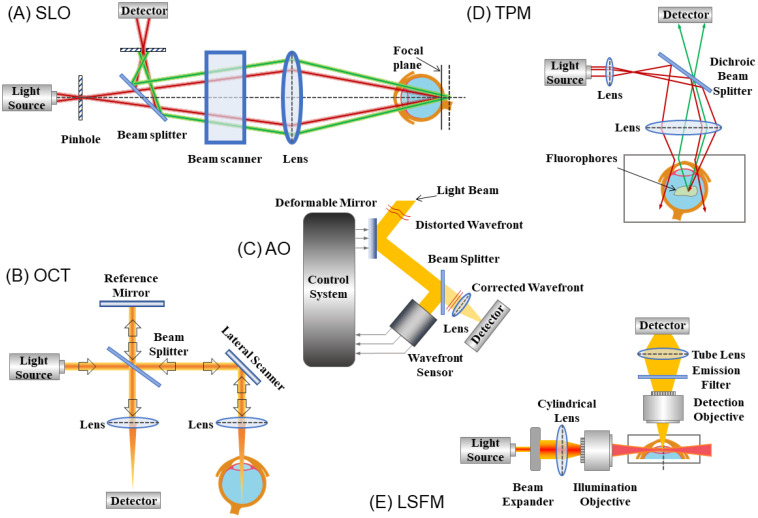 Figure 1
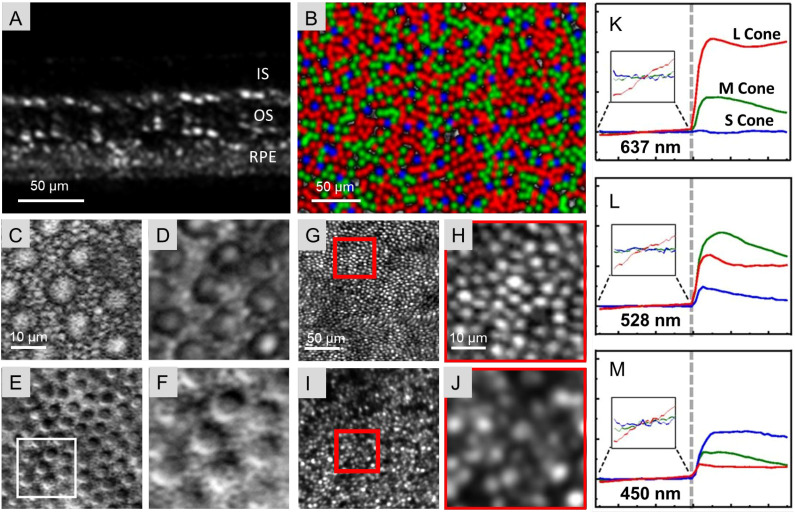 Figure 2
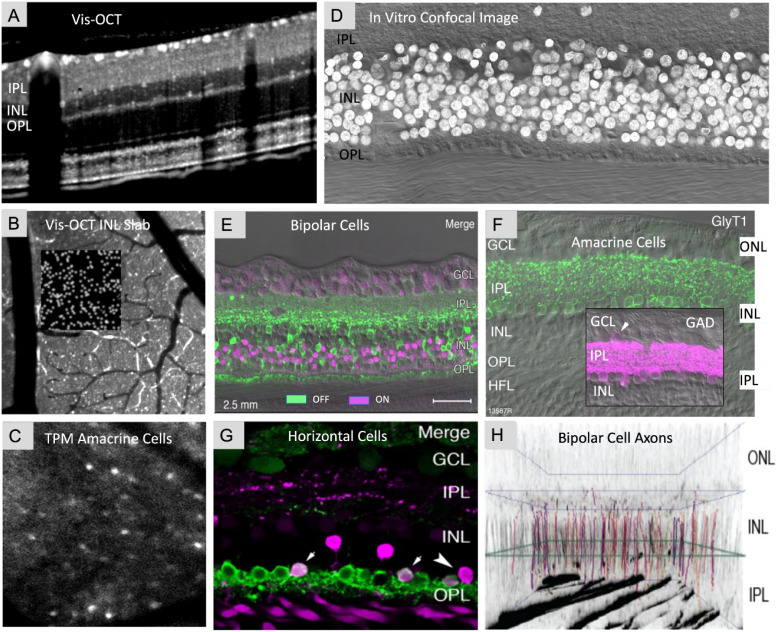 Figure 3
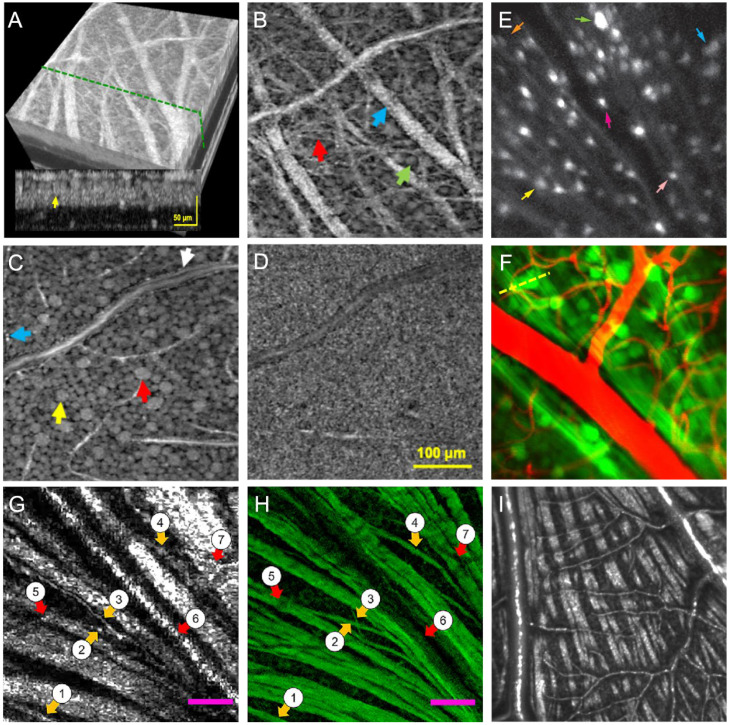 Figure 4
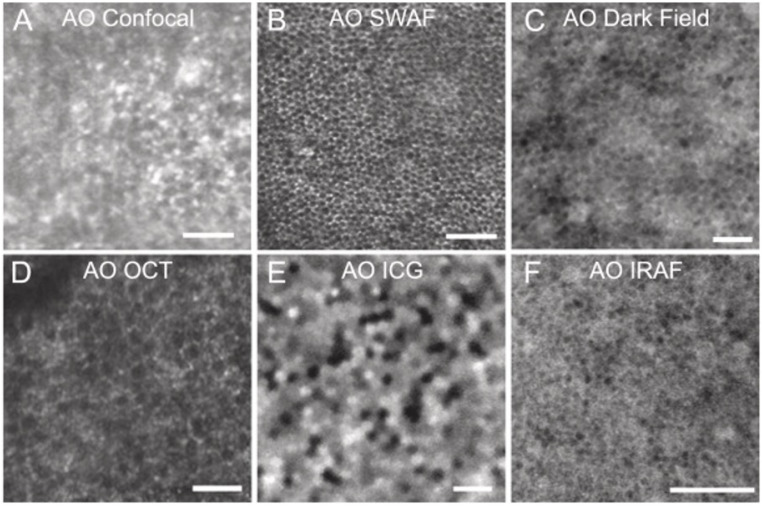 Figure 5
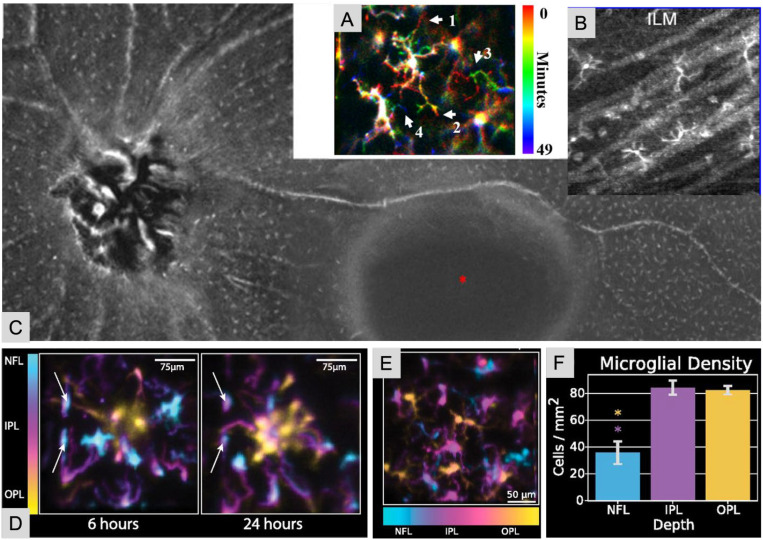 Figure 6
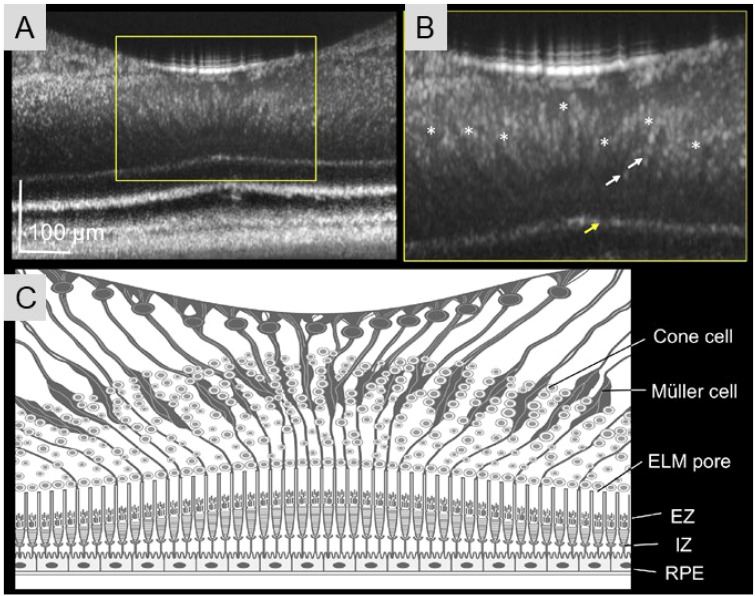 Figure 7
Peer Reviews
No public reviews on file for this paper yet. If you reviewed it on a platform where reviews are public (OpenReview, ICLR, NeurIPS, ICML), you can paste yours below so the community can read it here.
Videos
No videos yet. Explain this paper in a talk, walkthrough, or lecture? Add one.
Taxonomy
TopicsOptical Coherence Tomography Applications · Retinal Development and Disorders · Advanced Fluorescence Microscopy Techniques