Therapeutic potential of epigallocatechin gallate in gynecologic cancer, endometriosis, polycystic ovary syndrome: a mechanistic and translational perspective
Nazlı Tunca Sanlier, İnci Turkoglu, Koray Gorkem Sacinti, Nevin Sanlier

TL;DR
This review explores how a compound in tea may help treat gynecological cancers and disorders by affecting key biological pathways.
Contribution
The paper provides a comprehensive synthesis of EGCG's potential therapeutic roles in gynecological diseases and highlights research priorities.
Findings
EGCG modulates pathways like PI3K/Akt, MAPK, and NF-κB to exert anti-cancer and anti-inflammatory effects.
Catechins show potential in treating gynecological cancers and non-cancerous conditions like endometriosis and PCOS.
Clinical validation is needed to determine optimal dosing and safety of EGCG in gynecological practice.
Abstract
Tea, among the most widely consumed beverages worldwide, is rich in polyphenolic compounds known as catechins, particularly epigallocatechin gallate (EGCG). This review aims to synthesize recent findings and ongoing controversies concerning the role of tea-derived catechins in gynecologic diseases while also outlining key priorities for future research to address existing knowledge gaps. A comprehensive literature search was conducted across the following electronic databases: PubMed, Medline, Embase, Cochrane Library, CINAHL, Web of Science, Scopus, Google Scholar, and ScienceDirect. Epigallocatechin gallate molecules exhibit diverse biological activities, including antioxidant, anti-inflammatory, antiproliferative, and epigenetic effects, primarily through the modulation of key cellular pathways such as PI3K/Akt, MAPK, and NF-κB. Growing evidence from in vitro, in vivo, and limited…
Genes, proteins, chemicals, diseases, species, mutations and cell lines named across the full text — each resolved to its canonical identifier and authoritative record.
Click any figure to enlarge with its caption.
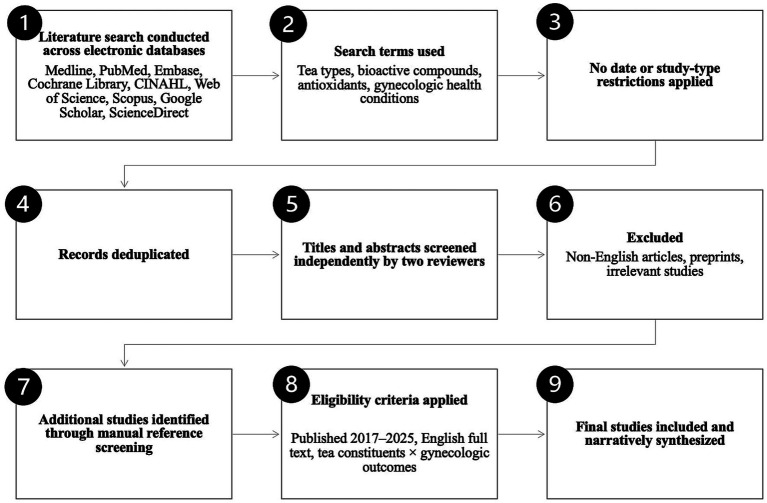 Figure 1
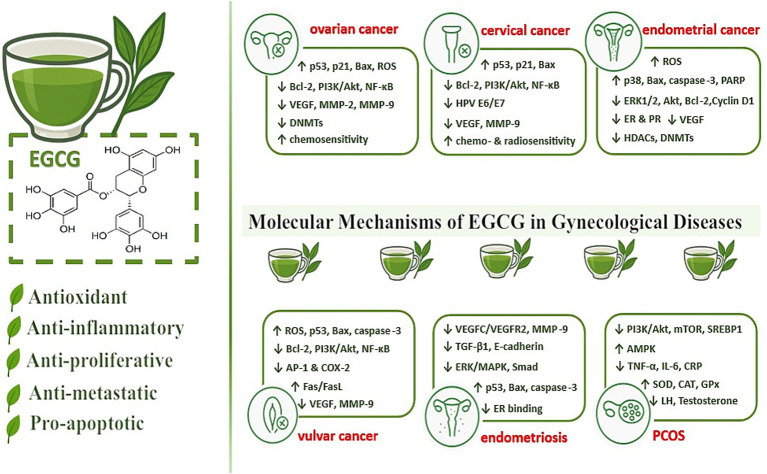 Figure 2
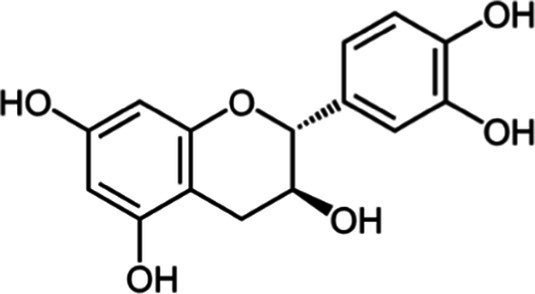 Figure 3
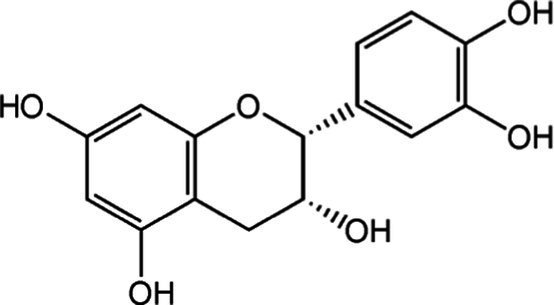 Figure 4
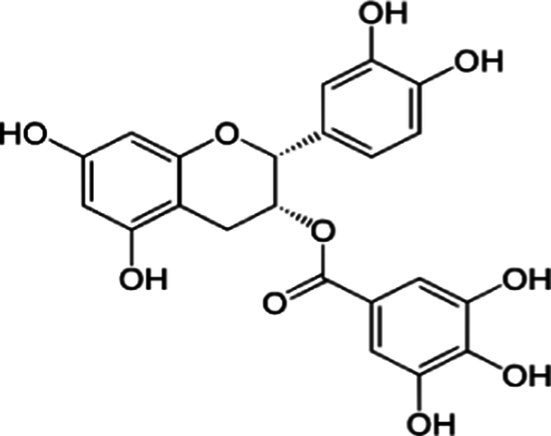 Figure 5
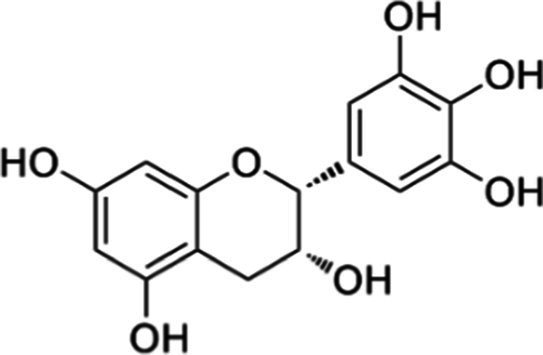 Figure 6
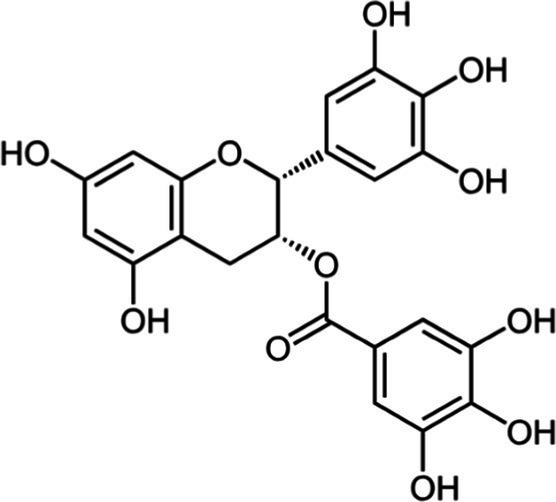 Figure 7
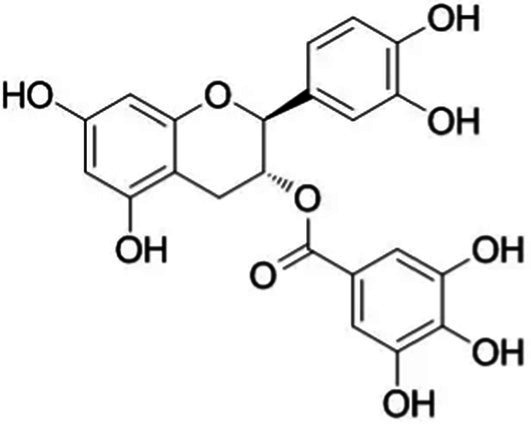 Figure 8
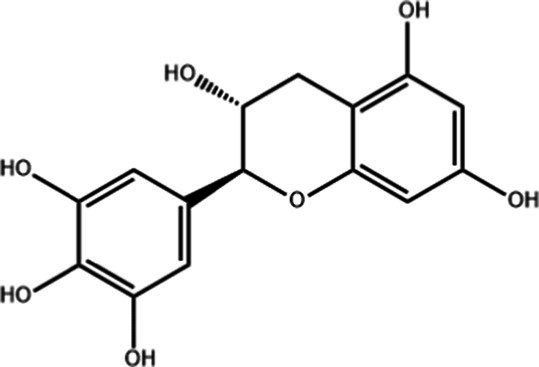 Figure 9
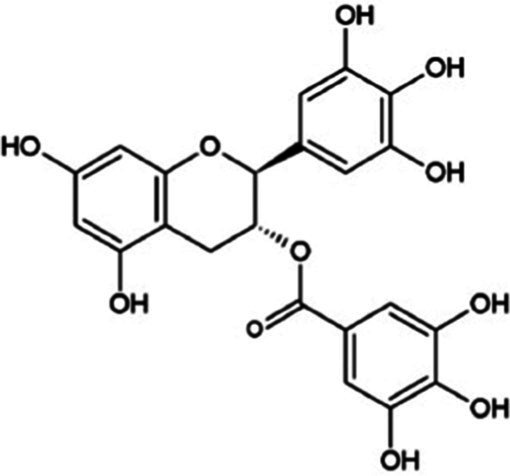 Figure 10
Peer Reviews
No public reviews on file for this paper yet. If you reviewed it on a platform where reviews are public (OpenReview, ICLR, NeurIPS, ICML), you can paste yours below so the community can read it here.
Videos
No videos yet. Explain this paper in a talk, walkthrough, or lecture? Add one.
Taxonomy
TopicsTea Polyphenols and Effects · Bioactive Compounds in Plants · Cancer, Stress, Anesthesia, and Immune Response