Differential socioeconomic, psychosocial, and behavioral factors associated with psychological distress and uncontrolled blood pressure among women with and without HIV in the US
Jenni M. Wise, Emily B. Levitan, Elizabeth A. Jackson, Paul Muntner, Edgar T. Overton, Liang Shan, Jessica Blair, Andres Azuero, Jennifer H. McCarty, Maria L. Alcaide, David B. Hanna, Andrew Edmonds, Sheri D. Weiser, Seble G. Kassaye, Aruna Chandran, Gina Wingood

TL;DR
The study finds that socioeconomic and psychosocial factors are linked to uncontrolled blood pressure in women with and without HIV in the US.
Contribution
The study compares how socioeconomic and psychosocial factors affect blood pressure differently in women with and without HIV.
Findings
Socioeconomic and psychosocial factors explained 3% of blood pressure variance in women with HIV.
These factors explained 10% of blood pressure variance in women without HIV.
Health risk behaviors and medication use had weak to moderate impacts on blood pressure.
Abstract
Women with HIV (WWH) have a higher risk of hypertension compared to women without HIV (WWoH). Exposure to adverse socioeconomic (e.g., area level deprivation) and psychosocial factors (e.g., stigma, inadequate social support) may contribute to inequities in hypertension through their influence on health behaviors (e.g., substance use, diet, physical activity) and psychophysiological (e.g., stress) responses. We examined the association between socioeconomic and psychosocial factors, psychological distress, and current uncontrolled blood pressure among WWH (n=998) and WWoH (n=353) enrolled in the Women’s Interagency HIV Study (WIHS) at a single visit between April and September 2019. Socioeconomic and psychosocial factors were similar among WWH and WWoH. Among WWH and WWOH, 50.2% had current uncontrolled blood pressure, defined as a systolic blood pressure ≥130 mmHg or diastolic…
Genes, proteins, chemicals, diseases, species, mutations and cell lines named across the full text — each resolved to its canonical identifier and authoritative record.
Click any figure to enlarge with its caption.
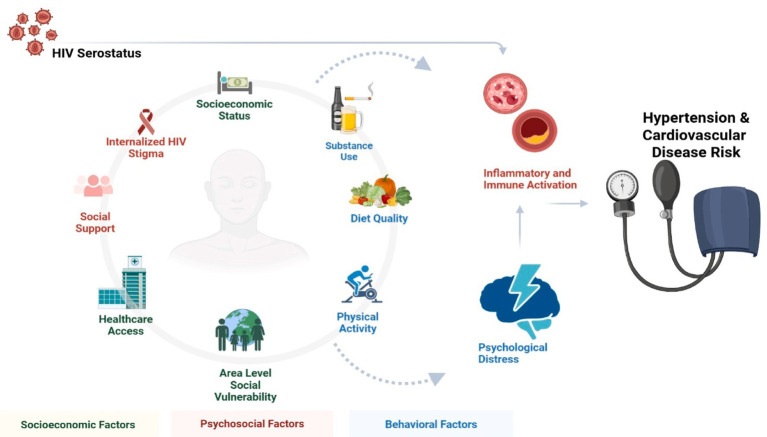 Figure 1
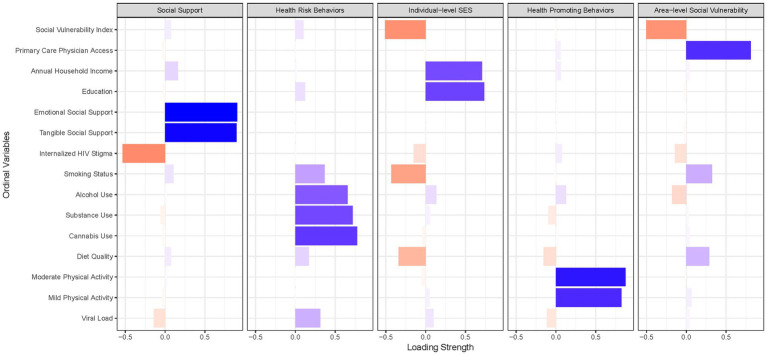 Figure 2
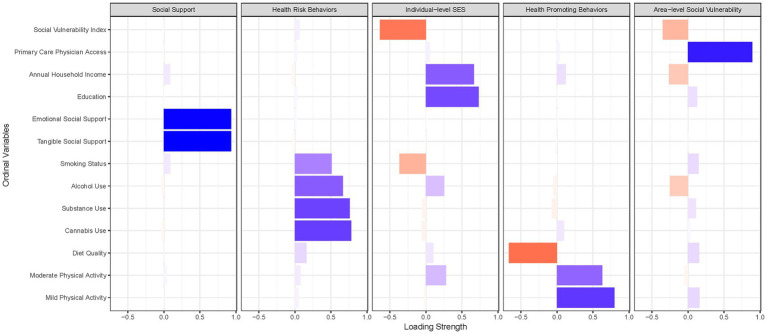 Figure 3
Peer Reviews
No public reviews on file for this paper yet. If you reviewed it on a platform where reviews are public (OpenReview, ICLR, NeurIPS, ICML), you can paste yours below so the community can read it here.
Videos
No videos yet. Explain this paper in a talk, walkthrough, or lecture? Add one.
Taxonomy
TopicsHIV-related health complications and treatments · HIV/AIDS Research and Interventions · Sexual function and dysfunction studies