Deciphering reprogramming efficiency in human induced pluripotent stem cells: insights from the generation of 150 cell lines
Bernd Kuebler, Silvia Selvitella, Begoña Aran, Angel Raya, Anna Veiga

TL;DR
This study analyzed 150 iPSC lines to identify factors affecting reprogramming efficiency, finding that the starting cell's developmental status is the most important factor.
Contribution
The study provides new insights into the biological factors influencing iPSC reprogramming efficiency through a large-scale statistical analysis.
Findings
The developmental status of the starting cells is the most relevant factor influencing reprogramming efficiency.
Donor-specific biological characteristics have a stronger impact on reprogramming outcomes than other parameters.
Other factors like cell type, age, and methodology have minor effects on reprogramming efficiency.
Abstract
The discovery of induced pluripotent stem cells (iPSCs) revolutionized the field of translational medicine by enabling the reprogramming of adult somatic cells into a pluripotent state. From personalized disease models to innovative cell therapies, iPSCs are poised to play a central role in the future of clinical medicine. iPSCs hold enormous promises due to their ability to self-renew indefinitely and differentiate into all somatic cell types, thus offering patient-specific cellular models and therapeutic options without the ethical constraints of embryonic stem cells (ESCs). iPSCs, which exhibit pluripotency similar to embryonic stem cells, are generated by introducing specific factors into terminally differentiated cells, inducing a shift in their epigenetic and transcriptional landscape, which leads to the reactivation of the pluripotency program of the cells. Nevertheless, the…
Genes, proteins, chemicals, diseases, species, mutations and cell lines named across the full text — each resolved to its canonical identifier and authoritative record.
Click any figure to enlarge with its caption.
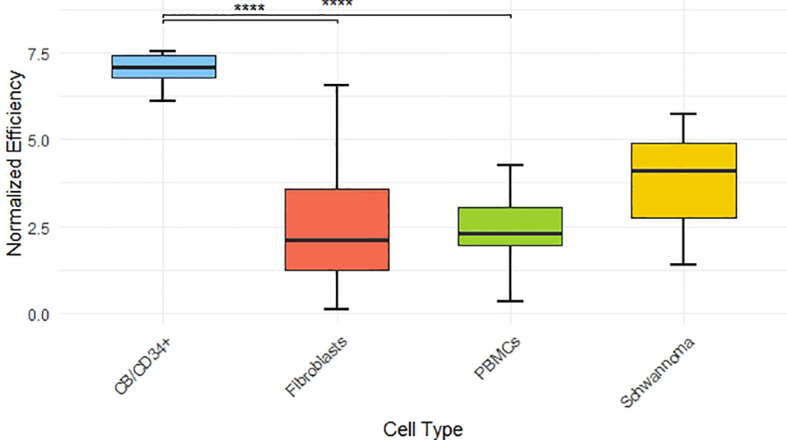 Figure 1
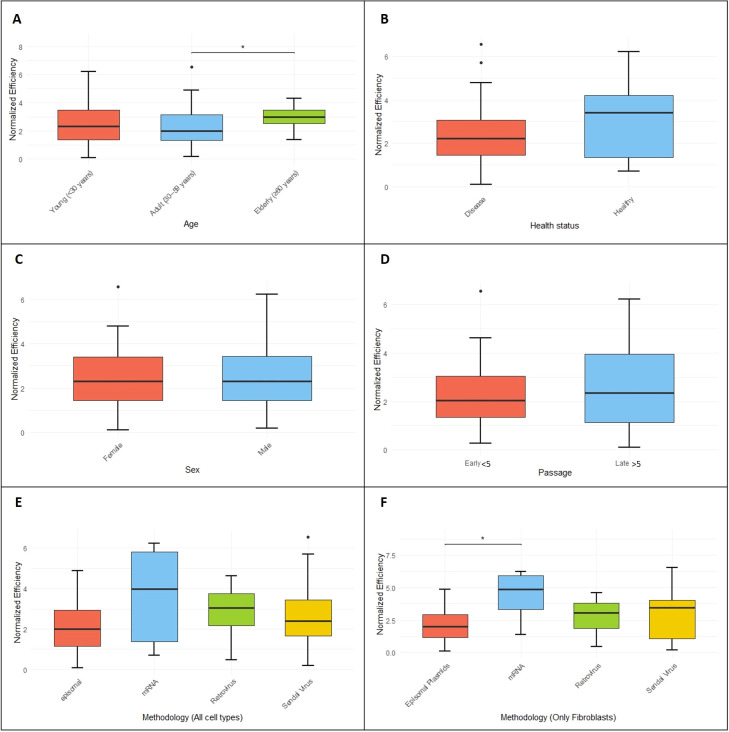 Figure 2
Peer Reviews
No public reviews on file for this paper yet. If you reviewed it on a platform where reviews are public (OpenReview, ICLR, NeurIPS, ICML), you can paste yours below so the community can read it here.
Videos
No videos yet. Explain this paper in a talk, walkthrough, or lecture? Add one.
Taxonomy
TopicsPluripotent Stem Cells Research · CRISPR and Genetic Engineering · Biomedical Ethics and Regulation