Monitoring mitochondrial function in peripheral T cells to assess immune status and graft health after kidney transplantation
Erdi Zhang, Zhengli Wan, Yuwen Ma, Yamei Li, Qixiang Zhou, Bei Cai, Yi Li, Feng Li, Binwu Ying, Lin Yan

TL;DR
This study explores using mitochondrial function in T cells as a non-invasive way to monitor immune status and kidney graft health after transplantation.
Contribution
The study introduces mitochondrial metrics in peripheral T cells as novel biomarkers for immune monitoring in kidney transplant recipients.
Findings
Patients with impaired graft function showed reduced mitochondrial membrane potential and elevated mitochondrial mass.
Preserved graft function was associated with increased mitochondrial membrane potential and decreased mitochondrial mass.
Age correlated with lower mitochondrial membrane potential and higher mitochondrial mass in peripheral immune cells.
Abstract
Kidney transplantation is the preferred treatment for end-stage renal disease, but immune-mediated graft dysfunction remains a major barrier to long-term success. Conventional indicators such as serum creatinine and proteinuria are not immune-specific, and kidney biopsy is unsuitable for routine use. Mitochondrial function, a critical regulator of immune activation, may provide novel biomarkers for immune monitoring in transplantation. In this study, the percentage of peripheral immune cells with low mitochondrial membrane potential (MMP-Low%) and mitochondrial mass (MM) were assessed in 30 kidney transplant recipients and 44 healthy controls. Of the 30 transplant recipients, 15 provided paired samples before transplantation and at one month after transplantation with preserved graft function, while the other 15 had impaired graft function. Flow cytometry was used to measure lymphocyte…
Genes, proteins, chemicals, diseases, species, mutations and cell lines named across the full text — each resolved to its canonical identifier and authoritative record.
Click any figure to enlarge with its caption.
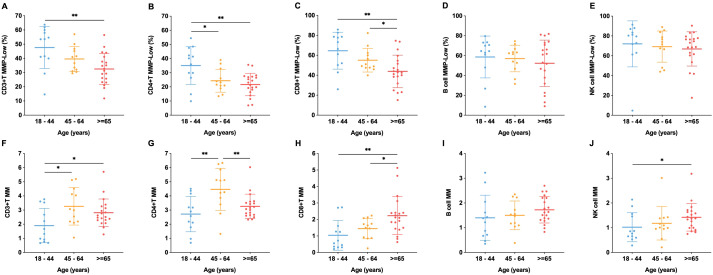 Figure 1
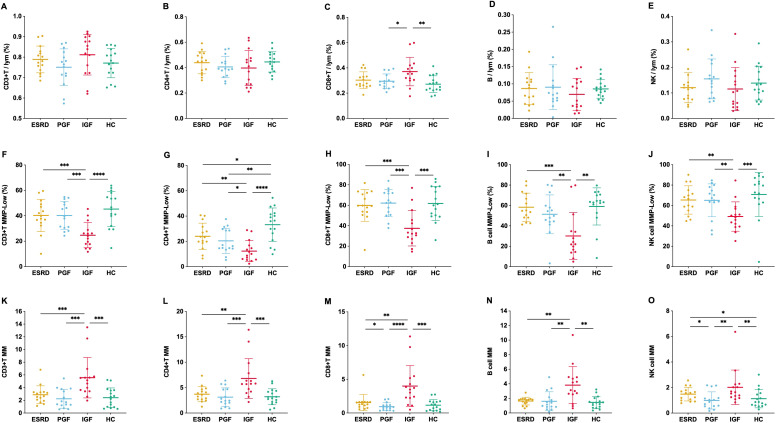 Figure 2
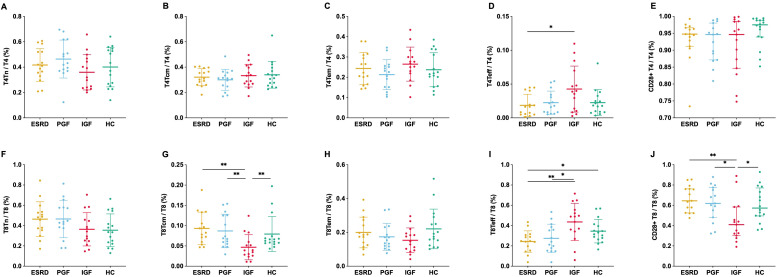 Figure 3
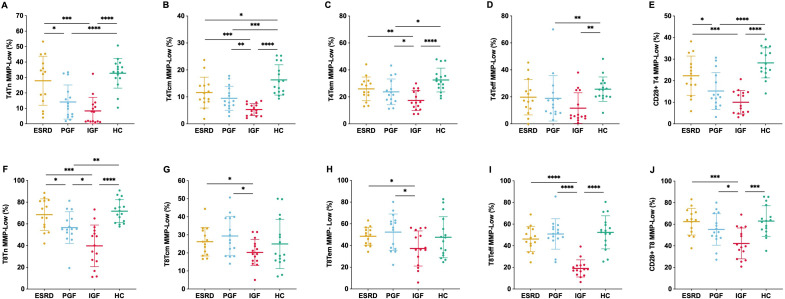 Figure 4
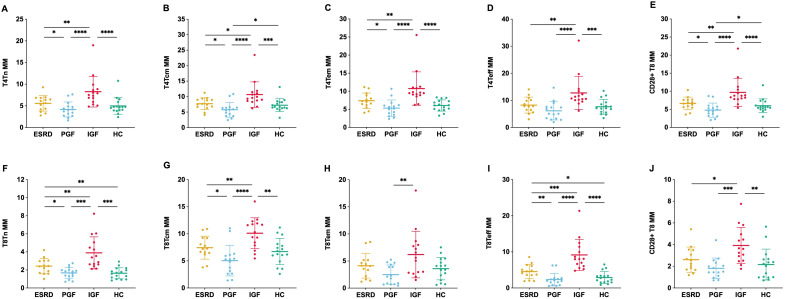 Figure 5
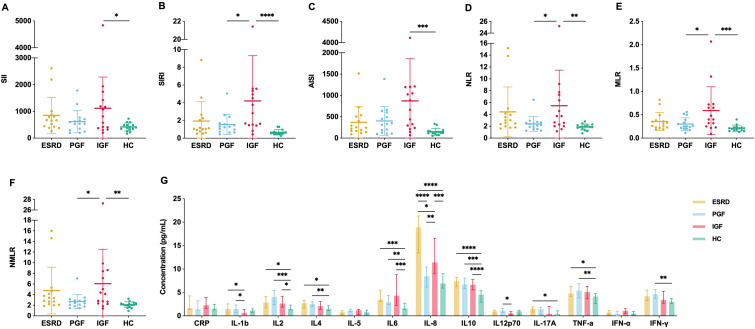 Figure 6
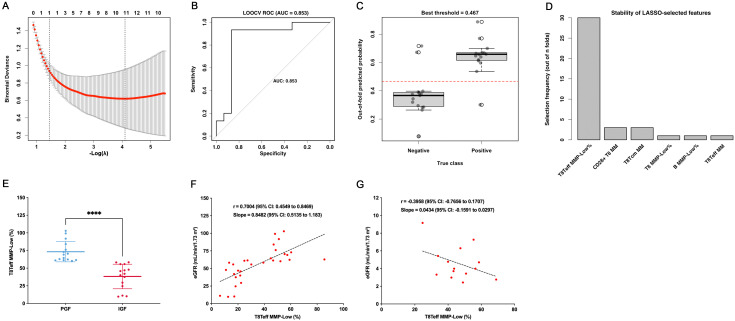 Figure 7
Peer Reviews
No public reviews on file for this paper yet. If you reviewed it on a platform where reviews are public (OpenReview, ICLR, NeurIPS, ICML), you can paste yours below so the community can read it here.
Videos
No videos yet. Explain this paper in a talk, walkthrough, or lecture? Add one.
Taxonomy
TopicsRenal Transplantation Outcomes and Treatments · Mitochondrial Function and Pathology · Renal and Vascular Pathologies