Socioeconomic stratification in adolescent digital engagement: cultural capital, emotional mediation, and bilibili usage patterns in Chinese high schools
Qiaoyi Liu

TL;DR
This study shows how economic and educational backgrounds influence how Chinese high school students use Bilibili, with wealthier and better-connected students engaging more socially and culturally online.
Contribution
The study introduces emotion as a key mediator in converting cognitive resources into digital behavioral capital, extending Bourdieu's theory to platform societies.
Findings
High-income students show stronger cultural identity and social interaction on Bilibili compared to low-income peers.
Municipal key school students engage 12% more in social interaction than regular school students.
Emotion significantly mediates the conversion of cognitive resources into behavioral capital, especially for economically advantaged youth.
Abstract
This sociological study examines how cultural capital and institutional structures shape digital behaviors among 606 Chinese high school students using stratified sampling across school types (provincial/municipal/regular) and income groups. Applying Bourdieu's capital theory within an Affect-Behavior-Cognition framework, we reveal entrenched stratification: students from high-income households (≥310,000 CNY) demonstrate significantly stronger cultural identity (ΔM = 0.15, F = 2.533, p = 0.048) and social interaction (ΔM = 0.24, F = 3.767, p = 0.005) compared to low-income peers, while municipal key school students exhibit 12% higher social interaction engagement than regular school counterparts (F = 2.694, p = 0.031). Parental occupation further mediates cultural capital conversion, with executives' children showing higher cultural identity (ΔM = 0.23 vs. service workers, p = 0.018).…
Click any figure to enlarge with its caption.
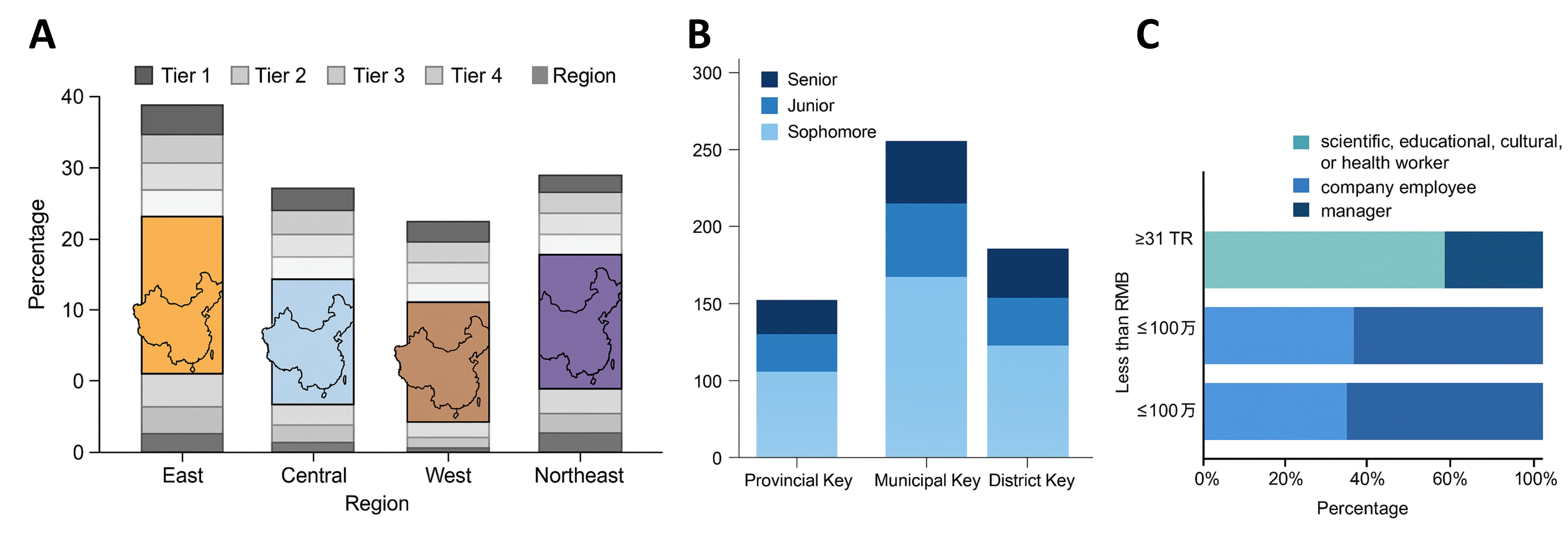 Figure 1
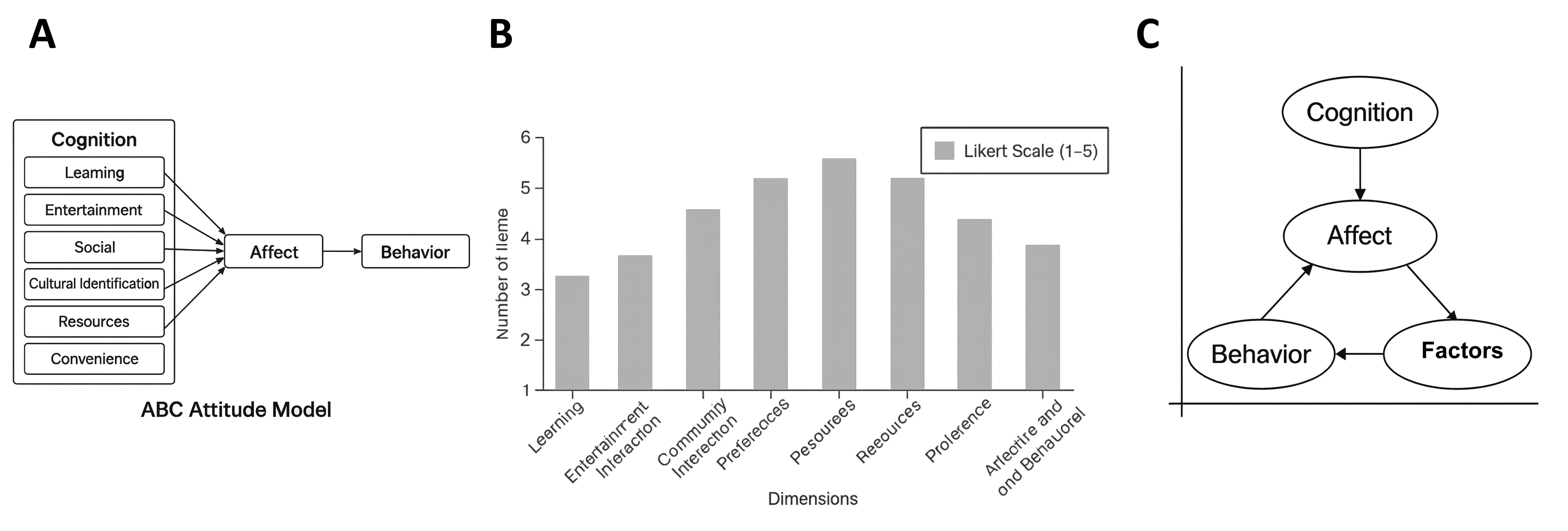 Figure 2
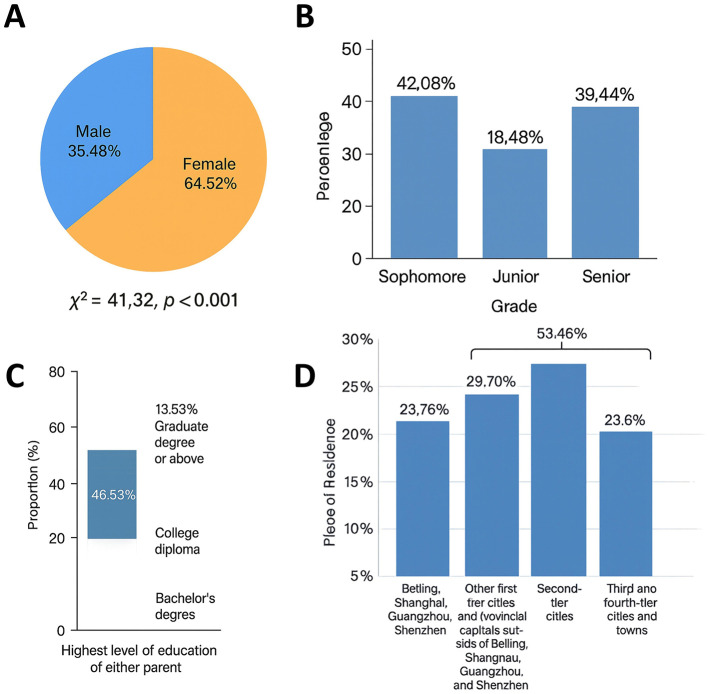 Figure 3
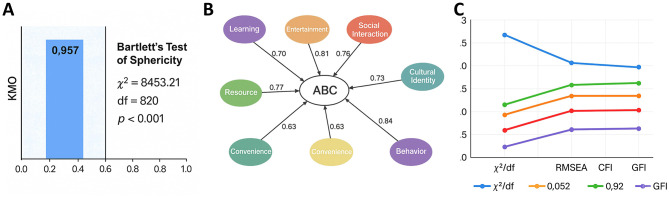 Figure 4
 Figure 5
 Figure 6
 Figure 7
 Figure 8
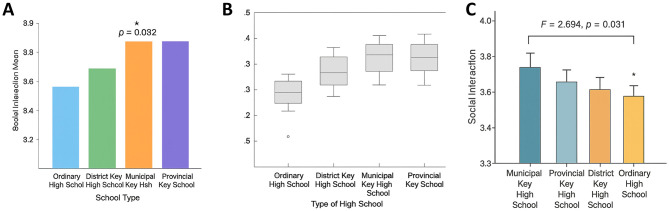 Figure 9
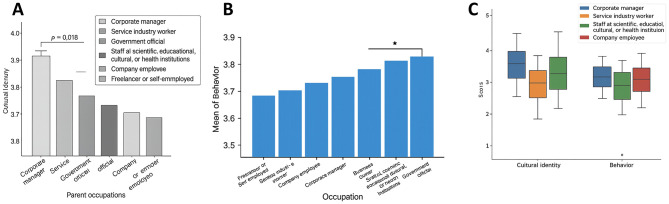 Figure 10
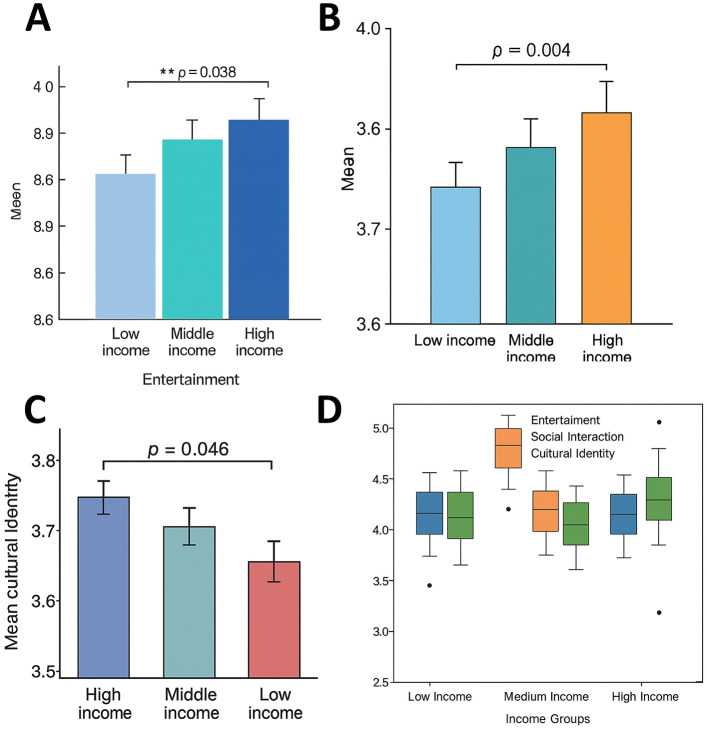 Figure 11
 Figure 12
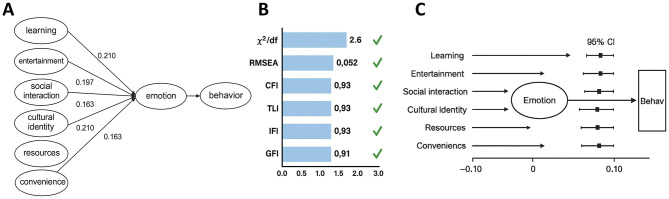 Figure 13
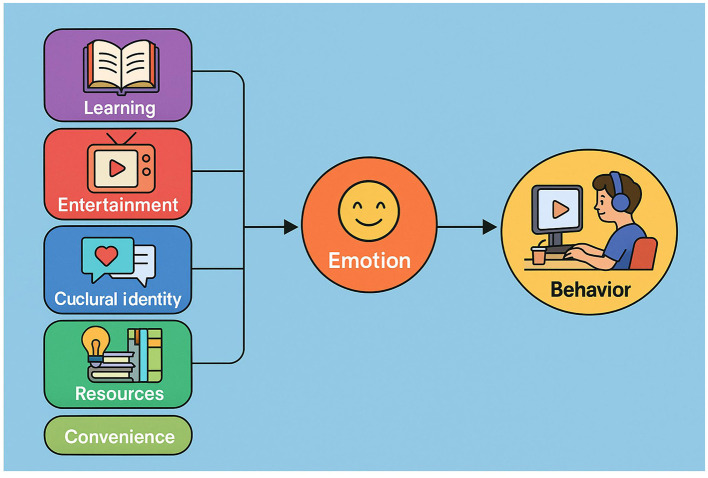 Figure 14
Peer Reviews
No public reviews on file for this paper yet. If you reviewed it on a platform where reviews are public (OpenReview, ICLR, NeurIPS, ICML), you can paste yours below so the community can read it here.
Videos
No videos yet. Explain this paper in a talk, walkthrough, or lecture? Add one.
Taxonomy
TopicsSocial and Cultural Dynamics · Impact of Technology on Adolescents · Social Media and Politics