A Unique Pathogenic Heterozygous Hypoxia Up-Regulated Protein 1 (HYOU1) Mutation Presenting With Recurrent Osteomyelitis, Subglottic Stenosis, and Hypoglycemia
Lauren Worth, Remie Saab, Sarah L Azzi, Gabrielle Tan, Robert Hostoffer

TL;DR
A patient with a rare HYOU1 gene mutation shows symptoms like recurring infections, hypoglycemia, and airway narrowing, suggesting new insights into this genetic disorder.
Contribution
The paper reports a novel heterozygous HYOU1 mutation and its clinical manifestations in a patient.
Findings
The patient had a heterozygous pathogenic HYOU1 mutation.
Symptoms included recurrent osteomyelitis, subglottic stenosis, and hypoglycemia.
This expands the known clinical spectrum of HYOU1-related disorders.
Abstract
The hypoxia up-regulated protein 1 (HYOU1) gene encodes a chaperone protein involved in maintaining cellular homeostasis by reducing oxidative stress and supporting the unfolded protein response in the endoplasmic reticulum and mitochondria. While homozygous HYOU1 mutations have been previously reported in patients with profound immunodeficiency, pancytopenia, and hypoglycemia, the clinical implications of heterozygous mutations remain less defined. We describe a patient with a heterozygous pathogenic HYOU1 mutation who presents with a longstanding history of recurrent infections, medically treated hypoglycemia, and subglottic stenosis due to repeated intubation and inflammation.
Genes, proteins, chemicals, diseases, species, mutations and cell lines named across the full text — each resolved to its canonical identifier and authoritative record.
Click any figure to enlarge with its caption.
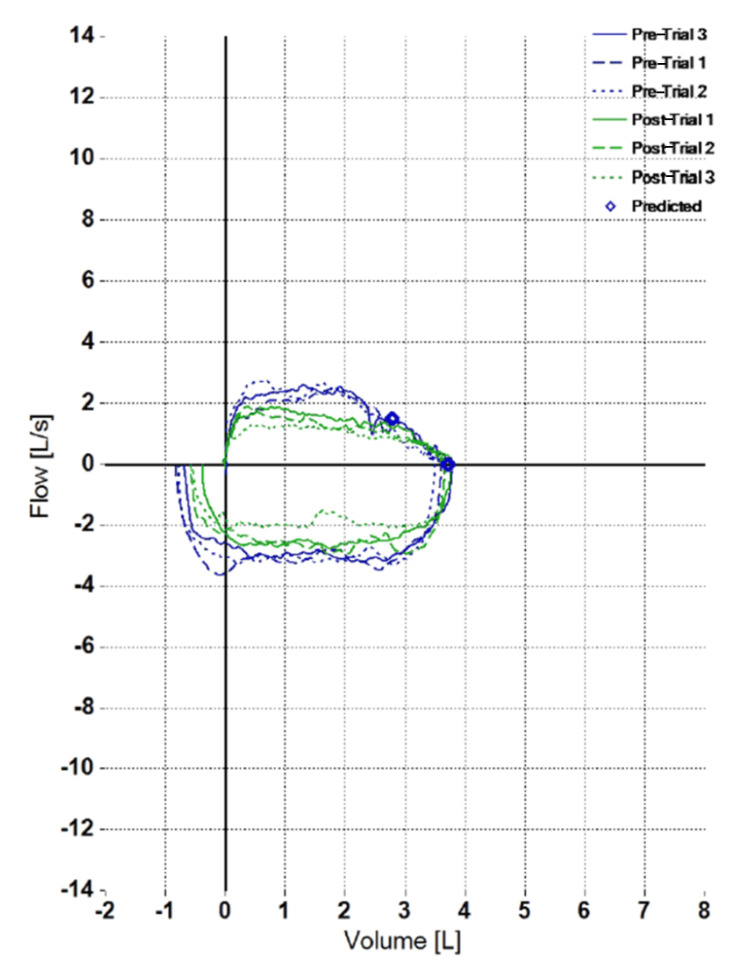 Figure 1
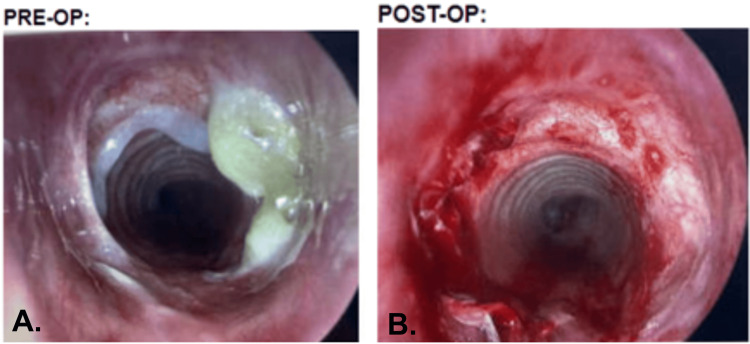 Figure 2
| Swab-larynx biopsy specimen | |
| Component | 6 months ago |
| Culture, wound | Many |
| Culture, wound | Few methicillin-resistant |
| Culture, wound | Few normal respiratory flora |
| Gram stain | Many Gram-positive cocci |
| Gram stain | Many Gram-negative bacilli |
| Gram stain | Few Gram-positive bacilli |
| Gram stain | Rare polymorphonuclear leukocytes |
Peer Reviews
No public reviews on file for this paper yet. If you reviewed it on a platform where reviews are public (OpenReview, ICLR, NeurIPS, ICML), you can paste yours below so the community can read it here.
Videos
No videos yet. Explain this paper in a talk, walkthrough, or lecture? Add one.
Taxonomy
Topicsinterferon and immune responses · Cancer, Hypoxia, and Metabolism · Pneumocystis jirovecii pneumonia detection and treatment
Introduction
Several genetic mutations have been linked to recurrent infections that vary in severity from mild to life-threatening. The hypoxia up-regulated protein 1 (HYOU1) is a gene that encodes a chaperone protein that is involved in mediating cell stress within the endoplasmic reticulum and mitochondria [1]. The mechanism of this protein is accomplished by reducing oxidative stress in cells and aiding in unfolded protein responses. Mutations in the HYOU1 gene cause converging defects, including impaired B-cell maturation, reduced T-cell activation under stress, increased susceptibility of immune cell death during infection, and defective antigen presentation. This mutation, although not lethal initially, is associated with infections in various organ systems, causing end-organ damage with subsequent lethality [2,3]. Careful evaluation made by astute clinical questioning will lead to a diagnosis and treatment of infections, as well as the implementation of prophylactic strategies.
A previous case report identified a homozygous HYOU1 mutation that presented with anemia, thrombocytopenia, and leukopenia, resulting in severe immunodeficiency, repeated infections, and ultimately death [4]. Another case of an HYOU1 mutation reports a 45-year-old woman with recurrent infections and bouts of hypoglycemia throughout her life [2]. Our patient presented for shortness of breath, which was determined to be due to subglottic stenosis. We were able to ascertain a history of chronic infections and osteomyelitis, hypoglycemia, and later a heterozygous genetic mutation in HYOU1 (exon 23, c.2638G>A) (p.Ala880Thr). We present the first case of a patient with an HYOU1 mutation associated with recurrent osteomyelitis and subglottic stenosis.
A preliminary version of this work was previously presented as an abstract at the Journal of Human Immunology in Philadelphia, Pennsylvania, in 2025.
Case presentation
A 32-year-old female patient presented with chronic shortness of breath, a history of recurrent osteomyelitis, chronic sinusitis, and medically managed hypoglycemia. She experienced frequent sinus infections that responded to antibiotics. Her medical history also included polycystic ovarian syndrome and attention-deficit disorder. She was using a triple inhaler (inhaled corticosteroid/long-acting beta-agonist/long-acting muscarinic antagonist (ICS/LABA/LAMA)) for patient-described dyspnea, which she reported improved her symptoms. The patient's history included 20 surgeries with frequent intubations due to osteomyelitis involving the lower extremities, including the femur. Recurrent osteomyelitis has been observed in individuals with underlying immunodeficiencies [5]. Her family history is notable for hypoglycemia, arthritis, and Hashimoto's thyroiditis. A pulmonary function test, which can be used to evaluate upper airway obstructions such as subglottic stenosis, was performed to investigate her shortness of breath [6]. The test demonstrated intrathoracic obstruction (Figure 1).
Pulmonary function test displaying fixed airway obstruction.
She underwent an immunodeficiency evaluation to determine a potential cause of her recurrent infections and a genetic evaluation. She was referred to the ear, nose, and throat (ENT), who diagnosed her with subglottic stenosis, due to chronic infections and intubations, which was deemed untreatable surgically (Figure 2). Subglottic stenosis can be caused by repetitive intubation and chronic infection, which were present in this patient's history [7]. Cultures were taken from the infection site, and appropriate antibiotics were initiated.
(A) Subglottic stenosis of 15%, located at 1.8 cm below the vocal folds, with yellow secretions. (B) Post-dilation with a CRE balloon and Kenalog injection.CRE: controlled radial expansion
Investigative results indicated a heterozygous pathogenic mutation in the HYOU1 gene (exon 23, c.2638G>A) (p.Ala880Thr), normal immunoglobulin levels, lymphocyte subpopulations, and neutrophil oxidative burst assay within normal ranges. A complete blood count (CBC) and basic metabolic panel (BMP) were unremarkable. Cultures from a laryngeal biopsy were positive for several microorganisms, including Klebsiella and methicillin-resistant Staphylococcus aureus (MRSA), which was sensitive to ciprofloxacin (Table 1) [8,9]. Despite effective treatment courses with ciprofloxacin, the infection continued to return. The patient was started on prophylactic ciprofloxacin due to failure of other prophylactic therapies. Since the initiation of prophylaxis, she has remained clinically stable, with no recurrence of osteomyelitis or infections involving the subglottic region.
Discussion
Patients with homozygous mutations in HYOU1 have previously presented with hypoglycemia and severe, life-threatening immunodeficiencies. The HYOU1 gene encodes a chaperone protein involved in cell homeostasis, located in the endoplasmic reticulum and mitochondria [1]. Our patient presented with shortness of breath, and it was later elicited from history that she had chronic infections and hypoglycemia. This constellation of symptoms prompted pulmonary function testing and an immunodeficiency evaluation to investigate the cause of her recurrent infections. Although the immunology panel returned normal results, genetic testing revealed a heterozygous mutation in HYOU1. This genetic finding led to a review of previous cases with homozygous HYOU1 mutations, which showed a similar collection of symptoms. Previous reports describe patients with HYOU1 mutations presenting with combined immunodeficiency and disrupted glucose metabolism, aligning with the hypoglycemia observed in our patient [2]. Her pulmonary function test indicated fixed intrathoracic obstruction, which was supported by laryngoscopy revealing a subglottic stenosis (Figure 2).
Conclusions
We report a novel heterozygous HYOU1 mutation (exon 23, c.2638G>A) (p.Ala880Thr) associated with several pathologies in a 32-year-old woman. Given the patient's history of the genetic mutation, we propose that her recurrent osteomyelitis, infectious subglottic stenosis, and medically treated hypoglycemia are correlated to her pathogenic heterozygous HYOU1 mutation (exon 23, c.2638G>A) (p.Ala880Thr). The HYOU1 gene encodes a chaperone protein involved in cell homeostasis, located in the endoplasmic reticulum and mitochondria. Mutations involved with this gene have been linked to several pathologies in previous literature, such as hypoglycemia and severe, life-threatening immunodeficiencies. Healthcare providers should be aware of the possibility of this novel HYOU1 mutation (exon 23, c.2638G>A) (p.Ala880Thr) being associated with various pathologies, such as those in our patient. Increased awareness of this potential association may aid clinicians in recognizing atypical presentations and guiding future investigation.
The reference list from the paper itself. Each links out to its DOI / PubMed record.
- 1Biological function of HYOU 1 in tumors and other diseases Onco Targets Ther Rao S Oyang L Liang J 172717351420213370795510.2147/OTT.S 297332 PMC 7943547 · doi ↗ · pubmed ↗
- 2Combined immunodeficiency and hypoglycemia associated with mutations in hypoxia upregulated 1J Allergy Clin Immunol Haapaniemi EM Fogarty CL Keskitalo S 1391139313920172791330210.1016/j.jaci.2016.09.050 · doi ↗ · pubmed ↗
- 3Molecular chaperone ORP 150 in ER stress-related diseases Curr Pharm Des Kusaczuk M Cechowska-Pasko M 280728181920132336344110.2174/1381612811319150016 · doi ↗ · pubmed ↗
- 4Recurrent infections and immunodeficiency caused by severe pancytopenia associated with a novel life-threatening mutation in hypoxia-upregulated protein 1Immunol Invest Jafari Khamirani H Dianatpour M Zoghi S 188318945120223554961710.1080/08820139.2022.2072736 · doi ↗ · pubmed ↗
- 5Osteomyelitis in Immunocompromised children and neonates, a case series BMC Pediatr Foong B Wong KP Jeyanthi CJ Li J Lim KB Tan NW 5682120213489516610.1186/s 12887-021-03031-1PMC 8665553 · doi ↗ · pubmed ↗
- 6Monitoring adult subglottic stenosis with spirometry and dyspnea index: a novel approach Otolaryngol Head Neck Surg Ntouniadakis E Sundh J von Beckerath M 51752316720223481340910.1177/01945998211060817 PMC 9442627 · doi ↗ · pubmed ↗
- 7An updated review of subglottic stenosis: etiology, evaluation, and management Curr Pulmonol Rep Pasick LJ Anis MM Rosow DE 29381120223526187410.1007/s 13665-022-00286-6PMC 8892813 · doi ↗ · pubmed ↗
- 8Treatment of methicillin-resistant Staphylococcus aureus (MRSA): updated guidelines from the UKJAC Antimicrob Resist Brown NM Goodman AL Horner C Jenkins A Brown EM 03202110.1093/jac/dkab 03633582806 · doi ↗ · pubmed ↗