Not All Who Stagger Are Drunk: Ocular and Gait Abnormalities in a Young Adult
Barry J. Knapp, Jacob Knapp, Lily Kauffman, Hanna Kulbeth, Kean Feyzeau

Abstract
Genes, proteins, chemicals, diseases, species, mutations and cell lines named across the full text — each resolved to its canonical identifier and authoritative record.
Click any figure to enlarge with its caption.
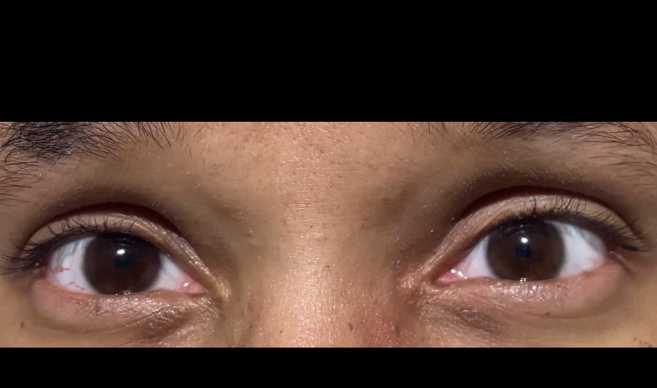 Figure 1
Peer Reviews
No public reviews on file for this paper yet. If you reviewed it on a platform where reviews are public (OpenReview, ICLR, NeurIPS, ICML), you can paste yours below so the community can read it here.
Videos
No videos yet. Explain this paper in a talk, walkthrough, or lecture? Add one.
Taxonomy
TopicsOcular Disorders and Treatments · Dermatological and Skeletal Disorders · Biomedical Research and Pathophysiology
Patient Presentation
1
A 31-year-old woman presented to the emergency department for the third time in 4 weeks with vomiting, unstable gait, and odd behavior. She had a history of chronic nausea and vomiting. She denied any history of alcohol use. Physical examination showed vertical nystagmus (Video), hyperreflexia, ataxia, and an odd affect. Computed tomography and magnetic resonance imaging of the brain were normal. Laboratory results were normal except for a vitamin B1 (thiamine) level of 30 nmol/L (reference range 78-185 nmol/L).VideoOcular video demonstrating vertical nystagmus associated with Wernicke encephalopathy.
Diagnosis
2
Wernicke Encephalopathy
2.1
The patient was diagnosed and treated for Wernicke encephalopathy with thiamine 500 mg every 6 hours for 5 days. She was discharged on hospital day 8 on oral thiamine supplementation.
Wernicke encephalopathy is most commonly a consequence of chronic alcoholism, which impairs thiamine absorption.1 However, as in this patient with chronic vomiting, it can also occur with malnutrition, which is uncommon in the United States.
Thiamine plays a vital role in cellular processes, namely the production of ATP. Thiamine deficiency results in metabolic dysfunction that can lead to cell death and the neurologic complications of Wernicke encephalopathy.1
The clinical manifestations of Wernicke encephalopathy are described by a triad of ocular dysfunction, ataxia, and altered mental status.2 Ocular dysfunction is the principal diagnostic finding. Nystagmus may present vertically—as shown in the Video—or horizontally. Ataxia and altered mental status are frequently observed—with altered mental status present in 90% of patients. The complete triad is found in less than one-third of patients.2
Early recognition and prompt thiamine replacement are critical to prevent irreversible cognitive impairment.
Funding and Support
By JACEP Open policy, all authors are required to disclose any and all commercial, financial, and other relationships in any way related to the subject of this article as per ICMJE conflict of interest guidelines (see www.icmje.org). The authors have stated that no such relationships exist.
Conflict of Interest
All authors have affirmed they have no conflicts of interest to declare.
The reference list from the paper itself. Each links out to its DOI / PubMed record.