The "double-edged sword" effect of non-steroidal anti-inflammatory drugs (NSAIDs) in the treatment of endometriosis (EMS)
Zunlin Shi, Zhi Li, Yirou Li, Fan Yang

TL;DR
This study shows that NSAIDs used for endometriosis pain may worsen the disease in some cases, but indomethacin has a unique dual effect that could guide more precise treatment.
Contribution
This study introduces a new framework combining network toxicology, genetic analysis, and structural biology to reveal the 'target-oriented heterogeneous effects' of NSAIDs in endometriosis.
Findings
NSAIDs may promote endometriosis progression via the EPHB4 pathway, but indomethacin uniquely targets both protective and risk-associated pathways.
Molecular docking confirms indomethacin's strong binding to PTGER4 and EPHB4, explaining its dual regulatory mechanism.
EPHB4 is identified as a central gene linking NSAID effects to angiogenesis in endometriosis.
Abstract
Non-steroidal anti-inflammatory drugs (NSAIDs) are commonly used to alleviate pain associated with endometriosis (EMS), yet the impact of their long-term use on disease progression remains unclear. This study investigates the dual role of NSAIDs in EMS pathogenesis using network toxicology and Mendelian randomization (MR). The toxicity and ADMET profiles of nine NSAIDs were screened using ProTox 3.0 and ADMETlab 2.0. Potential drug targets were predicted using PharmMapper, STITCH, and SwissTargetPrediction, while EMS-related targets were retrieved from GeneCards, OMIM, and CTD databases. For the MR analysis, cis-eQTLs for whole blood tissue from GTEx v8 served as instrumental variables, based on the inflammatory nature of endometriosis. Outcome data were from an independent GWAS summary dataset (19,588 cases, 213,669 controls). Our analysis adhered to MR independence assumptions,…
Genes, proteins, chemicals, diseases, species, mutations and cell lines named across the full text — each resolved to its canonical identifier and authoritative record.
Click any figure to enlarge with its caption.
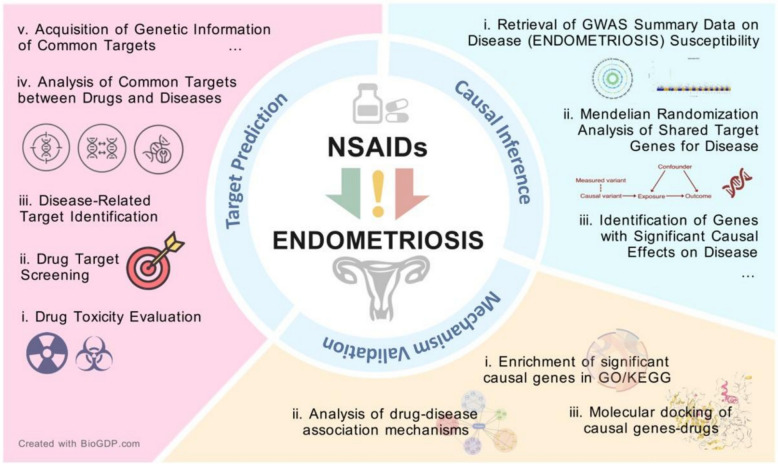 Figure 1
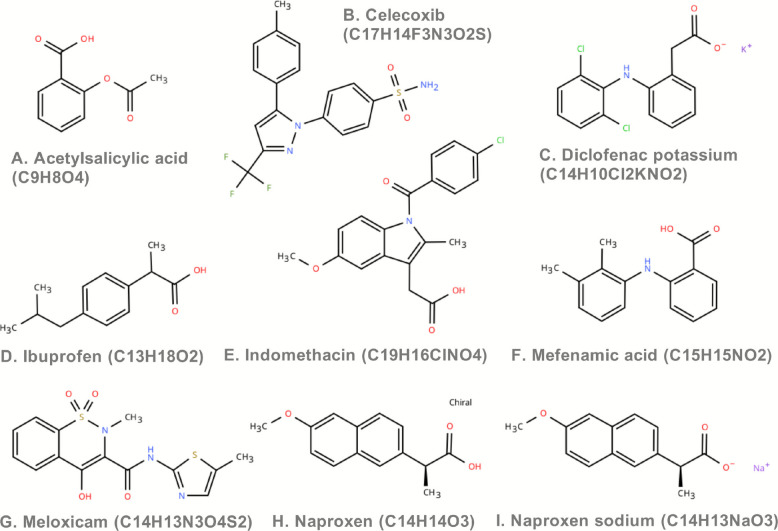 Figure 2
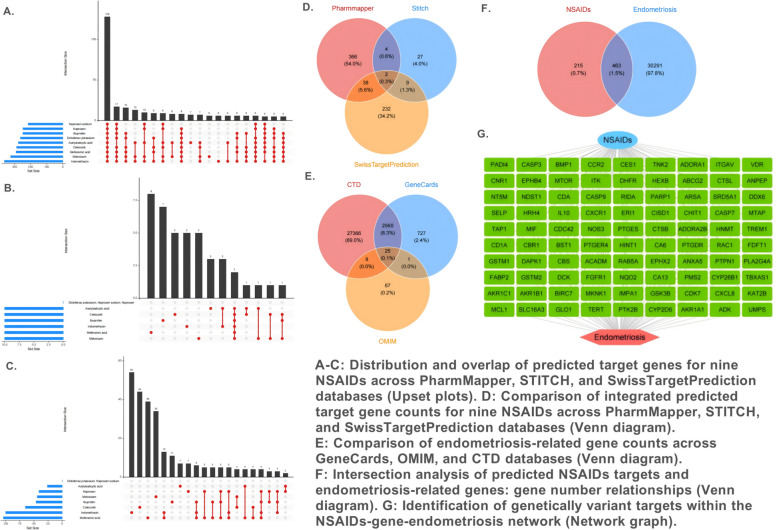 Figure 3
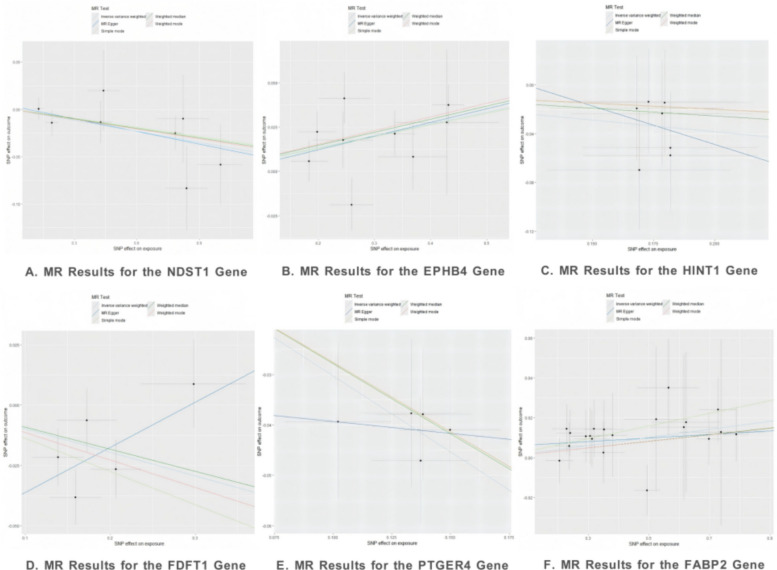 Figure 4
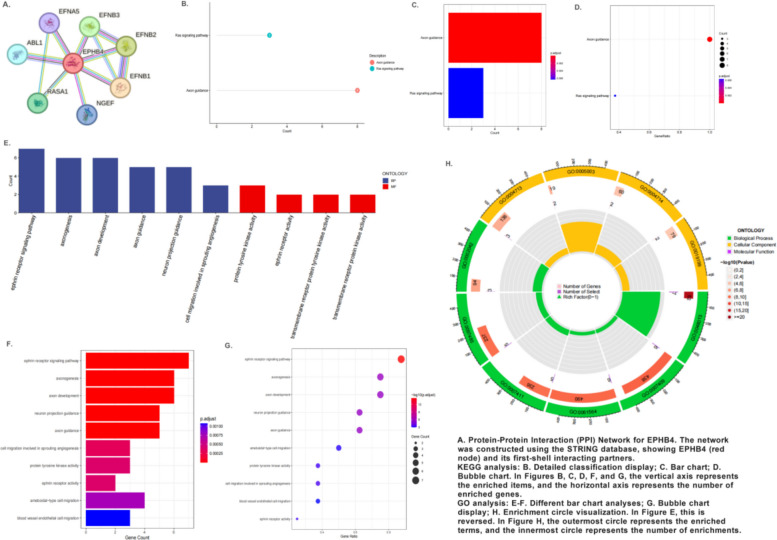 Figure 5
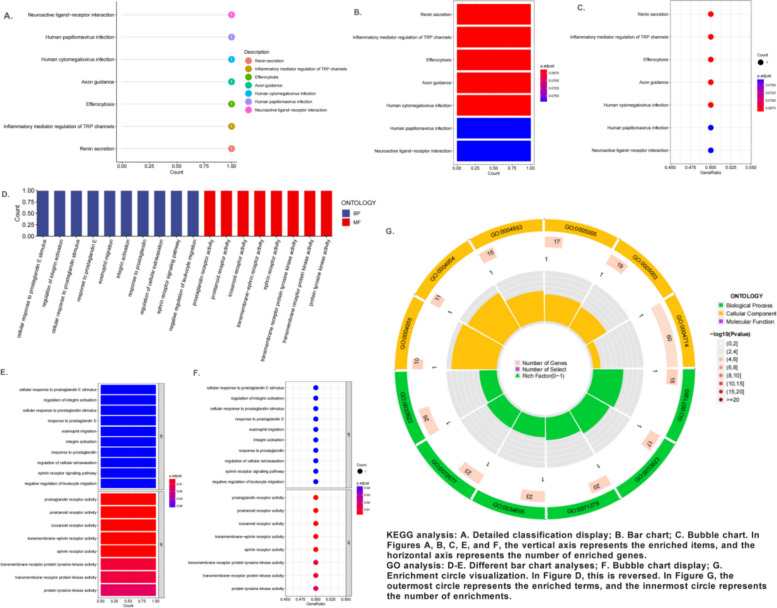 Figure 6
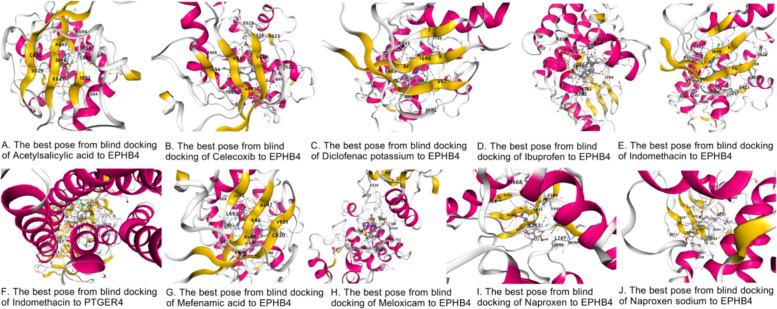 Figure 7
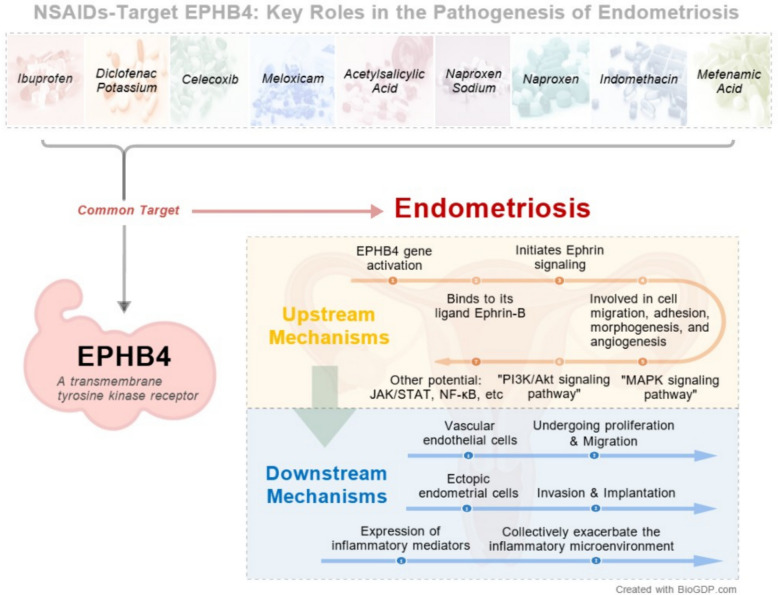 Figure 8
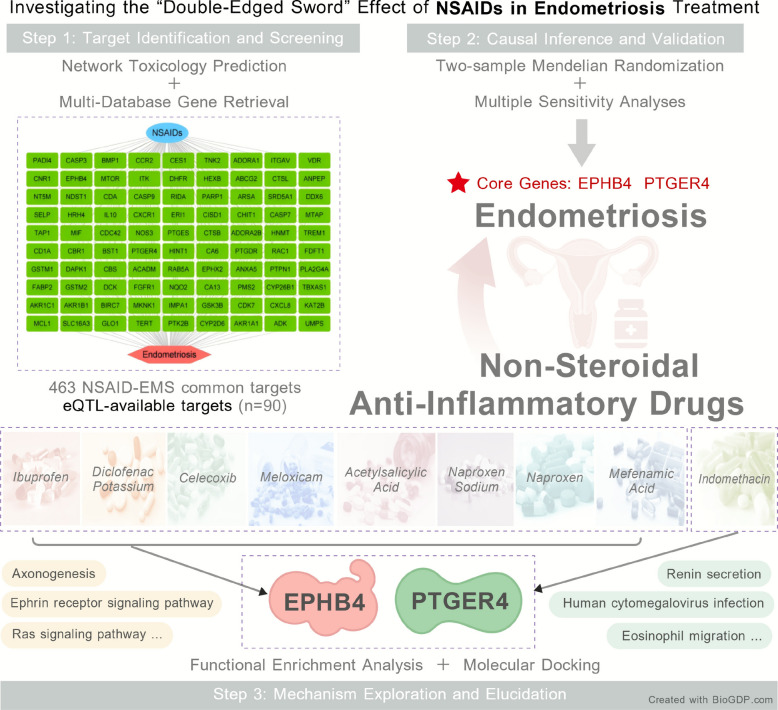 Figure 9
Peer Reviews
No public reviews on file for this paper yet. If you reviewed it on a platform where reviews are public (OpenReview, ICLR, NeurIPS, ICML), you can paste yours below so the community can read it here.
Videos
No videos yet. Explain this paper in a talk, walkthrough, or lecture? Add one.
Taxonomy
TopicsEndometriosis Research and Treatment · Pregnancy and Medication Impact · Reproductive System and Pregnancy