Exploring How Workflow Variations in Denaturation-Based Assays Impact Global Protein–Protein Interaction Predictions
Tavis J. Reed, Laura M. Haubold, Josiah E. Hutton, Olga G. Troyanskaya, Ileana M. Cristea

TL;DR
This study compares different methods for mapping protein interactions and shows how adjusting workflows can improve results, especially when working with small samples.
Contribution
The study introduces optimized low-sample workflows and highlights the value of insoluble fractions in capturing unique protein interactions.
Findings
Insoluble fractions in TPCA and I-PISA workflows reveal unique protein interaction populations.
Label-free DIA TPCA performs as well as traditional TMT DDA workflows with much less sample input.
Influenza A infection-driven changes in protein interactions are better captured by combining soluble and insoluble workflow data.
Abstract
Protein denaturation-based assays, such as thermal proximity coaggregation (TPCA) and ion-based proteome-integrated solubility alteration (I-PISA), are powerful tools for characterizing global protein–protein interaction (PPI) networks. These workflows utilize different denaturation methods to probe PPIs, i.e., thermal- or ion-based. How denaturation differences influence PPI network mapping remained to be better understood. Here, we provide an experimental and computational characterization of the effect of the denaturation-based PPI assay on the observed PPI networks. We establish the value of both soluble and insoluble fractions in PPI prediction, determine the ability to minimize sample amount requirement, and assess different relative quantification methods during virus infection. Generating paired TPCA and I-PISA datasets, we define both overlapping sets of proteins and distinct…
Genes, proteins, chemicals, diseases, species, mutations and cell lines named across the full text — each resolved to its canonical identifier and authoritative record.
Click any figure to enlarge with its caption.
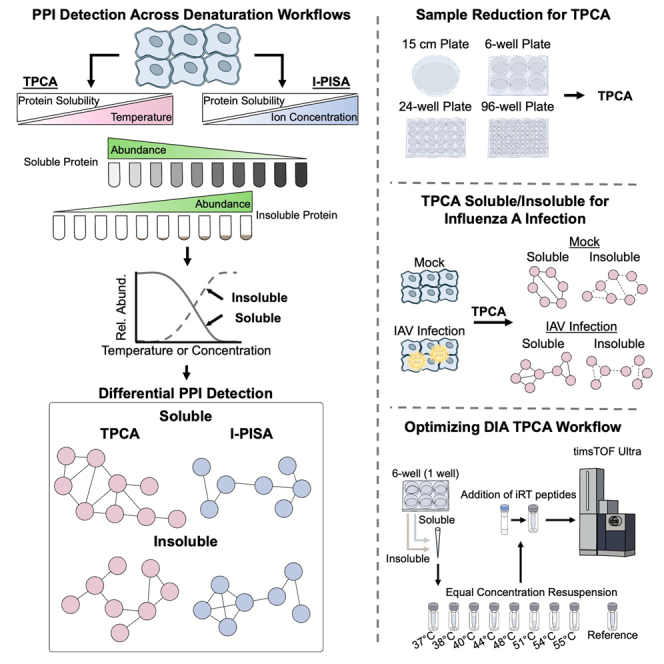 Figure 1
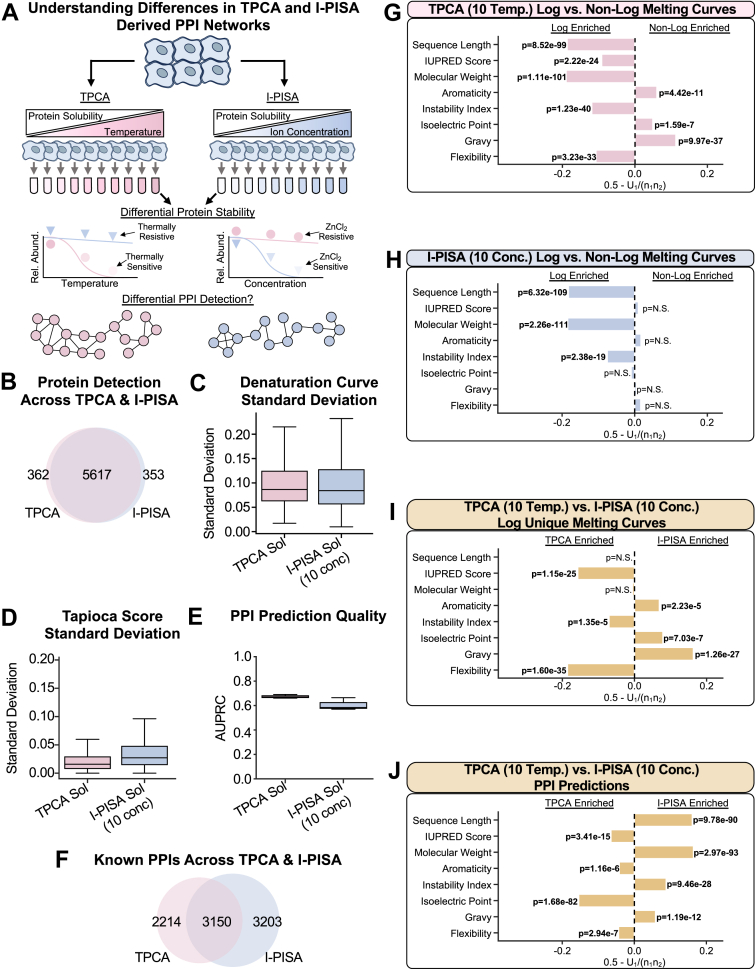 Figure 2
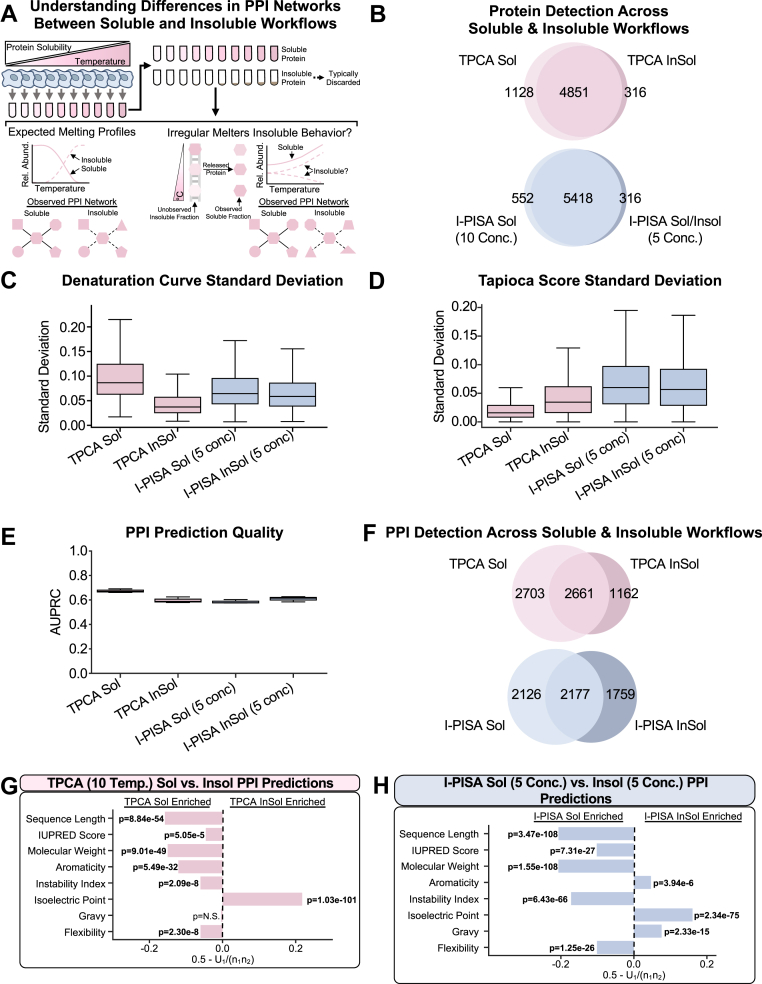 Figure 3
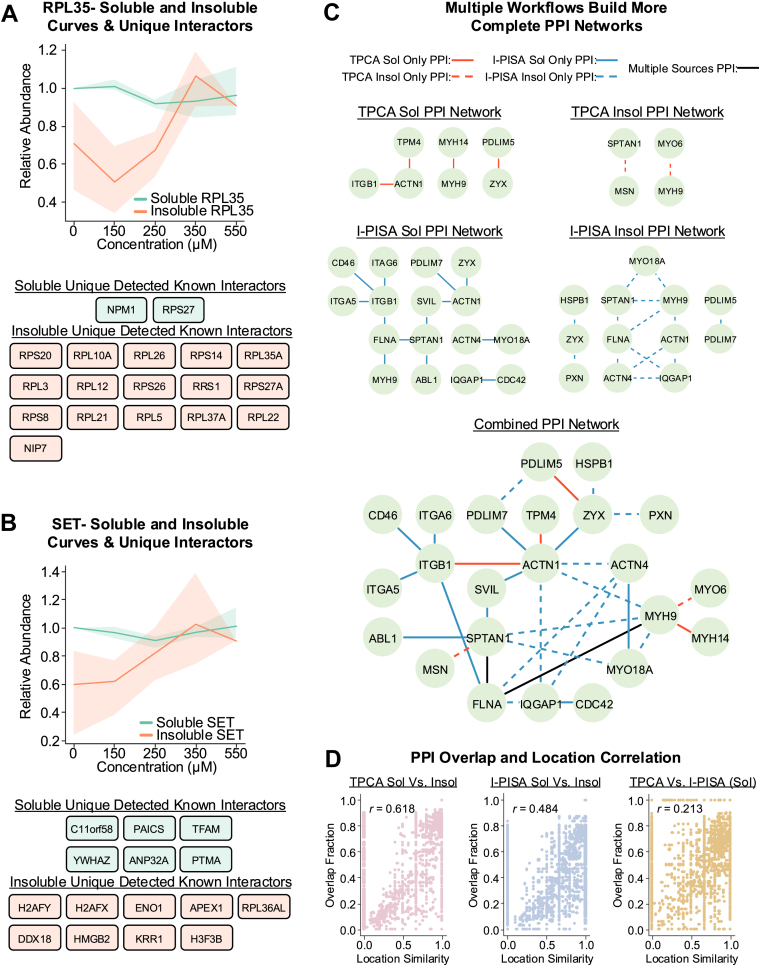 Figure 4
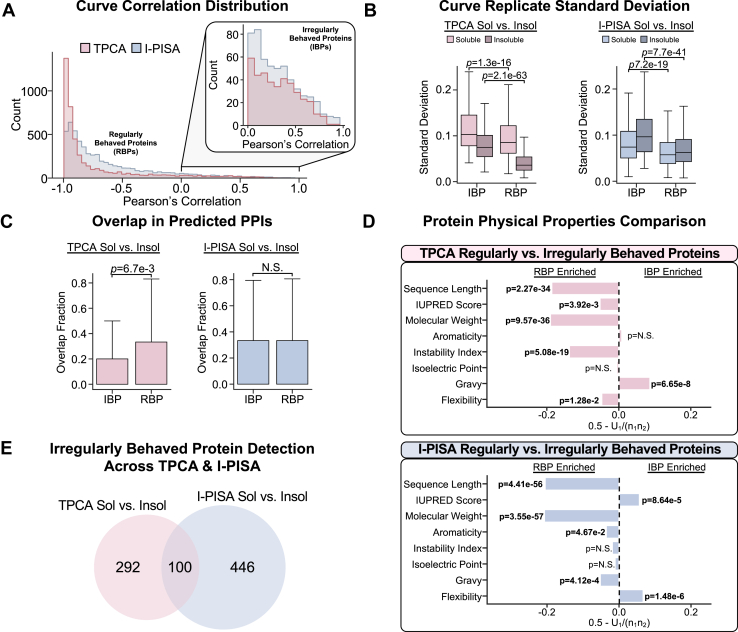 Figure 5
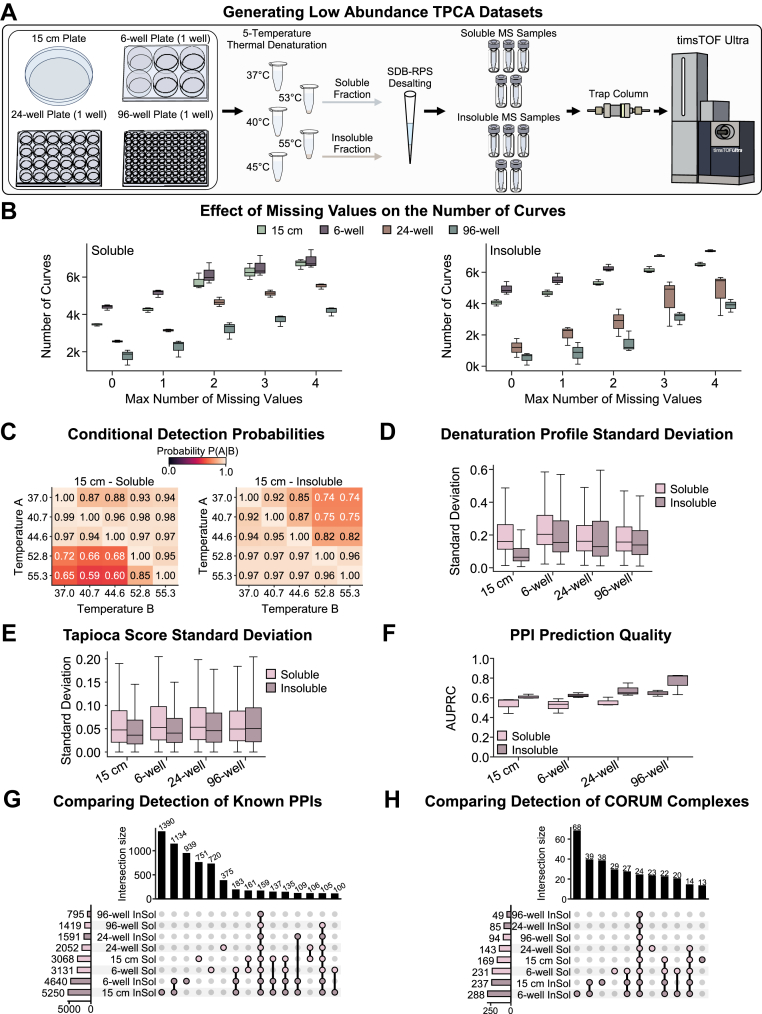 Figure 6
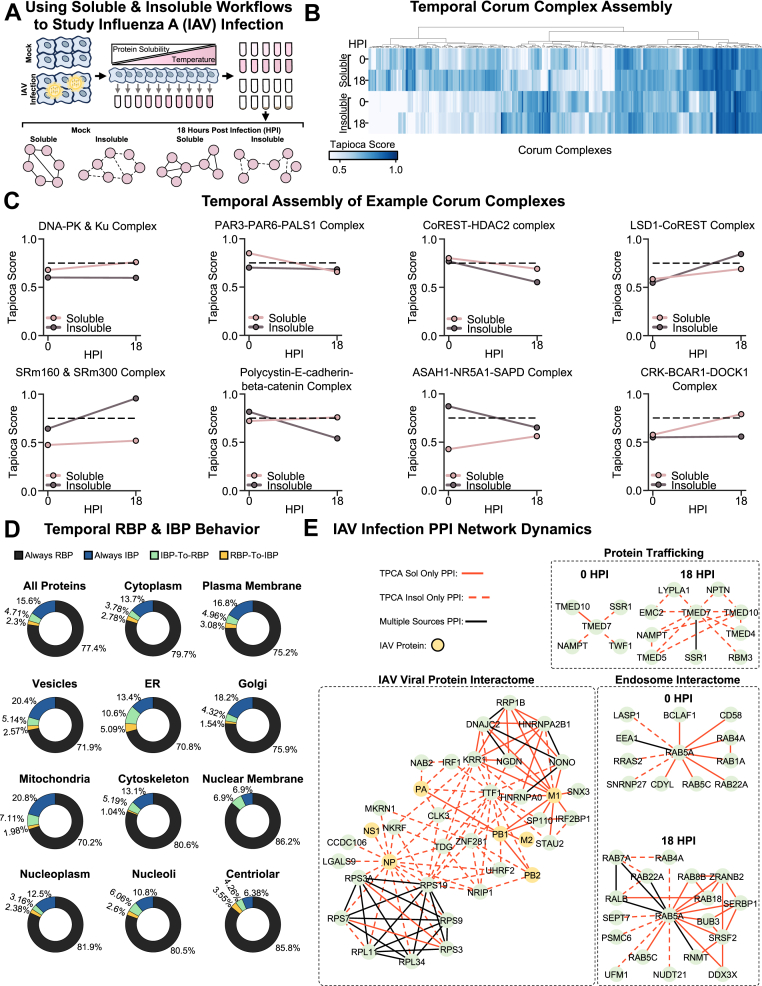 Figure 7
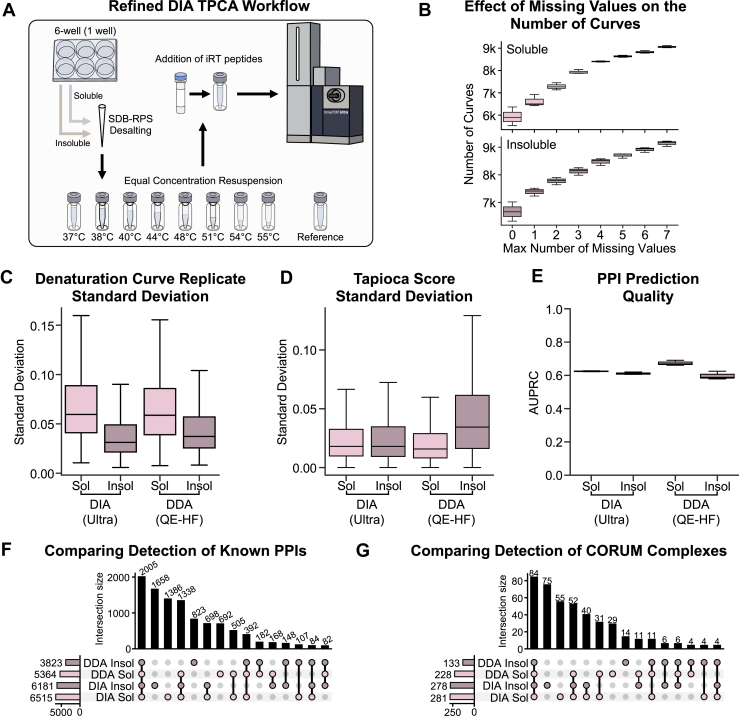 Figure 8
Peer Reviews
No public reviews on file for this paper yet. If you reviewed it on a platform where reviews are public (OpenReview, ICLR, NeurIPS, ICML), you can paste yours below so the community can read it here.
Videos
No videos yet. Explain this paper in a talk, walkthrough, or lecture? Add one.
Taxonomy
TopicsBioinformatics and Genomic Networks · Protein Structure and Dynamics · Biotin and Related Studies