GPR68, A Proton-sensing GPCR, Mediates Acid-induced Visceral Nociception
Luke W. Paine, Rohit Gupta, James P. Higham, Javier Aguilera-Lizarraga, Anne Ritoux, Thomas Pritchard, Samuel Nicholson, James R.F. Hockley, Tim Raine, Martin Hausmann, Kyle Bednar, Gerhard Rogler, Fraser Welsh, Ewan St John Smith, David C. Bulmer

TL;DR
GPR68, a proton-sensing receptor, plays a key role in acid-induced pain in colitis, suggesting it could be a new target for pain treatment.
Contribution
This study identifies GPR68 as a novel mediator of acid-induced visceral nociception in colitis.
Findings
GPR68 is expressed in colonic nociceptors and upregulated in inflammatory bowel disease tissue.
Genetic deletion or pharmacological inhibition of GPR68 reduces acid-evoked sensory signaling in mice.
GPR68 modulates proton-dependent signaling but not capsaicin-induced responses in dorsal root ganglion neurons.
Abstract
Localised acidification from immune cell infiltration and heightened glycolysis contributes to colitis pathology by activating acid-sensing receptors such as G protein-coupled receptor 68 (GPR68), a proton-sensing G protein-coupled receptor (GPCR) expressed on immune and stromal cells. Single-cell RNA sequencing (RNA-seq) analysis revealed GPR68 is also expressed in colonic sensory neurons, prompting us to investigate its role in acid-induced colonic nociception. Expression of GPR68 in colonic nociceptors and tissue from people with colitis was confirmed by in silico analysis of our RNA-seq databases. Its contribution to disease activity was assessed using the acute dextran sulphate sodium (DSS) model of colitis. Acid-evoked sensory signalling was evaluated via colonic afferent recordings and Ca2+ imaging in DRG neurons from wild-type and GPR68-/- mice, supported by pharmacological…
Genes, proteins, chemicals, diseases, species, mutations and cell lines named across the full text — each resolved to its canonical identifier and authoritative record.
Click any figure to enlarge with its caption.
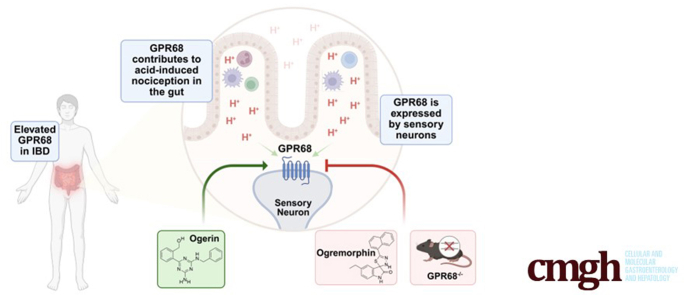 Figure 1
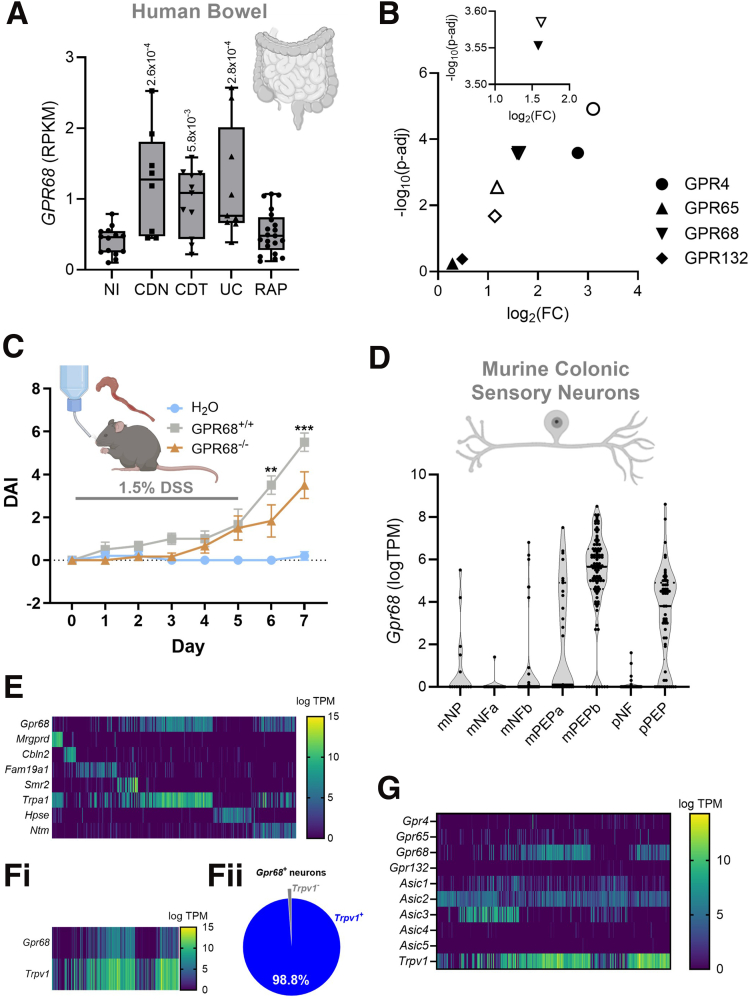 Figure 2
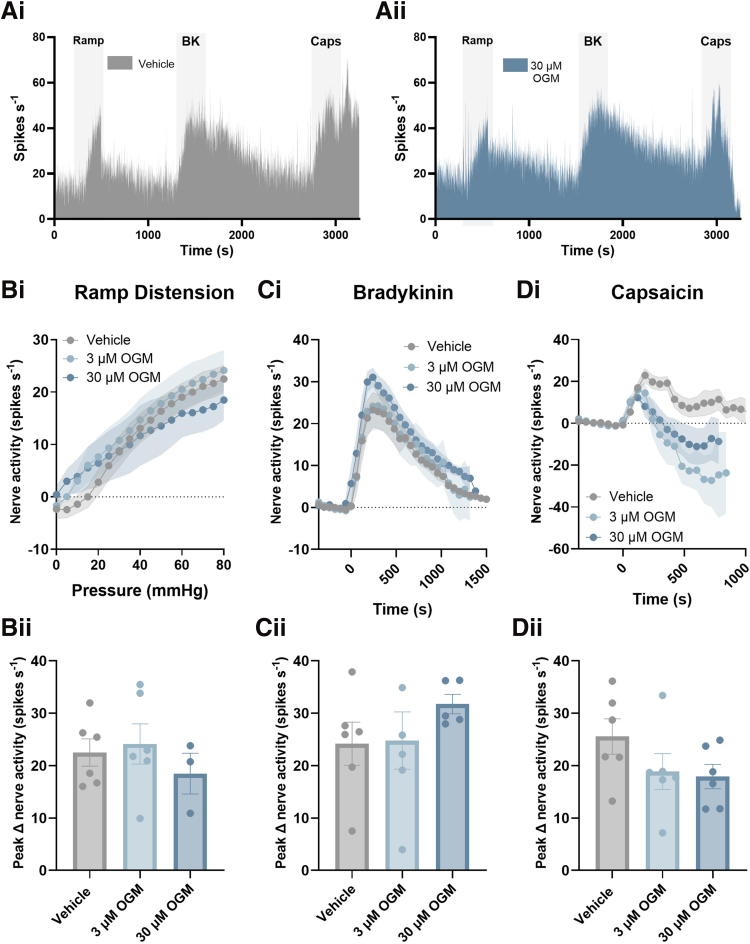 Figure 3
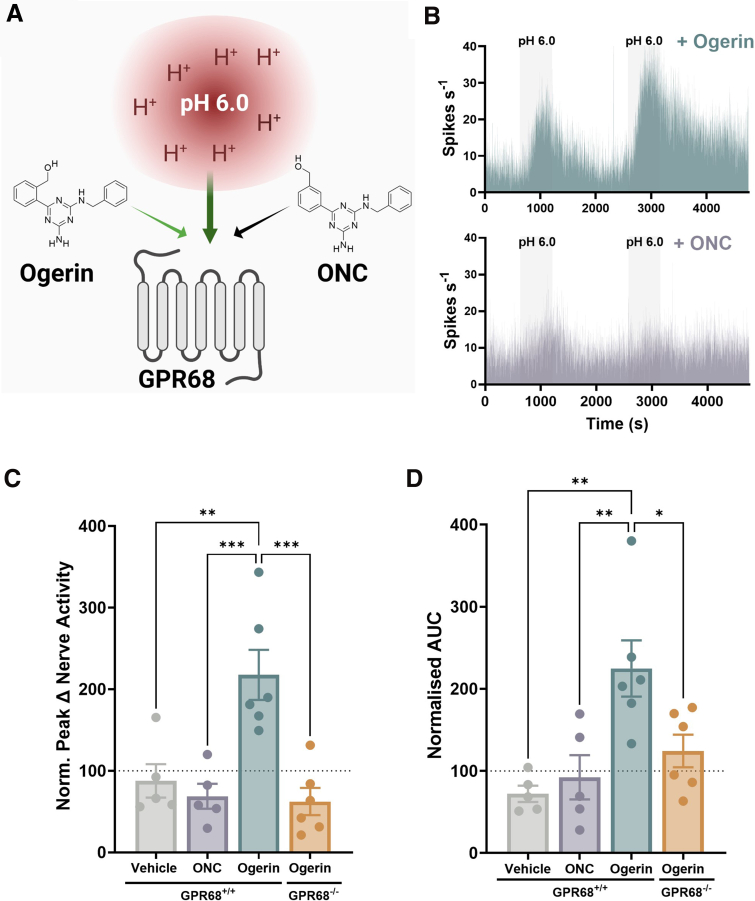 Figure 4
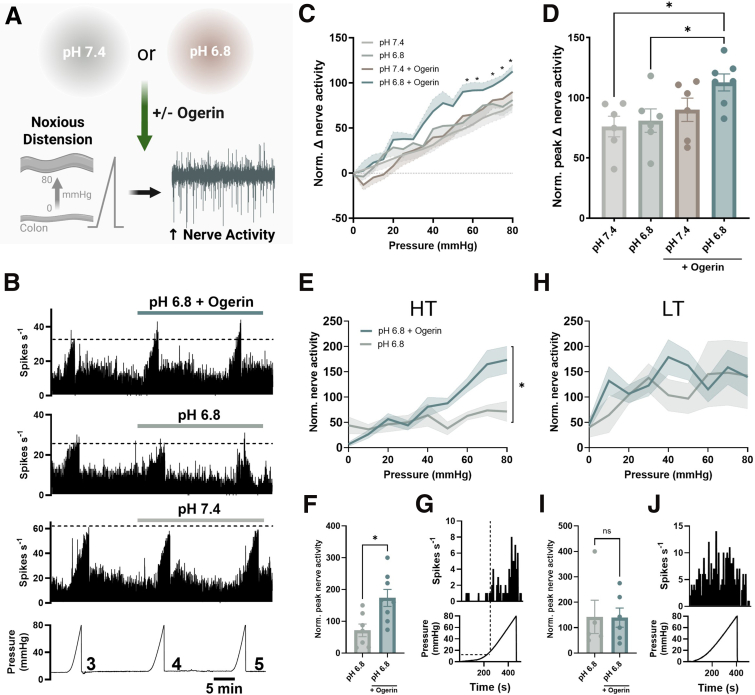 Figure 5
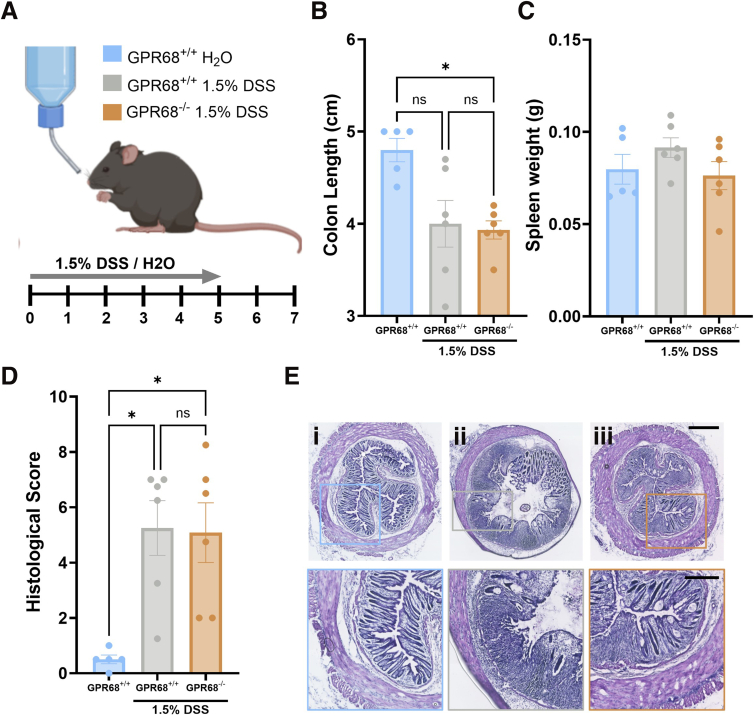 Figure 6
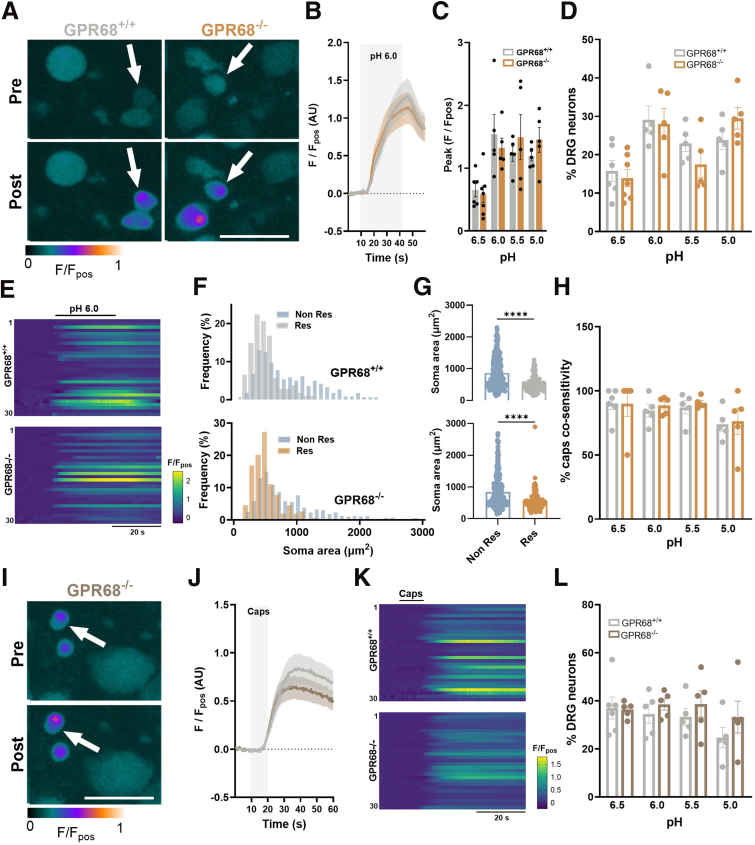 Figure 7
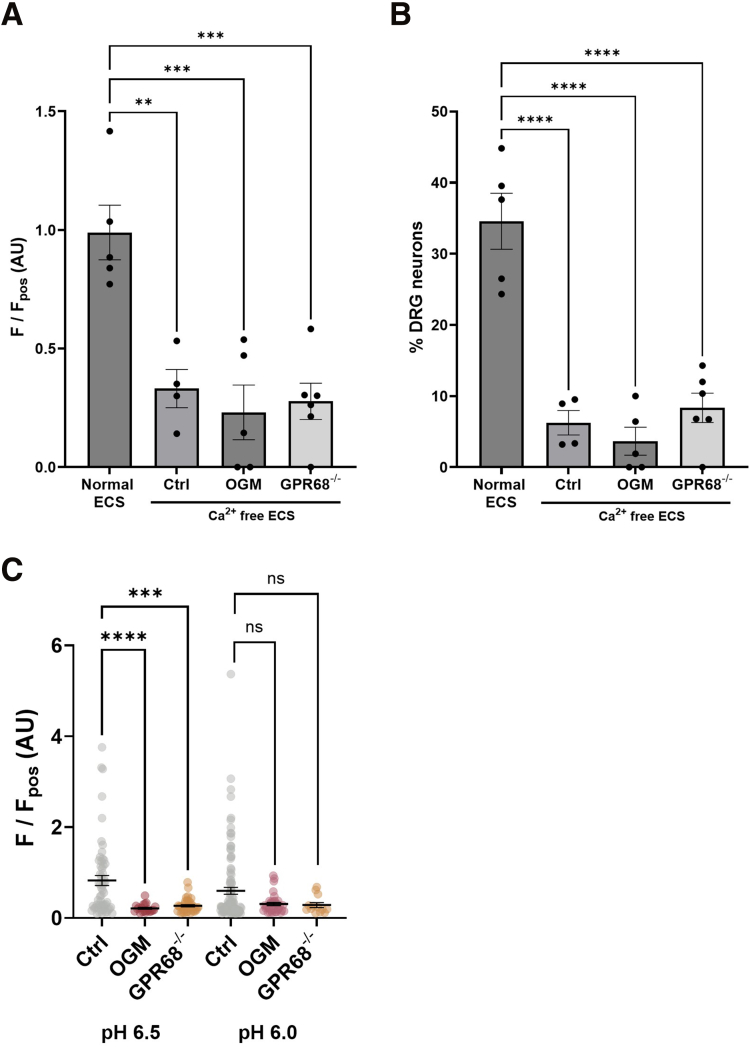 Figure 8
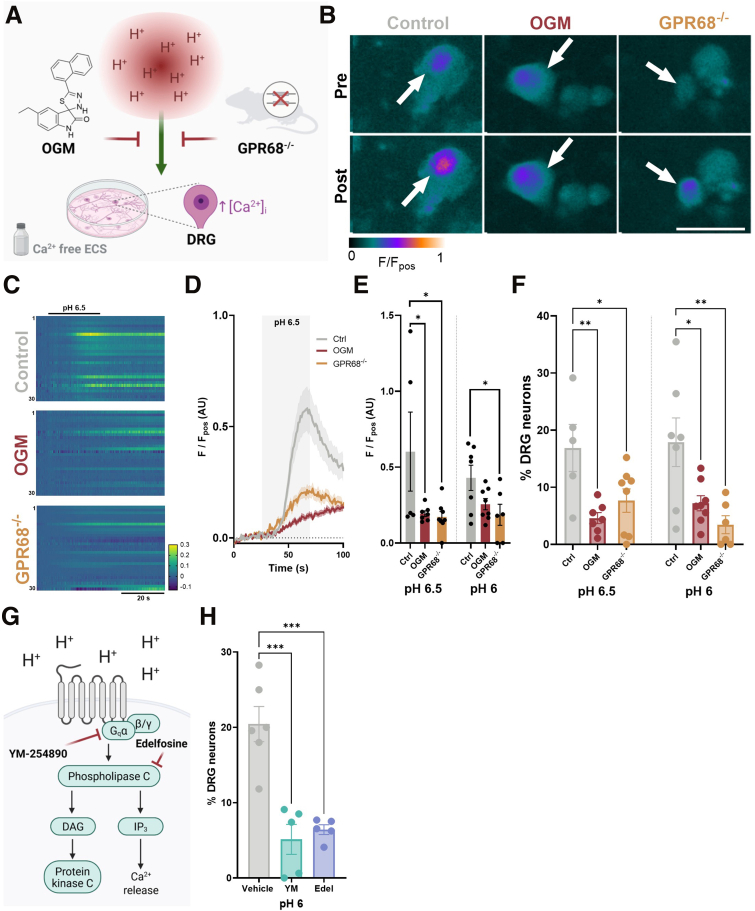 Figure 9
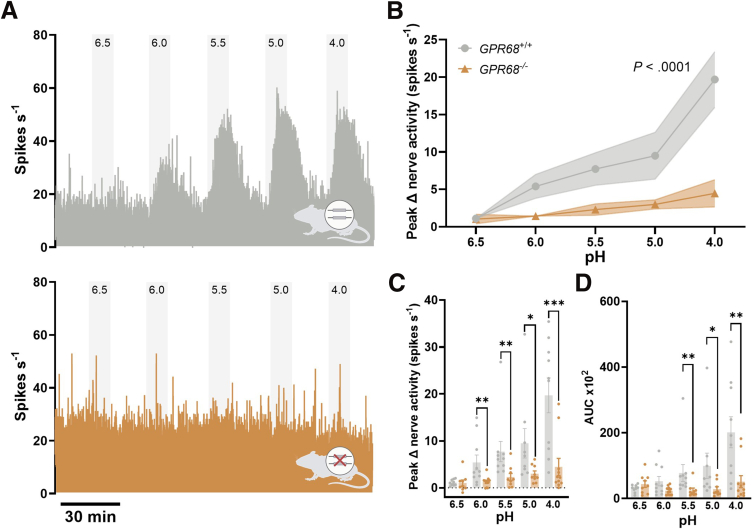 Figure 10
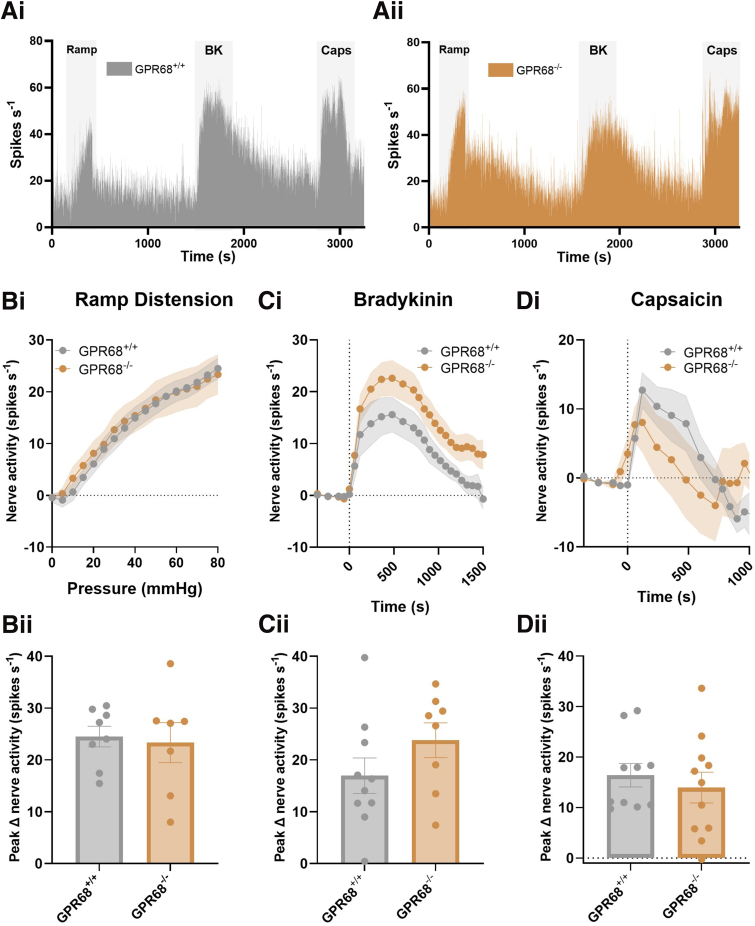 Figure 11
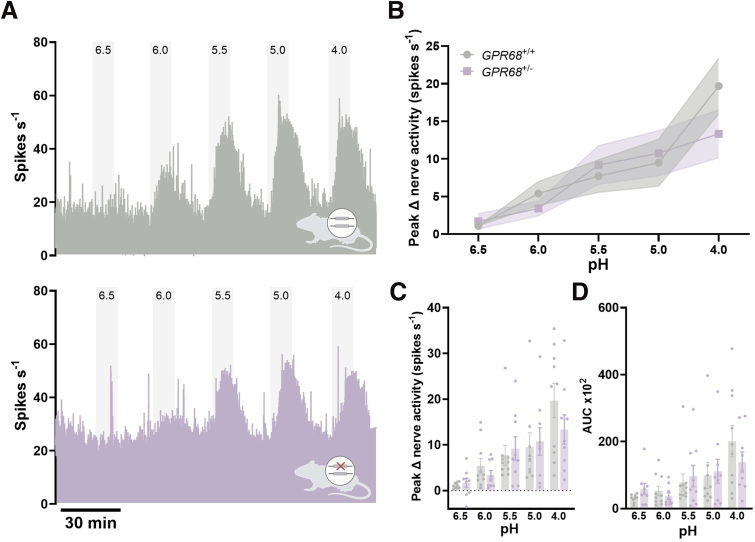 Figure 12
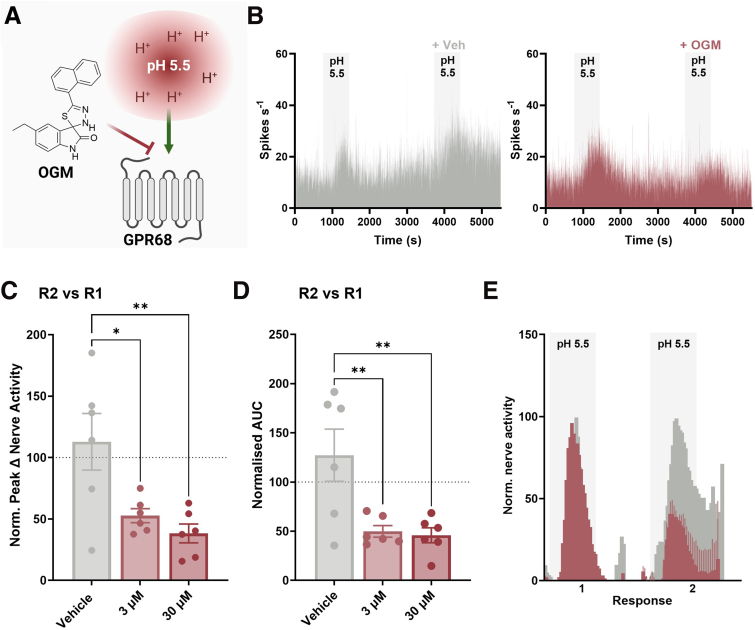 Figure 13
Peer Reviews
No public reviews on file for this paper yet. If you reviewed it on a platform where reviews are public (OpenReview, ICLR, NeurIPS, ICML), you can paste yours below so the community can read it here.
Videos
No videos yet. Explain this paper in a talk, walkthrough, or lecture? Add one.
Taxonomy
TopicsGastroesophageal reflux and treatments · Gastrointestinal motility and disorders · Barrier Structure and Function Studies