Bu-Shen-Tian-Jing Formula alleviates oxidative-inflammatory stress in granulosa cells of polycystic ovary syndrome through AGEs-RAGE/NOX4/NF-κB pathway
Qing Zhang, Jun Ren, Jiayu Ye, Fan Chen, Fuying Xiang, Biwei Shi, Zhishan Zhou, Jinhong Zhou, Fangfang Wang, Fan Qu

TL;DR
This study shows that the traditional Chinese medicine Bu-Shen-Tian-Jing Formula reduces oxidative and inflammatory stress in granulosa cells of PCOS by targeting the AGEs-RAGE/NOX4/NF-κB pathway.
Contribution
The study identifies the AGEs-RAGE/NOX4/NF-κB pathway as a novel mechanism through which Bu-Shen-Tian-Jing Formula alleviates PCOS-related oxidative-inflammatory stress.
Findings
BSTJF reduces granulosa cell apoptosis and oxidative stress in PCOS by inhibiting the AGEs-RAGE/NOX4/NF-κB pathway.
BSTJF demonstrates similar efficacy to the RAGE inhibitor FPS-ZM1 in ameliorating PCOS phenotypes in mice.
Transcriptomic and metabolomic analyses confirm BSTJF's impact on oxidative-inflammatory pathways and metabolic homeostasis.
Abstract
Polycystic ovary syndrome (PCOS) is a prevalent reproductive endocrine disorder. The traditional Chinese medicine Bu-Shen-Tian-Jing Formula (BSTJF) has demonstrated efficacy in ameliorating PCOS-related pathologies, however its therapeutic mechanisms remain incompletely understood. This study aimed to investigate the pharmacological mechanisms by which BSTJF improves ovarian microenvironment in PCOS. BSTJF-containing serum was applied to PCOS granulosa cells (GCs) in vitro for cellular functional assays and transcriptomic sequencing, combined with mass spectrometry-based identification of bioactive components. Network pharmacology and molecular docking were employed to predict multi-target mechanisms of BSTJF against PCOS. In vivo validation utilized an androgen-induced PCOS mouse model divided into five groups: control, PCOS, low-dose BSTJF, high-dose BSTJF, and FPS-ZM1 (RAGE…
Genes, proteins, chemicals, diseases, species, mutations and cell lines named across the full text — each resolved to its canonical identifier and authoritative record.
Click any figure to enlarge with its caption.
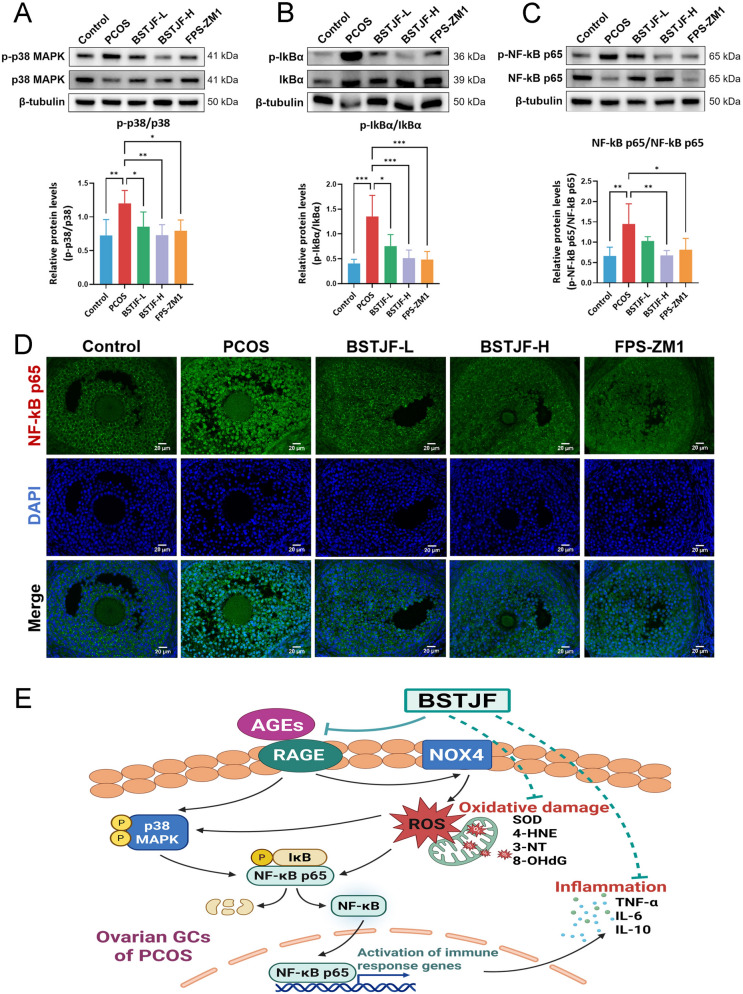 Figure 10
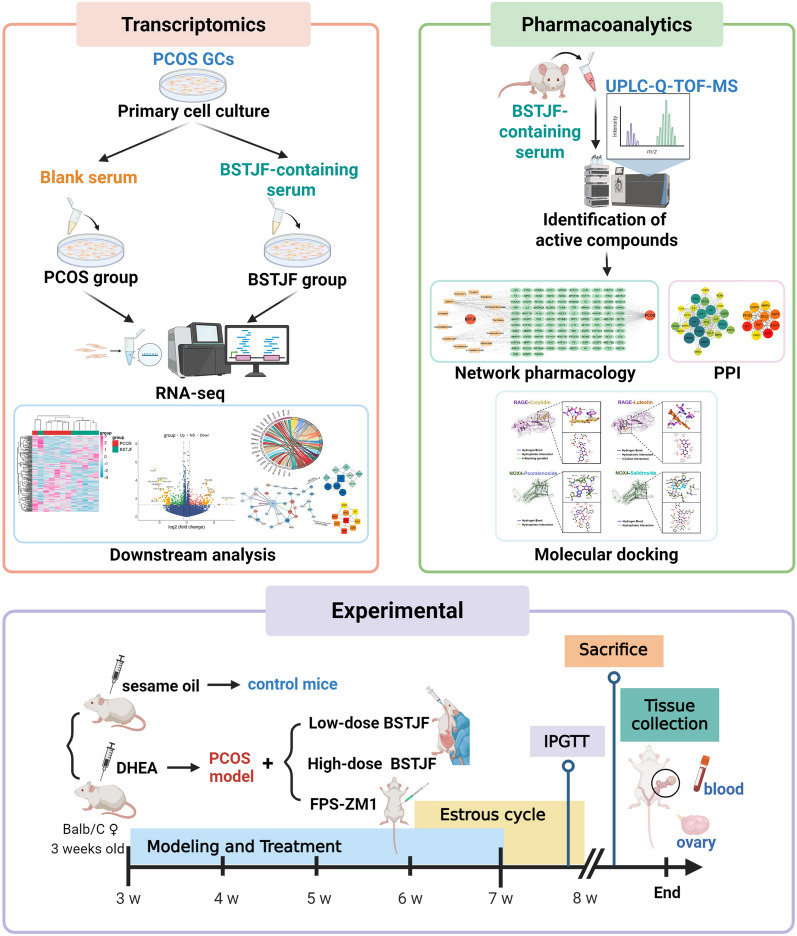 Figure 1
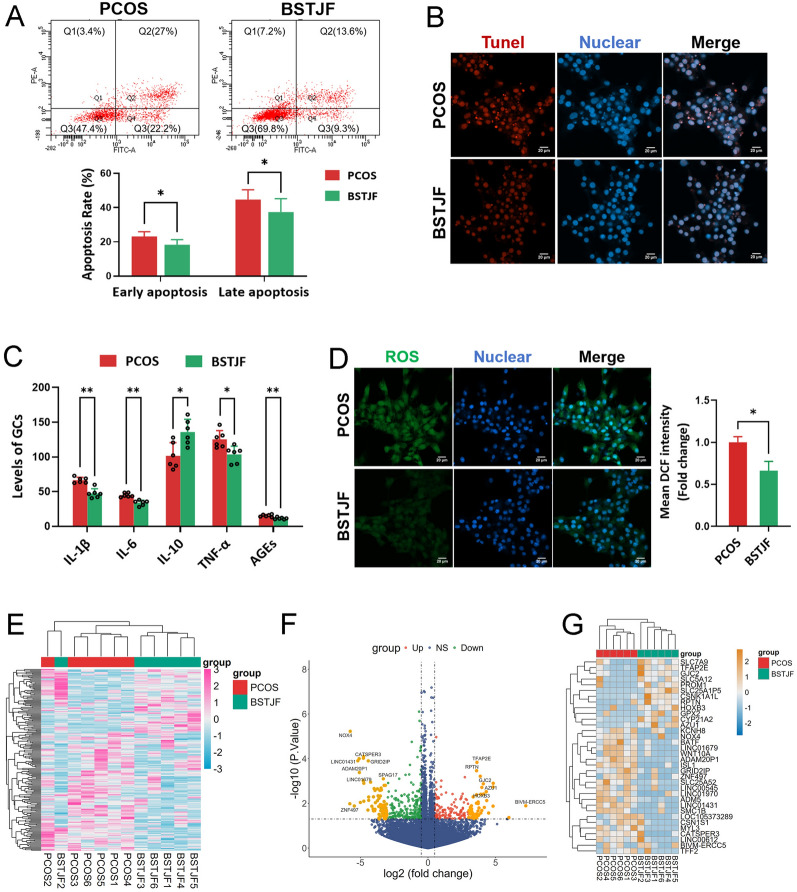 Figure 2
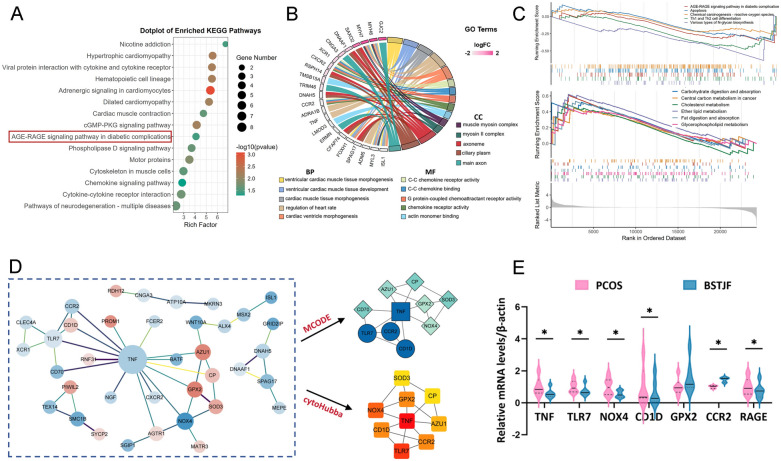 Figure 3
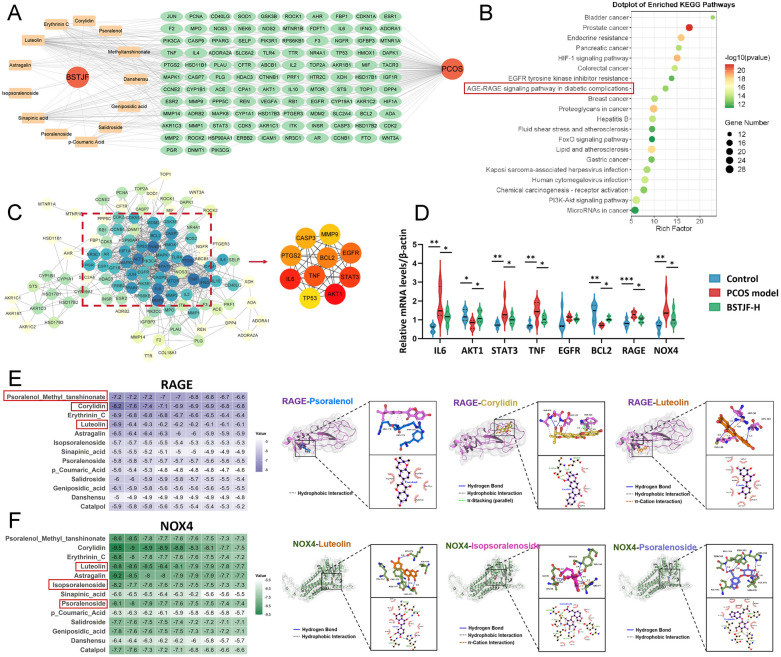 Figure 4
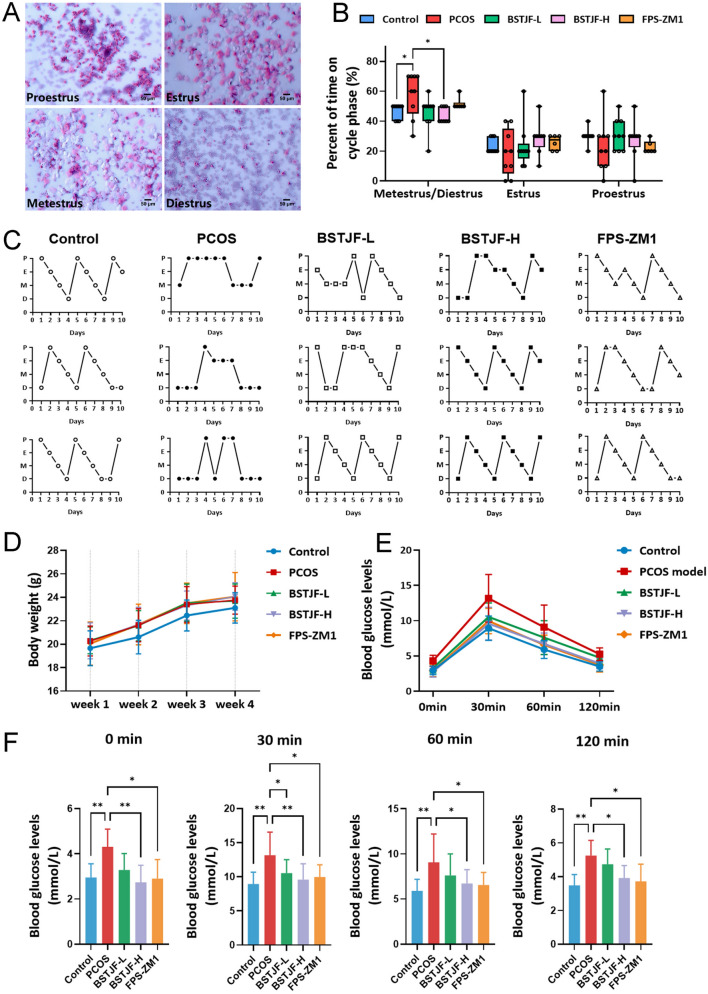 Figure 5
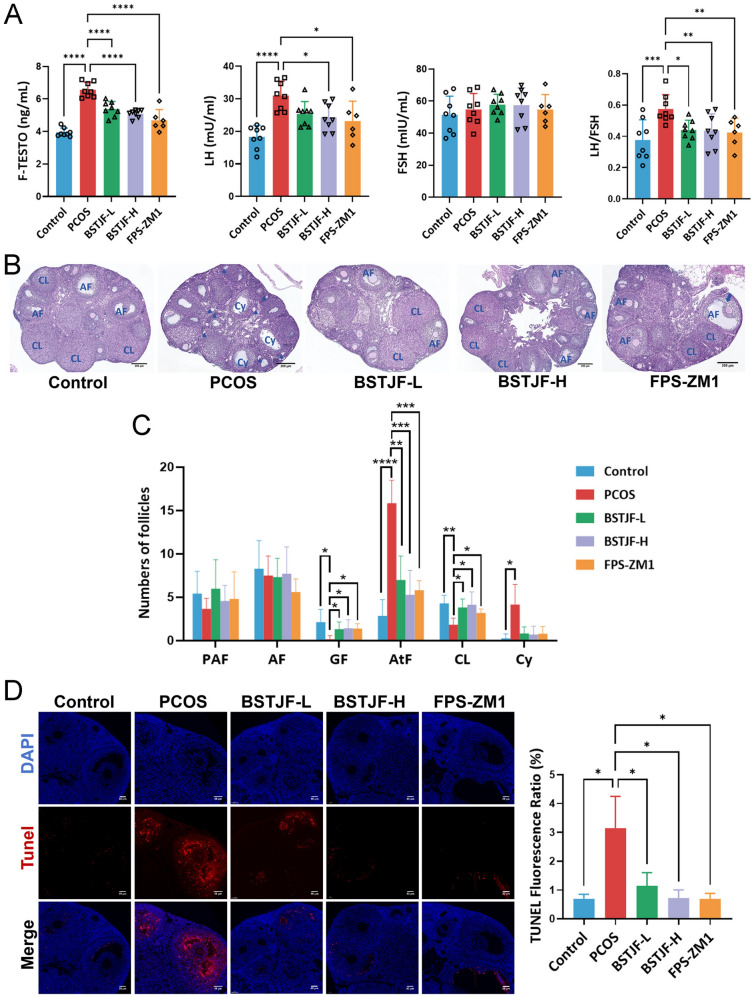 Figure 6
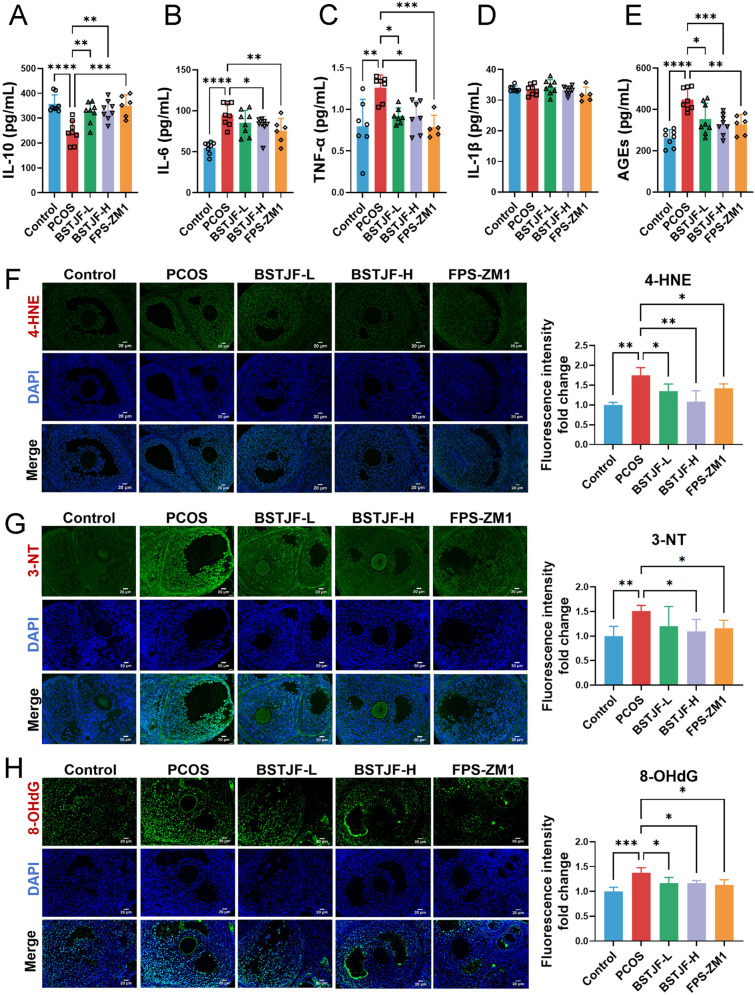 Figure 7
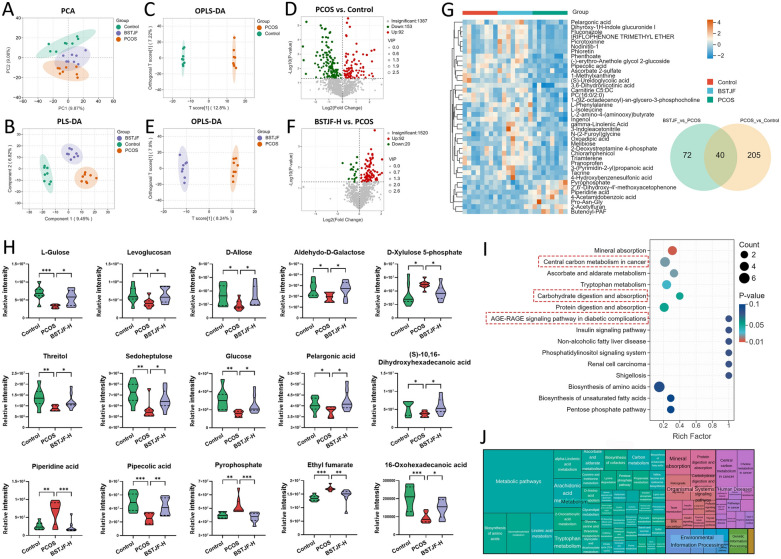 Figure 8
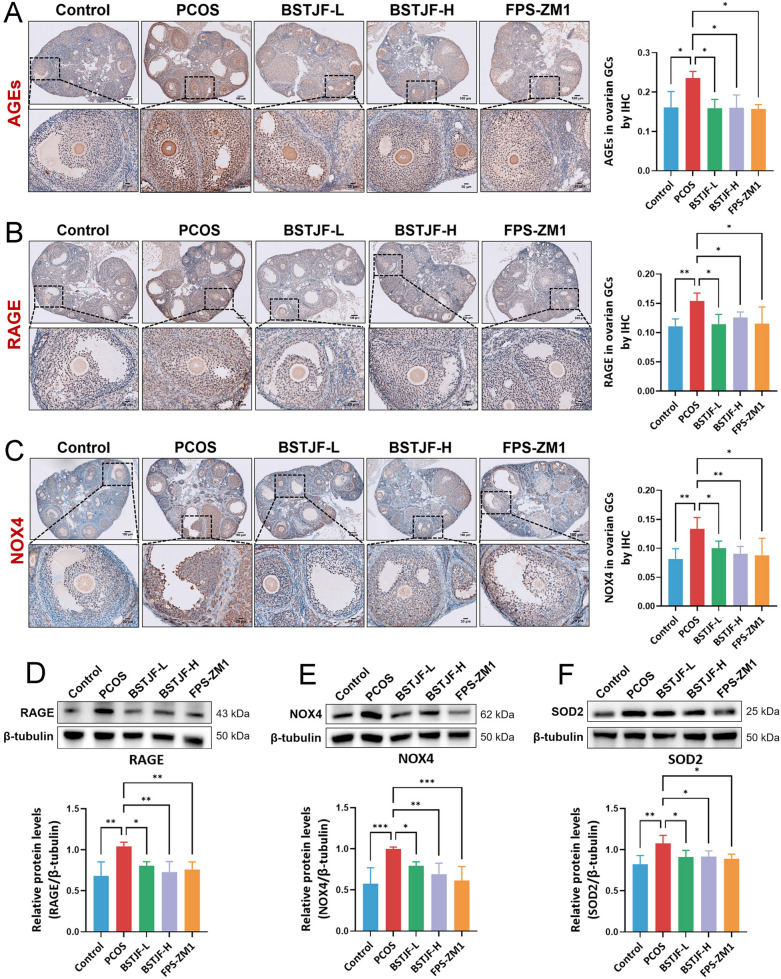 Figure 9
Peer Reviews
No public reviews on file for this paper yet. If you reviewed it on a platform where reviews are public (OpenReview, ICLR, NeurIPS, ICML), you can paste yours below so the community can read it here.
Videos
No videos yet. Explain this paper in a talk, walkthrough, or lecture? Add one.
Taxonomy
TopicsOvarian function and disorders · Reproductive System and Pregnancy · Advanced Glycation End Products research