Computerized cognitive training vs. care as usual to strengthen cognitive, motor, and (neuro)psychological outcomes in people with advanced Parkinson’s disease (TrainParC-Advanced): study protocol of a randomized controlled trial
Paulina M. Olgemöller, Elke Kalbe, Christina van der Linden, Michael T. Barbe, Martin Hellmich, Ann-Kristin Folkerts

TL;DR
This study tests whether digital cognitive training improves cognition and quality of life in people with advanced Parkinson’s disease compared to usual care.
Contribution
The study is one of the first to investigate cognitive training effects in advanced Parkinson’s disease, focusing on feasibility and long-term outcomes.
Findings
Digital cognitive training may improve global cognition in advanced Parkinson’s disease.
The study will identify predictors of cognitive training responsiveness in this population.
Feasibility and acceptability of remote cognitive training will be assessed in a large cohort.
Abstract
Cognitive impairment is common in Parkinson’s disease (PD). Up to 80% of people with PD develop dementia over the disease course, heavily impacting their quality of life. While pharmacological treatment options are scarce, previous research highlights the potential benefits of non-pharmacological interventions, such as cognitive training (CT), on cognition and non-cognitive outcomes. This study’s purpose is to examine the feasibility as well as short- and long-term effects of a 5-week digital CT in people with advanced PD, compared to people with advanced PD receiving care as usual, and to explore possible predictors of CT responsiveness. This ongoing monocentric, two-armed randomized controlled trial (RCT) seeks to include 140 participants with advanced PD according to the established 5-2-1 criteria. Participants are randomized into either the experimental group, receiving a…
Genes, proteins, chemicals, diseases, species, mutations and cell lines named across the full text — each resolved to its canonical identifier and authoritative record.
Click any figure to enlarge with its caption.
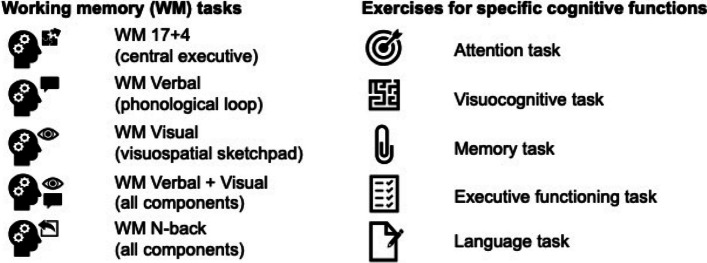 Figure 1
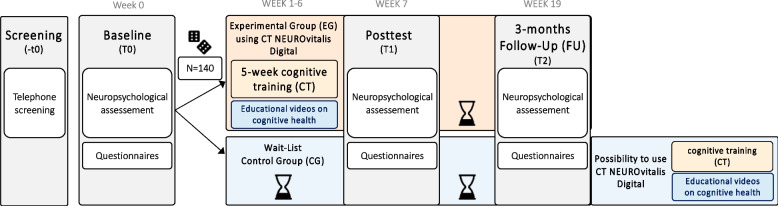 Figure 2
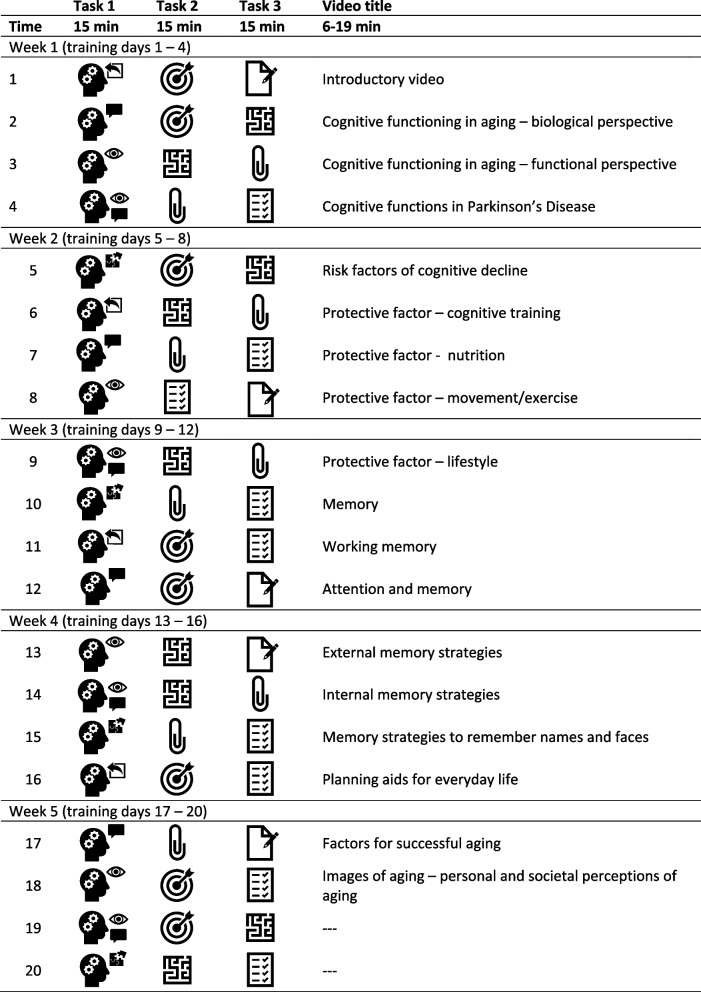 Figure 3
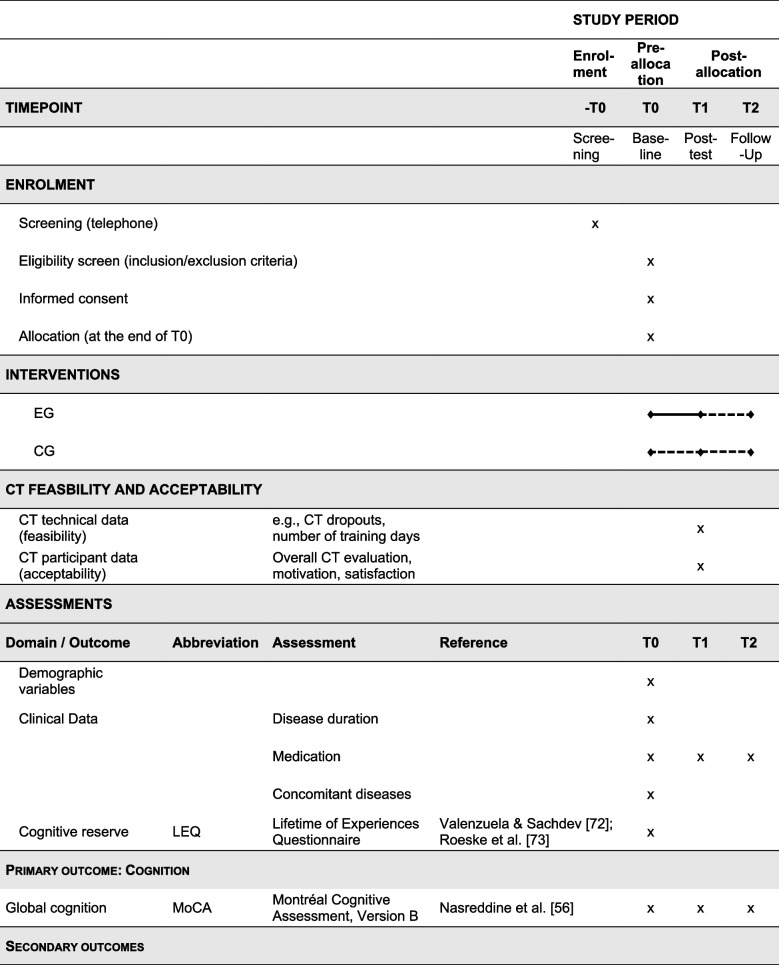 Figure 4
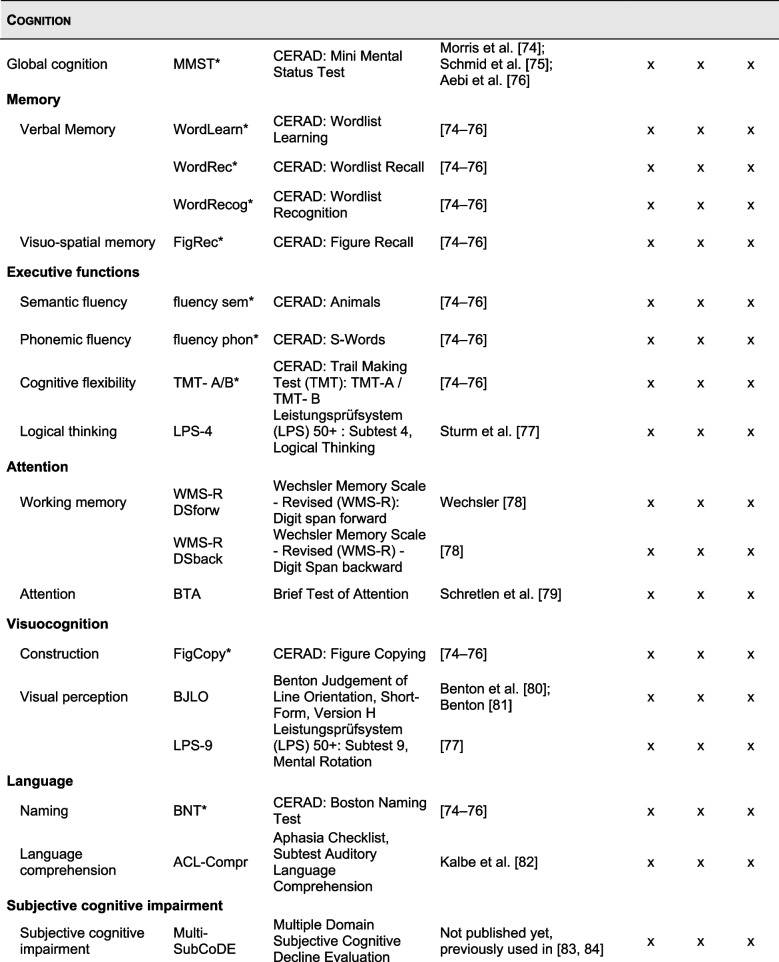 Figure 5
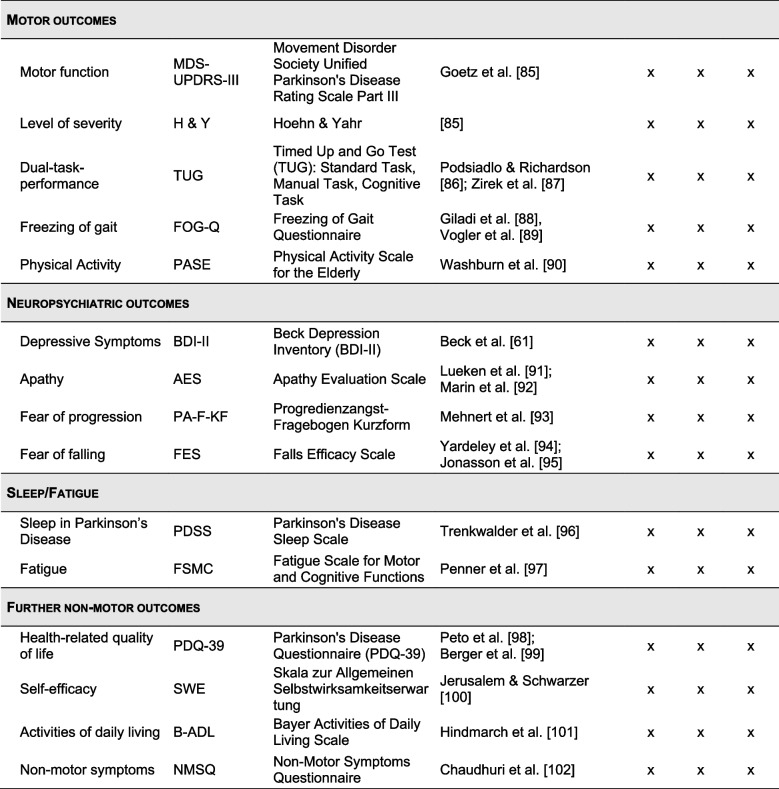 Figure 6
Peer Reviews
No public reviews on file for this paper yet. If you reviewed it on a platform where reviews are public (OpenReview, ICLR, NeurIPS, ICML), you can paste yours below so the community can read it here.
Videos
No videos yet. Explain this paper in a talk, walkthrough, or lecture? Add one.
Taxonomy
TopicsParkinson's Disease Mechanisms and Treatments · Dementia and Cognitive Impairment Research · Older Adults Driving Studies