Hemozoin induces neuronal injury primarily characterized by axon rupture and mitochondrial damage in experimental cerebral malaria
Tong Li, Dongmei Dang, Yan Shen, Jun Wang, Yuxiao Huang, Qinghao Zhu, Yi Wang, Chao Yang, Ganze Li, Jiayi Sun, Aining Zhang, Pengtao Li, Jiao Liang, Ya Zhao

TL;DR
This study shows that hemozoin, a byproduct of malaria parasites, directly harms neurons by damaging axons and mitochondria, leading to brain injury in cerebral malaria.
Contribution
The study is the first to demonstrate that hemozoin directly adheres to and is internalized by neurons, causing structural and mitochondrial damage.
Findings
Hemozoin adheres to neurons and is internalized into their cytoplasm, causing axon rupture and plasma membrane disruption.
Hemozoin induces mitochondrial dysfunction, reduced ATP levels, and increased reactive oxygen species in neurons.
Hemozoin upregulates neuronal nitric oxide synthase activity and decreases neurotransmitter levels like glutamate.
Abstract
Cerebral malaria (CM) is the most serious and fatal neurological complication of Plasmodium falciparum infection, which can cause death or long-term neurological sequelae. Neuronal injury is a primary cause of these sequelae in patients with CM; however, the underlying mechanisms remain incompletely elucidated. Hemozoin (Hz), the metabolic byproduct of hemoglobin digested by Plasmodium parasites, is closely associated with the severity of CM. However, it is not clear whether Hz is a direct contributor to neuronal injury. C57BL/6 J mice were infected with the Plasmodium berghei ANKA (PbA) strain to induce experimental cerebral malaria (ECM). Hz deposition and neuronal injury in ECM mice brain tissues were assessed using histopathological staining. In vitro, primary cortical neurons were stimulated with purified hemozoin (pHz). Neuronal morphology, pHz internalization, and injury…
Genes, proteins, chemicals, diseases, species, mutations and cell lines named across the full text — each resolved to its canonical identifier and authoritative record.
Click any figure to enlarge with its caption.
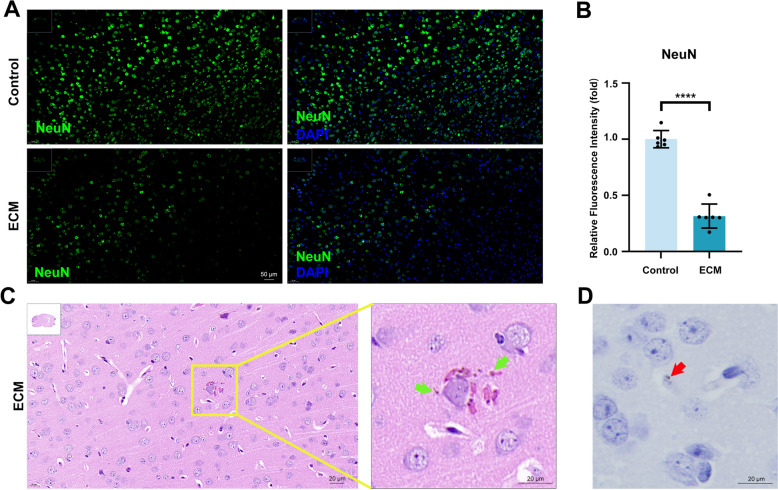 Figure 1
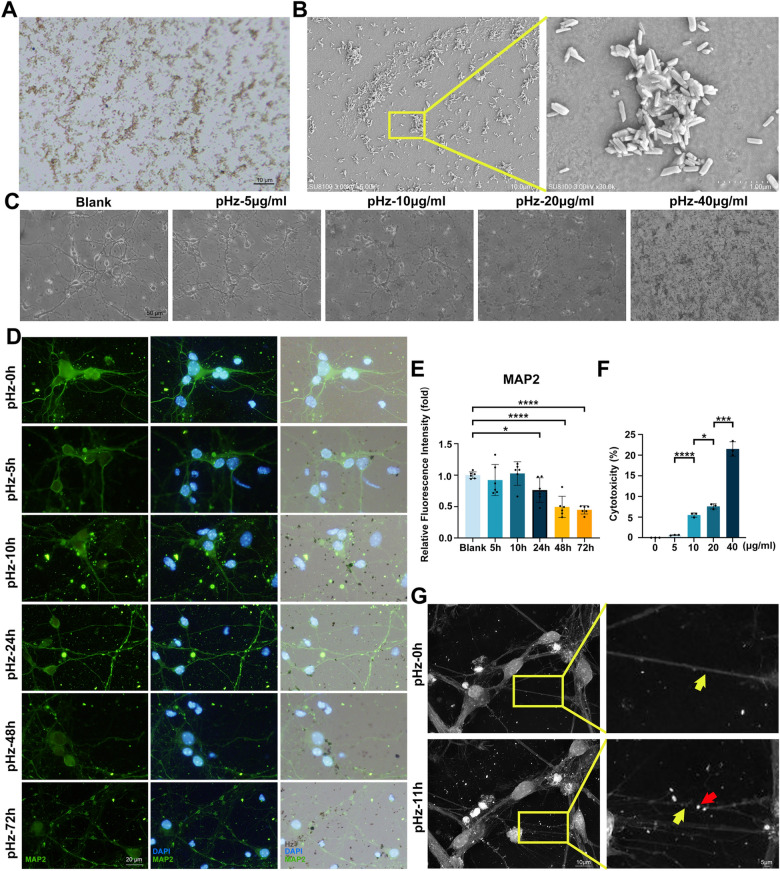 Figure 2
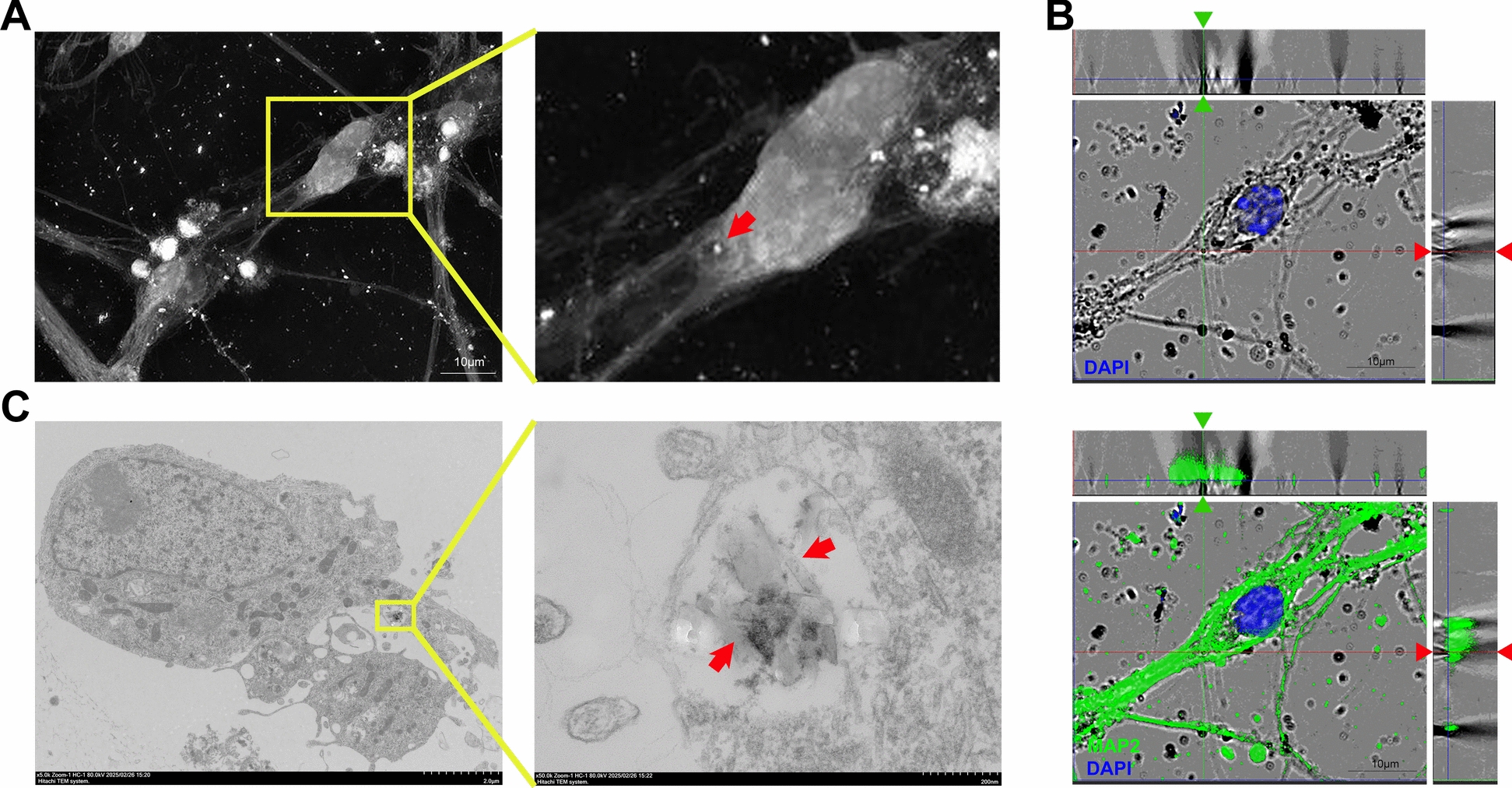 Figure 3
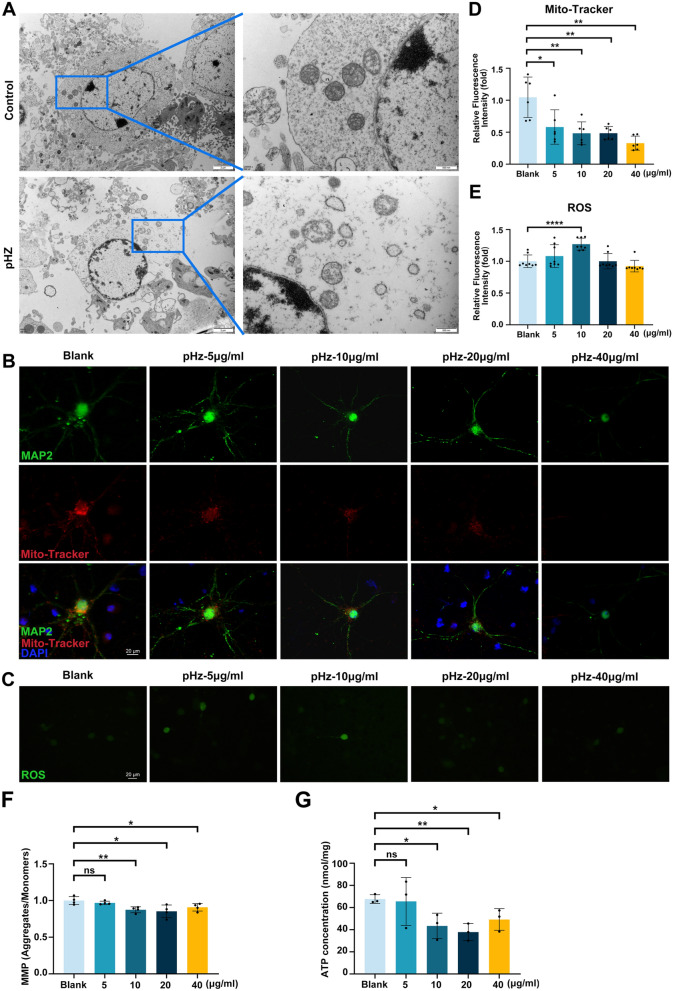 Figure 4
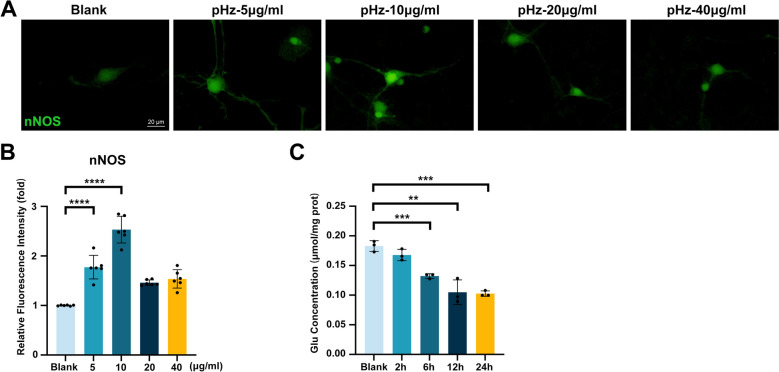 Figure 5
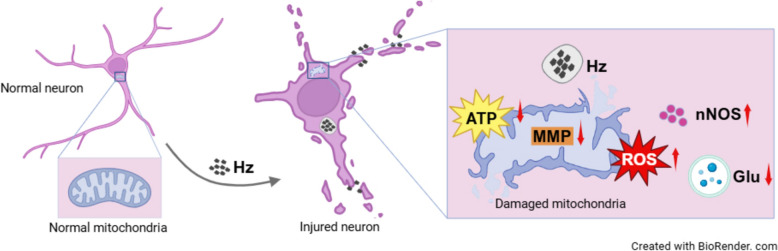 Figure 6
Peer Reviews
No public reviews on file for this paper yet. If you reviewed it on a platform where reviews are public (OpenReview, ICLR, NeurIPS, ICML), you can paste yours below so the community can read it here.
Videos
No videos yet. Explain this paper in a talk, walkthrough, or lecture? Add one.
Taxonomy
TopicsHearing, Cochlea, Tinnitus, Genetics · Ion channel regulation and function · Malaria Research and Control