Lessons learnt from the implementation of electronic consent (eConsent) and its use across a large portfolio of trials in a UK academic clinical trials unit
D. E. Appelbe, L. Eldridge, V. S. Barber

TL;DR
This paper discusses the use of electronic consent in clinical trials, showing how it has been successfully implemented in over 35 studies involving nearly 12,000 participants.
Contribution
The paper provides insights into the practical implementation and benefits of eConsent across a large portfolio of clinical trials in a UK academic unit.
Findings
eConsent was used in 35 studies with nearly 12,000 participants over six years.
Most studies used eConsent for documentation and some used multimedia for participant information.
Remote eConsent reduced paper use and carbon footprint in most studies.
Abstract
The use of electronic consent (eConsent) in clinical research studies is on the increase and has been since 2019. eConsent itself can be multi-faceted, encompassing documentation of the consent process, delivering information to the potential participant via the use of different media, and even facilitating a check of the participants’ understanding of the research before they enter a study. Some researchers and research teams have embraced the use of the different aspects of eConsent, whilst other groups/teams are hesitant to employ the methodology until it has been proven and fits better with workflows and patient pathways. We report on how eConsent has been utilised in 35 studies from a large academic clinical trials unit in the UK, with nearly 12,000 participants being consented using this methodology via the REDCap data collection system over a 6-year period. The studies utilising…
Genes, proteins, chemicals, diseases, species, mutations and cell lines named across the full text — each resolved to its canonical identifier and authoritative record.
Click any figure to enlarge with its caption.
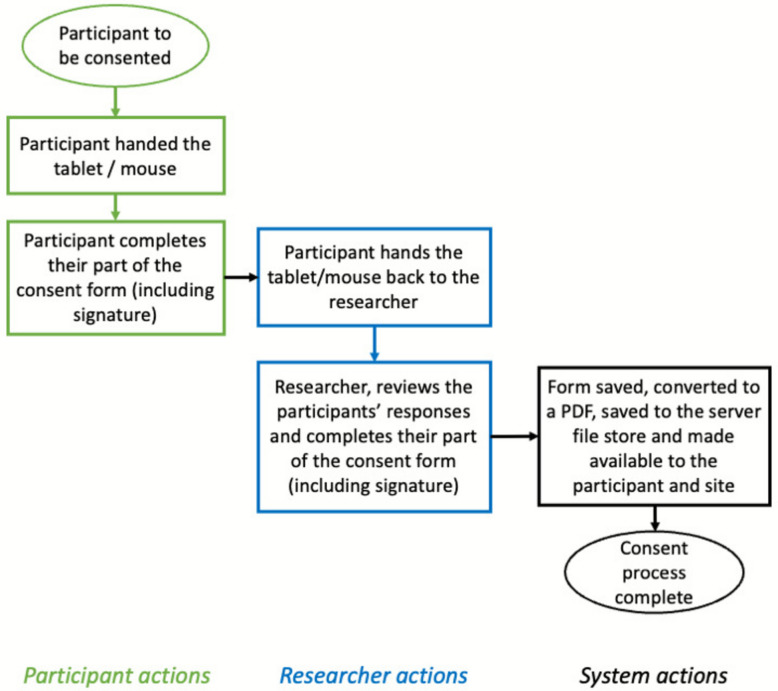 Figure 1
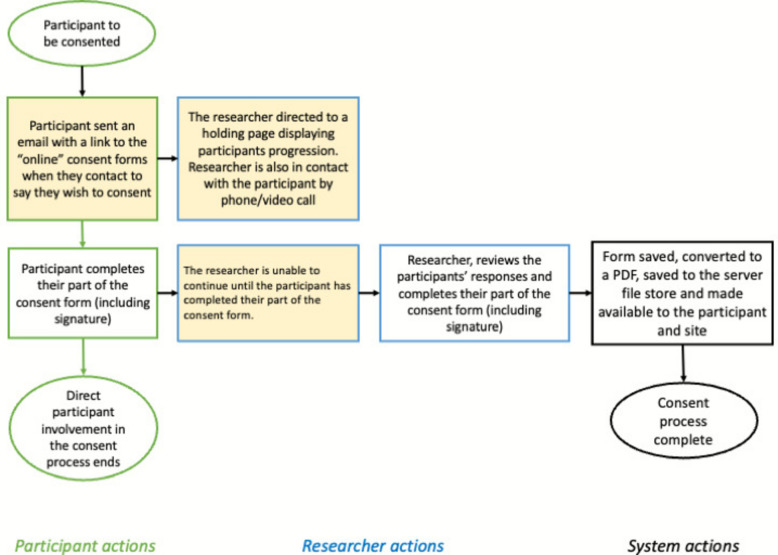 Figure 2
 Figure 3
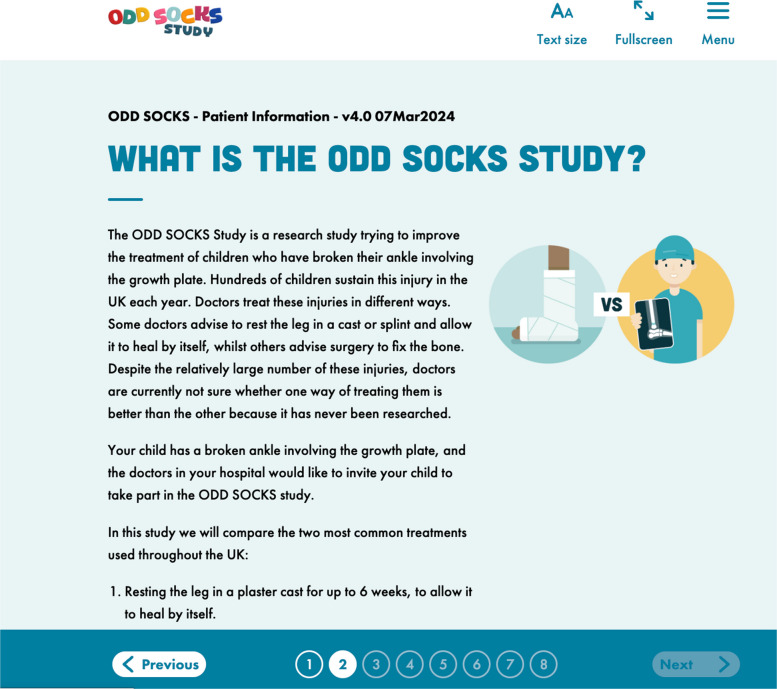 Figure 4
Peer Reviews
No public reviews on file for this paper yet. If you reviewed it on a platform where reviews are public (OpenReview, ICLR, NeurIPS, ICML), you can paste yours below so the community can read it here.
Videos
No videos yet. Explain this paper in a talk, walkthrough, or lecture? Add one.
Taxonomy
TopicsEthics in Clinical Research · Social Media in Health Education · Digital Imaging in Medicine