Shining light on the mechanism of photochemical alkene formation in vitamin B12
Alivia Mukherjee, Summer Y. Wu, David J. Cooper, Rachel Hendrickson, Roseanne J. Sension, Nicolai Lehnert, James E. Penner-Hahn

TL;DR
This paper investigates how vitamin B12 forms alkene bonds through photochemical reactions, revealing new insights into its reactivity and enzyme interactions.
Contribution
The study reveals a branching pathway in cobalamin photochemistry and shows solvent dependence in Co(i) formation and radical fate.
Findings
Co(i) can be generated in nearly quantitative yield during anaerobic photolysis of alkylCbls.
Addition of alkyl halide to Co(i) does not produce expected Co(iii)-alkylCbl species.
The oxidation state of cobalamin products and radical fate depend on the solvent.
Abstract
A wide range of proteins and enzymes depend on alkylcobalamins (alkylCbl or vitamin B12) for their activities, owing to the unique, biologically relevant Co–C bond. CarH, a regulatory protein in the bacterial carotenoid biosynthetic pathway, utilizes the photosensitivity of the Co–C bond in adenosylcobalamin (AdoCbl) for gene regulation. B12-dependent reductive dehalogenases rely on chemical Co–C bond cleavage to form a Co(iii)–halide bond during catalysis. Ultrafast spectroscopy demonstrates that photolytic Co–C bond cleavage in cobalamins begins with the generation of a Co(ii) species and an alkyl radical. Interestingly, both CarH and reductive dehalogenases are thought to generate a highly reactive Co(i) species as part of their reactivity. We have used time-resolved measurements of alkylCbls under single turnover conditions to better characterize this reactivity. We demonstrate that…
Genes, proteins, chemicals, diseases, species, mutations and cell lines named across the full text — each resolved to its canonical identifier and authoritative record.
Click any figure to enlarge with its caption.
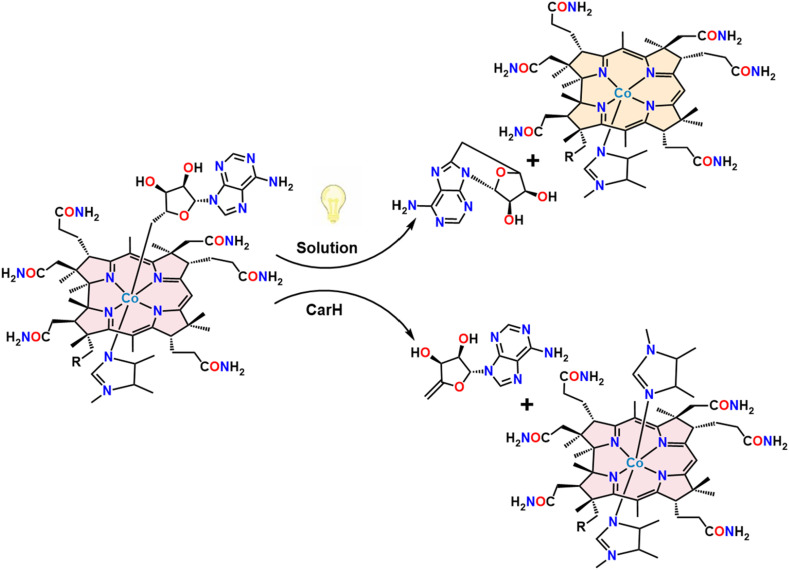 Figure 1
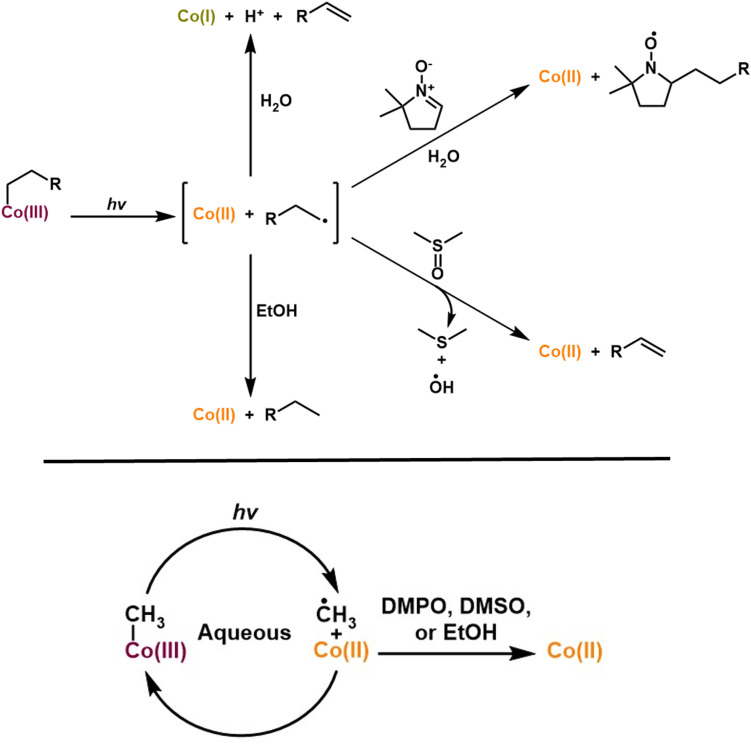 Figure 2
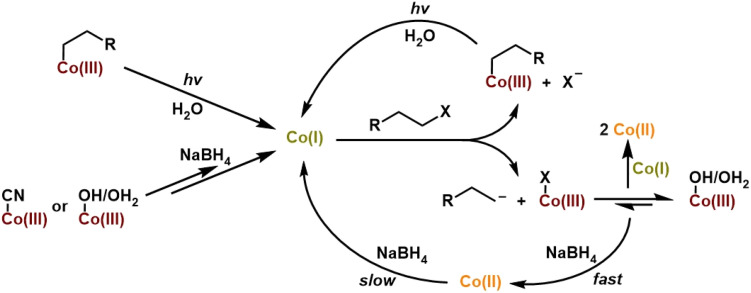 Figure 3
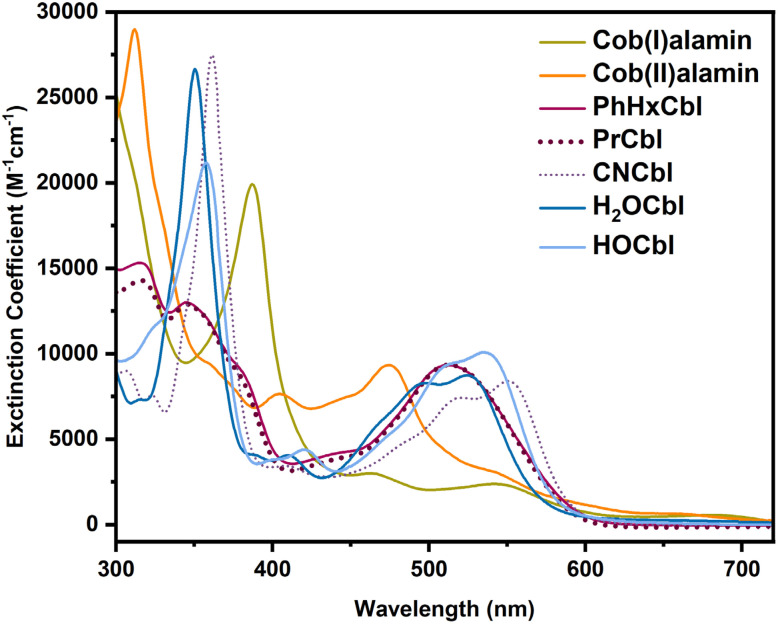 Figure 4
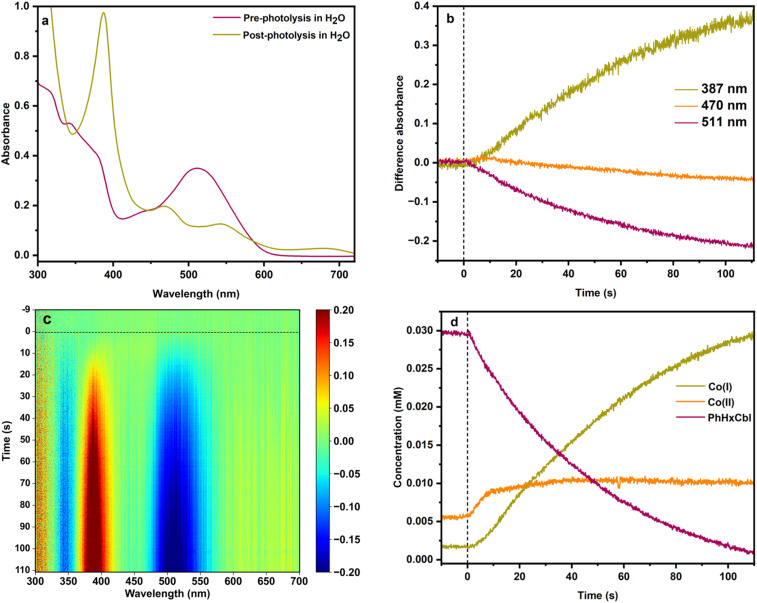 Figure 5
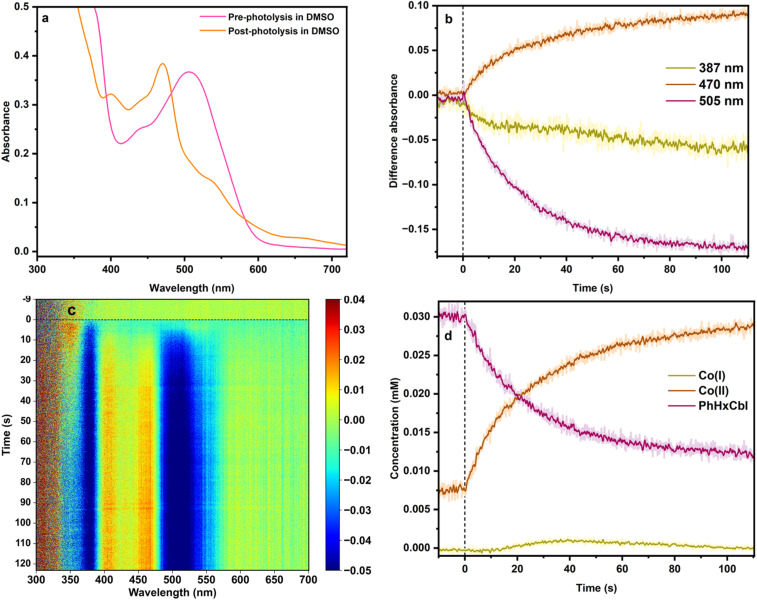 Figure 6
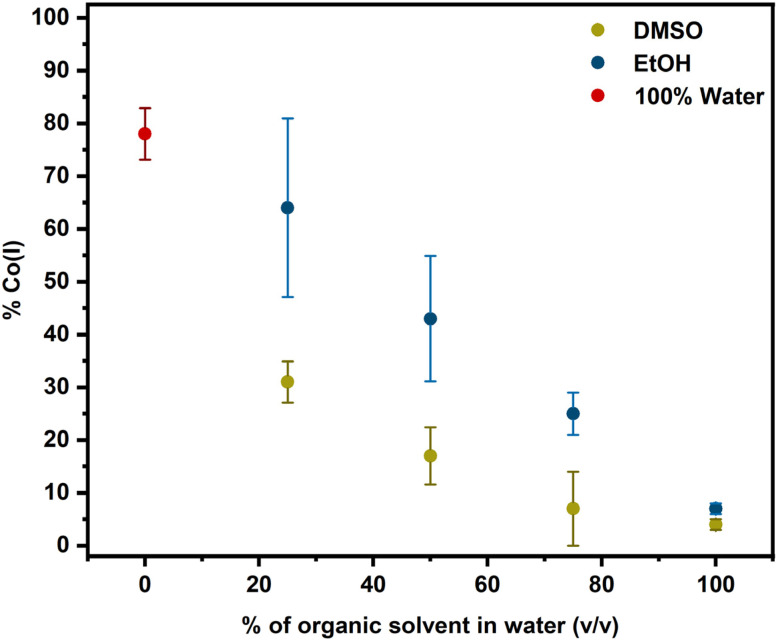 Figure 7
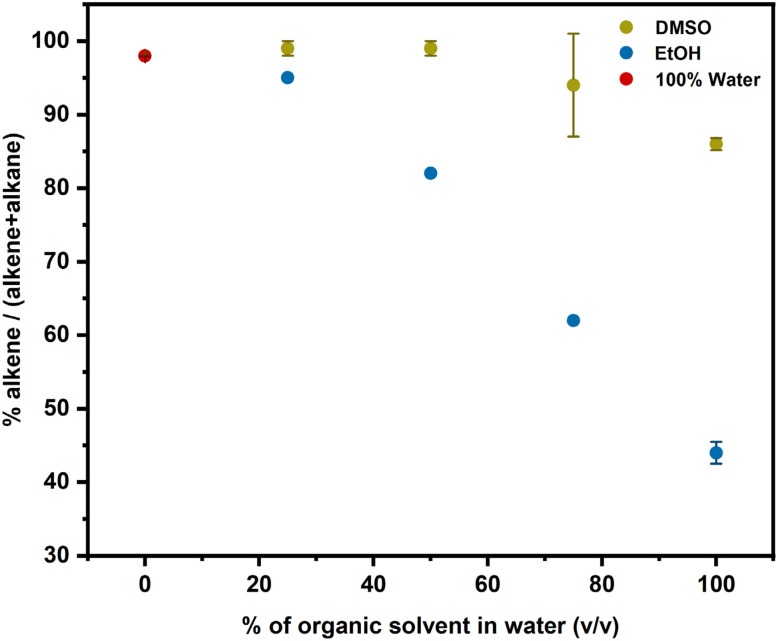 Figure 8
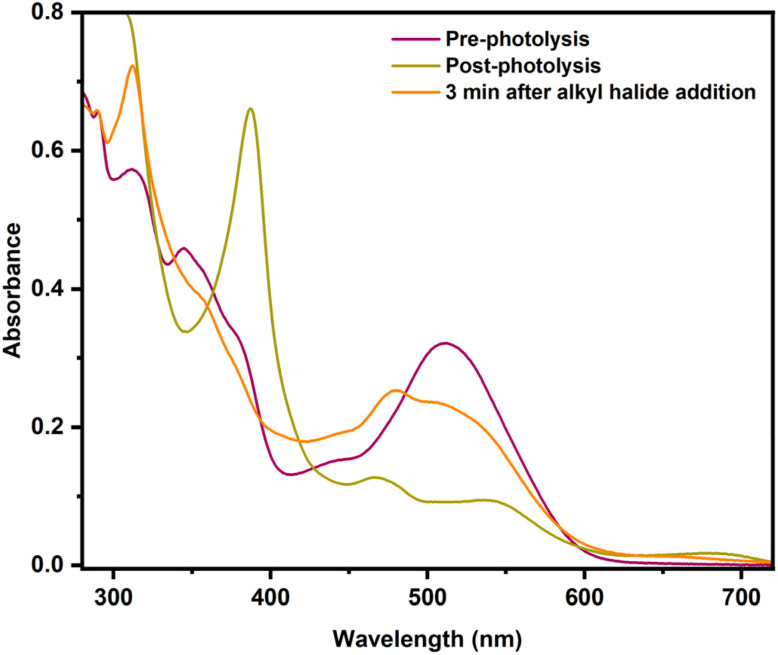 Figure 9
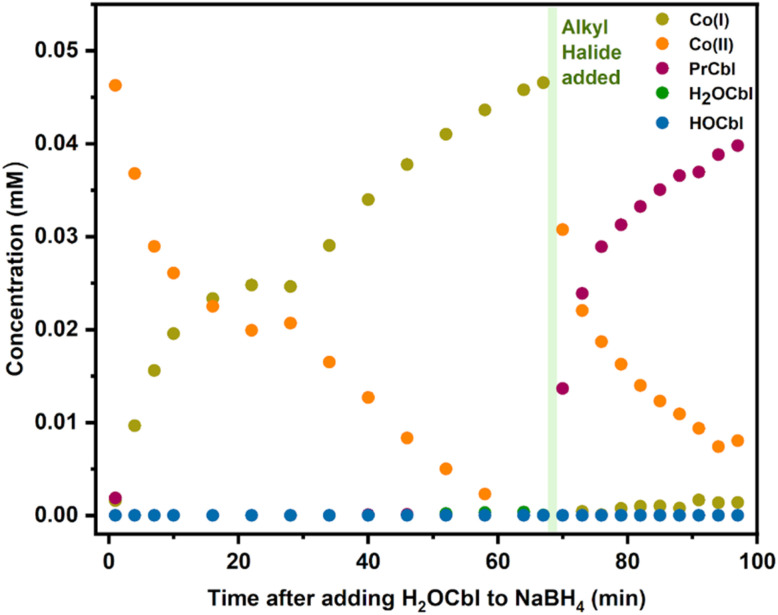 Figure 10
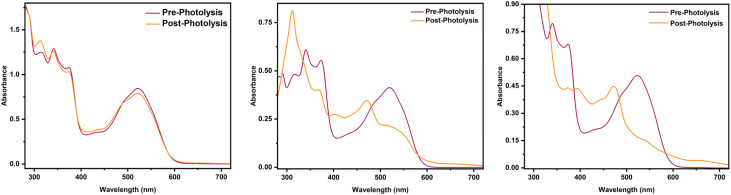 Figure 11
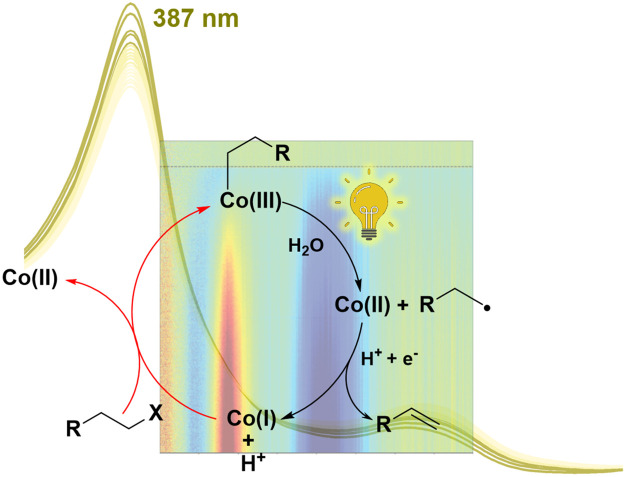 Figure 12
 Figure 13
Peer Reviews
No public reviews on file for this paper yet. If you reviewed it on a platform where reviews are public (OpenReview, ICLR, NeurIPS, ICML), you can paste yours below so the community can read it here.
Videos
No videos yet. Explain this paper in a talk, walkthrough, or lecture? Add one.
Taxonomy
TopicsPorphyrin Metabolism and Disorders · Boron Compounds in Chemistry · Organoboron and organosilicon chemistry