Investigating the impact of aspartame on Alzheimer’s disease through network toxicology and molecular docking
Lili Ge, Haitao Sun, Jianxin Zhang, Linlin Xu, Lei Ma, Zhi Jin

TL;DR
This study explores how aspartame might contribute to Alzheimer's disease by analyzing its molecular interactions and potential effects on key biological processes.
Contribution
The study introduces a novel computational approach combining network toxicology and molecular docking to investigate aspartame's potential role in Alzheimer's disease.
Findings
Seventy-five common targets were identified between aspartame and Alzheimer's disease, including BCL2, PPARG, and TNF.
Aspartame is speculated to influence Alzheimer's disease through pathways related to neuroinflammation, apoptosis, and oxidative stress.
Molecular docking suggests aspartame has binding affinity with core targets linked to Alzheimer's disease pathogenesis.
Abstract
Alzheimer’s disease (AD) is a prevalent neurodegenerative disorder, and the relationship between its pathogenesis and environmental factors has garnered increasing scholarly interest. Aspartame, a widely utilized artificial sweetener, has potential neurotoxic effects that remain incompletely understood. This study employs network toxicology and molecular docking to speculate on the potential molecular mechanisms by which aspartame is involved in the pathological process of AD. By integrating data from multiple databases, including ChEMBL, SwissTargetPrediction, OMIM, and GeneCards, we obtained the shared targets of aspartame and AD. A protein–protein interaction (PPI) network was constructed using the STRING database and Cytoscape software to discern the core targets. Subsequently, Gene Ontology (GO) and Kyoto Encyclopedia of Genes and Genomes (KEGG) enrichment analyses were performed…
Genes, proteins, chemicals, diseases, species, mutations and cell lines named across the full text — each resolved to its canonical identifier and authoritative record.
Click any figure to enlarge with its caption.
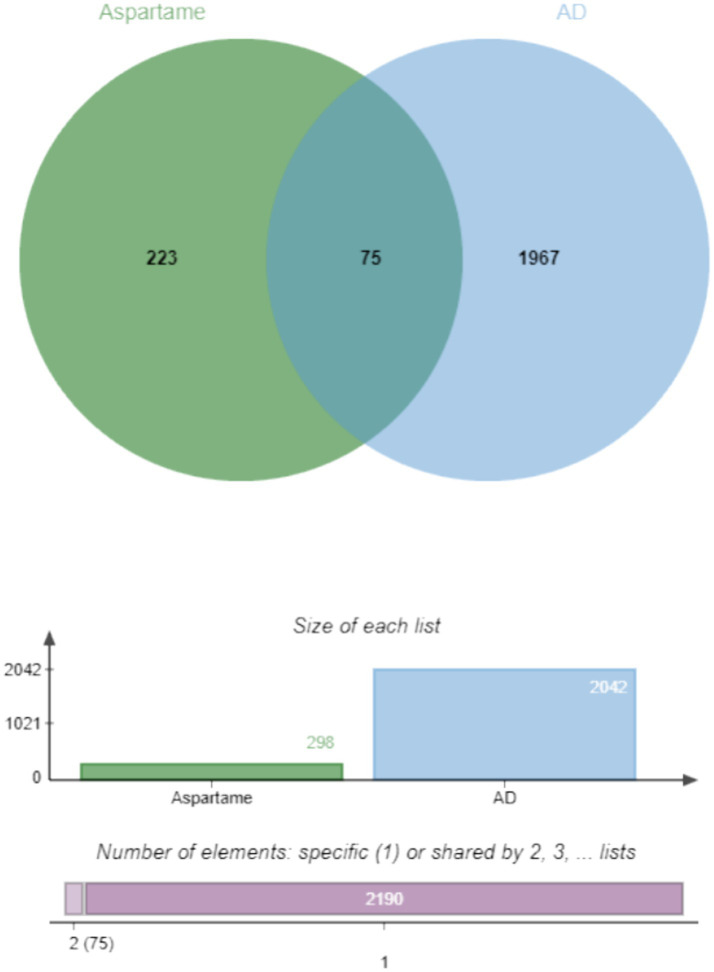 Figure 1
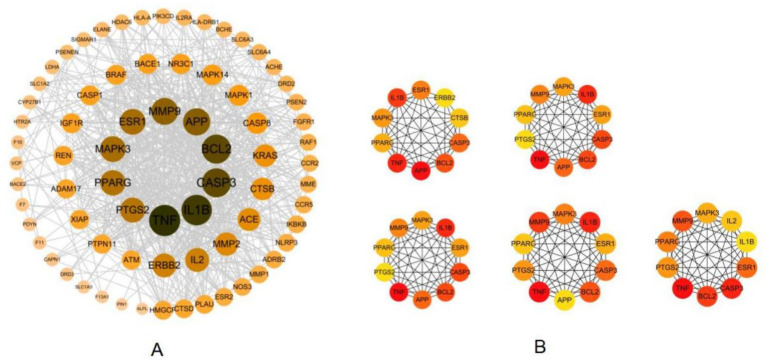 Figure 2
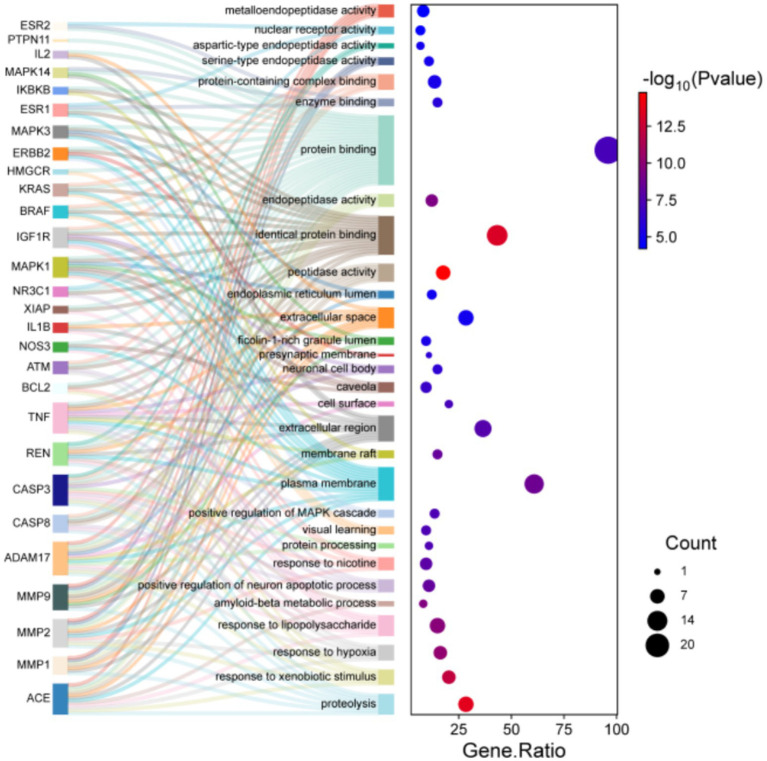 Figure 3
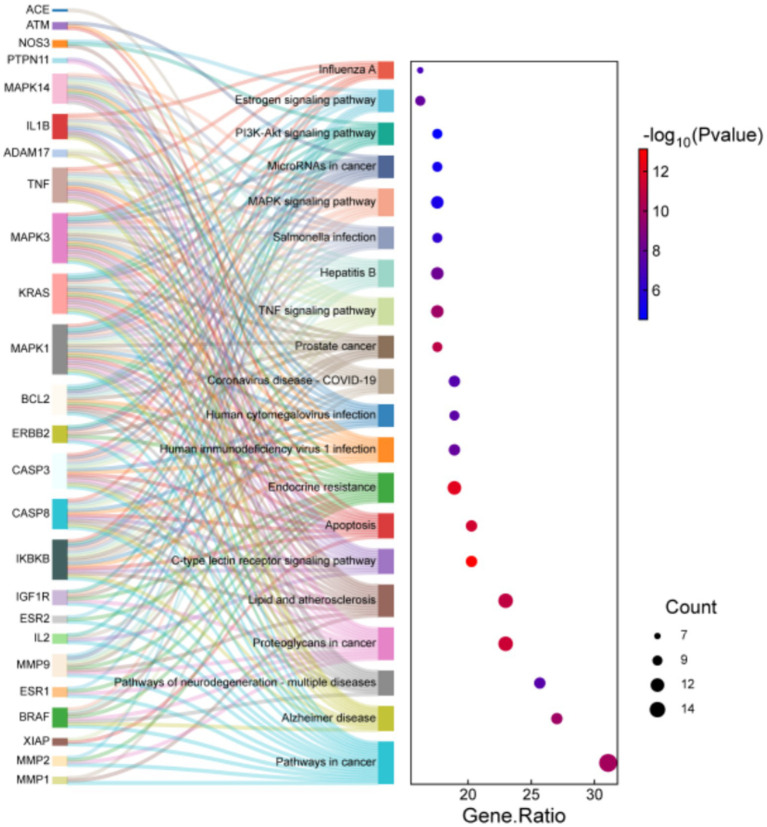 Figure 4
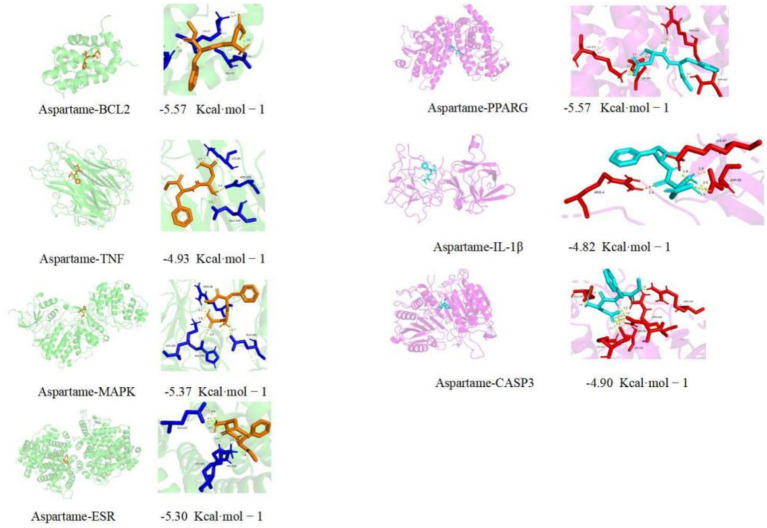 Figure 5
Peer Reviews
No public reviews on file for this paper yet. If you reviewed it on a platform where reviews are public (OpenReview, ICLR, NeurIPS, ICML), you can paste yours below so the community can read it here.
Videos
No videos yet. Explain this paper in a talk, walkthrough, or lecture? Add one.
Taxonomy
TopicsBiochemical Analysis and Sensing Techniques · GABA and Rice Research · Neurological Disease Mechanisms and Treatments