Role of the transmembrane domain in severe acute respiratory syndrome (SARS) coronavirus 2 spike for palmitoylation and membrane fusion
Dina A. Abdulrahman, Michael Veit

TL;DR
This study explores how the SARS-CoV-2 spike protein is modified by palmitoylation and how this affects viral entry into cells.
Contribution
The study identifies specific structural elements in the spike protein that are critical for palmitoylation and membrane fusion.
Findings
Key residues at the TMD interface and a stable trimeric TMD helix are essential for efficient spike palmitoylation.
Mutations in the cytoplasmic tail reduce palmitoylation but only modestly affect cell–cell fusion.
Some TMD substitutions impair fusion without significantly altering overall acylation.
Abstract
Palmitoylation is a reversible post‐translational modification that enhances protein hydrophobicity and regulates cellular functions such as trafficking and signaling. In humans, this modification is catalyzed by 23 DHHC enzymes, but the mechanisms by which they recognize their substrates remain unclear. The severe acute respiratory syndrome coronavirus 2 (SARS‐CoV‐2) spike protein undergoes palmitoylation primarily by DHHC20 with subsequent modification by DHHC9 at 10 cytoplasmic tail (CT) cysteines, a modification crucial for membrane fusion and viral entry. Using AlphaFold2 modeling and site‐directed mutagenesis, we identified three key components critical for efficient spike palmitoylation: (i) Lys1211 at the ectodomain–transmembrane domain (TMD) interface, likely facilitating electrostatic interactions with DHHC20's acidic residues; (ii) a stable trimeric TMD helix, where mutations…
Genes, proteins, chemicals, diseases, species, mutations and cell lines named across the full text — each resolved to its canonical identifier and authoritative record.
Click any figure to enlarge with its caption.
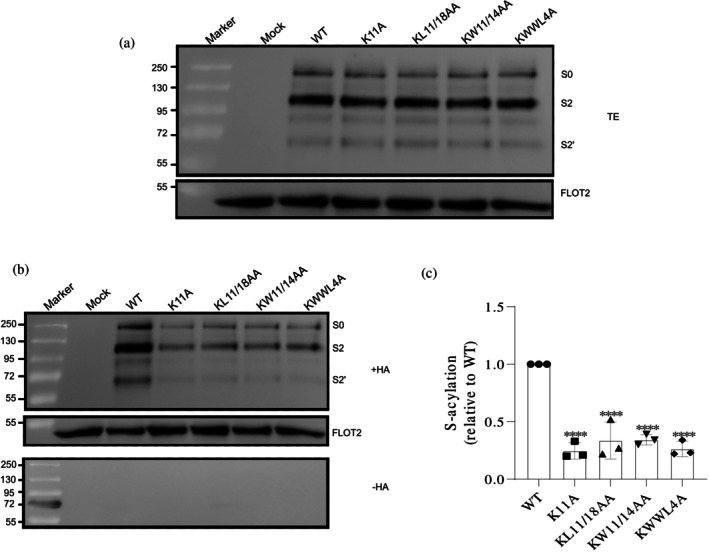 Figure 1
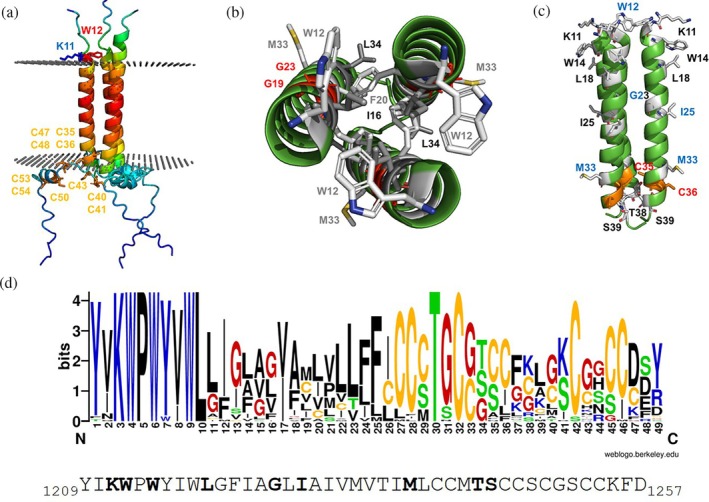 Figure 2
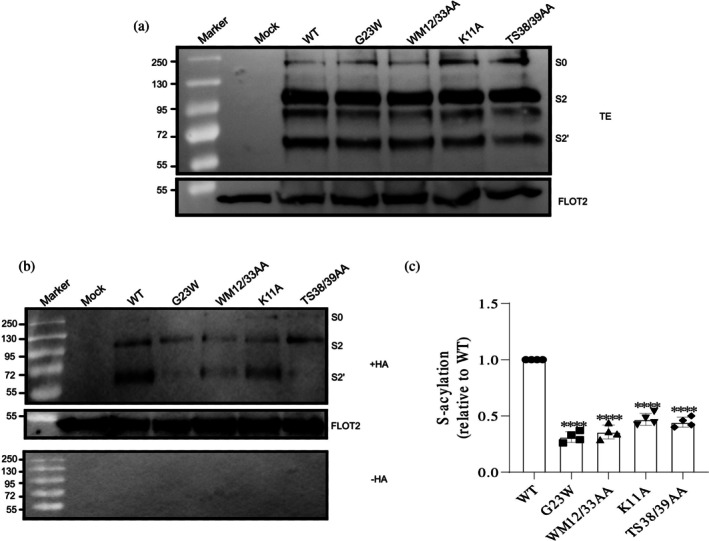 Figure 3
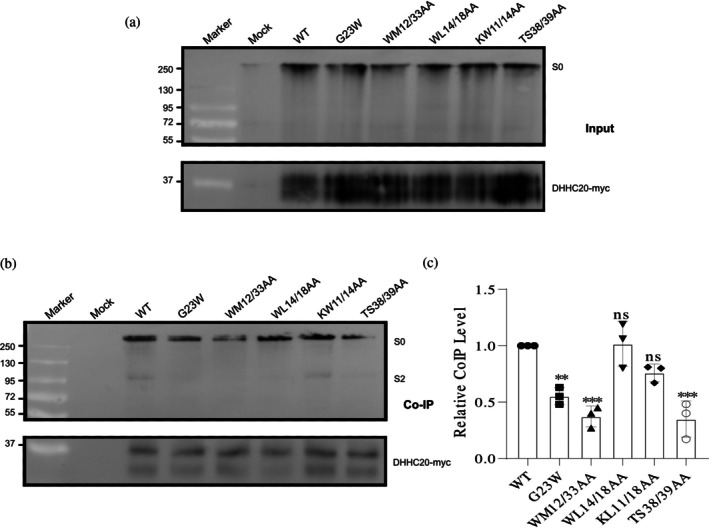 Figure 4
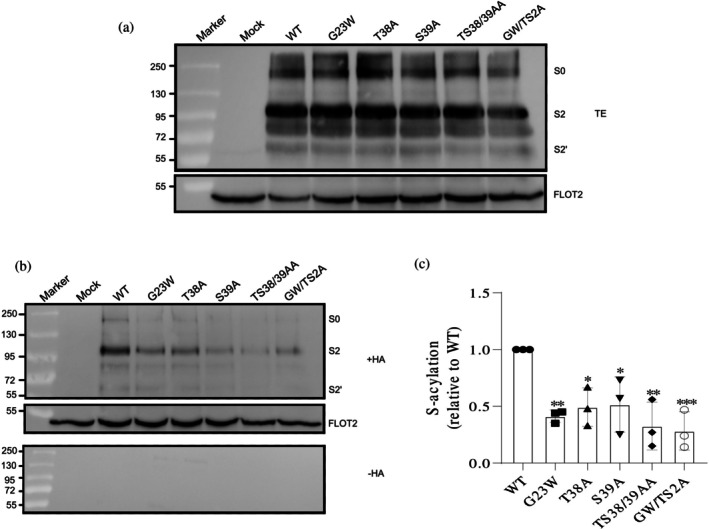 Figure 5
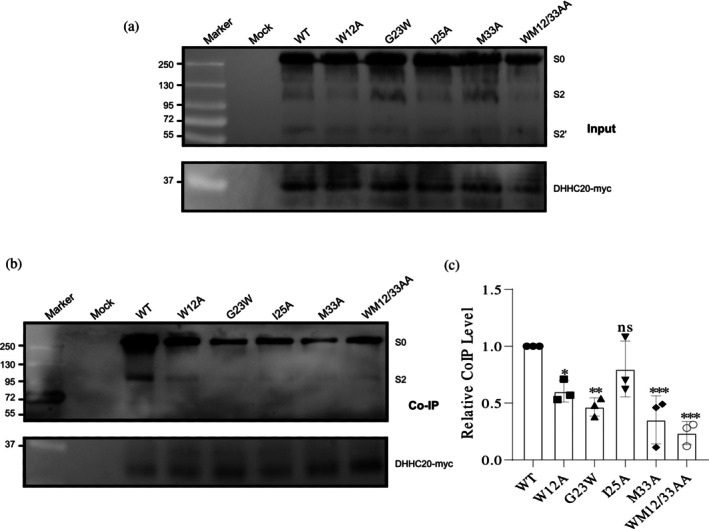 Figure 6
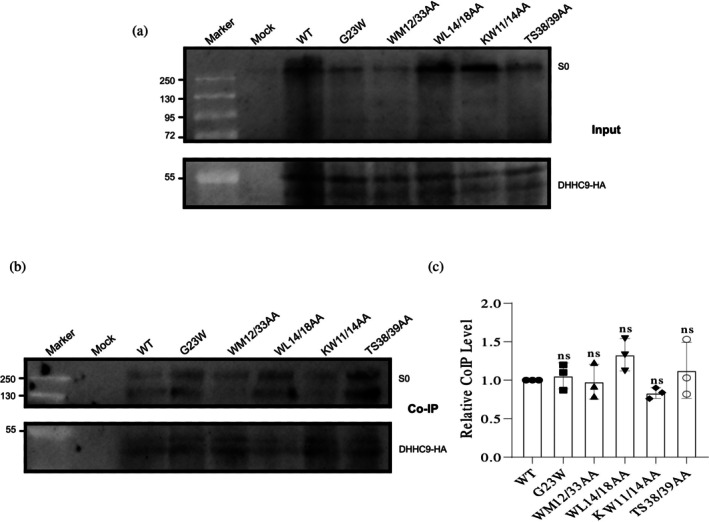 Figure 7
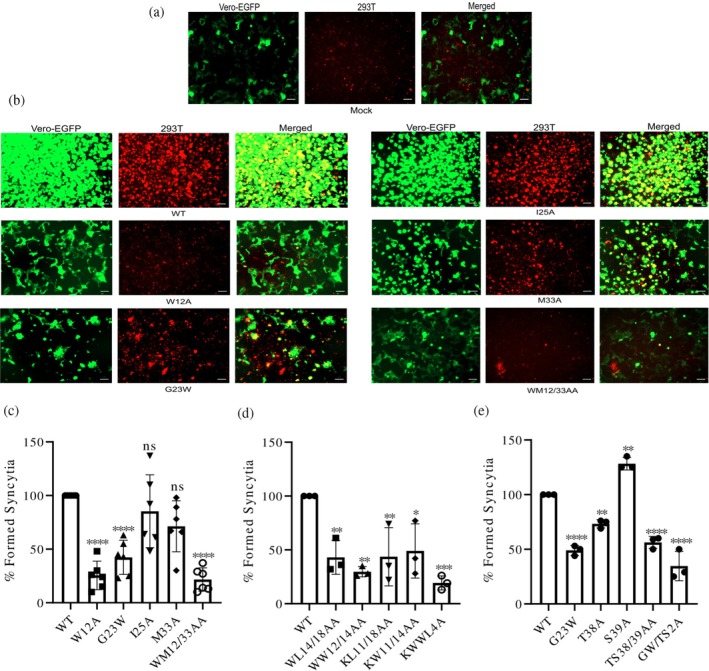 Figure 8
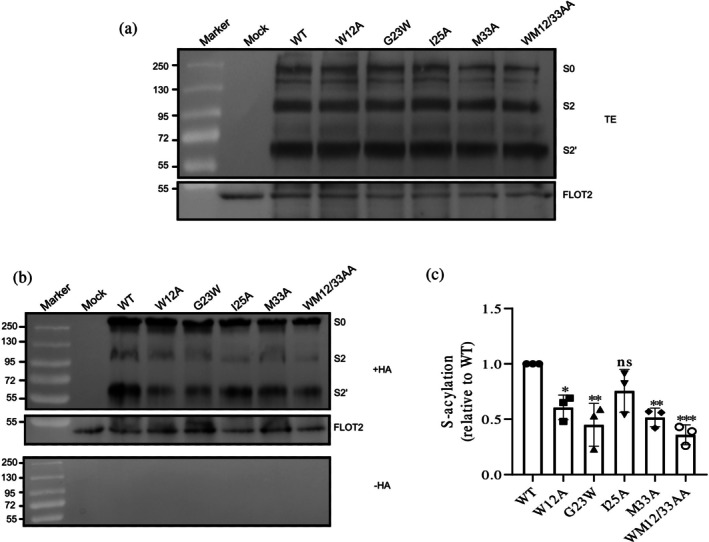 Figure 9
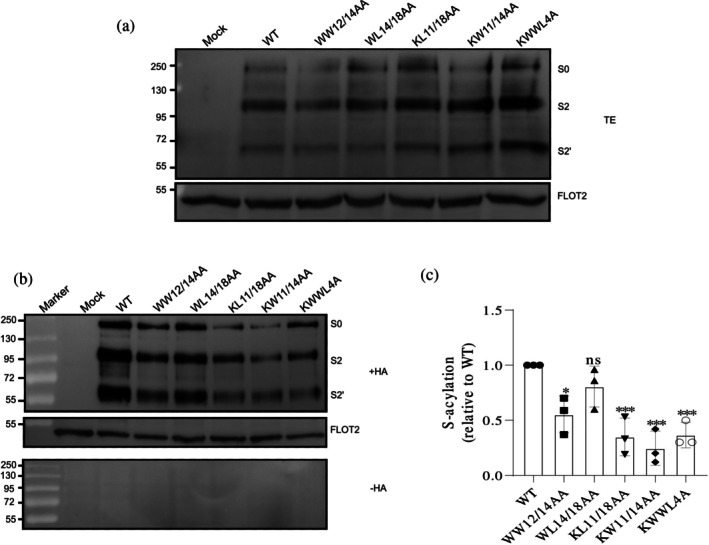 Figure 10
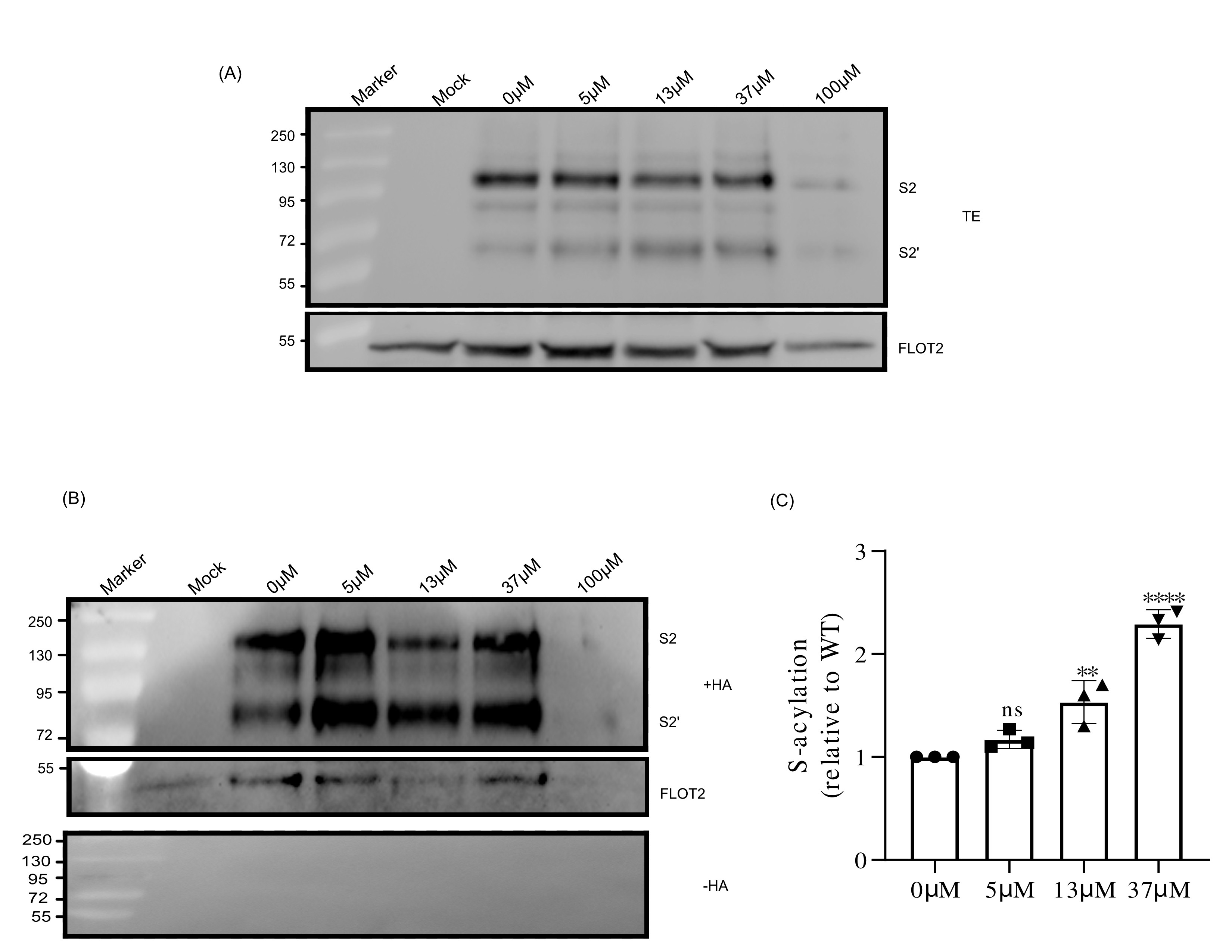 Figure 11
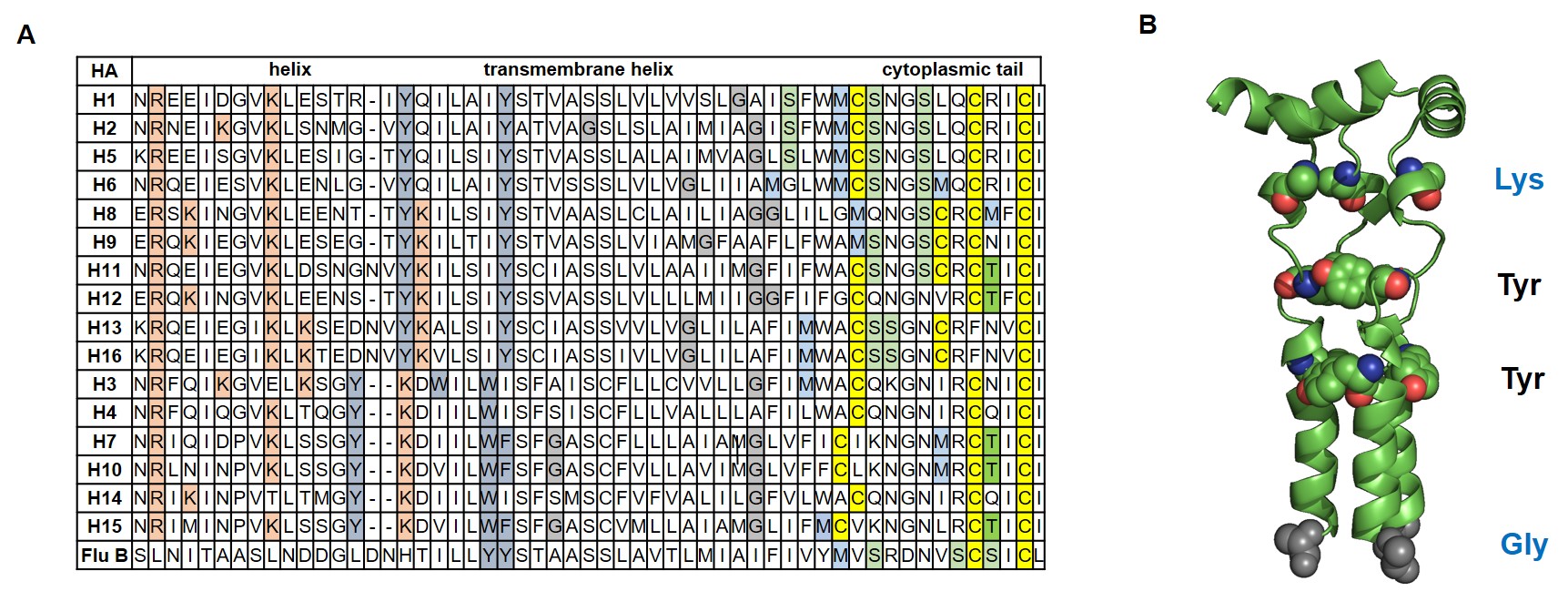 Figure 12
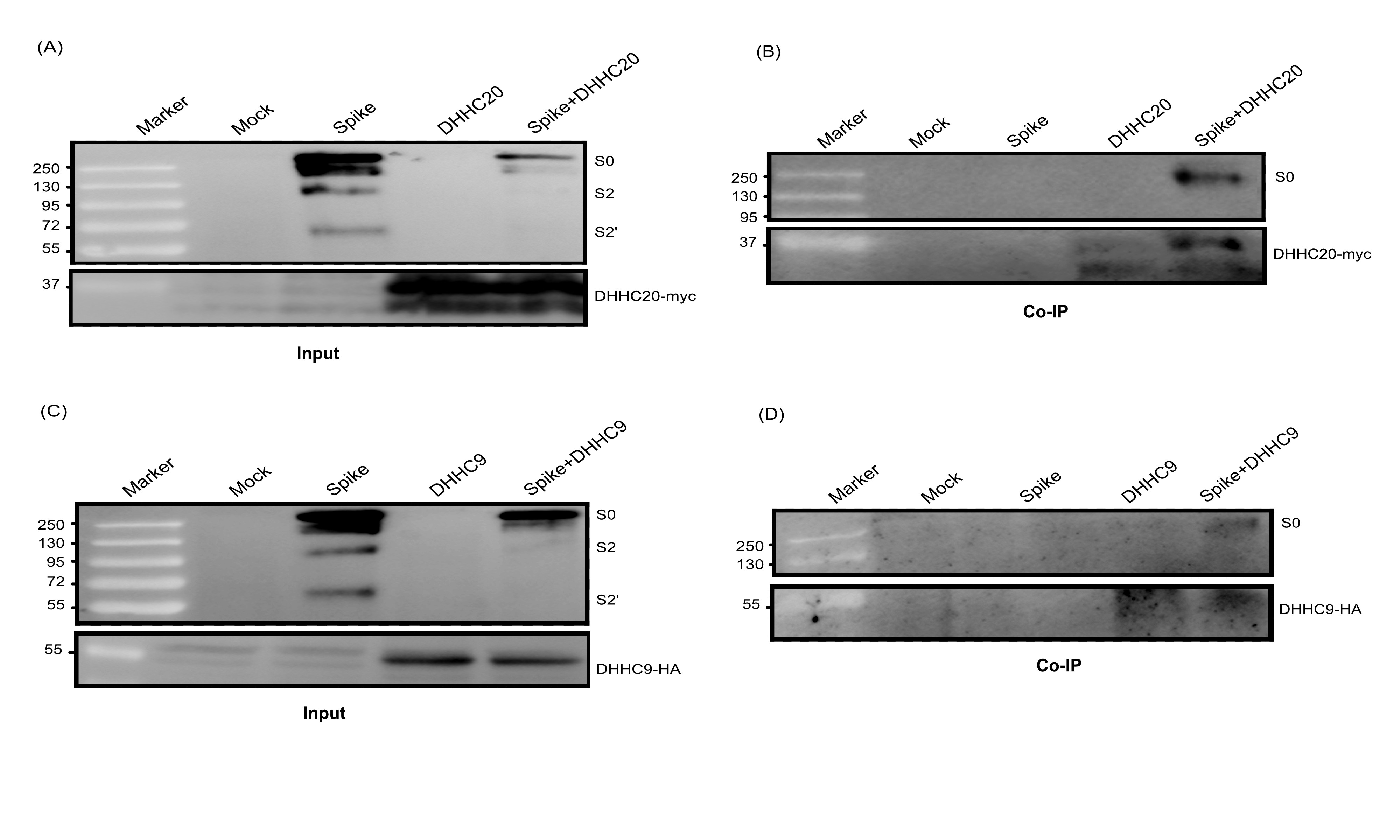 Figure 13
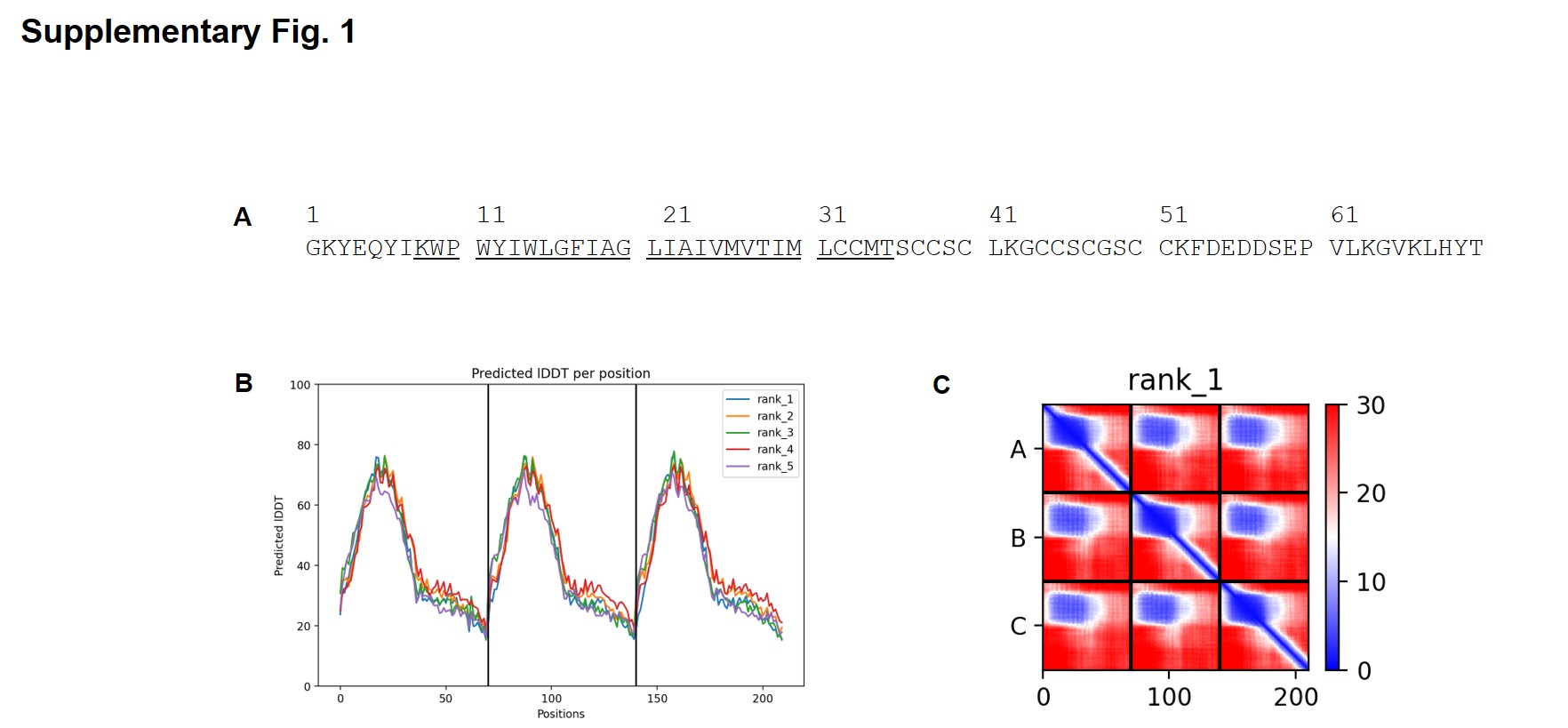 Figure 14
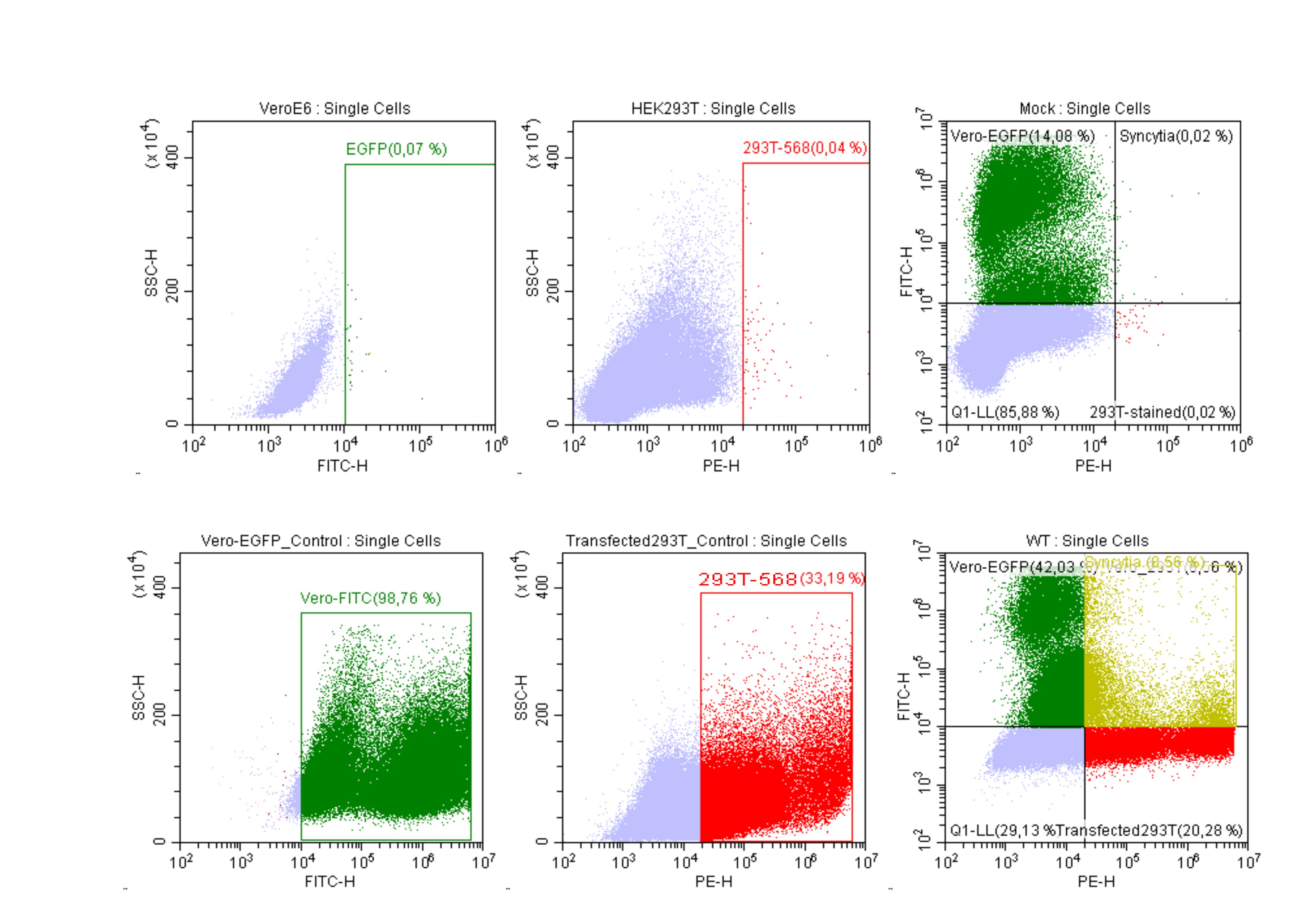 Figure 15
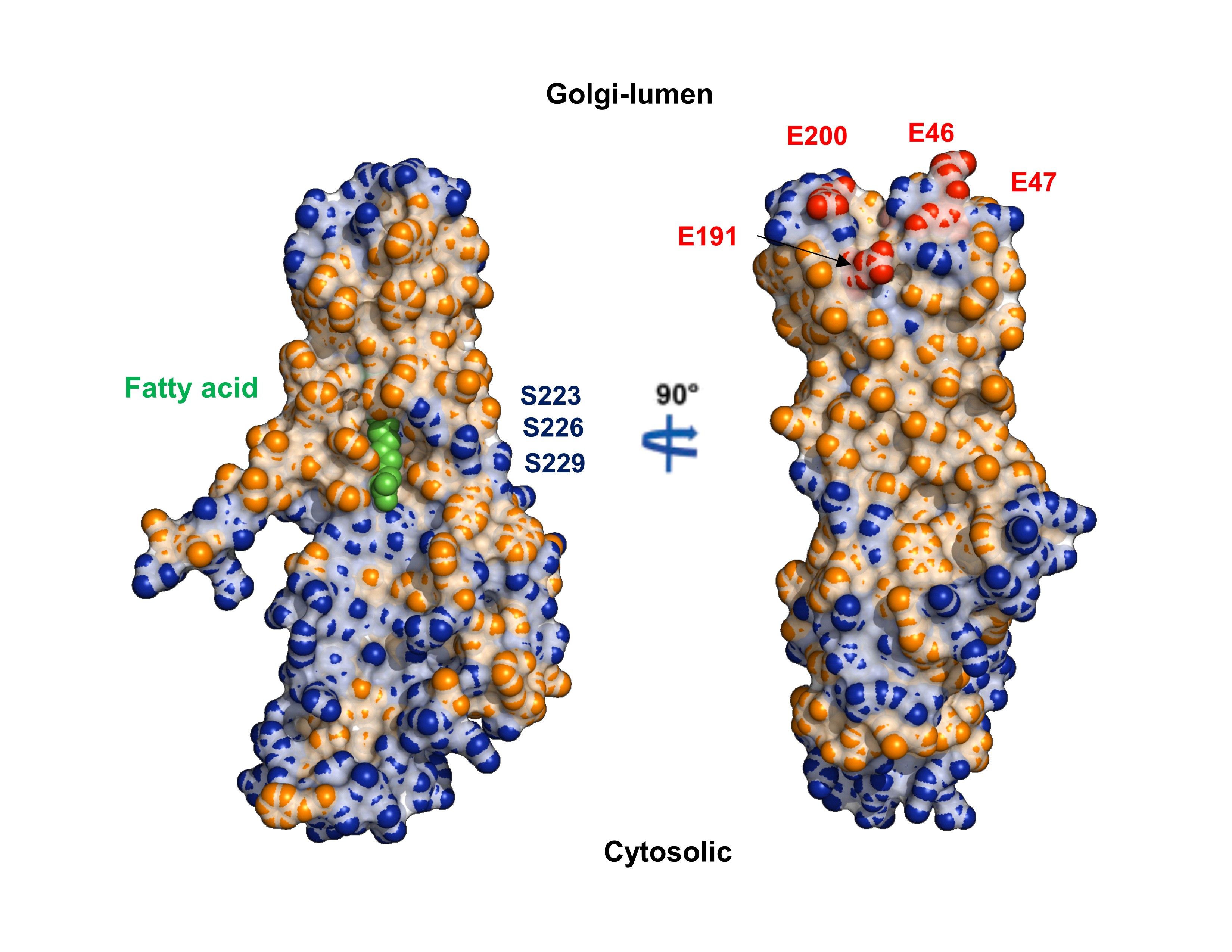 Figure 16
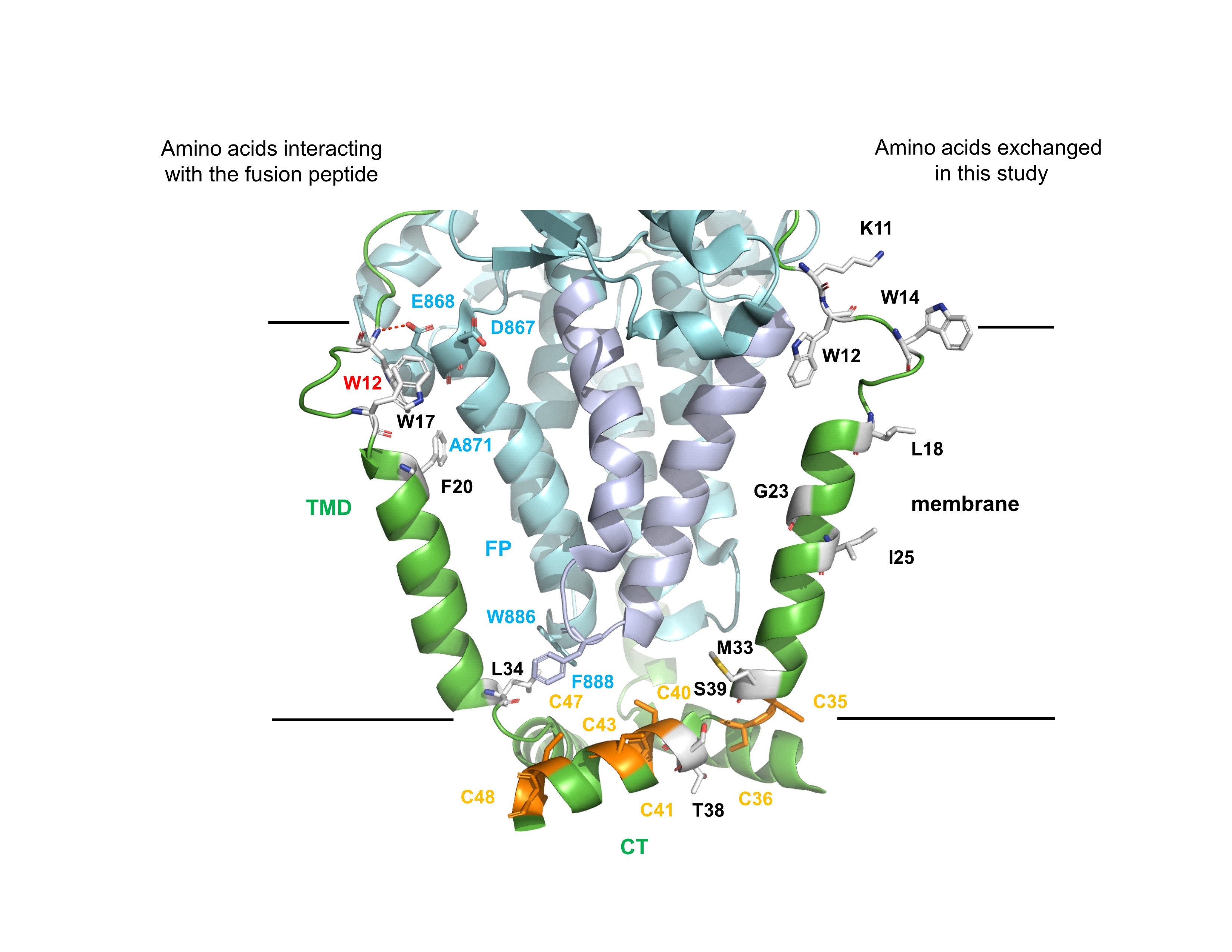 Figure 17
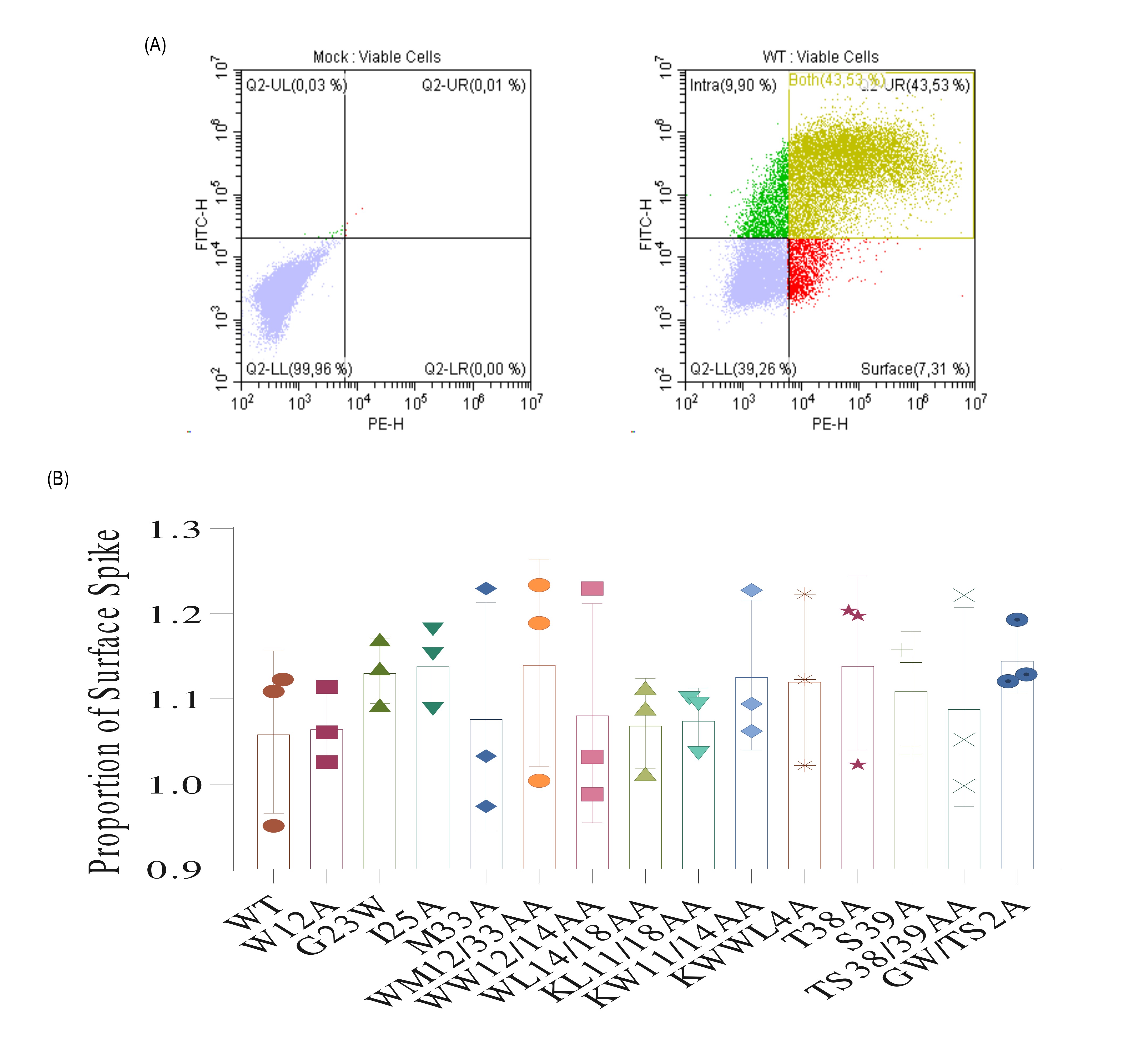 Figure 18
Peer Reviews
No public reviews on file for this paper yet. If you reviewed it on a platform where reviews are public (OpenReview, ICLR, NeurIPS, ICML), you can paste yours below so the community can read it here.
Videos
No videos yet. Explain this paper in a talk, walkthrough, or lecture? Add one.
Taxonomy
TopicsCellular transport and secretion · Receptor Mechanisms and Signaling · Lipid Membrane Structure and Behavior