Which patients with palliative malignant biliary obstruction will benefit most from biliary drainage: Development and validation of a prognostic score
Raphael Olivier, Estelle Antoine, Marie Morvan, Augustin D'Aubigny, Jean Baptiste Nousbaum, Noemie Reboux, Enrique Perez Cuadrado Robles, Lucille Queneherve

TL;DR
This study developed a prognostic score to predict 30-day mortality in patients with palliative malignant biliary obstruction after biliary drainage.
Contribution
A new prognostic score was developed and validated to identify patients likely to benefit from biliary drainage in palliative care.
Findings
The score includes factors like performance status, bilirubin levels, and metastases to predict 30-day mortality.
The score showed good discrimination in the derivation cohort with an AUROC of 0.86.
In the validation cohort, the score effectively separated low- and high-risk patients with 30-day mortality rates of 7% and 22%.
Abstract
Biliary drainage is performed in palliative malignant biliary obstruction (MBO) to improve patient quality of life and enable chemotherapy. This study aimed to create and validate a prognostic score after biliary drainage in patients with palliative MBO. Patients undergoing endoscopic or percutaneous drainage for palliative MBO were included in a multicenter, retrospective study. Probability factors associated with 30-day mortality were evaluated by univariable and multivariable logistic regression in the derivation cohort and a prognostic score was built and evaluated in an independent validation cohort. The derivation cohort included 262 patients, 55% male, 61% of whom had pancreatic adenocarcinoma, mean age 72 years. Probability factors associated with 30-day mortality identified in the derivation cohort were World Health Organization performance status of 3–4 (odds ratio [OR] 7.7…
Genes, proteins, chemicals, diseases, species, mutations and cell lines named across the full text — each resolved to its canonical identifier and authoritative record.
Click any figure to enlarge with its caption.
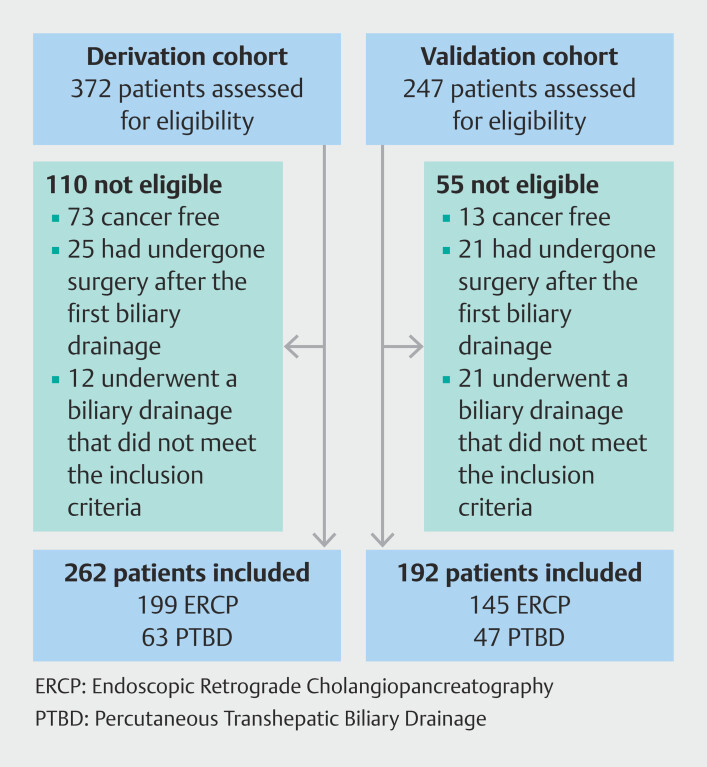 Figure 1
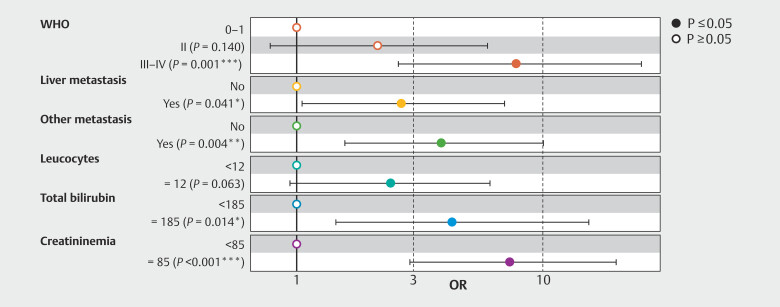 Figure 2
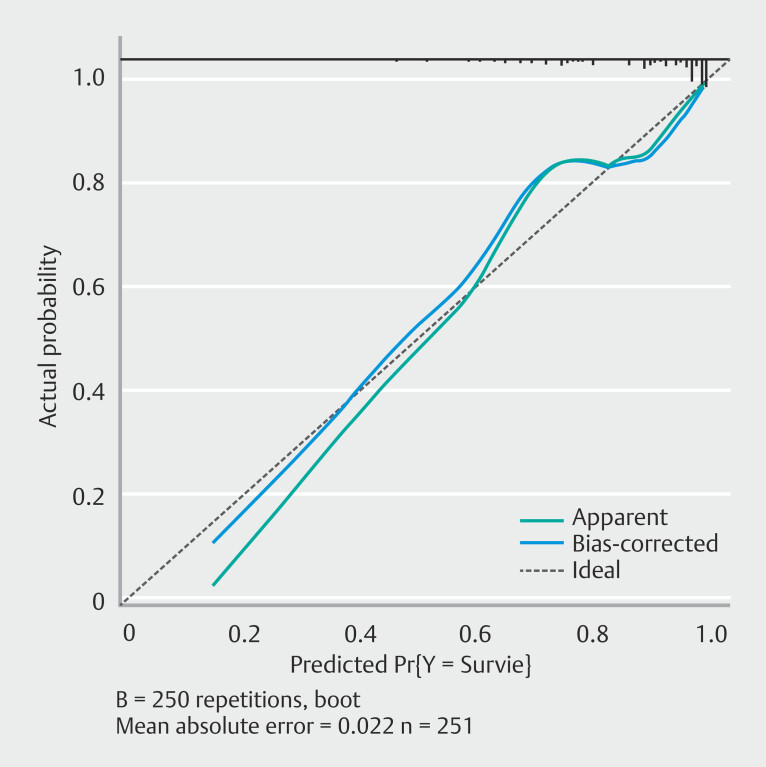 Figure 3
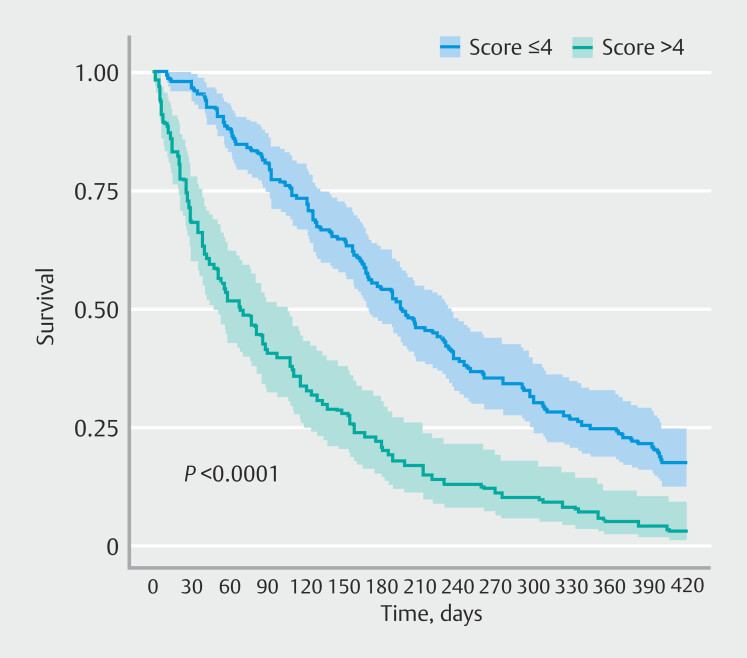 Figure 4
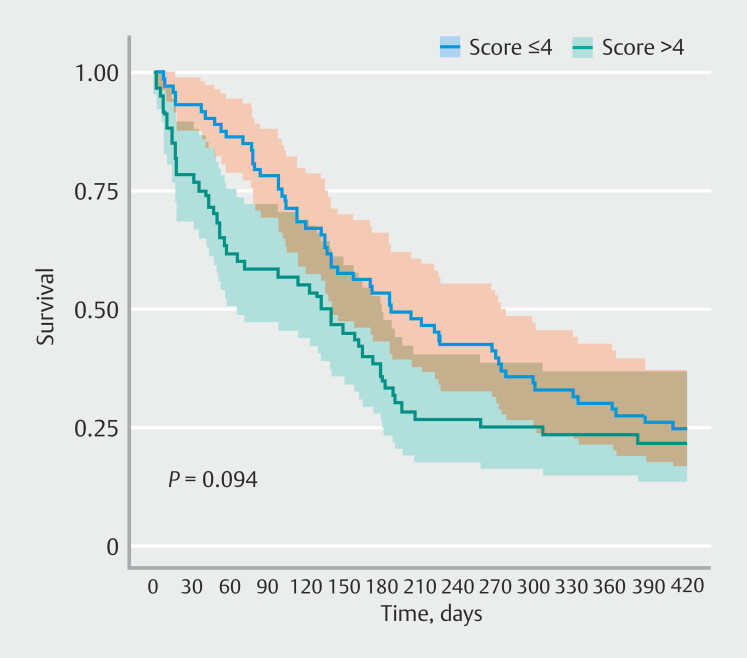 Figure 5
Peer Reviews
No public reviews on file for this paper yet. If you reviewed it on a platform where reviews are public (OpenReview, ICLR, NeurIPS, ICML), you can paste yours below so the community can read it here.
Videos
No videos yet. Explain this paper in a talk, walkthrough, or lecture? Add one.
Taxonomy
TopicsGallbladder and Bile Duct Disorders · Cholangiocarcinoma and Gallbladder Cancer Studies · Pediatric Hepatobiliary Diseases and Treatments