The protective effect of maternal electroacupuncture on prenatal nicotine exposure-induced intrauterine growth restriction in rats by improving placental angiogenesis
Xiaoxuan Liu, Bo Ji, Yitian Liu, Liyu Liu, Yang Fang, Shiqi Guo, Ling Zhang, Tingting Guo, Reiko Sakurai, Virender K. Rehan

TL;DR
Maternal electroacupuncture can help prevent fetal growth issues caused by nicotine exposure during pregnancy by improving placental blood vessel growth in rats.
Contribution
This study shows that electroacupuncture reverses nicotine-induced IUGR by enhancing placental angiogenesis via the PGF/VEGFR-1/PI3K/AKT pathway.
Findings
EA restored fetal and placental growth parameters and improved placental perfusion in nicotine-exposed rats.
EA increased placental vascular density and upregulated key angiogenic genes like PGF and VEGFR-1.
Transcriptomic analysis confirmed EA's activation of the PI3K/AKT signaling pathway in placental tissue.
Abstract
Fetal intrauterine growth restriction (IUGR) is a common pregnancy complication that significantly impacts fetal health and long-term outcomes. Prenatal nicotine exposure (PNE) is a major environmental risk factor for IUGR, with abnormal placental angiogenesis, leading to insufficient placental perfusion, which represents a key pathological process. Electroacupuncture (EA), a non-pharmacologic traditional Chinese medicine therapy, is known to regulate qi and blood flow and improve circulation. This study investigated whether EA could reverse PNE-induced IUGR by enhancing placental angiogenesis and explored the underlying mechanisms. In a PNE-induced IUGR rat model, daily EA treatment was applied at bilateral “ST36” acupoints. On gestational day 20, fetal and placental growth parameters, along with placental perfusion, were assessed. Placental RNA sequencing (RNA-seq) was performed to…
Genes, proteins, chemicals, diseases, species, mutations and cell lines named across the full text — each resolved to its canonical identifier and authoritative record.
Click any figure to enlarge with its caption.
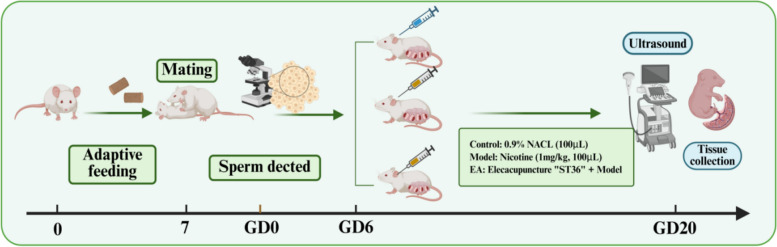 Figure 1
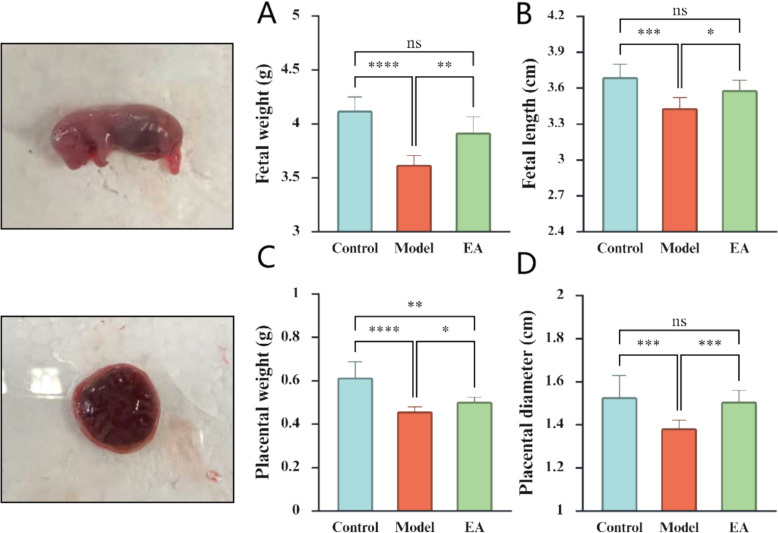 Figure 2
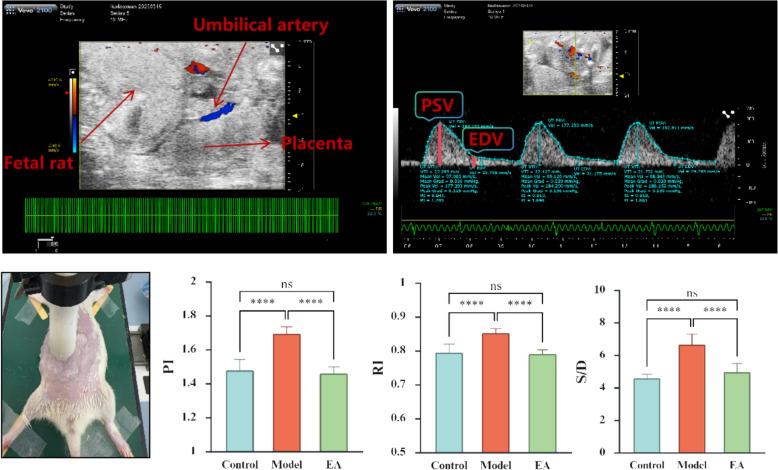 Figure 3
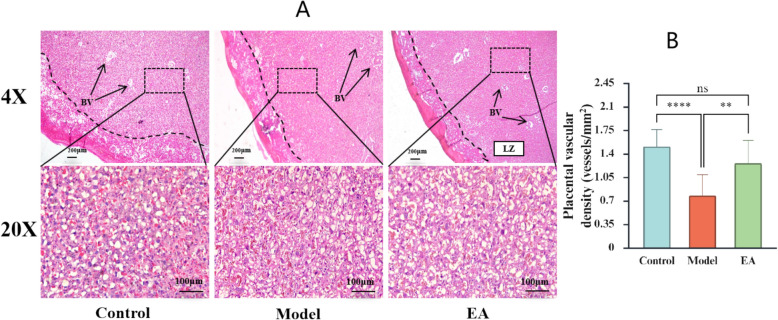 Figure 4
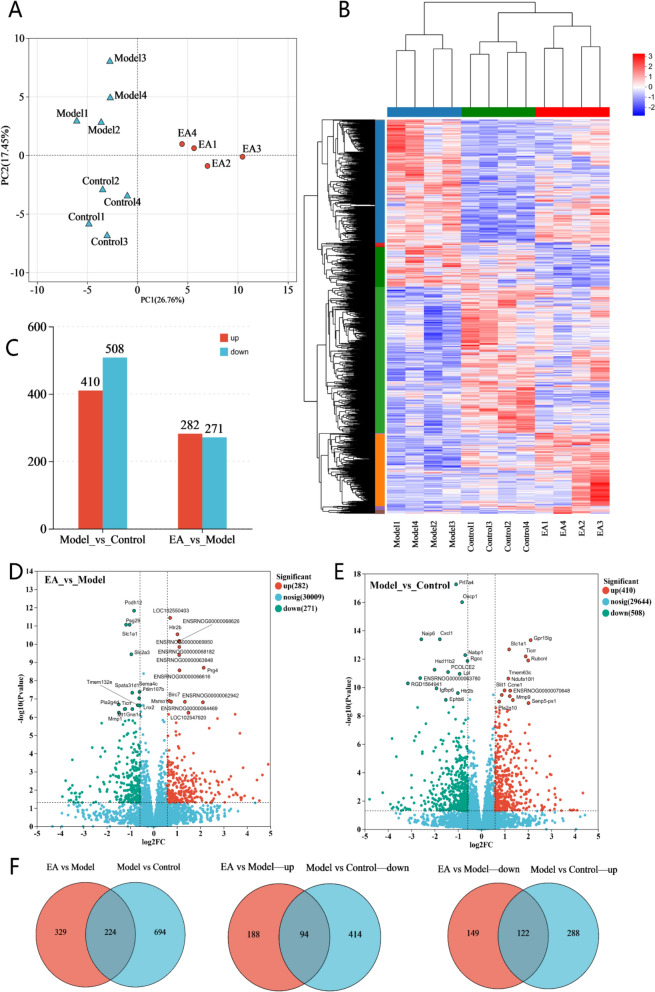 Figure 5
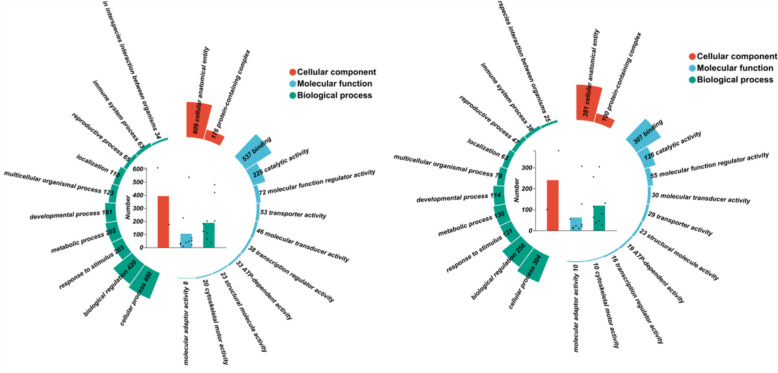 Figure 6
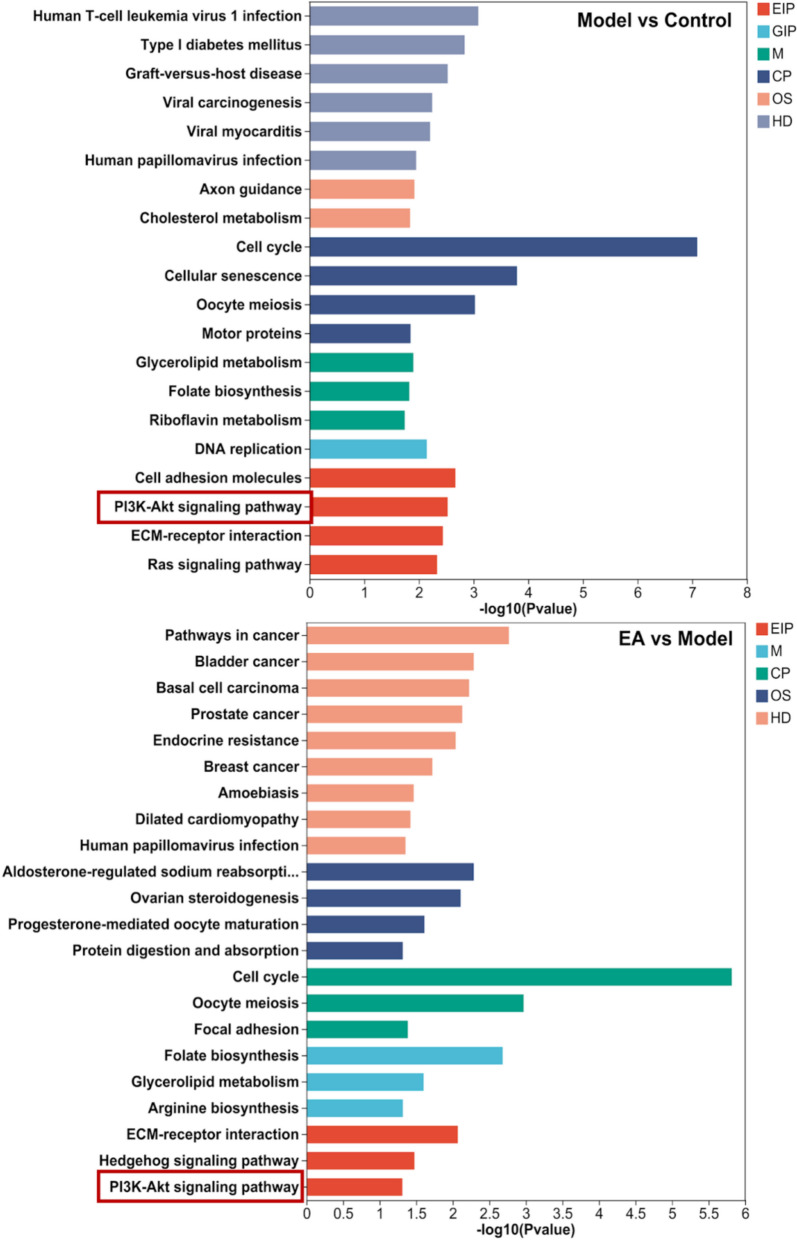 Figure 7
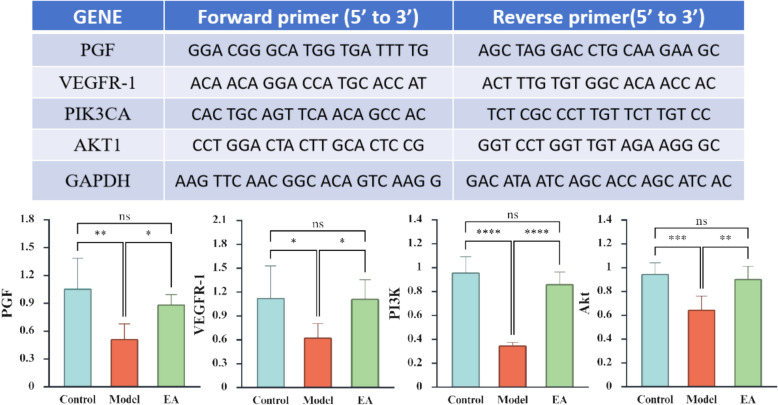 Figure 8
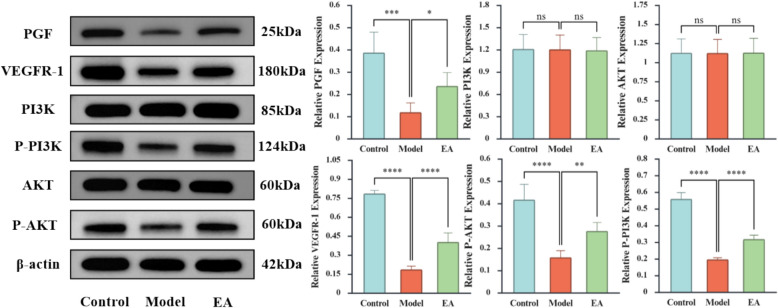 Figure 9
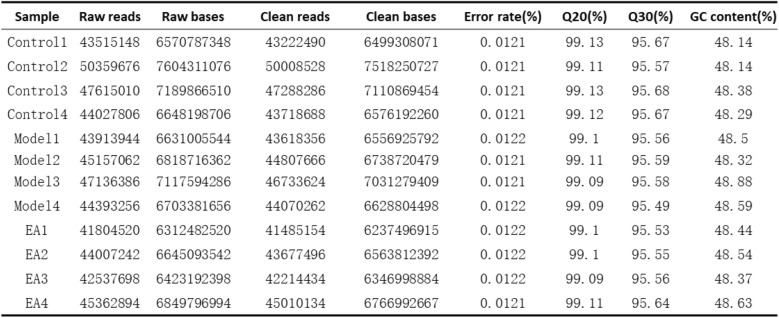 Figure 10
Peer Reviews
No public reviews on file for this paper yet. If you reviewed it on a platform where reviews are public (OpenReview, ICLR, NeurIPS, ICML), you can paste yours below so the community can read it here.
Videos
No videos yet. Explain this paper in a talk, walkthrough, or lecture? Add one.
Taxonomy
TopicsAcupuncture Treatment Research Studies · Neonatal and fetal brain pathology · Heart Rate Variability and Autonomic Control