Mycobacterium mageritense-associated refractory cutaneous infection and lymphadenitis in an immunocompetent adult: insights from genomic sequencing
Shinnosuke Fukushima, Jumpei Uchiyama, Yoshio Kawakami, Yoshiko Matsuura, Satoru Sugihara, Shin Morizane, Poowadon Muenraya, Hideharu Hagiya

TL;DR
A rare Mycobacterium mageritense infection in a healthy adult caused persistent skin and lymph node issues, resolved with targeted antibiotic therapy.
Contribution
New clinical and genomic insights into M. mageritense infections involving skin and lymph nodes in immunocompetent individuals.
Findings
M. mageritense caused cutaneous infection and lymphadenitis in an immunocompetent adult.
Genomic analysis identified resistance-related genes and phylogenetic links to Japanese strains.
Combination therapy with levofloxacin and minocycline resolved the infection after other treatments failed.
Abstract
Nontuberculous mycobacteria are increasingly recognized as causes of chronic and refractory skin and soft tissue infections, even in individuals without immunodeficiency. Among them, Mycobacterium mageritense is a rare, rapidly growing species that can lead to persistent lesions requiring prolonged antimicrobial therapy. Reports of M. mageritense infections involving both the skin and regional lymph nodes are limited, and this case adds new clinical and genomic insights. A 48-year-old previously healthy man presented with a slowly enlarging cutaneous lesion on his lower leg and ipsilateral inguinal lymphadenitis. Empirical antibacterial therapy with β-lactams and macrolides was ineffective. Wound cultures subsequently grew M. mageritense, confirmed by whole-genome sequencing. Several antimicrobial regimens were attempted, and the final successful therapy consisted of oral levofloxacin…
Genes, proteins, chemicals, diseases, species, mutations and cell lines named across the full text — each resolved to its canonical identifier and authoritative record.
Click any figure to enlarge with its caption.
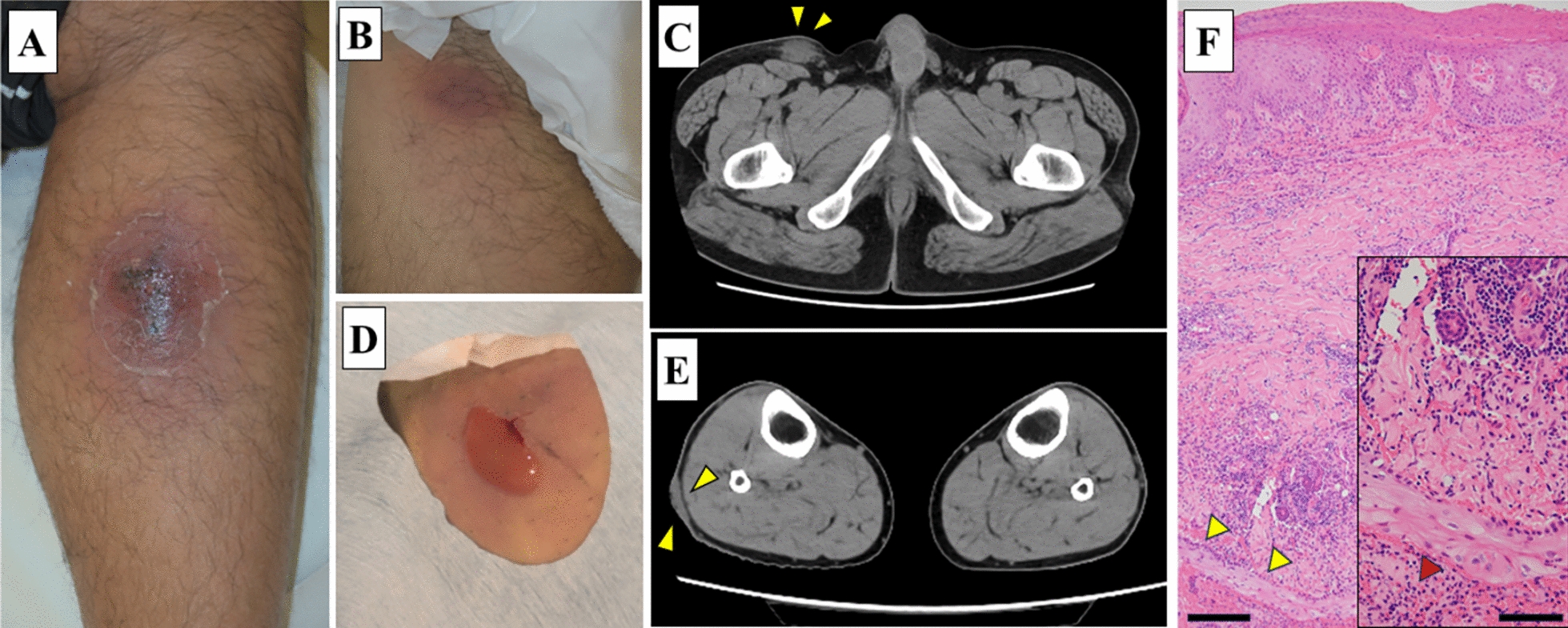 Figure 1
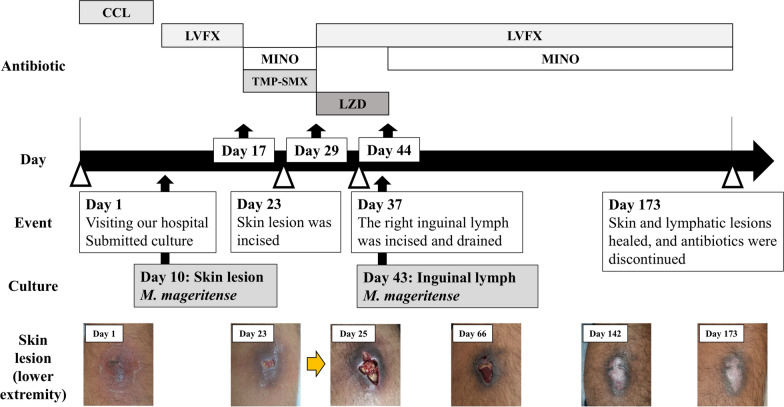 Figure 2
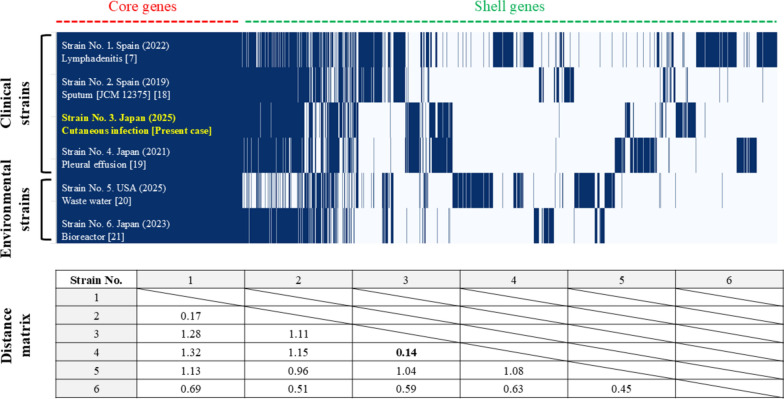 Figure 3
Peer Reviews
No public reviews on file for this paper yet. If you reviewed it on a platform where reviews are public (OpenReview, ICLR, NeurIPS, ICML), you can paste yours below so the community can read it here.
Videos
No videos yet. Explain this paper in a talk, walkthrough, or lecture? Add one.
Taxonomy
TopicsMycobacterium research and diagnosis · Infectious Diseases and Tuberculosis · Tuberculosis Research and Epidemiology