Paraneoplastic Erythroderma: An Unprecedented Initial Manifestation of In Situ Follicular Neoplasia
Manjul Srivastava

TL;DR
A rare case links in situ follicular neoplasia to severe skin inflammation, suggesting a new understanding of this typically silent condition.
Contribution
First reported case linking in situ follicular neoplasia to paraneoplastic erythroderma.
Findings
Complete resolution of erythroderma after excision of ISFN-positive lymph nodes.
ISFN may not be biologically inert as previously thought.
Abstract
Paraneoplastic erythroderma is a severe cutaneous reaction characterized by diffuse erythema and scaling of the body surface area. While typically associated with hematologic malignancies such as cutaneous T-cell lymphoma or solid tumors, it is notoriously refractory to standard dermatologic therapies. In situ follicular neoplasia (ISFN) is generally regarded as an indolent, clinically silent condition discovered incidentally. We present a unique case of severe, treatment-resistant erythroderma in an elderly male, which resolved completely following the excision of lymph nodes positive for ISFN. To our knowledge, this is the first reported association between ISFN and paraneoplastic erythroderma, challenging the paradigm that ISFN is a biologically inert entity.
Genes, proteins, chemicals, diseases, species, mutations and cell lines named across the full text — each resolved to its canonical identifier and authoritative record.
Click any figure to enlarge with its caption.
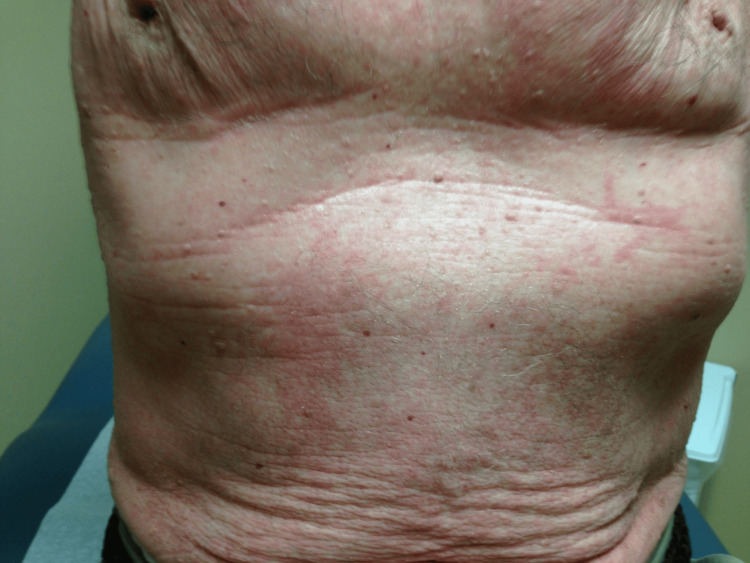 Figure 1
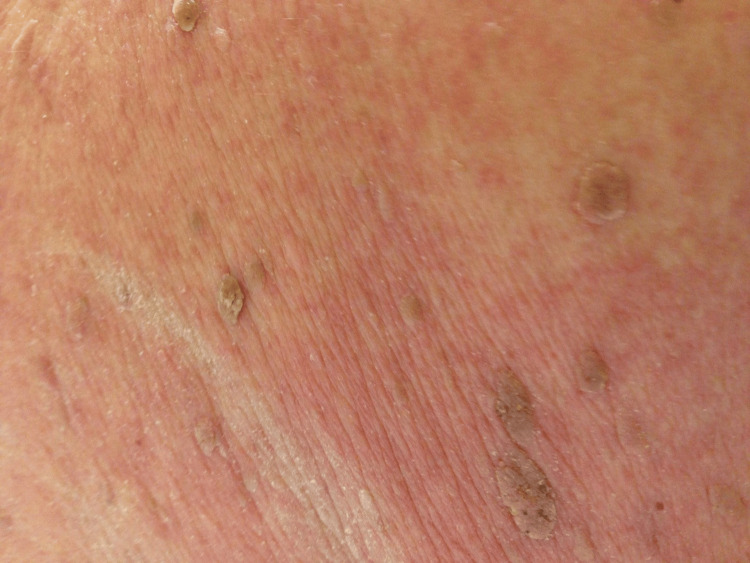 Figure 2
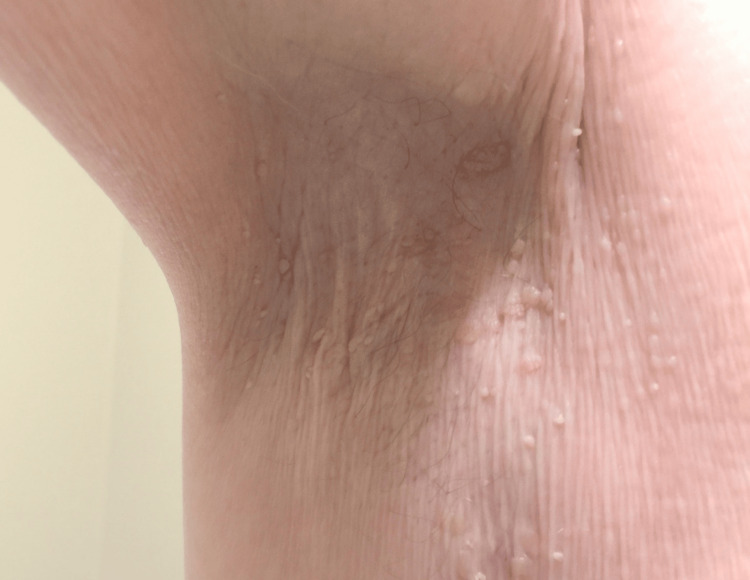 Figure 3
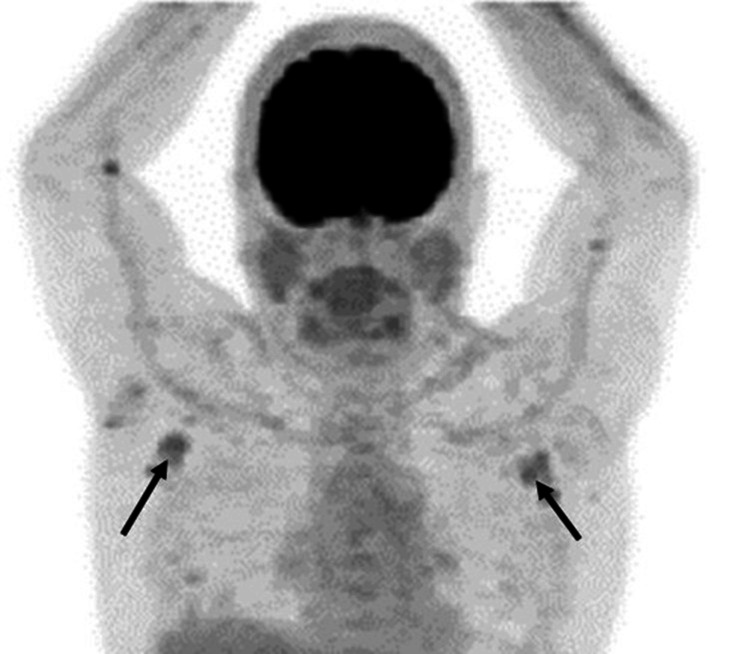 Figure 4
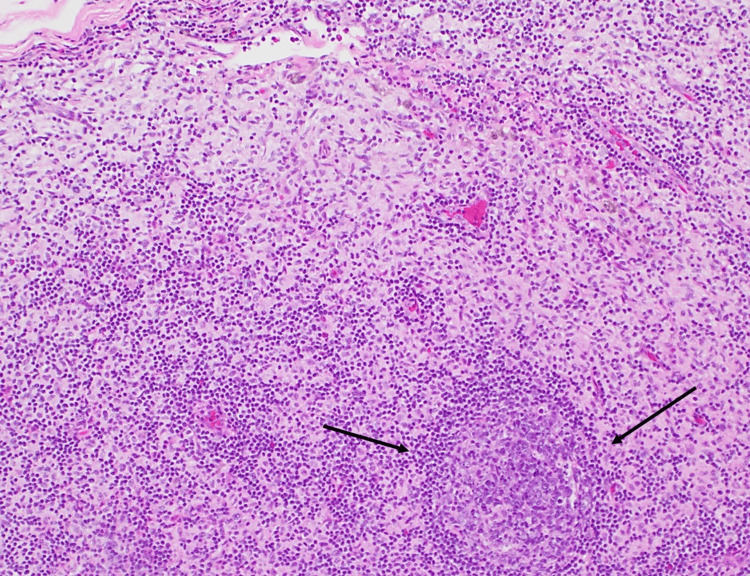 Figure 5
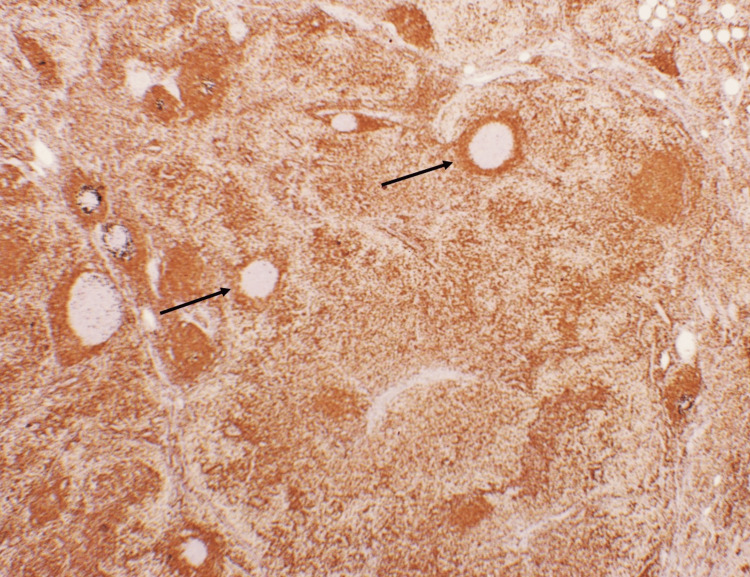 Figure 6
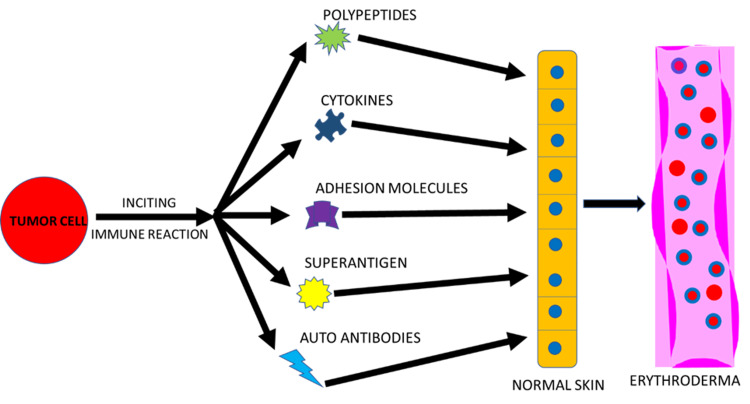 Figure 7
Peer Reviews
No public reviews on file for this paper yet. If you reviewed it on a platform where reviews are public (OpenReview, ICLR, NeurIPS, ICML), you can paste yours below so the community can read it here.
Videos
No videos yet. Explain this paper in a talk, walkthrough, or lecture? Add one.
Taxonomy
TopicsCutaneous lymphoproliferative disorders research · Skin Diseases and Diabetes · Eosinophilic Disorders and Syndromes