Rickettsial seropositivity in Lao PDR smallholder livestock farms: Implications for animal and human health
Chantal Tawfik, James R. Young, Syseng Khounsy, Phouvong Phommachanh, Peter Christensen, Watthana Theppangna, Tom Hughes, Jantana Wongsantichon, Stuart D. Blacksell, Michael P. Ward

TL;DR
This study finds that cattle in southern Laos are more likely to be exposed to Rickettsia bacteria, which can affect both animal and human health.
Contribution
The first nationwide serological assessment of Rickettsia exposure in Lao livestock using abattoir-based data.
Findings
25 out of 257 cattle tested were seropositive for Rickettsia, with a cluster identified in southern Laos.
Non-native cattle breeds and animals under one year old were more likely to be seropositive.
Pigs showed low seropositivity (2.4%), and no buffalo samples were positive.
Abstract
Rickettsioses are emerging zoonotic diseases in Southeast Asia caused by vector-borne, intracellular Rickettsia bacteria that threaten public health, animal welfare, and food security. Despite their importance to rural livelihoods, the epidemiology of rickettsial exposure in livestock remains poorly understood. This study used abattoir-based serology to evaluate livestock as sentinels of environmental exposure to Rickettsia in Lao PDR and to identify spatial hotspots and risk factors for seropositivity. Abattoir-based serological data were generated from cattle, pigs, and water buffalo samples collected in 18 provinces between January 2022 and April 2023. The immunofluorescence assay was used to detect antibodies against three rickettsial antigens: Scrub Typhus Group (Orientia tsutsugamushi), Typhus Group (R. typhi), and Spotted Fever Group (R. conorii, R. honei). Samples with IgG…
Genes, proteins, chemicals, diseases, species, mutations and cell lines named across the full text — each resolved to its canonical identifier and authoritative record.
Click any figure to enlarge with its caption.
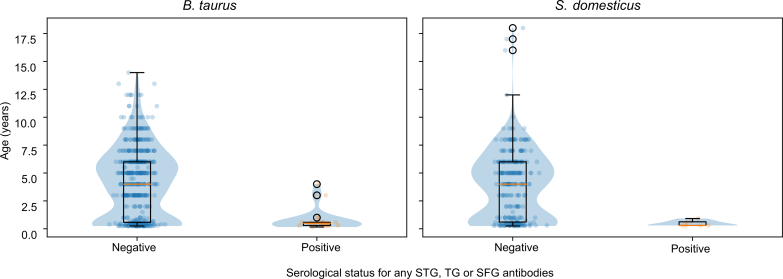 Figure 1
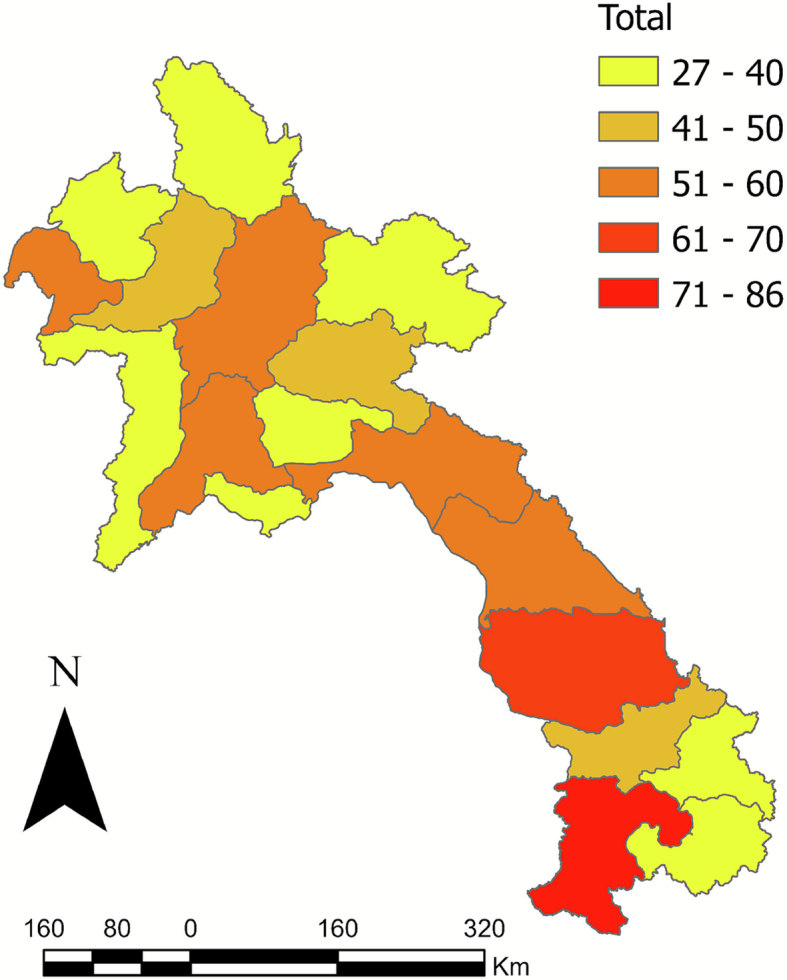 Figure 2
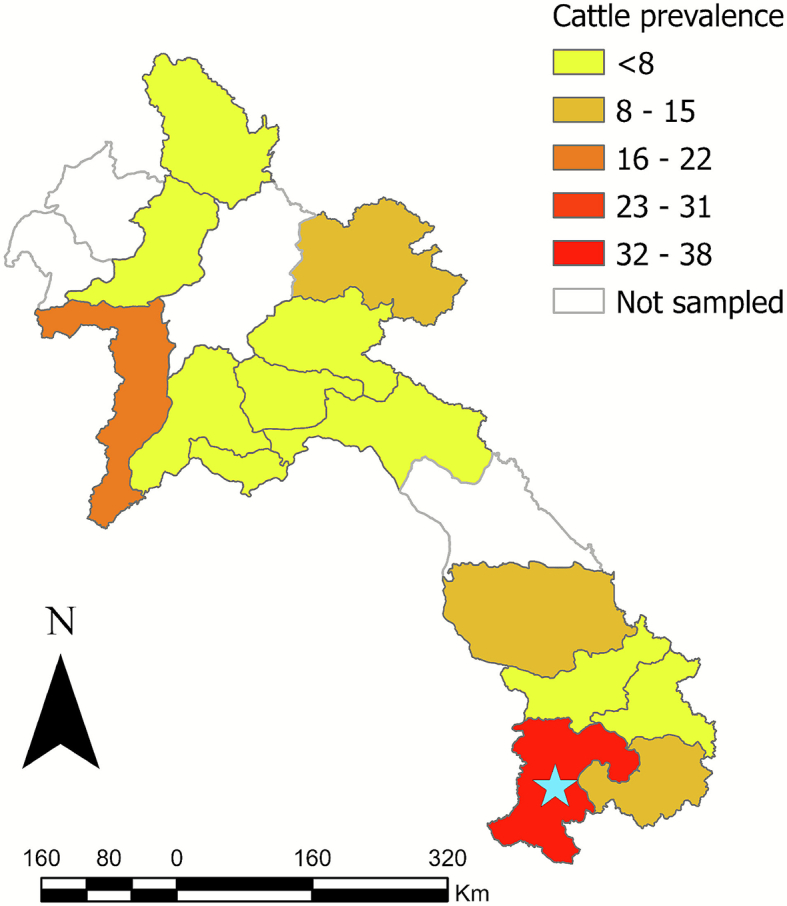 Figure 3
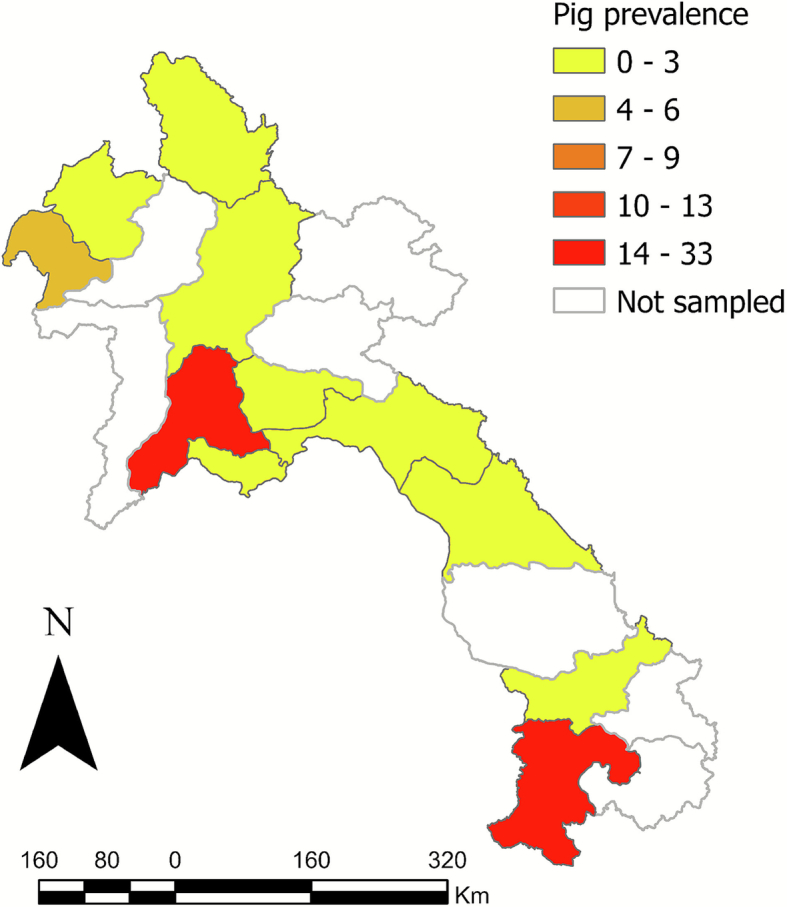 Figure 4
Peer Reviews
No public reviews on file for this paper yet. If you reviewed it on a platform where reviews are public (OpenReview, ICLR, NeurIPS, ICML), you can paste yours below so the community can read it here.
Videos
No videos yet. Explain this paper in a talk, walkthrough, or lecture? Add one.
Taxonomy
TopicsVector-borne infectious diseases · Leptospirosis research and findings · Parasites and Host Interactions