Rapid Nasal Breathing as a Biometric Trigger: High‐Accuracy Electroencephalogram‐Based Authentication for Clinical Applications
Cai Chen, Xianghong Kong, Danyang Lv, Xiangwei Meng, Chongxuan Tian, Zhi Li, Fengxia Wu, Ningling Zhang, Dedong Ma

TL;DR
This paper introduces a secure biometric system using EEG signals triggered by rapid nasal breathing, achieving high accuracy for patient authentication in clinical settings.
Contribution
A novel noninvasive biometric authentication method using respiratory-evoked EEG signals without external stimuli.
Findings
Rapid nasal breathing-evoked EEG achieved 98.3% accuracy in identity recognition.
Nasal breathing patterns outperformed oral breathing in biometric accuracy.
The hybrid ResNet-Swin Transformer model optimized spatial-temporal feature extraction.
Abstract
Traditional biometric systems are vulnerable to forgery, highlighting the need for secure alternatives. Electroencephalography (EEG) offers inherent advantages in liveness detection and antispoofing but typically requires external stimuli. We propose a novel paradigm leveraging intrinsic respiratory‐evoked EEG signals for identity authentication, with potential applications in clinical settings where unobtrusive monitoring is critical. We developed a 64‐channel EEG acquisition system with synchronized respiratory event monitoring. Thirteen healthy volunteers performed four breathing patterns: oral, nasal, slow nasal, and rapid nasal breathing. A hybrid deep learning model was designed to optimize spatial–temporal feature extraction from EEG signals. The model achieved 98.3% accuracy in identity recognition using rapid nasal breathing‐evoked EEG, outperforming traditional biometric…
Genes, proteins, chemicals, diseases, species, mutations and cell lines named across the full text — each resolved to its canonical identifier and authoritative record.
Click any figure to enlarge with its caption.
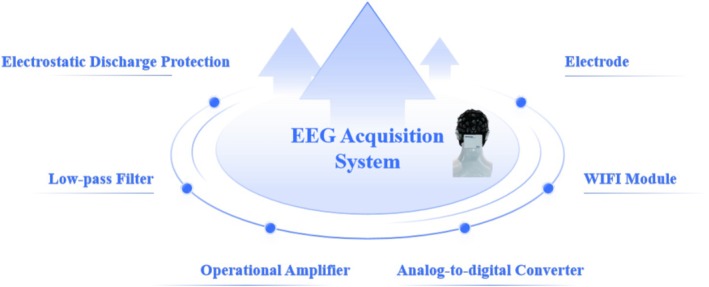 Figure 1
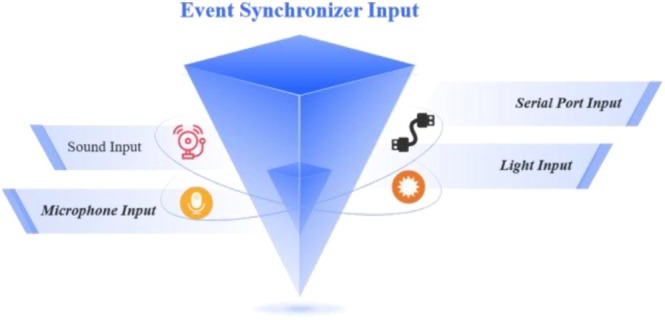 Figure 2
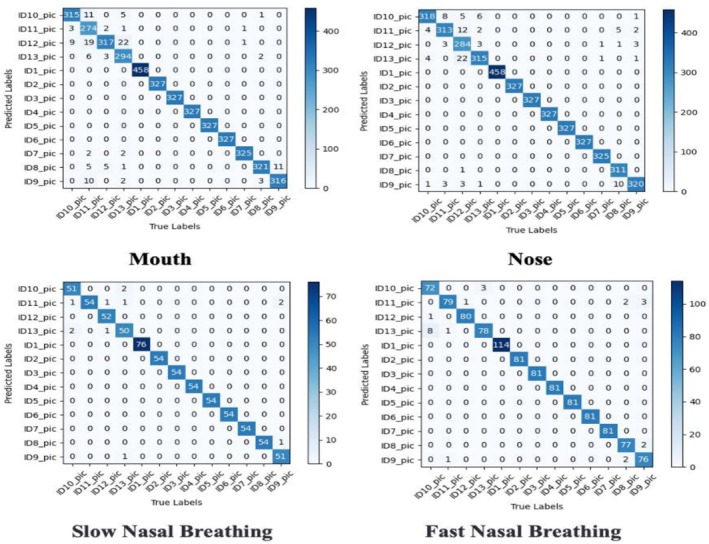 Figure 3
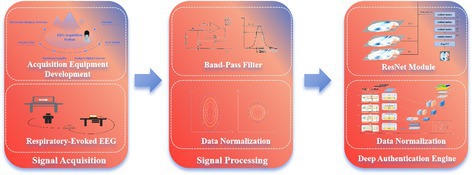 Figure 4
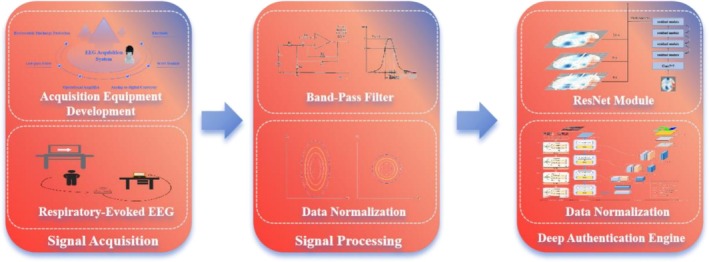 Figure 5
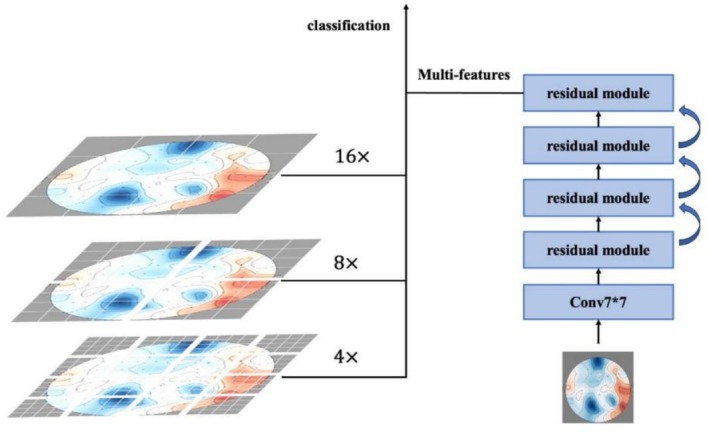 Figure 6
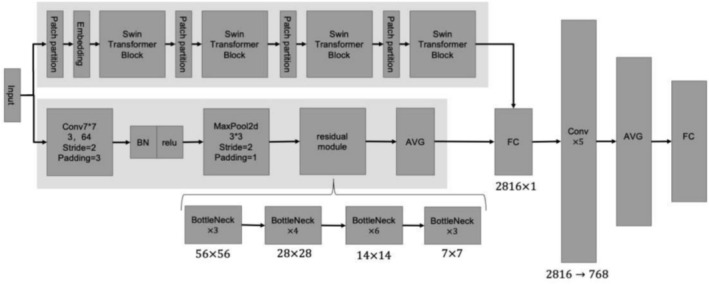 Figure 7
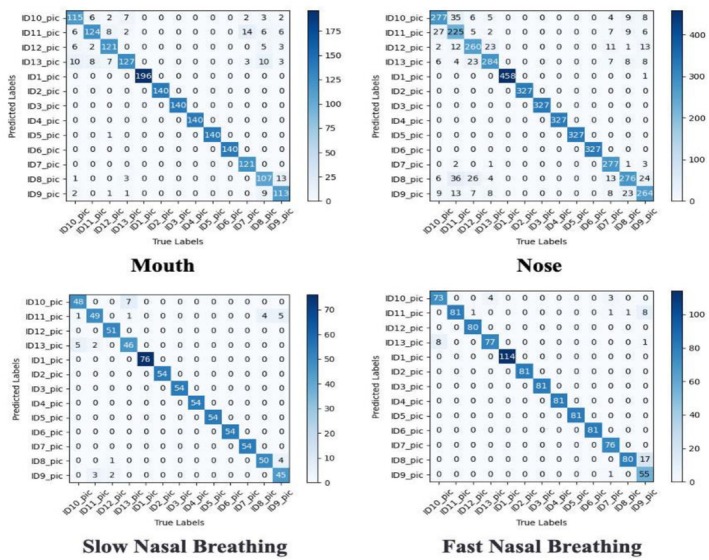 Figure 8
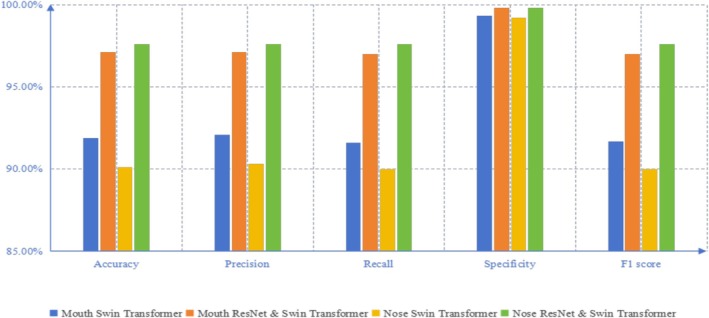 Figure 9
Peer Reviews
No public reviews on file for this paper yet. If you reviewed it on a platform where reviews are public (OpenReview, ICLR, NeurIPS, ICML), you can paste yours below so the community can read it here.
Videos
No videos yet. Explain this paper in a talk, walkthrough, or lecture? Add one.
Taxonomy
TopicsEEG and Brain-Computer Interfaces · Non-Invasive Vital Sign Monitoring · Emotion and Mood Recognition