Zinc-Releasing Fibrous Scaffolds Modulate Fibroblast, Endothelial, and Macrophage Interactions for Vascularized Tissue Engineering
Sita Shrestha, Bishnu Kumar Shrestha, Reedwan Bin Zafar Auniq, Niranjan Parajuli, Salil Desai, Narayan Bhattarai

TL;DR
Zinc-releasing fibrous scaffolds improve tissue engineering by promoting cell interactions needed for blood vessel formation and healing.
Contribution
A novel zinc-releasing fibrous scaffold is developed to enhance vascularized tissue regeneration through controlled zinc ion release.
Findings
PLZ2 scaffolds with 1.0 wt% Zn NPs showed controlled Zn2+ release without burst toxicity.
Zn2+ release promoted fibroblast differentiation and increased angiogenic growth factor secretion.
Scaffolds supported macrophage polarization and endothelial cell functionality for vascularization.
Abstract
Fibrous scaffolds are emerging as key biomaterials in regenerative medicine, which provide structural and biochemical support for tissue repair. Despite new advancements in the field, many fibrous scaffolds still face intrinsic limitations, including suboptimal biodegradability, inadequate bioactivity, and limited control over therapeutic release, all of which hinder their broader biomedical applications. To address these challenges, we fabricated electrospun poly(glycolic-co-lactic acid) (PLGA) fibrous scaffolds embedded with various weight percentages (wt %) of zinc nanoparticles (Zn NPs), and then their physicochemical and biocompatibility properties were evaluated. The scaffold containing 1.0 wt % Zn NPs (PLZ2) exhibited controlled release of Zn2+, followed by a downward linear trend up to day 8. Afterward, the release rate became relatively steady over time, up to day 14, thereby…
Genes, proteins, chemicals, diseases, species, mutations and cell lines named across the full text — each resolved to its canonical identifier and authoritative record.
Click any figure to enlarge with its caption.
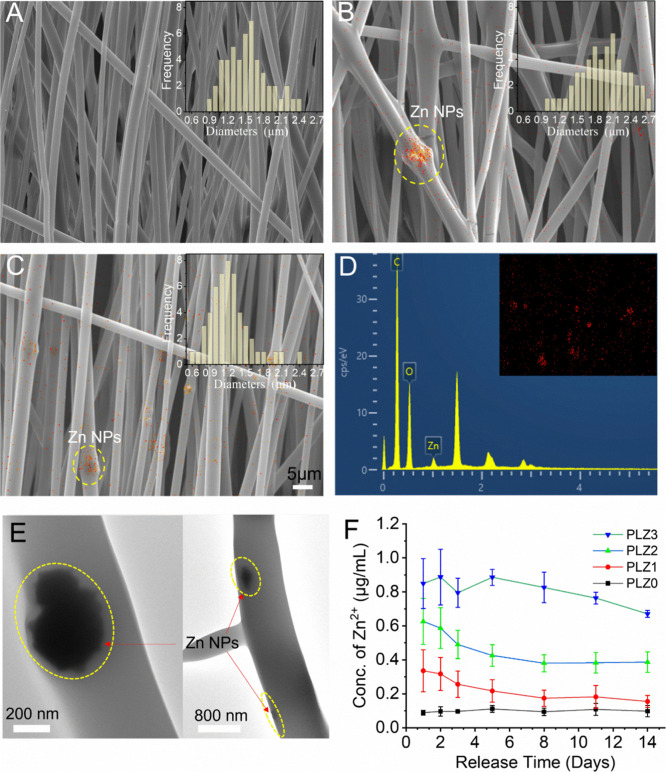 Figure 1
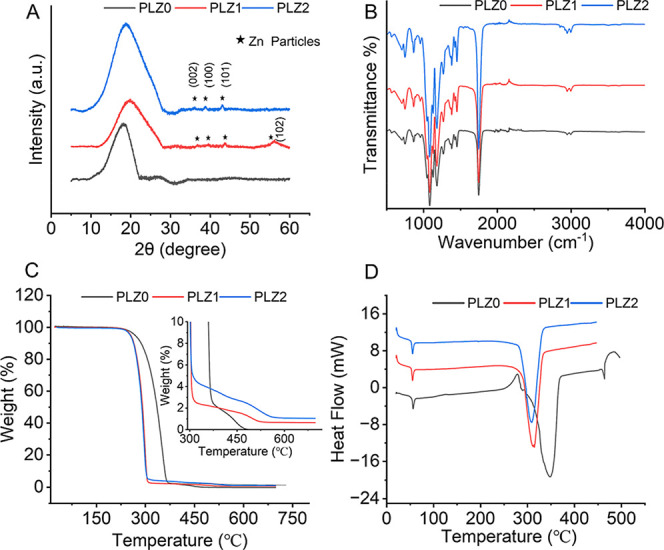 Figure 2
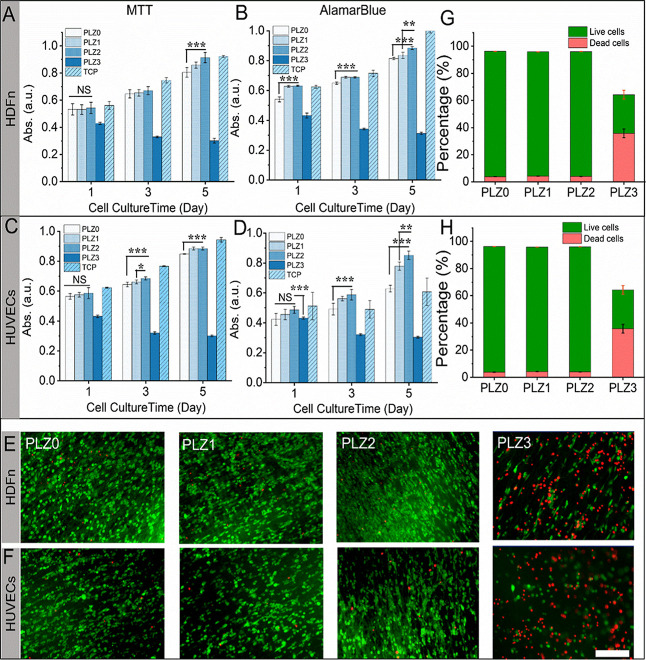 Figure 3
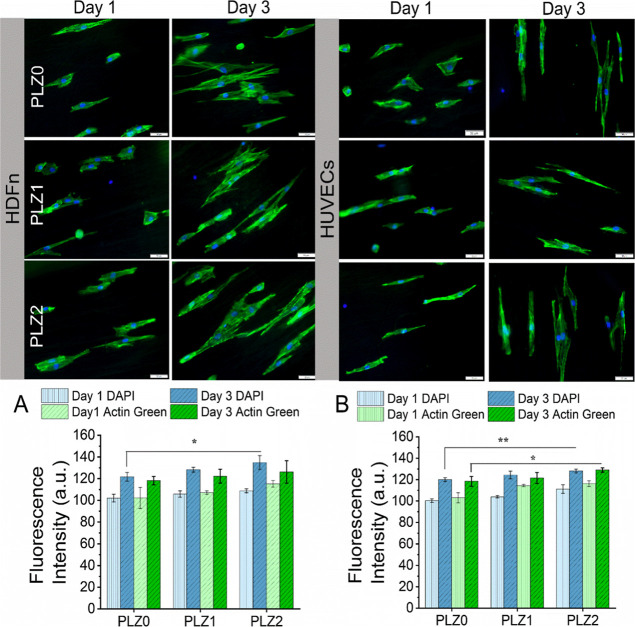 Figure 4
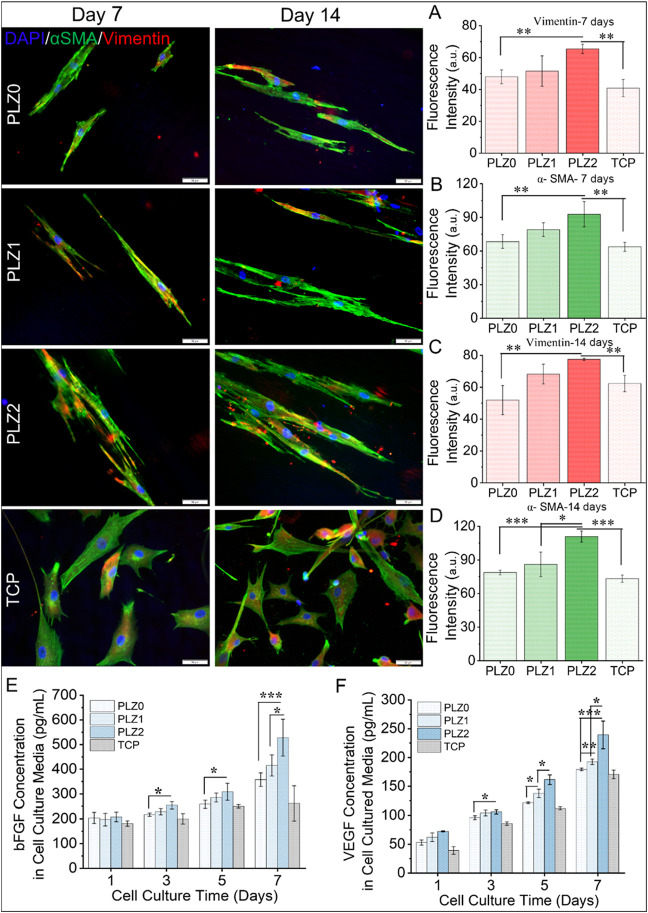 Figure 5
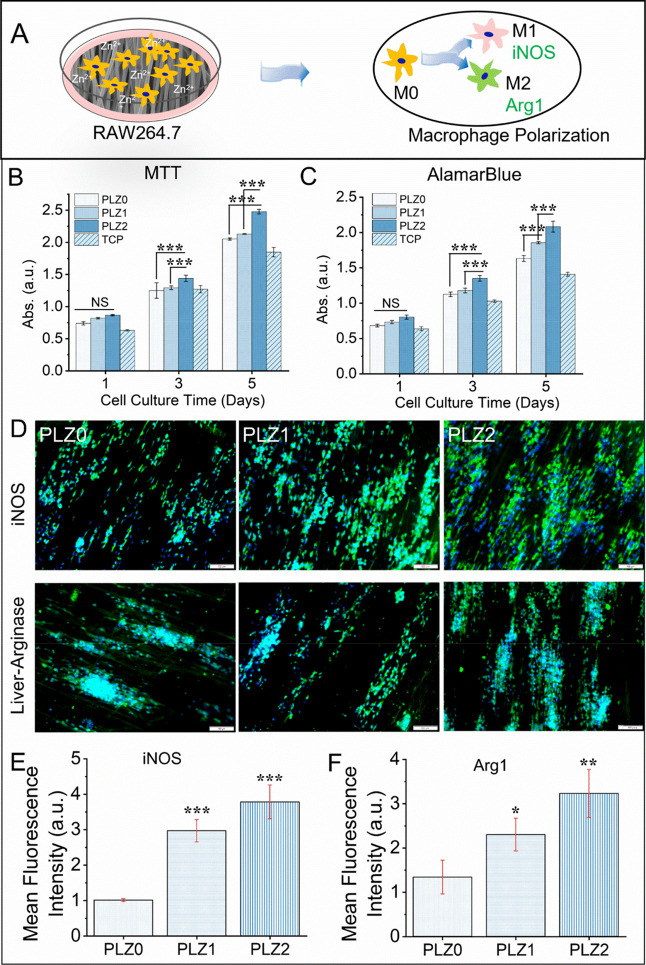 Figure 6
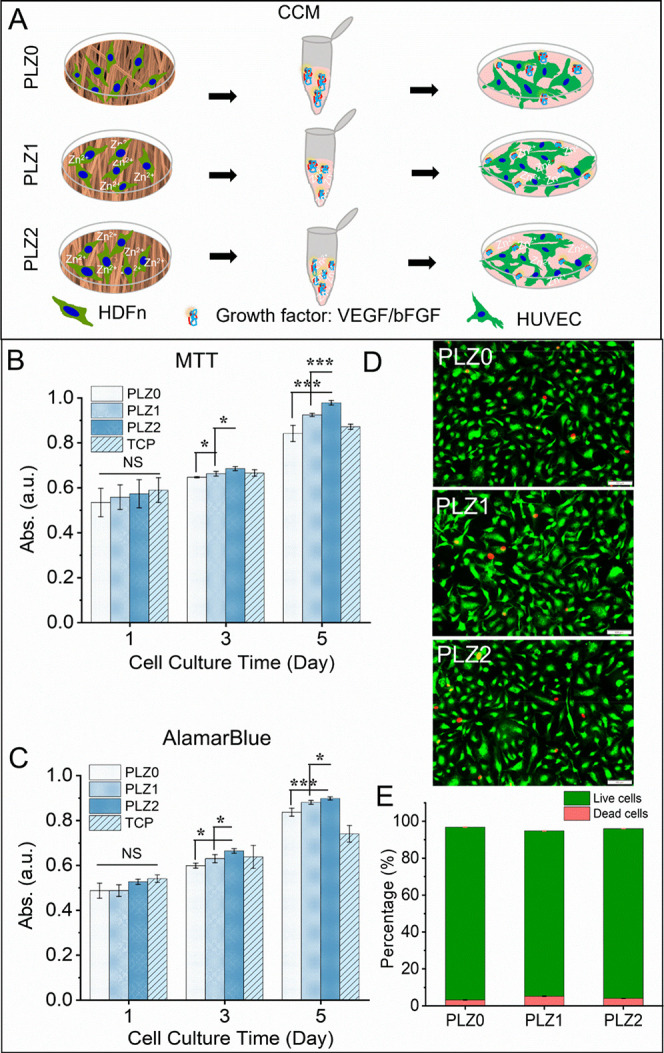 Figure 7
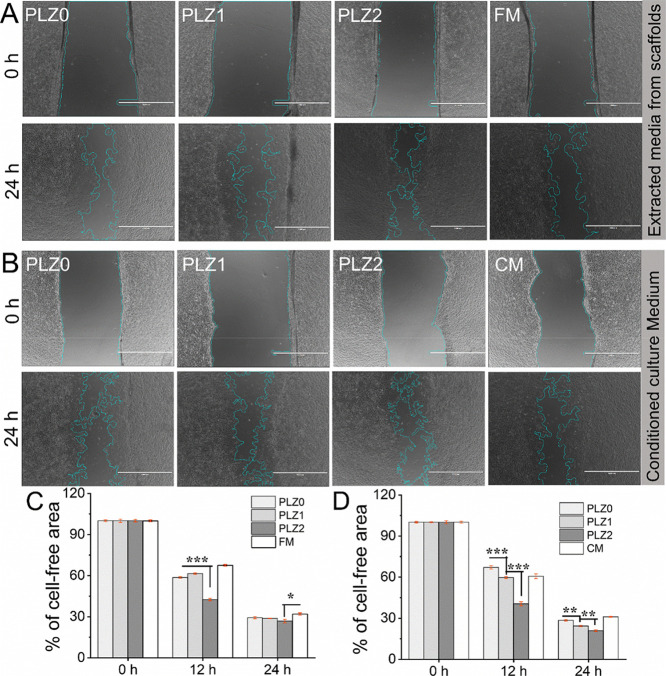 Figure 8
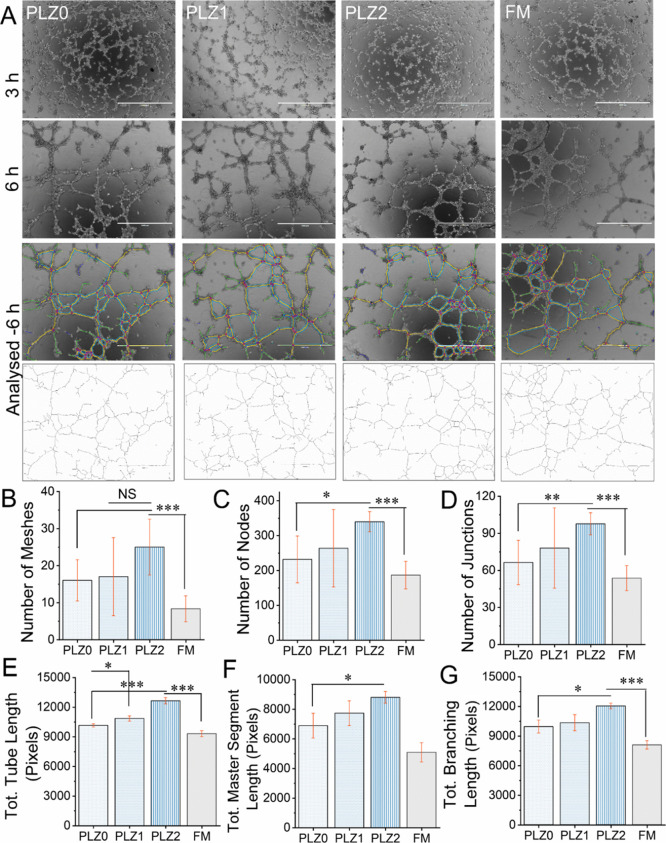 Figure 9
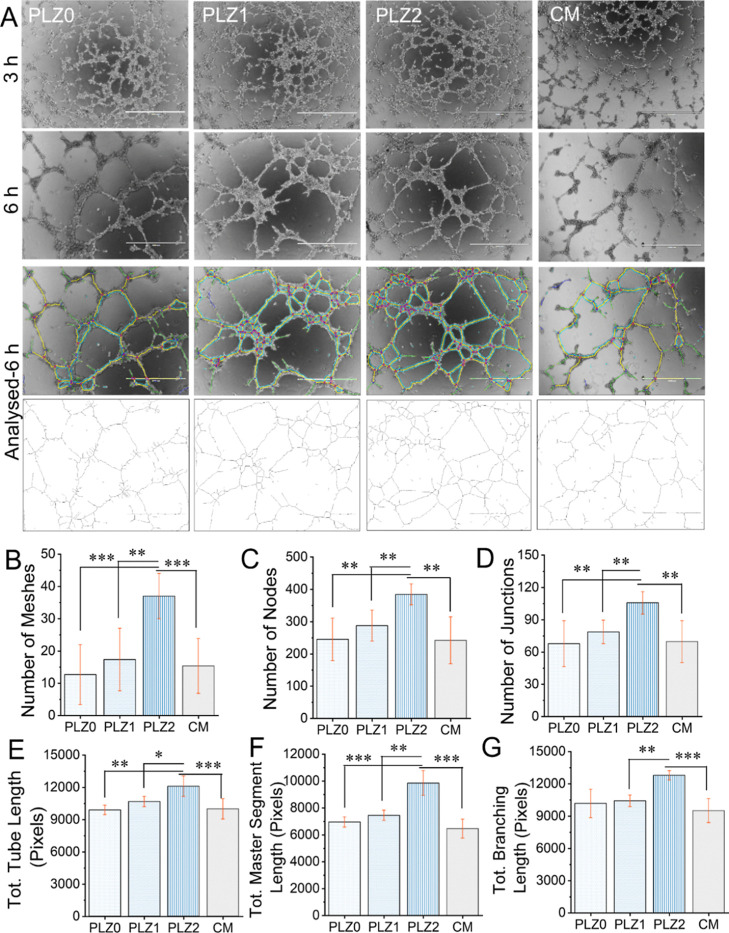 Figure 10
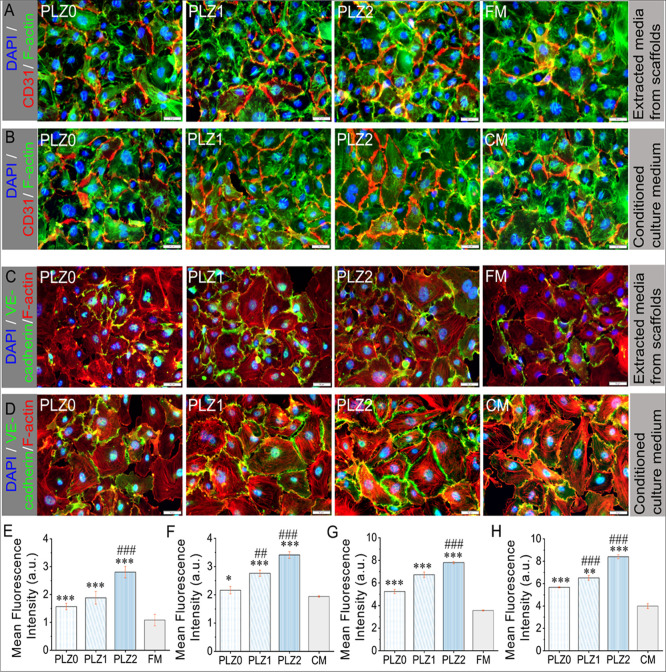 Figure 11
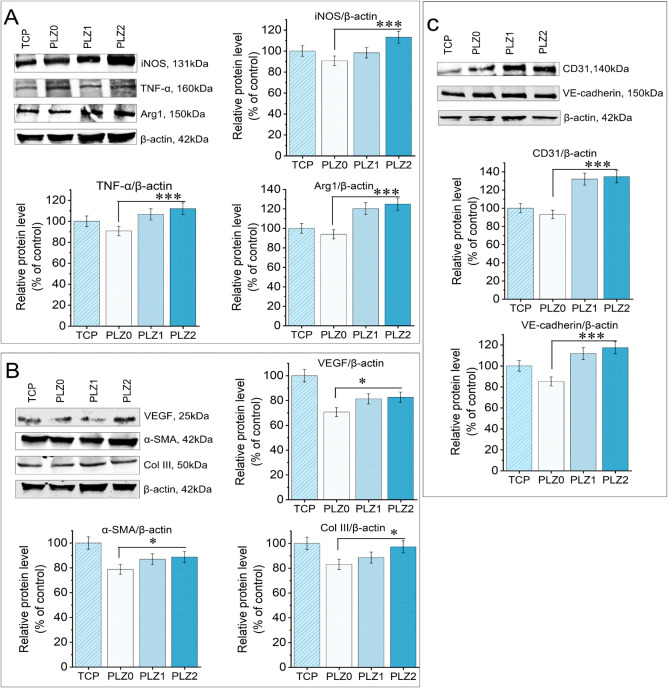 Figure 12
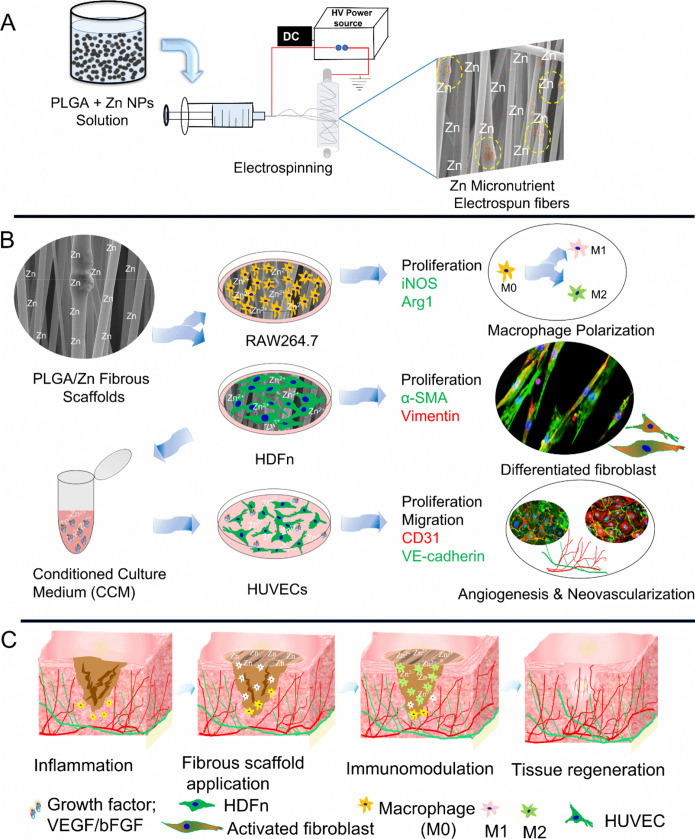 Figure 13
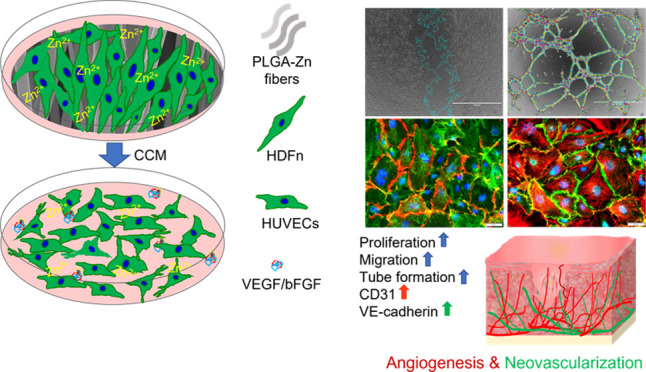 Figure 14
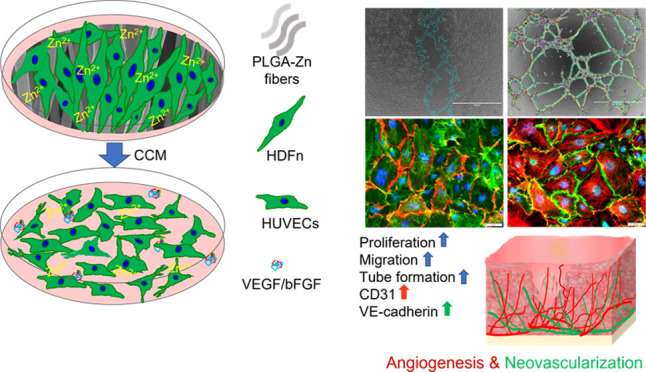 Figure 15
Peer Reviews
No public reviews on file for this paper yet. If you reviewed it on a platform where reviews are public (OpenReview, ICLR, NeurIPS, ICML), you can paste yours below so the community can read it here.
Videos
No videos yet. Explain this paper in a talk, walkthrough, or lecture? Add one.
Taxonomy
TopicsElectrospun Nanofibers in Biomedical Applications · Wound Healing and Treatments · Silk-based biomaterials and applications