Zn-Quer Nanozymes Reprogram the Malignant Phenotypic Transformation of Gastric Cancer Cells via Cascade Reactive Oxygen Species Coordination
Heng Jiang, Jiahao Wang, Siyu Gui, Sensen Niu, Guangzheng Lin, Hui Yuan, Yongqi Wu, Chuhan Zhou, Jingjing Tang, Qiao Mei, Lianbang Zhou

TL;DR
This paper introduces Zn-Quer nanozymes, a new treatment for gastric cancer that reduces harmful cell changes by balancing reactive oxygen species.
Contribution
The novel Zn-Quer nanozyme is introduced as a therapeutic strategy for gastric cancer through ROS coordination and malignant phenotype reprogramming.
Findings
Zn-Quer nanozymes inhibit gastric cancer cell proliferation and induce apoptosis.
The nanozymes reduce intracellular ROS levels and reprogram malignant traits like EMT and angiogenesis.
In vitro and in vivo experiments confirm the effectiveness of Zn-Quer nanozymes in reversing cancerous transformations.
Abstract
Gastric cancer (GC) remains one of the leading causes of cancer-related mortality worldwide, presenting significant therapeutic challenges due to its late-stage diagnosis and high metastatic potential. Imbalance in reactive oxygen species (ROS) homeostasis is crucial for the onset, development, and malignant transformation of GC. To address the demand for innovative therapeutic approaches, this study introduces a novel nanocoordination polymer, Zn-Quer nanozymes (NZs), synthesized from quercetin (Quer) and zinc ions. These nanoparticles utilize quercetin’s anti-inflammatory and antioxidant properties, improving its bioavailability and therapeutic effectiveness via a nanoparticle delivery system. Zn-Quer NZs were synthesized via coordination chemistry and characterized by using TEM, XRD, and FTIR to confirm their structural integrity and composition. In vitro studies on GC cell lines and…
Genes, proteins, chemicals, diseases, species, mutations and cell lines named across the full text — each resolved to its canonical identifier and authoritative record.
Click any figure to enlarge with its caption.
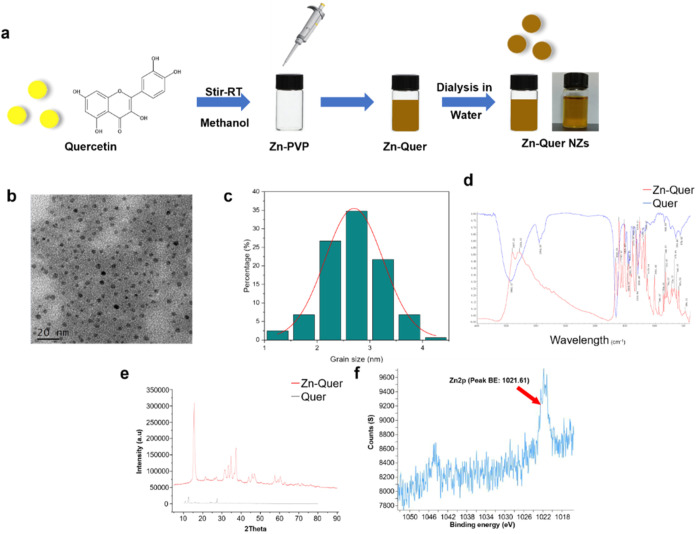 Figure 1
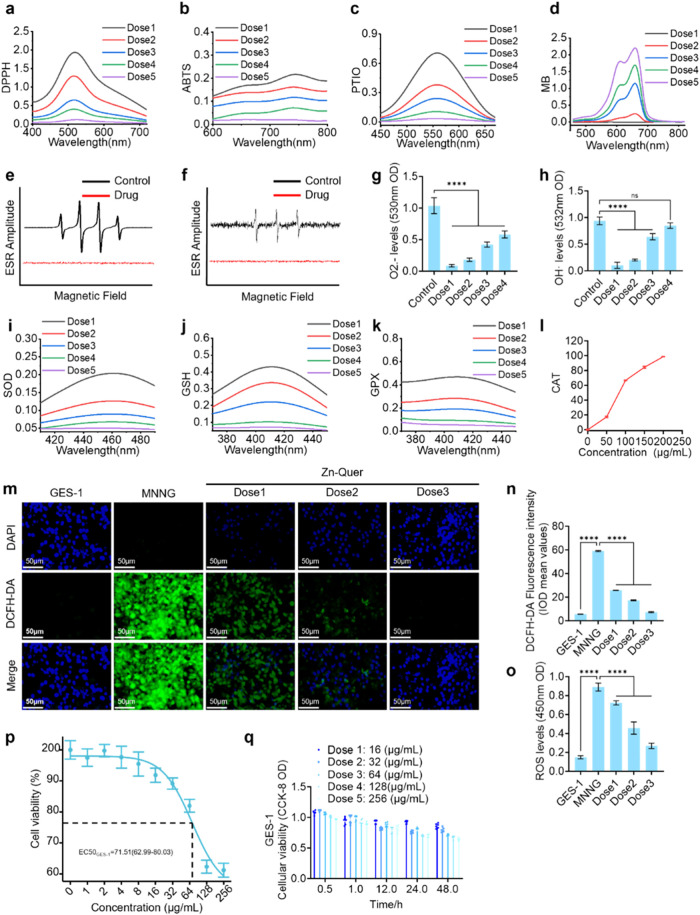 Figure 2
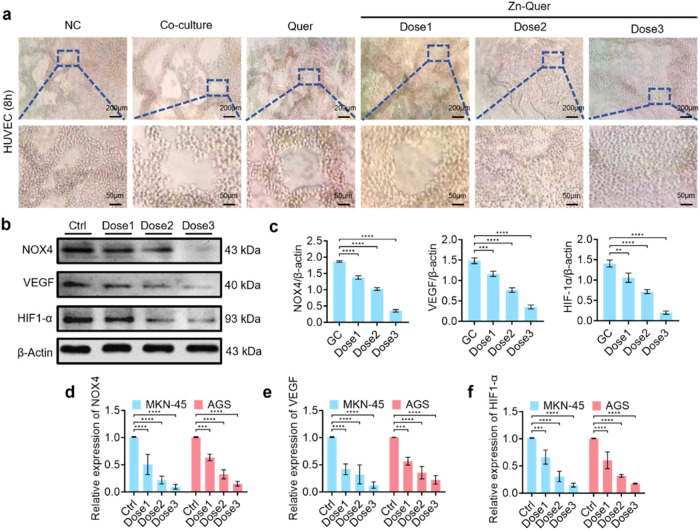 Figure 3
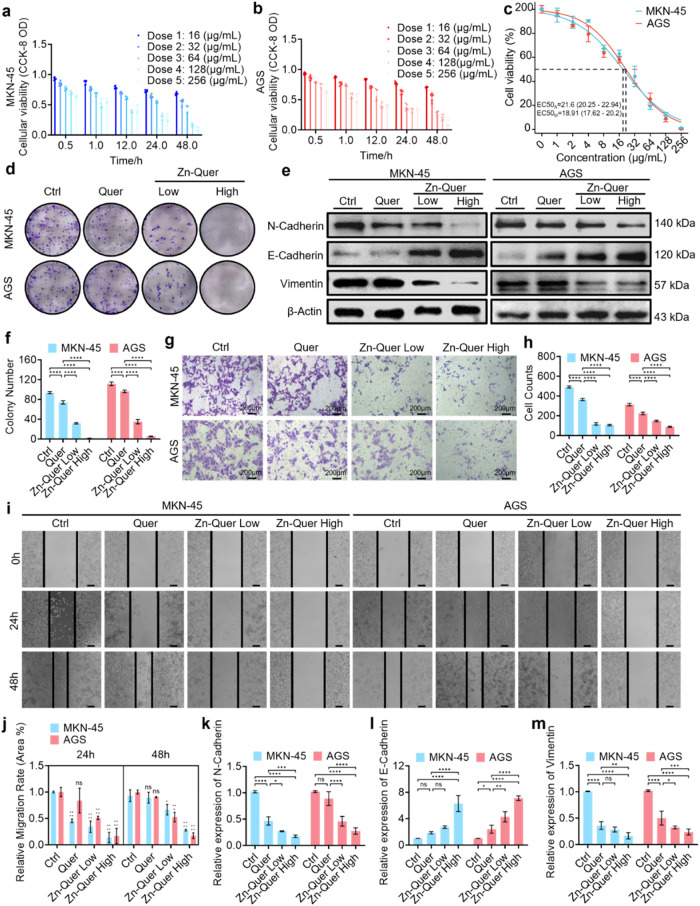 Figure 4
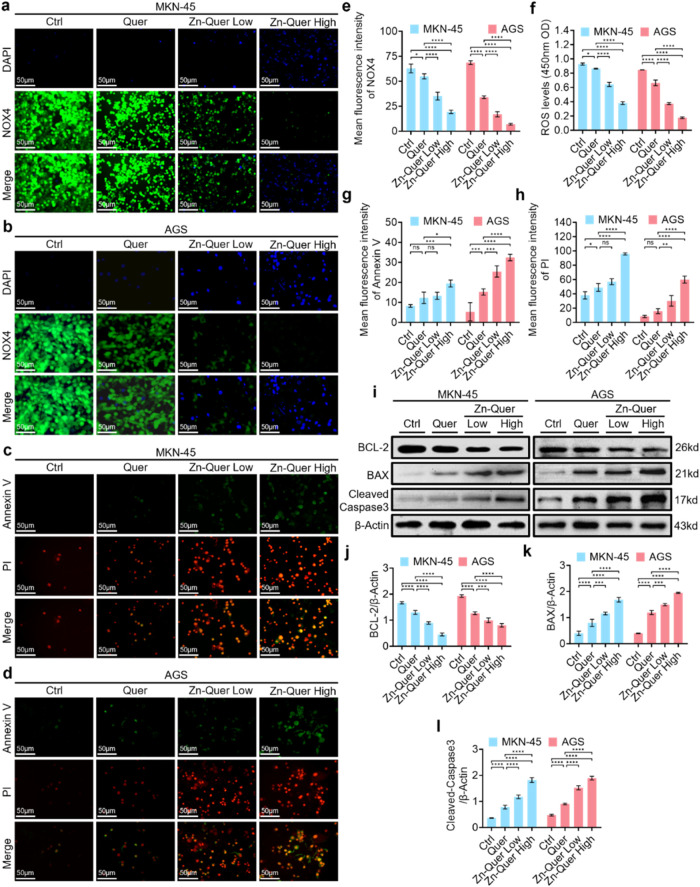 Figure 5
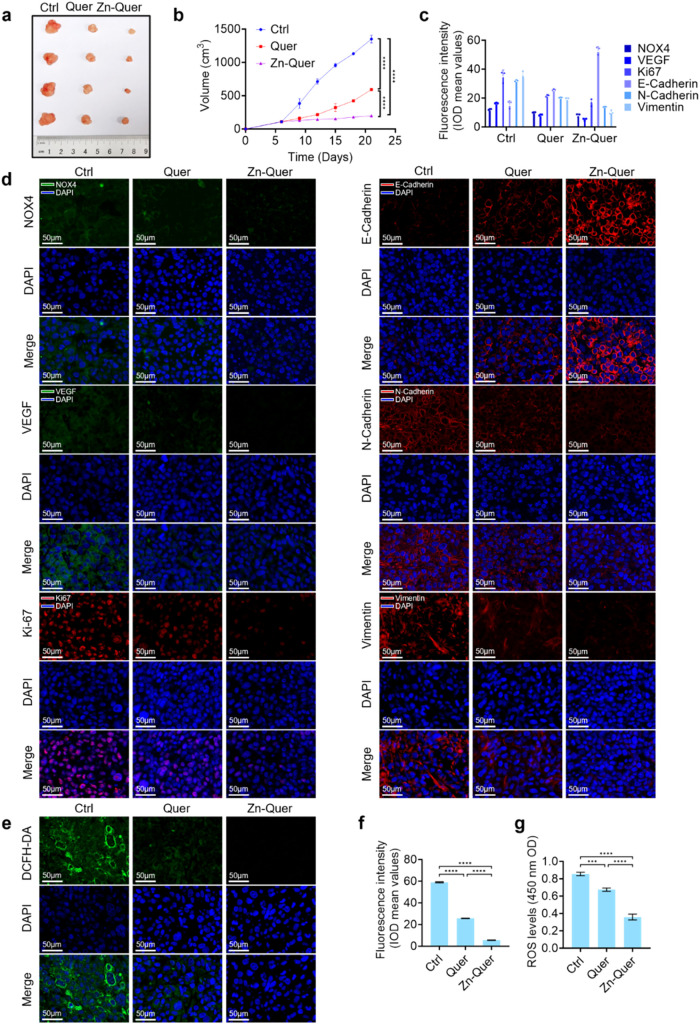 Figure 6
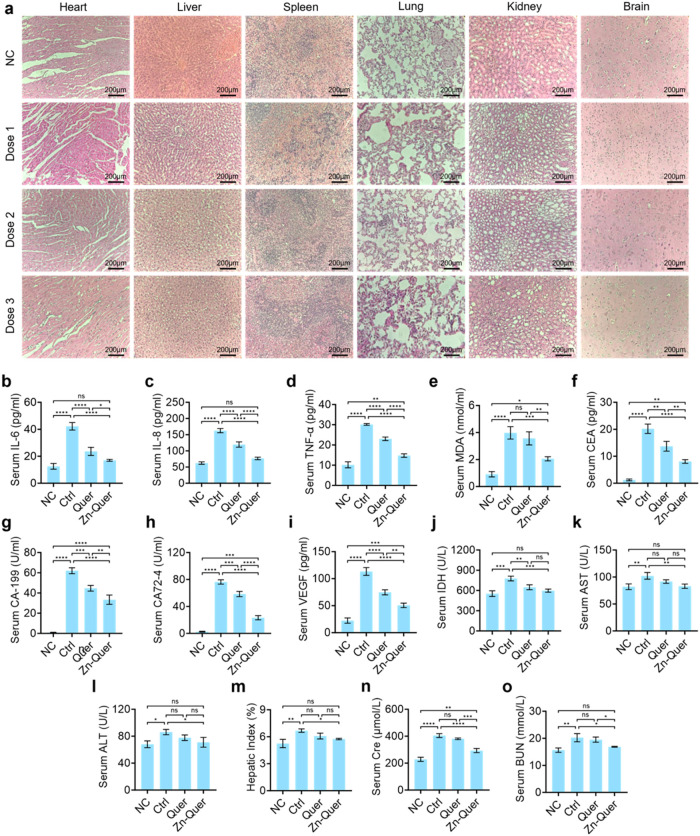 Figure 7
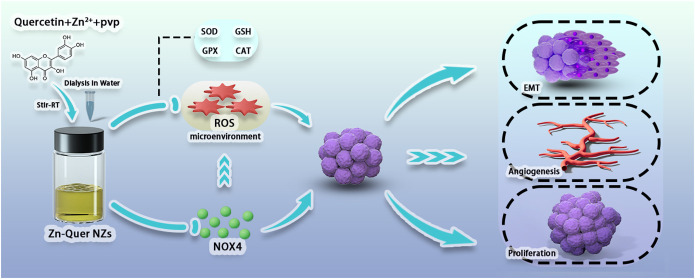 Figure 8
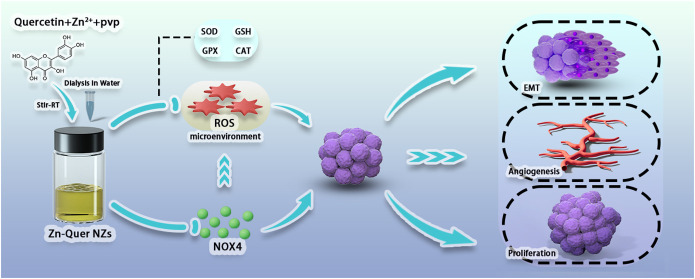 Figure 9
Peer Reviews
No public reviews on file for this paper yet. If you reviewed it on a platform where reviews are public (OpenReview, ICLR, NeurIPS, ICML), you can paste yours below so the community can read it here.
Videos
No videos yet. Explain this paper in a talk, walkthrough, or lecture? Add one.
Taxonomy
TopicsAdvanced Nanomaterials in Catalysis · Nanoplatforms for cancer theranostics · Metal-Organic Frameworks: Synthesis and Applications