On the Utilization and Characterization of External Biotransformation Systems in In Vitro Toxicology: A Critical Review of the Scientific Literature with Guidance Recommendations
Sebastian Lungu-Mitea, Matilda Stein Åslund, Inska Reichstein, Felipe Augusto Pinto-Vidal, Andreas Schiwy, Henner Hollert, Miriam N Jacobs, Klára Hilscherová

TL;DR
This paper reviews the use of external biotransformation systems in in vitro toxicology, highlighting methodological issues and offering guidance to improve reliability and reproducibility.
Contribution
The paper provides a critical evaluation of biotransformation systems' methodological rigor and proposes a regulatory guidance framework to enhance their use in toxicology.
Findings
Biotransformation systems lack reproducible standards and show no significant correlations in concentration–response relationships.
Methodological reporting in the literature is inconsistent, affecting the reliability of biotransformation system applications.
Recommendations are proposed to improve research practices and regulatory integration of biotransformation systems.
Abstract
Incorporating biotransformation capabilities into in vitro assays represents one of the most critical challenges in toxicology, facilitating the transition from in vivo models to integrated in vitro strategies. Although emerging technologies show promise, their current limitations in scalability hinder their high-throughput applications. In the short to mid term, externally added biotransformation systems (“BTS”: S9 and microsomal liver fractions) used together with in vitro assays offer viable alternatives. However, despite over 50 years of use, BTS are marred by reproducibility issues, raising concerns about their reliability and raising the question: Are BTS inherently unreliable, or has their reputation been flawed by methodological oversights? This review critically evaluates BTS’ methodological rigor, applying a deep statistical analysis of the scientific literature. We employed…
Genes, proteins, chemicals, diseases, species, mutations and cell lines named across the full text — each resolved to its canonical identifier and authoritative record.
Click any figure to enlarge with its caption.
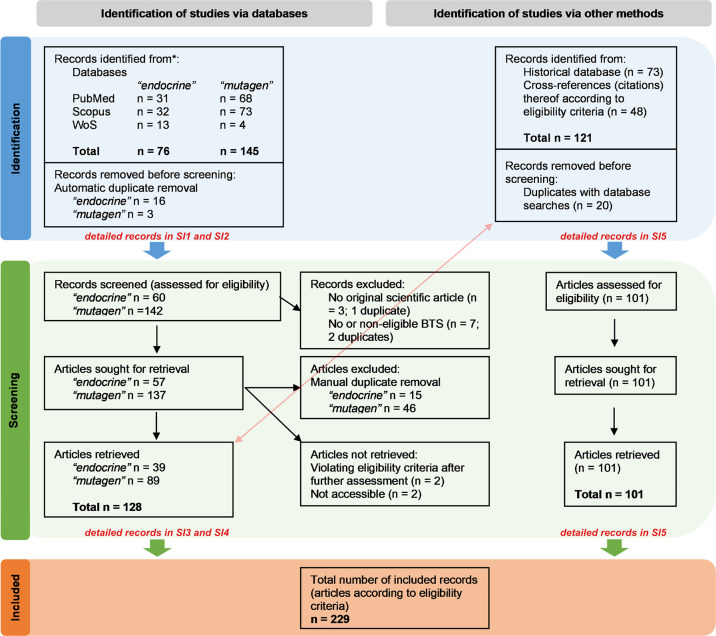 Figure 1
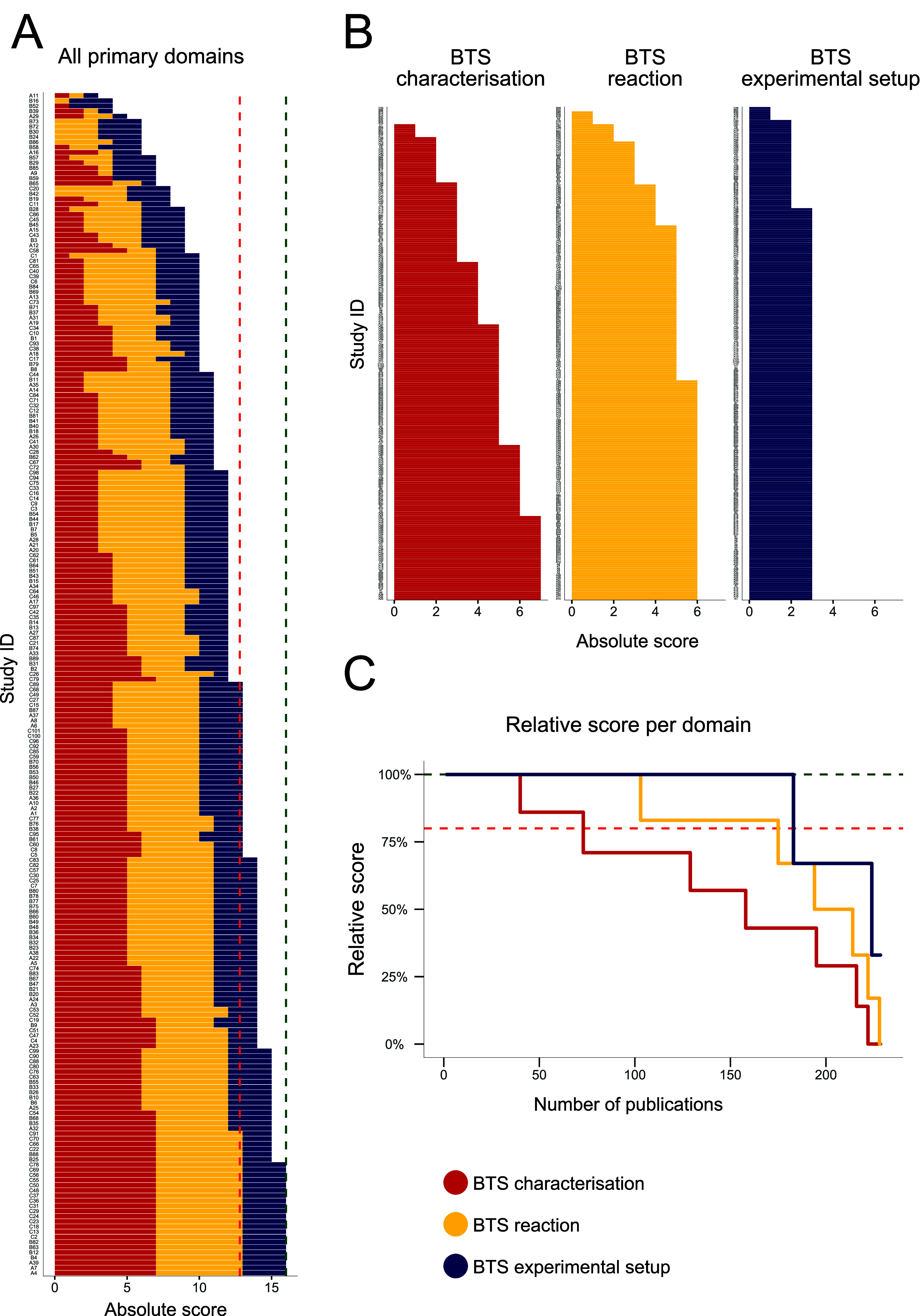 Figure 2
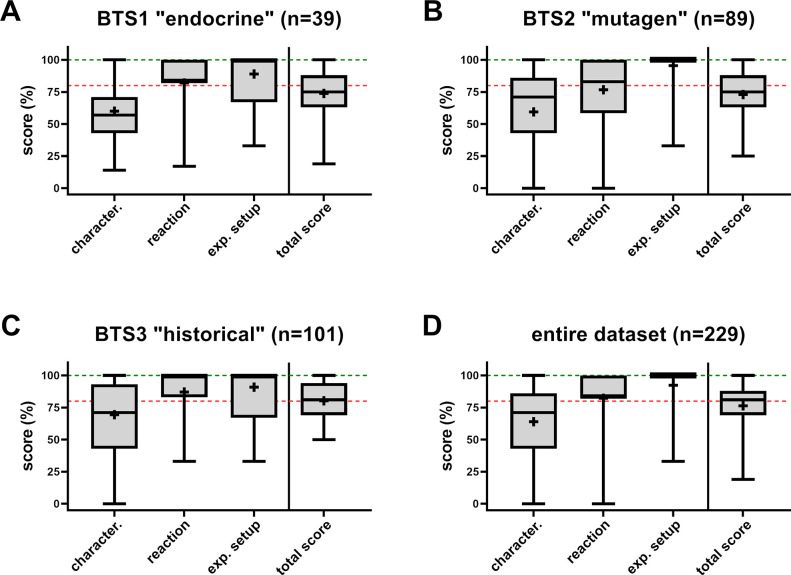 Figure 3
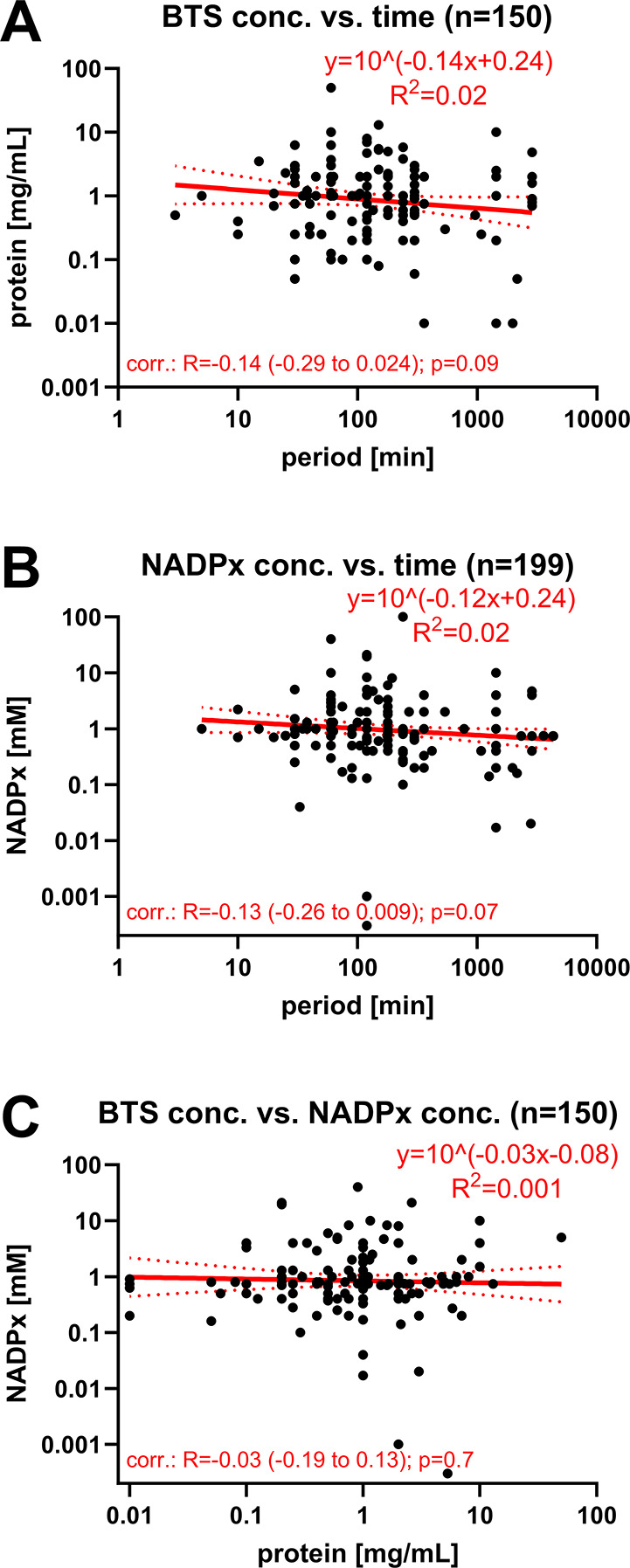 Figure 4
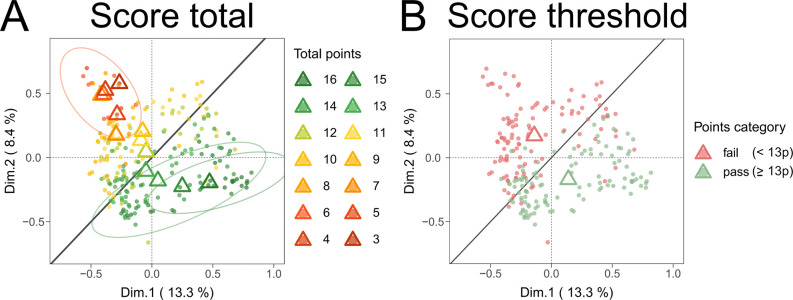 Figure 5
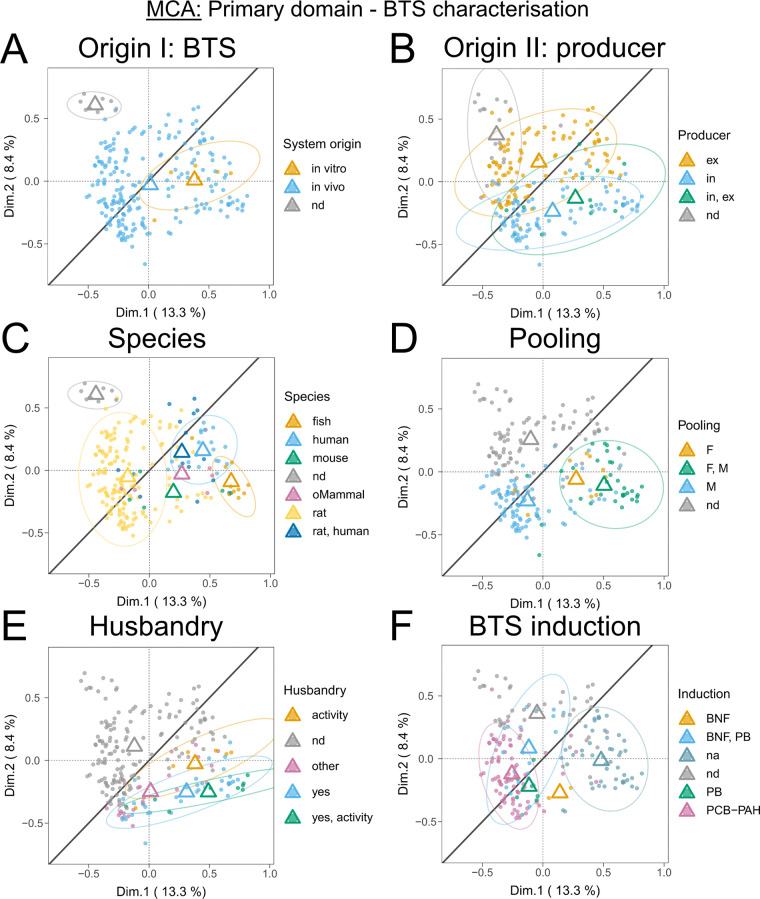 Figure 6
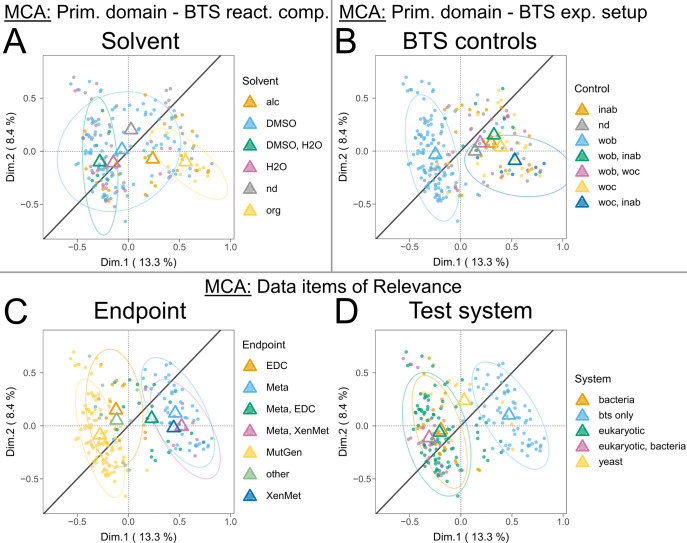 Figure 7
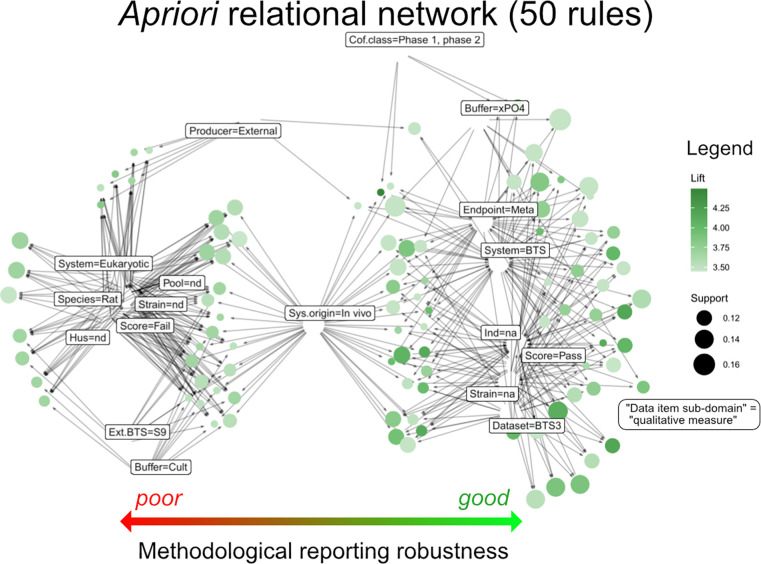 Figure 8
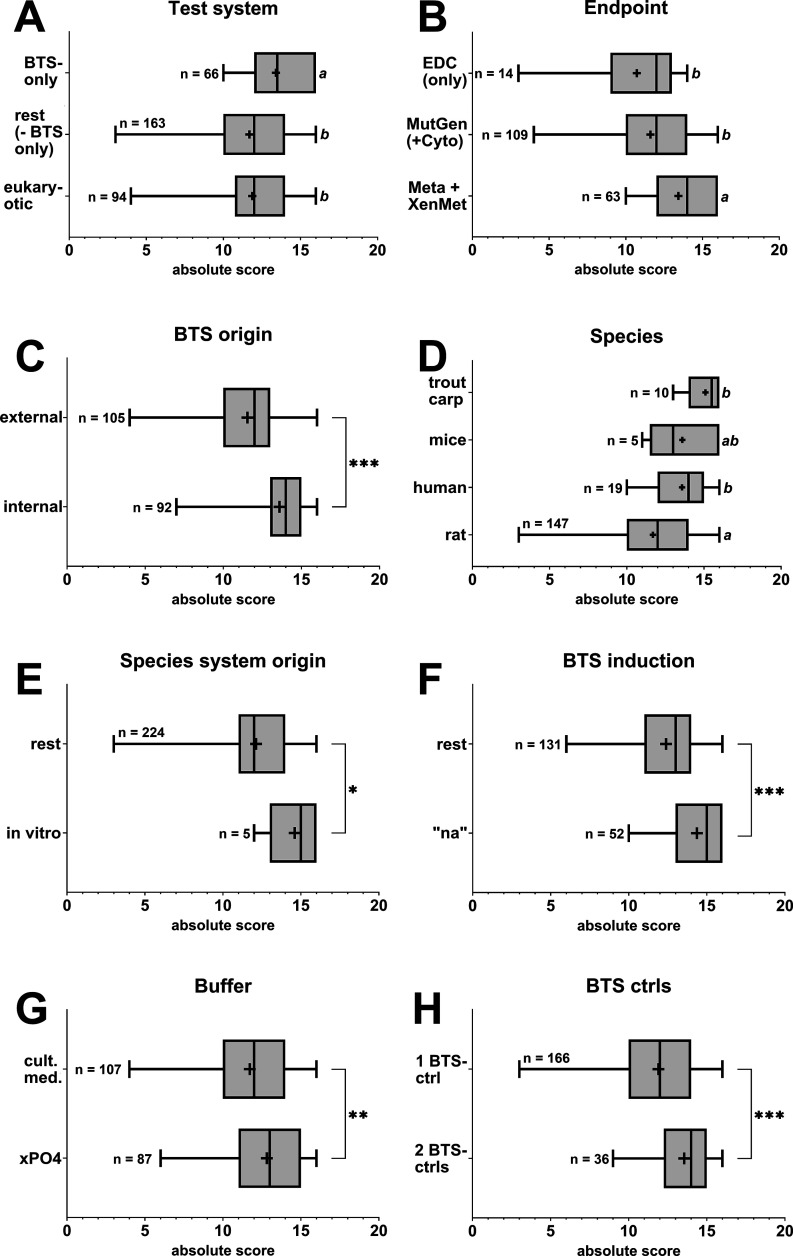 Figure 9
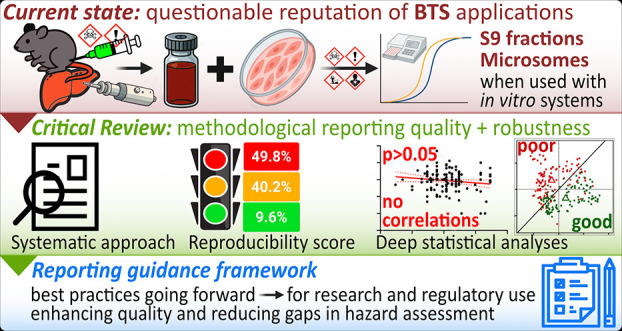 Figure 10
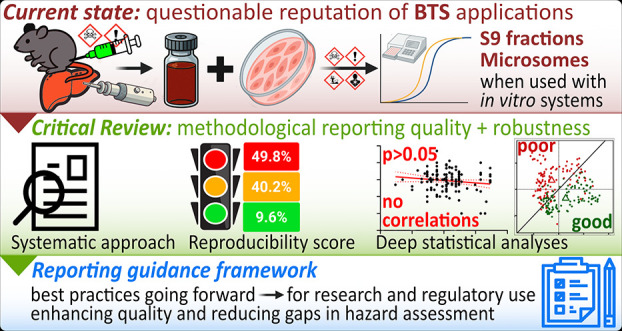 Figure 11
Peer Reviews
No public reviews on file for this paper yet. If you reviewed it on a platform where reviews are public (OpenReview, ICLR, NeurIPS, ICML), you can paste yours below so the community can read it here.
Videos
No videos yet. Explain this paper in a talk, walkthrough, or lecture? Add one.
Taxonomy
TopicsPharmacogenetics and Drug Metabolism · Effects and risks of endocrine disrupting chemicals · Steroid Chemistry and Biochemistry