Linking Vegetable Per- and Polyfluoroalkyl Substance Accumulation with Root Chemical Traits
Chun Cao, Qian Huo, Qianhui Tang, Yifan Guo, Liang Zeng, Yao Cheng, Guomao Zheng, Biwei Yang, Junjian Wang

TL;DR
This study shows how different vegetables absorb harmful PFAS chemicals, with leafy greens accumulating more than root vegetables, and suggests crop choices can reduce exposure.
Contribution
The study identifies PFBA as the dominant PFAS in vegetables and links root chemical traits to PFAS accumulation patterns.
Findings
Leafy vegetables accumulate significantly higher PFAS concentrations than root vegetables.
PFBA is the dominant PFAS species in all tested vegetables and shows strong mobility to aerial tissues.
Root PFBA concentration correlates with alkyl carbon proportion and inversely with O-alkyl carbon proportion.
Abstract
Per- and polyfluoroalkyl substances (PFASs) are ubiquitous, persistent organic pollutants increasingly detected in food crops, yet their accumulation capacities and regulatory factors across various plant species remain poorly resolved. Here, we investigated the bioaccumulation patterns of PFAS in 20 vegetable species and their relations with root chemical traits in farmland irrigated with treated wastewater. Leafy vegetables (e.g., Lactuca sativa and Spinacia oleracea) accumulated substantially higher PFAS concentrations (mean: 9.24 ng/g) than the root vegetable Daucus carota, with the short-chain perfluorobutanoic acid (PFBA) identified as the dominant species for all vegetables. PFBA showed the strongest mobility and tended to accumulate in edible aerial tissues of leafy vegetables, whereas long-chain PFASs were largely retained in roots. Across vegetable species, root PFBA…
Genes, proteins, chemicals, diseases, species, mutations and cell lines named across the full text — each resolved to its canonical identifier and authoritative record.
Click any figure to enlarge with its caption.
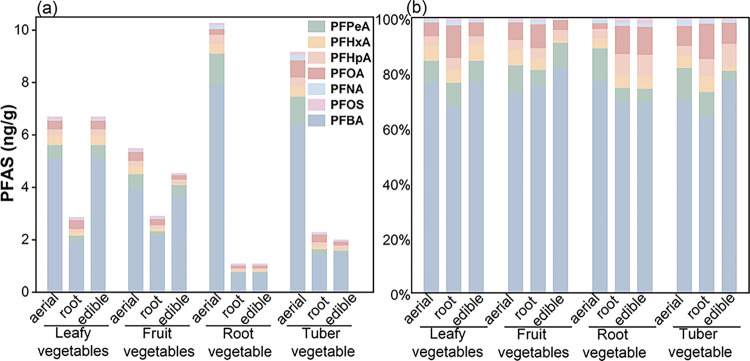 Figure 1
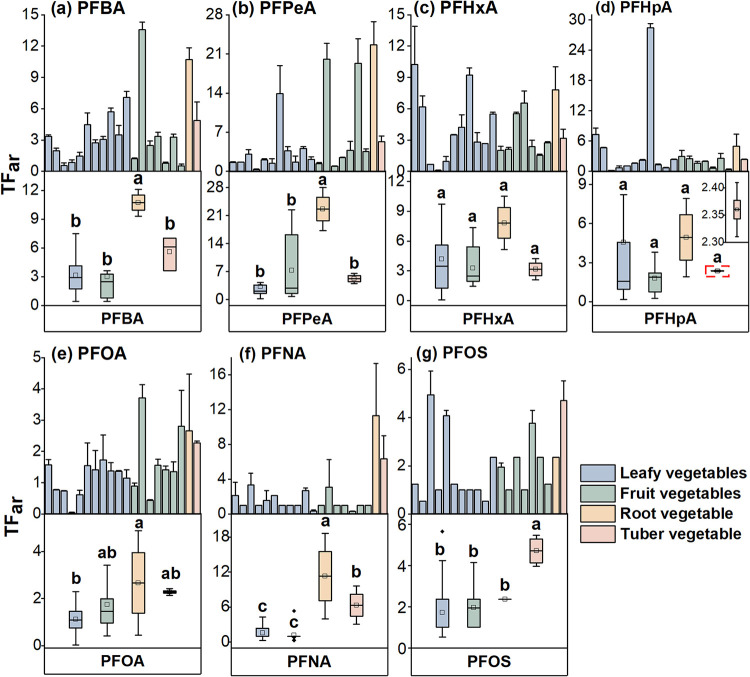 Figure 2
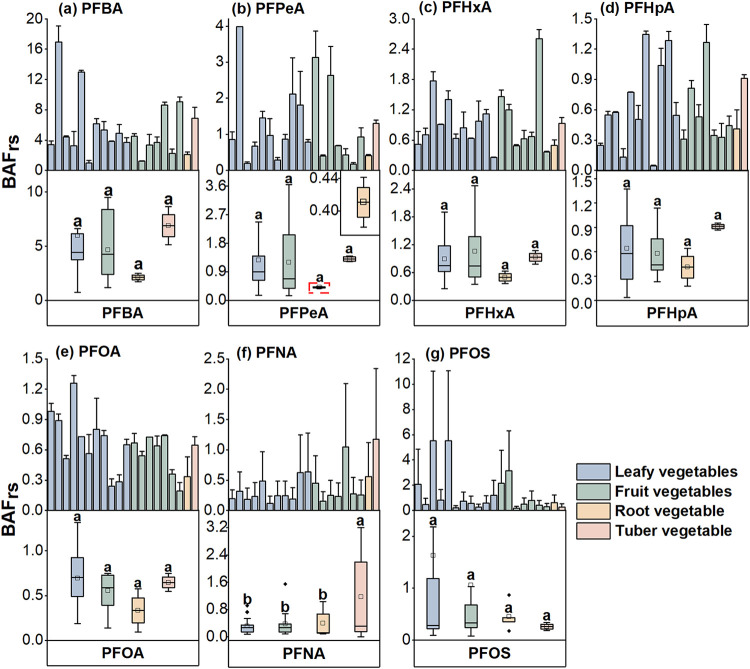 Figure 3
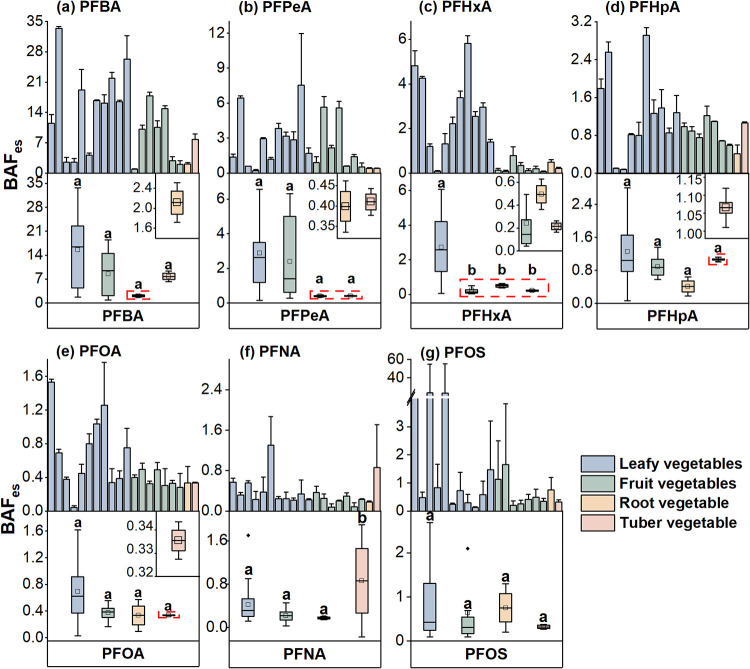 Figure 4
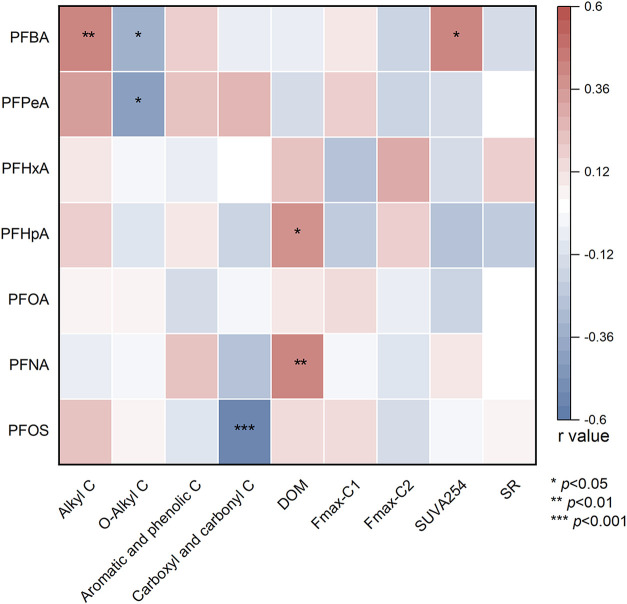 Figure 5
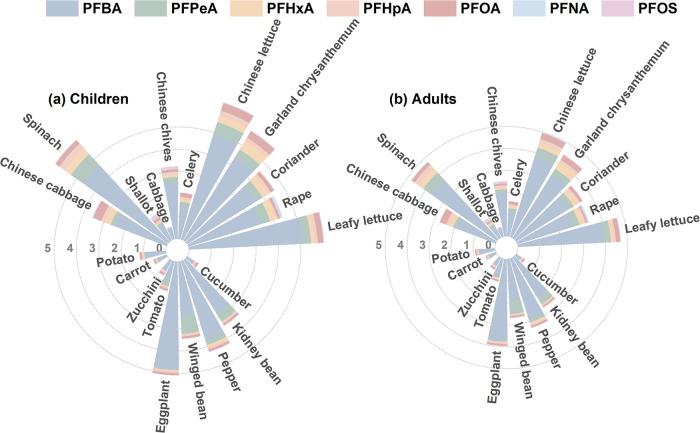 Figure 6
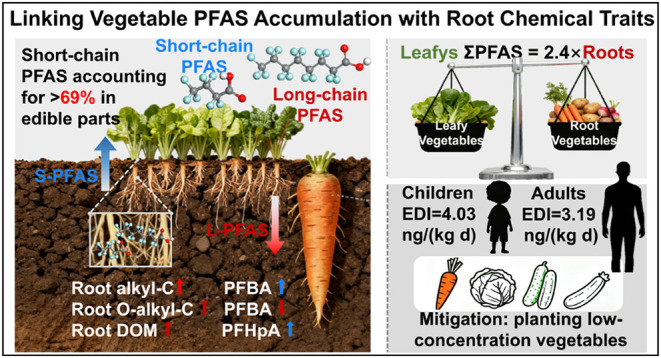 Figure 7
 Figure 8
 Figure 9
 Figure 10
 Figure 11
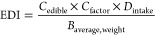 Figure 12
Peer Reviews
No public reviews on file for this paper yet. If you reviewed it on a platform where reviews are public (OpenReview, ICLR, NeurIPS, ICML), you can paste yours below so the community can read it here.
Videos
No videos yet. Explain this paper in a talk, walkthrough, or lecture? Add one.
Taxonomy
TopicsPer- and polyfluoroalkyl substances research · Toxic Organic Pollutants Impact · Effects and risks of endocrine disrupting chemicals