Iron-Based Adsorbents Derived from Groundwater Deferrization Sludge for Spent Oil Removal from Aqueous Media
Valentin Romanovski, Alesia Harelaya, Haitao Wang, Dmitry Moskovskikh

TL;DR
This paper explores using iron oxide nanoparticles made from groundwater sludge to effectively remove oil from water, with promising results and machine learning models for optimization.
Contribution
The study introduces a novel method for synthesizing iron-based adsorbents from sludge and demonstrates their high oil sorption capacity and stability.
Findings
Iron oxide sorbents with up to 99% magnetite content were synthesized using citric acid and urea at specific temperatures.
The oil sorption capacity reached 6.1 g/g, outperforming many existing sorbents.
Machine learning models accurately predicted sorption capacity with R² = 1.0.
Abstract
The paper presents the results of the synthesis and study of iron oxide-based sorbents (Fe x O y -NPs) obtained from iron removal station sludge by exothermic combustion in solution using glycine, urea, citric acid, and urotropine as reducing agents. X-ray phase analysis revealed that the phase composition depends on the nature of the reducing agent and temperature: at 300–500 °C, the magnetite content reached 97–99% for citric acid and urea, whereas when using glycine, the Fe3O4 fraction did not exceed 30%. The point of zero charge values shifted to the alkaline region with increasing synthesis temperature, reaching 8.8 at 700 °C. The specific surface area for methylene blue was up to 186 m2/g, but the calculated values exceeded the BET data by 3.5–4 times due to multilayer sorption on the functionalized surface, which is consistent with the FTIR spectra. The oil sorption capacity…
Genes, proteins, chemicals, diseases, species, mutations and cell lines named across the full text — each resolved to its canonical identifier and authoritative record.
Click any figure to enlarge with its caption.
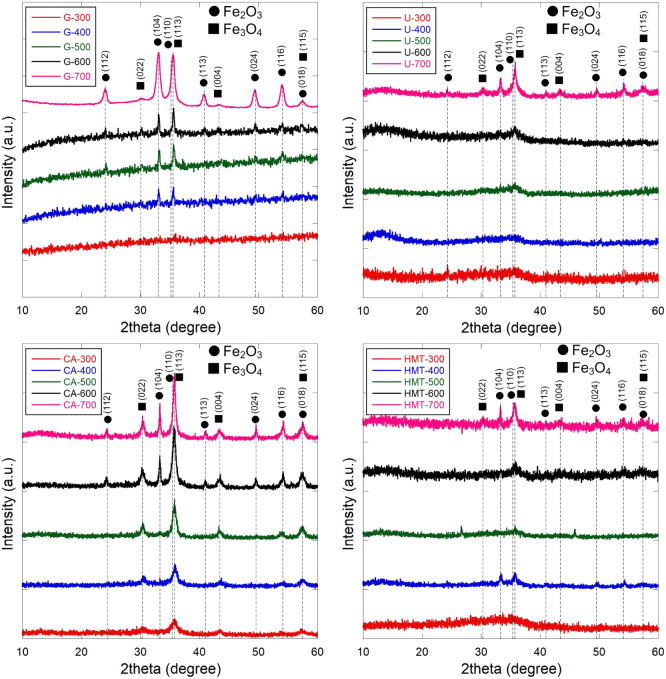 Figure 1
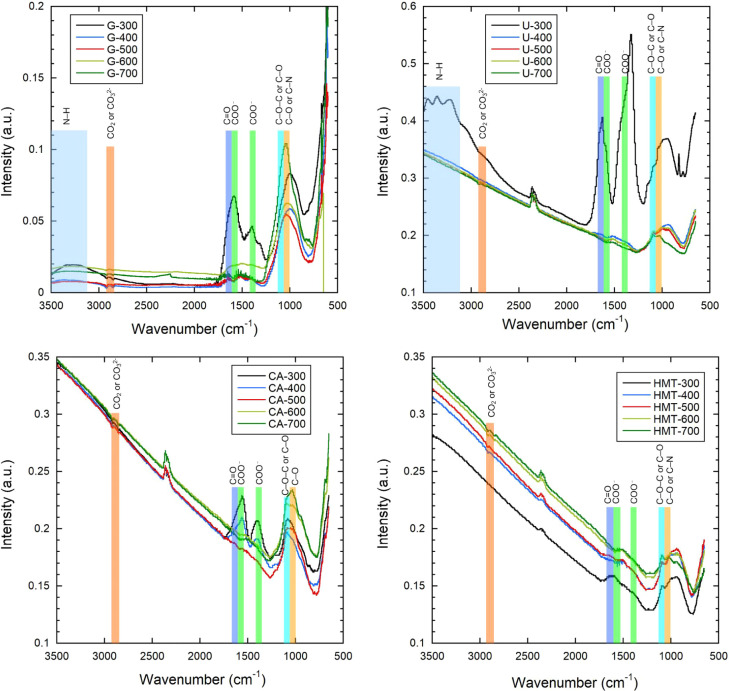 Figure 2
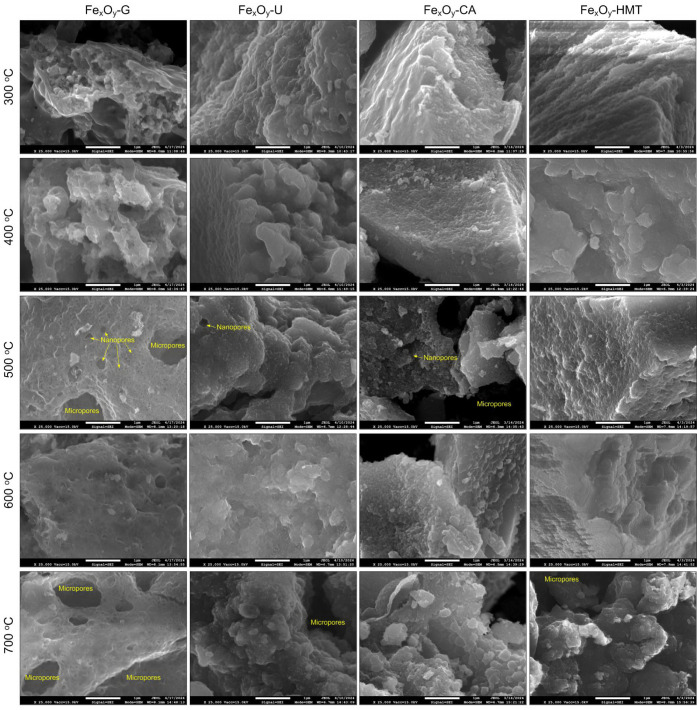 Figure 3
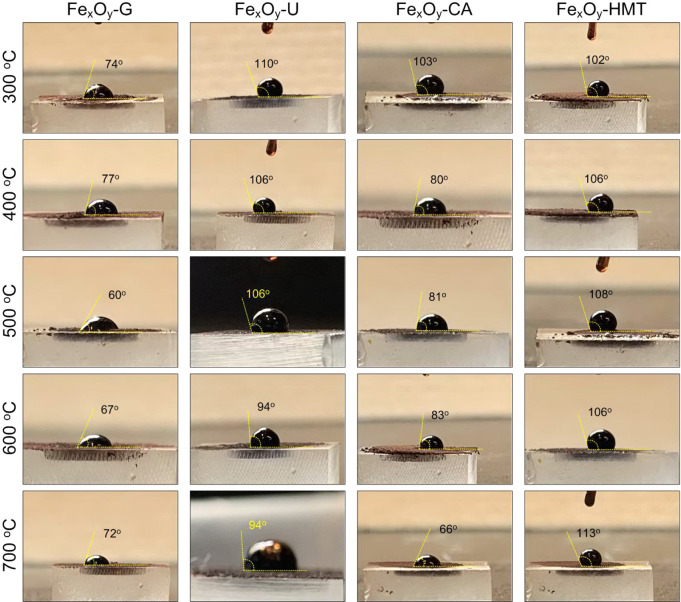 Figure 4
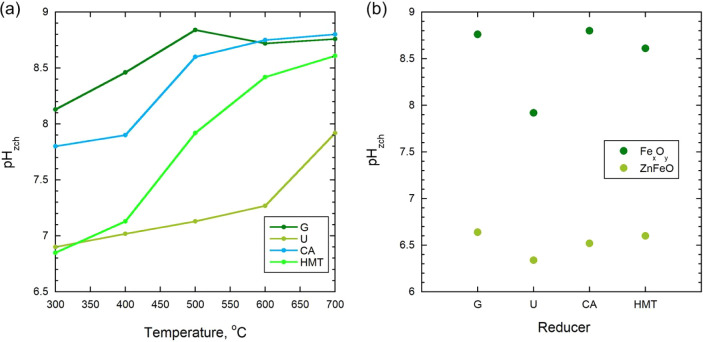 Figure 5
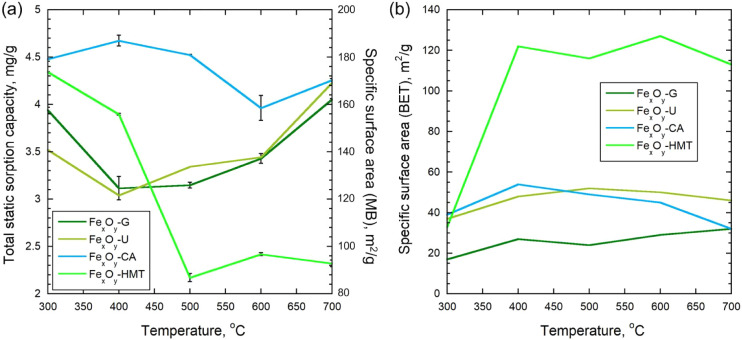 Figure 6
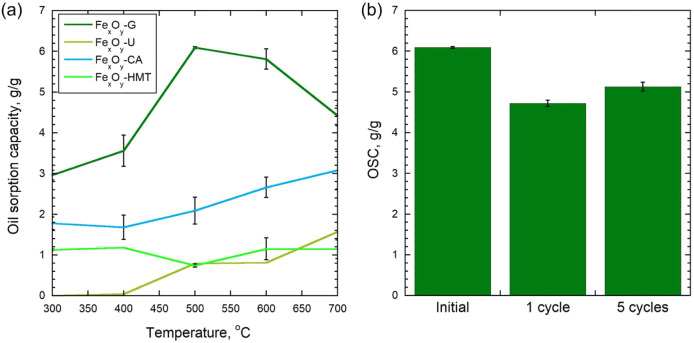 Figure 7
 Figure 8
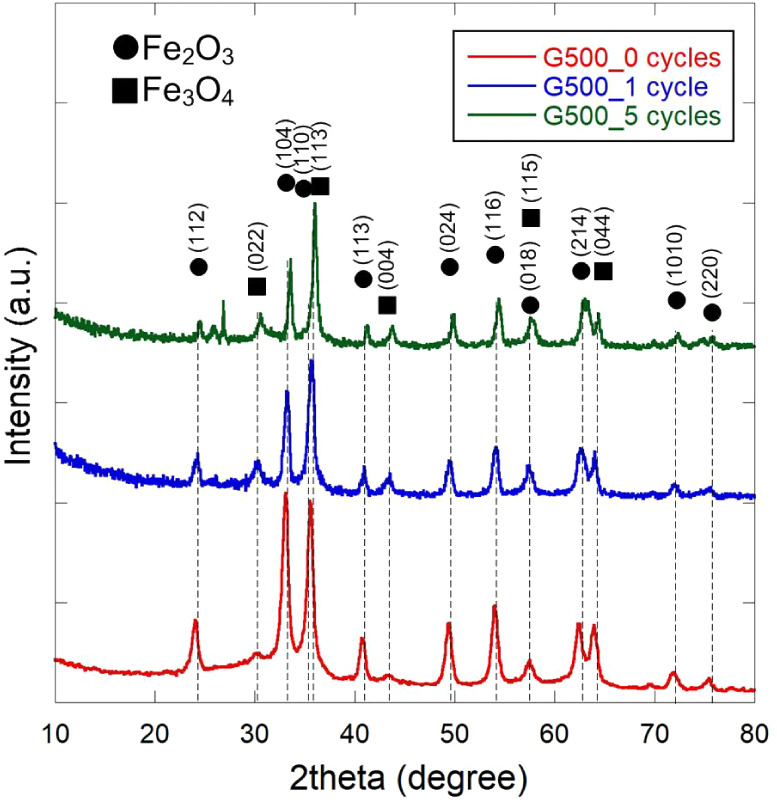 Figure 9
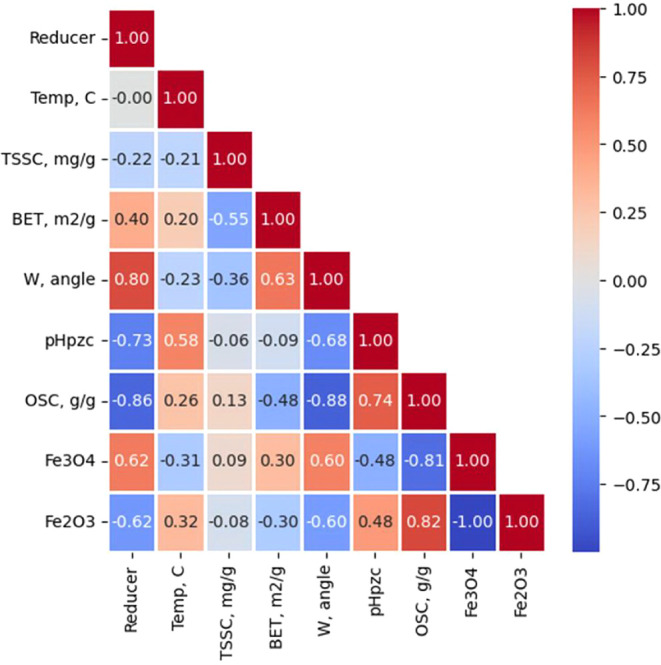 Figure 10
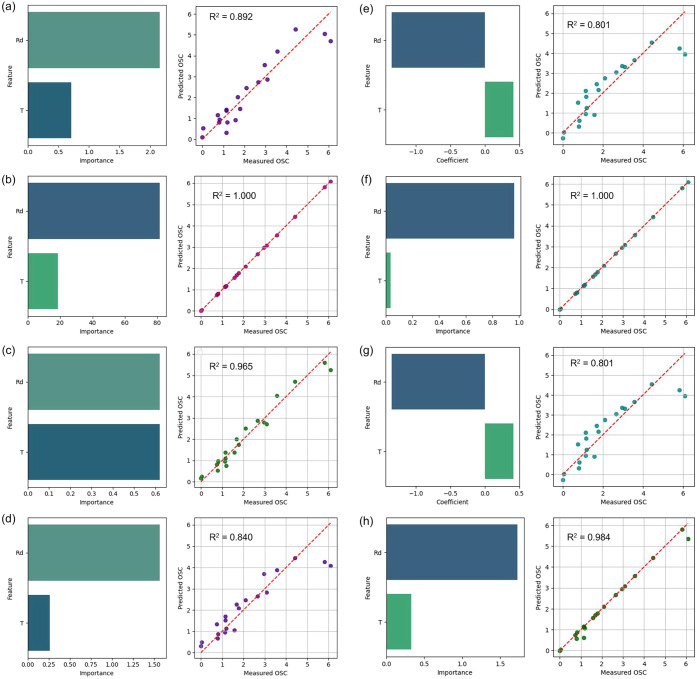 Figure 11
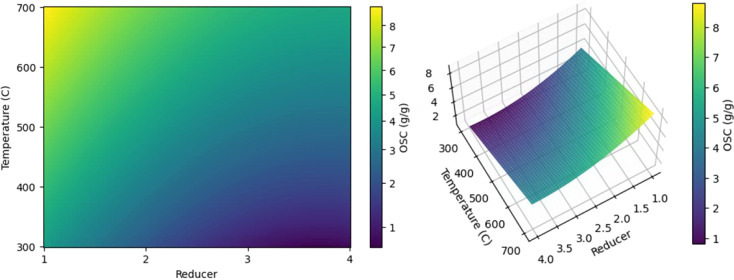 Figure 12
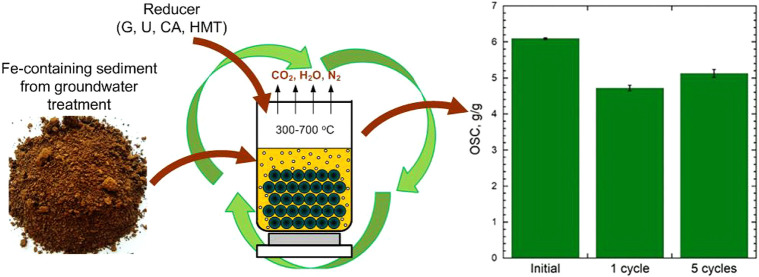 Figure 13
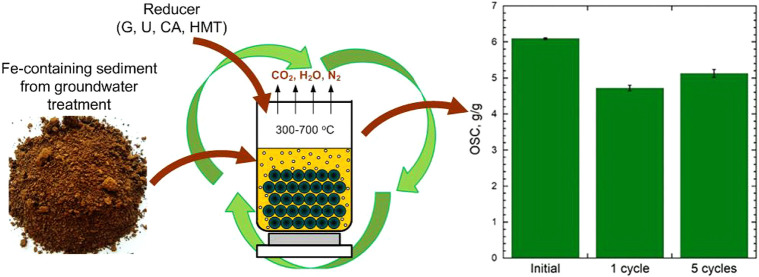 Figure 14
 Figure 15
 Figure 16
 Figure 17
 Figure 18
 Figure 19
 Figure 20
 Figure 21
 Figure 22
 Figure 23
 Figure 24
 Figure 25
 Figure 26
 Figure 27
 Figure 28
Peer Reviews
No public reviews on file for this paper yet. If you reviewed it on a platform where reviews are public (OpenReview, ICLR, NeurIPS, ICML), you can paste yours below so the community can read it here.
Videos
No videos yet. Explain this paper in a talk, walkthrough, or lecture? Add one.
Taxonomy
TopicsAdsorption and biosorption for pollutant removal · Iron oxide chemistry and applications · Environmental remediation with nanomaterials