Stiff matrix promotes lung cancer cell migration through down-regulating the Piezo1 channel expression to facilitate Ca2+-dependent filopodia formation
Xiaoling Jia, Lin Zhao, Juncheng Bai, Lu Wen, Qianyu Meng, Haikun Wang, Junqi Men, Hui Shao, Yingying Guo, Xinlan Chen, Xing Chen, Lin-Hua Jiang, Yubo Fan, Huawei Liu

TL;DR
Stiff environments help lung cancer cells move by reducing a specific channel's activity, which lowers calcium levels and promotes cell movement structures.
Contribution
This study reveals a novel mechanism where stiff matrix down-regulates Piezo1 to enhance lung cancer cell migration via calcium and cofilin regulation.
Findings
Stiff substrates promote lung cancer cell migration and filopodia formation.
Down-regulation of Piezo1 reduces intracellular calcium levels and enhances cofilin phosphorylation.
Piezo1 inhibition or reduced calcium levels increase cell migration and filopodia formation.
Abstract
Matrix stiffening profoundly influences cancer cell functions and cancer progression, and the mechanosensitive Piezo1 channel is implicated in these processes. Different from what is observed in most solid tumors, the Piezo1 channel in lung cancer is down-regulated and negatively regulates cancer cell migration, but the underlying mechanism is still unclear. Herein, we investigated the role of Piezo1 channel in matrix stiffness regulation of lung cancer cell migration and the mechanisms in A549 cells growing on polyacrylamide (PA) hydrogels with different stiffness. Compared with soft substrate, stiff substrate promoted cell migration, down-regulated Piezo1 expression, favored filopodia formation, as well as restraining the rise in intracellular calcium concentration ([Ca2+]i). Additionally, blockade or knockdown of Piezo1 channel promoted, whereas its activation suppressed, cell…
Genes, proteins, chemicals, diseases, species, mutations and cell lines named across the full text — each resolved to its canonical identifier and authoritative record.
Click any figure to enlarge with its caption.
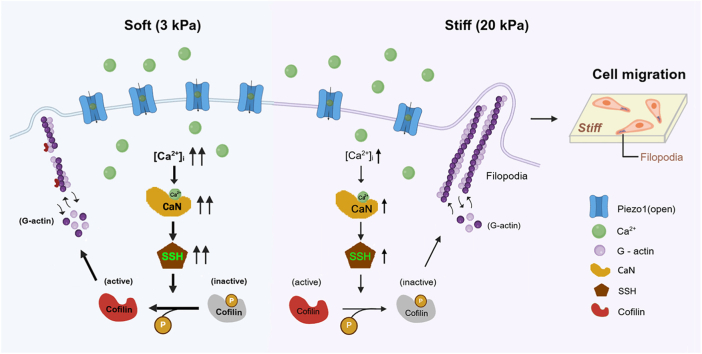 Figure 1
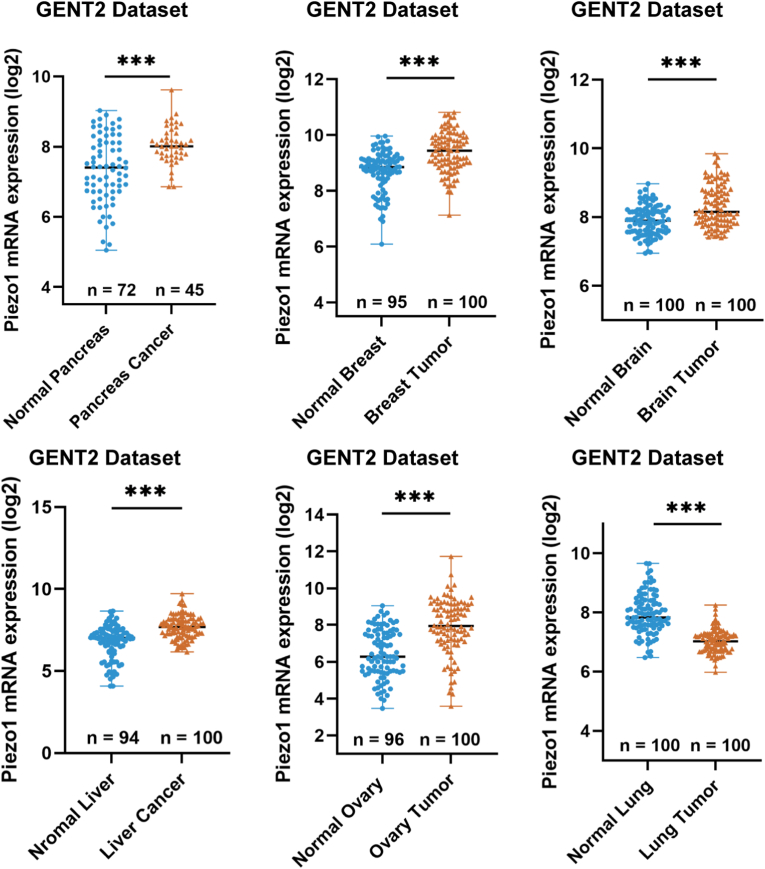 Figure 2
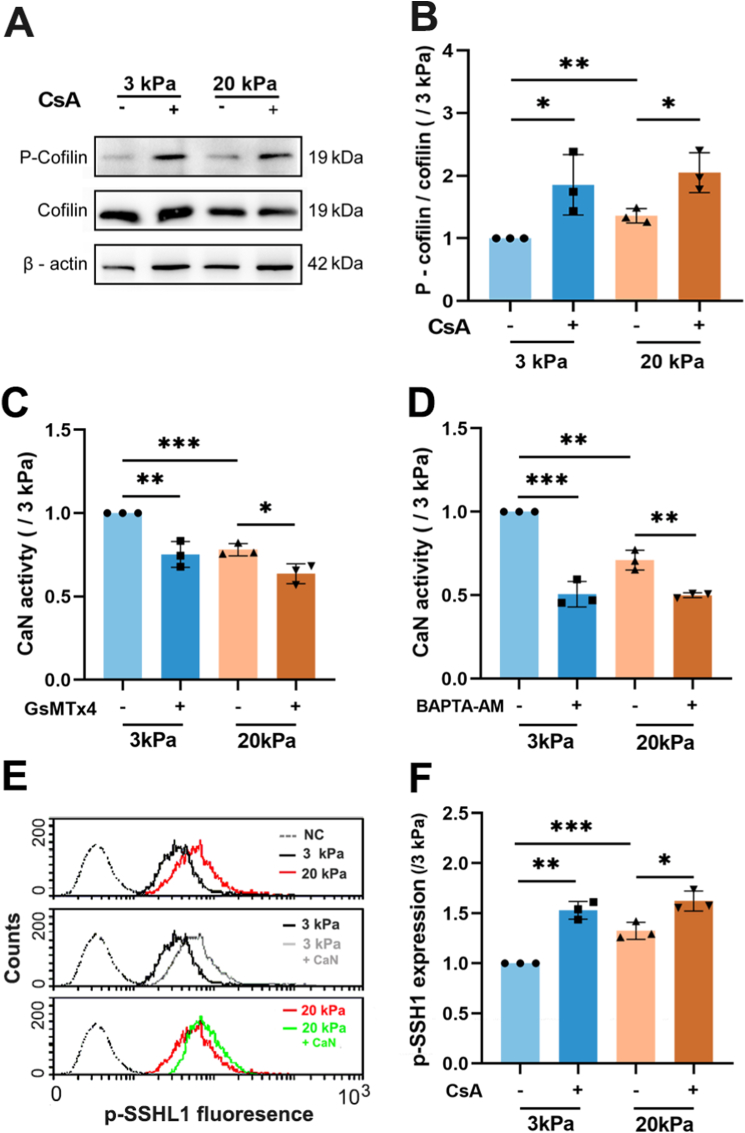 Figure 3
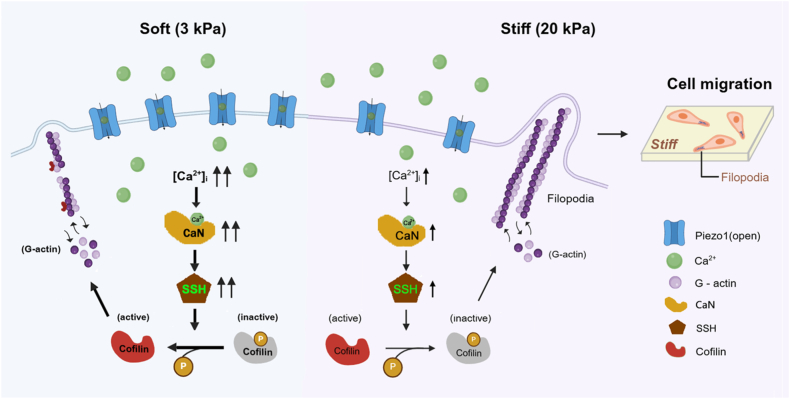 Figure 4
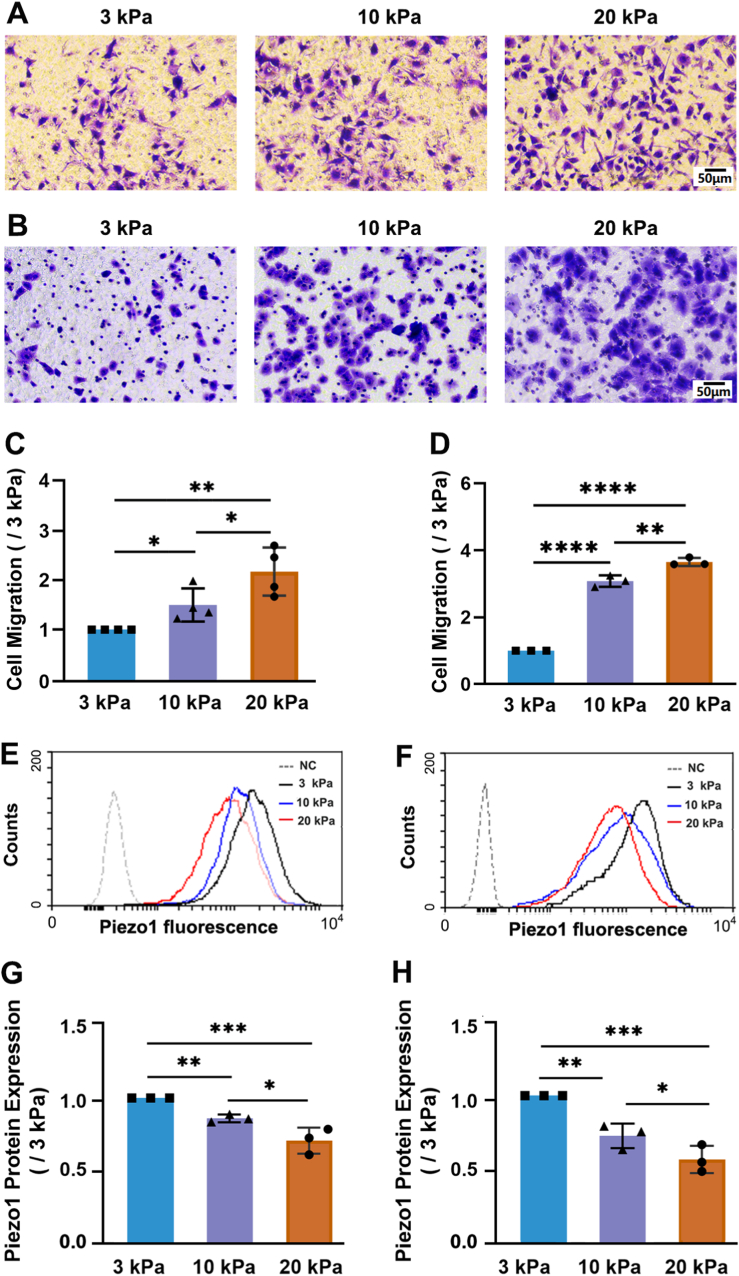 Figure 5
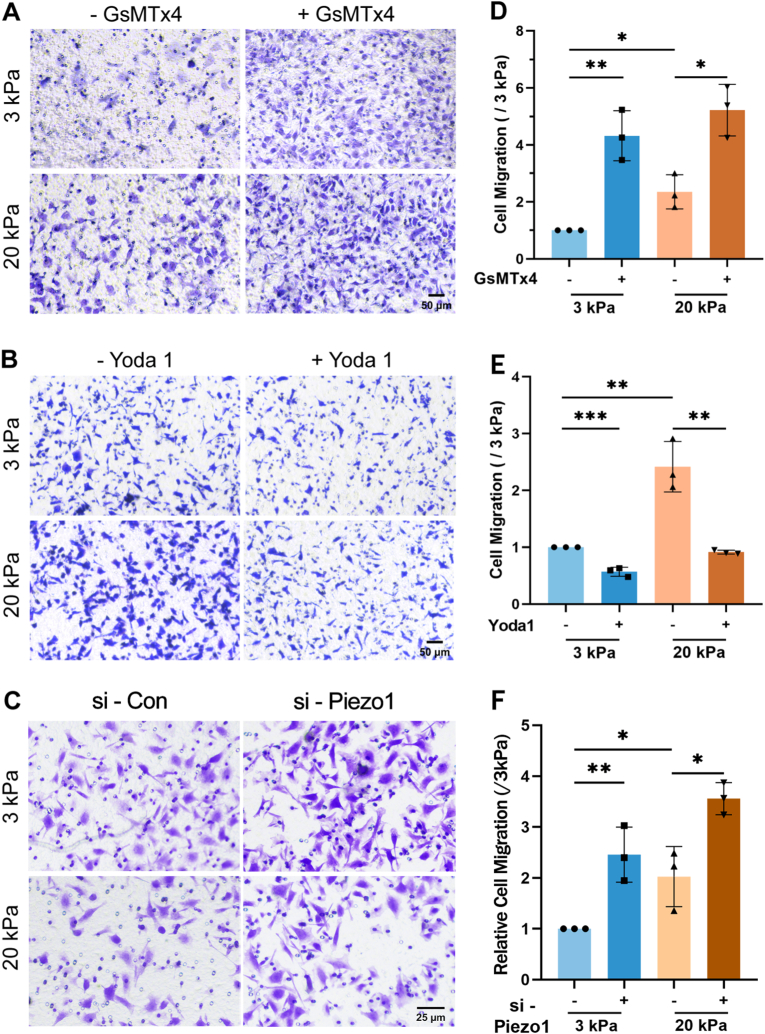 Figure 6
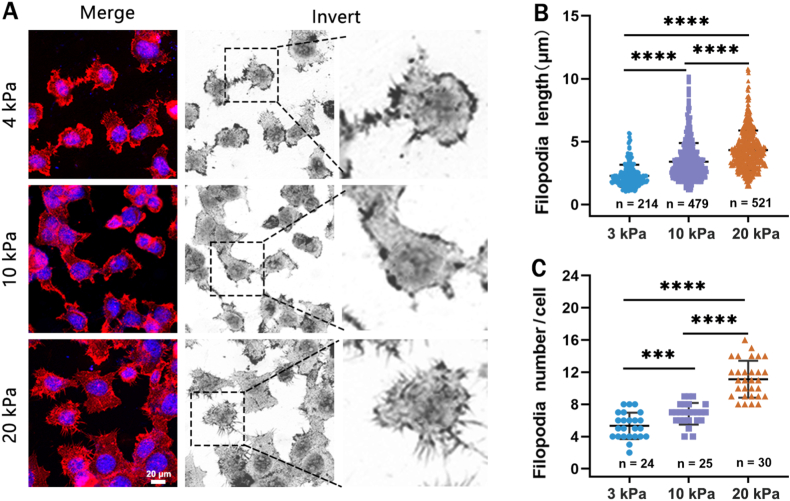 Figure 7
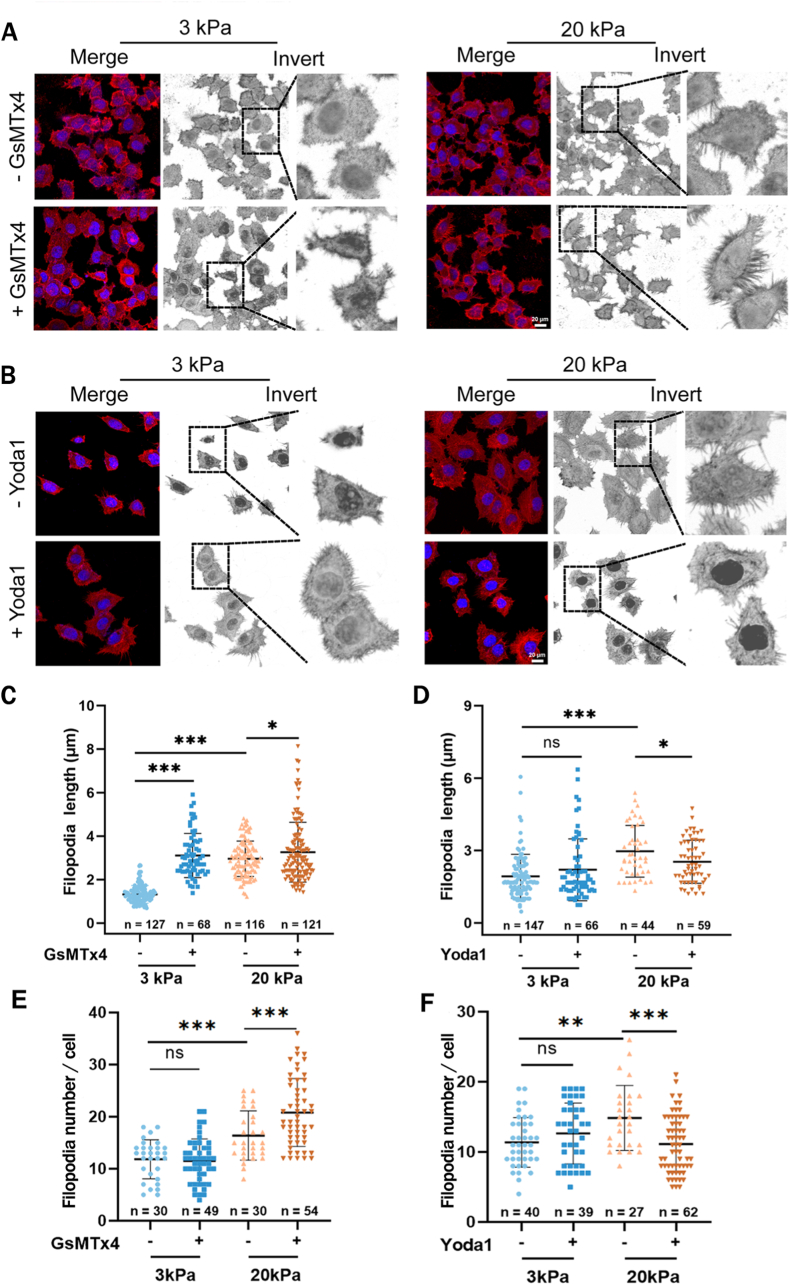 Figure 8
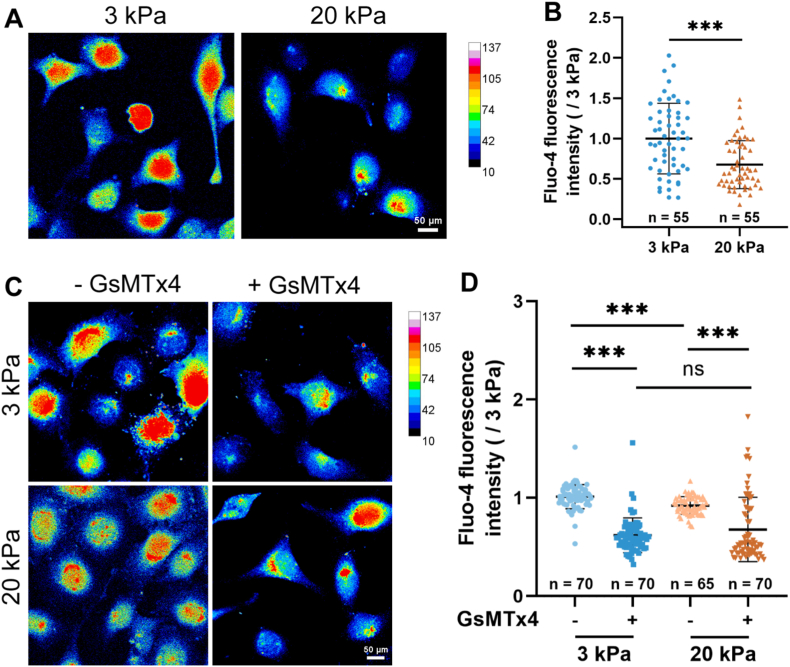 Figure 9
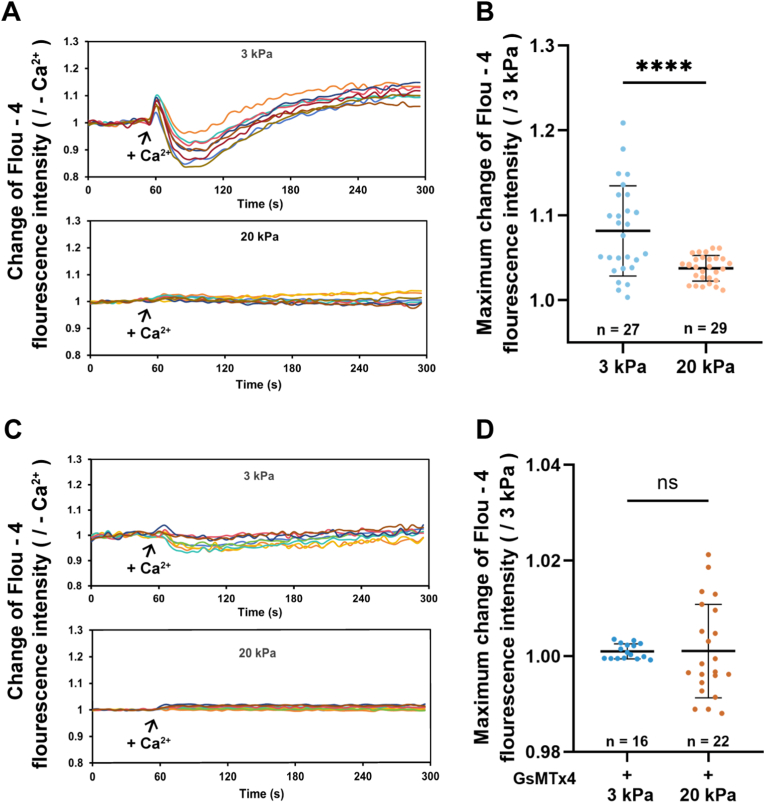 Figure 10
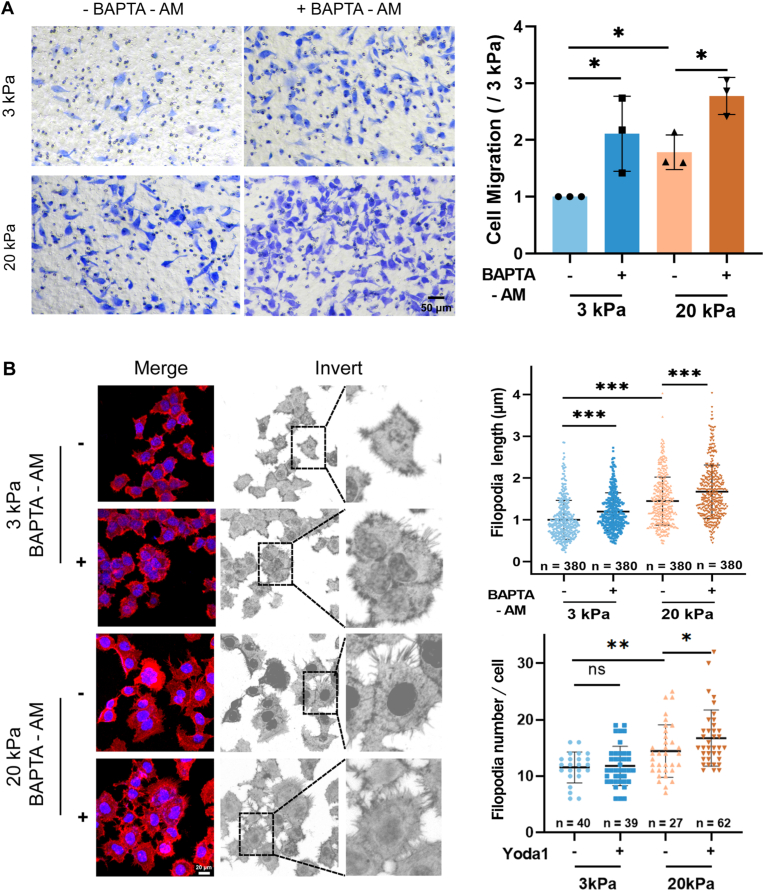 Figure 11
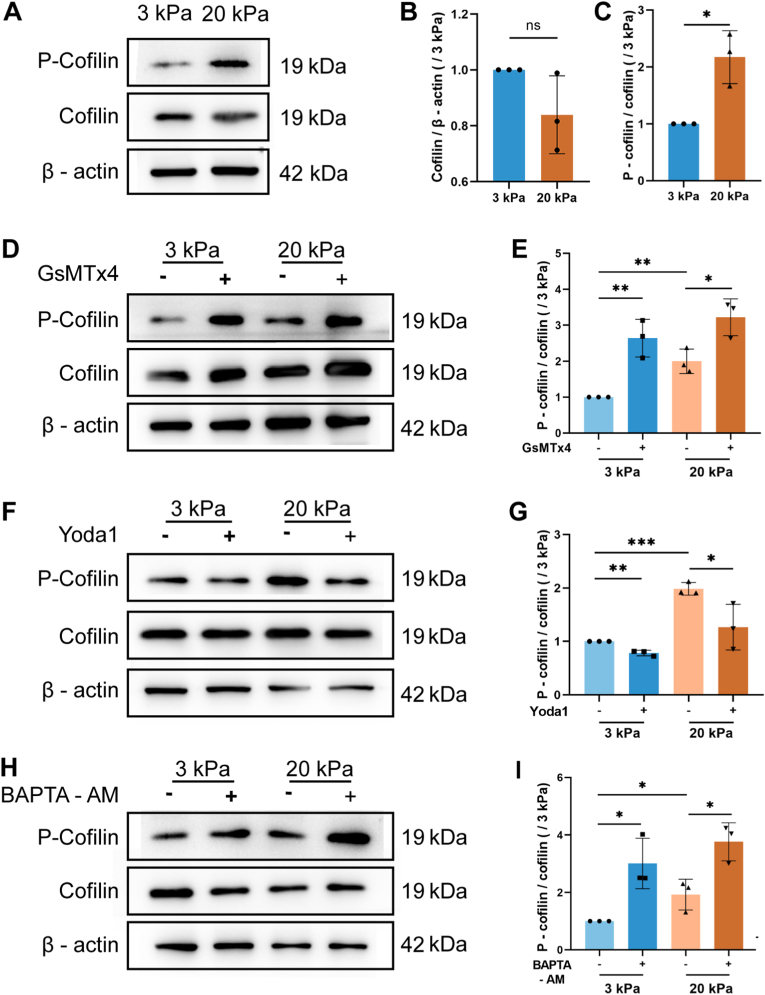 Figure 12
Peer Reviews
No public reviews on file for this paper yet. If you reviewed it on a platform where reviews are public (OpenReview, ICLR, NeurIPS, ICML), you can paste yours below so the community can read it here.
Videos
No videos yet. Explain this paper in a talk, walkthrough, or lecture? Add one.
Taxonomy
TopicsErythrocyte Function and Pathophysiology · Blood properties and coagulation · Cellular Mechanics and Interactions