Using wearable technology to evaluate the electrodermal activity of therapists assessing challenging behavior
Emily K. Sullivan, Tara A. Fahmie, Jamie E. Gehringer

TL;DR
This paper explores using wearable tech to measure therapists' physiological responses during interactions with challenging behavior, aiming to improve staff well-being and performance.
Contribution
The paper introduces the use of electrodermal activity (EDA) monitoring as a novel method to objectively assess therapists' physiological responses during challenging behavior assessments.
Findings
Preliminary data showed acute physiological arousal in therapists during challenging behavior assessments.
EDA monitoring can capture physiological responses relevant to challenging behavior contexts.
Technical barriers to using EDA monitoring were identified, suggesting areas for improvement.
Abstract
Identifying objective ways to measure a therapist's physiological responding when encountering challenging behavior has the potential to guide future work in staff performance, well‐being, and retention. The current technical report summarizes controlled measures of therapists' electrodermal activity (EDA) while implementing functional analyses of challenging behavior. The technology used to monitor EDA, analyses relevant to EDA in the context of challenging behavior, and technical barriers related to the use of these measures are discussed. Preliminary data from three therapists suggested that indicators of acute physiological arousal are present in functional analyses, particularly surrounding occurrences of challenging behavior. Support for the further development of these technologies is provided.
Genes, proteins, chemicals, diseases, species, mutations and cell lines named across the full text — each resolved to its canonical identifier and authoritative record.
Click any figure to enlarge with its caption.
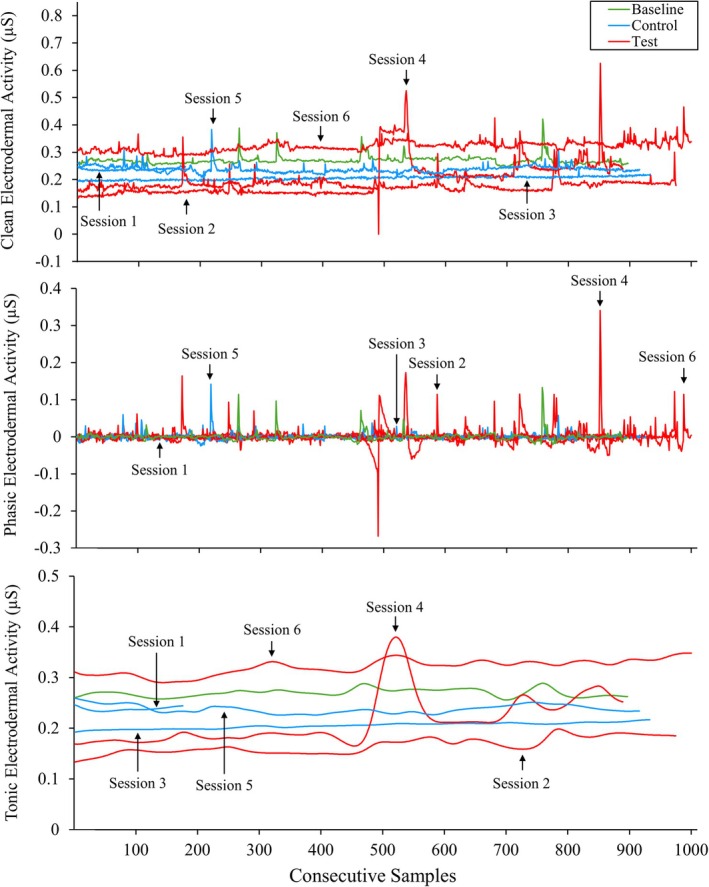 Figure 1
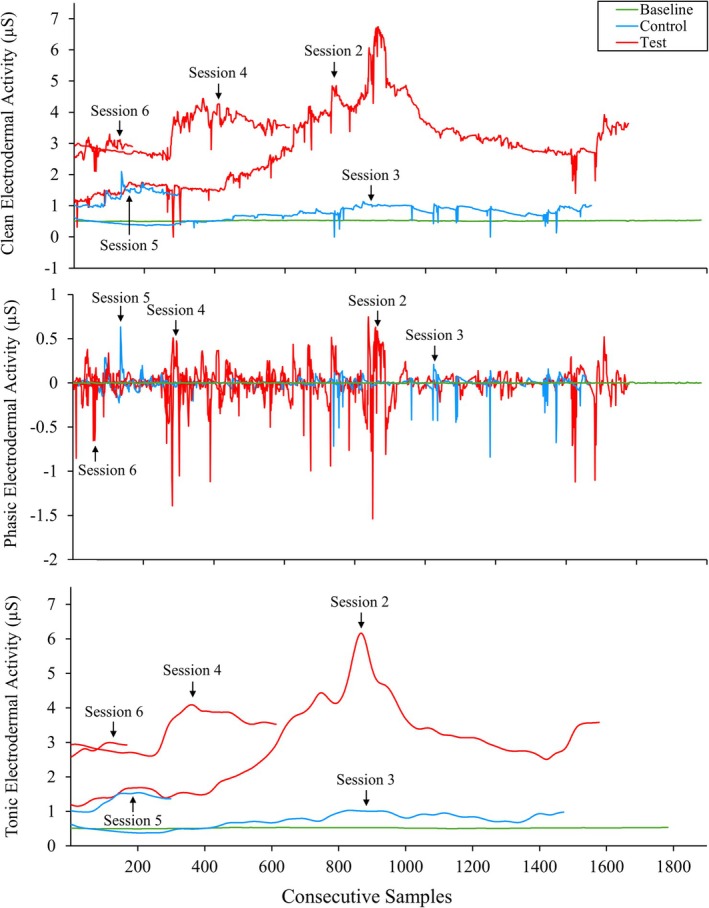 Figure 2
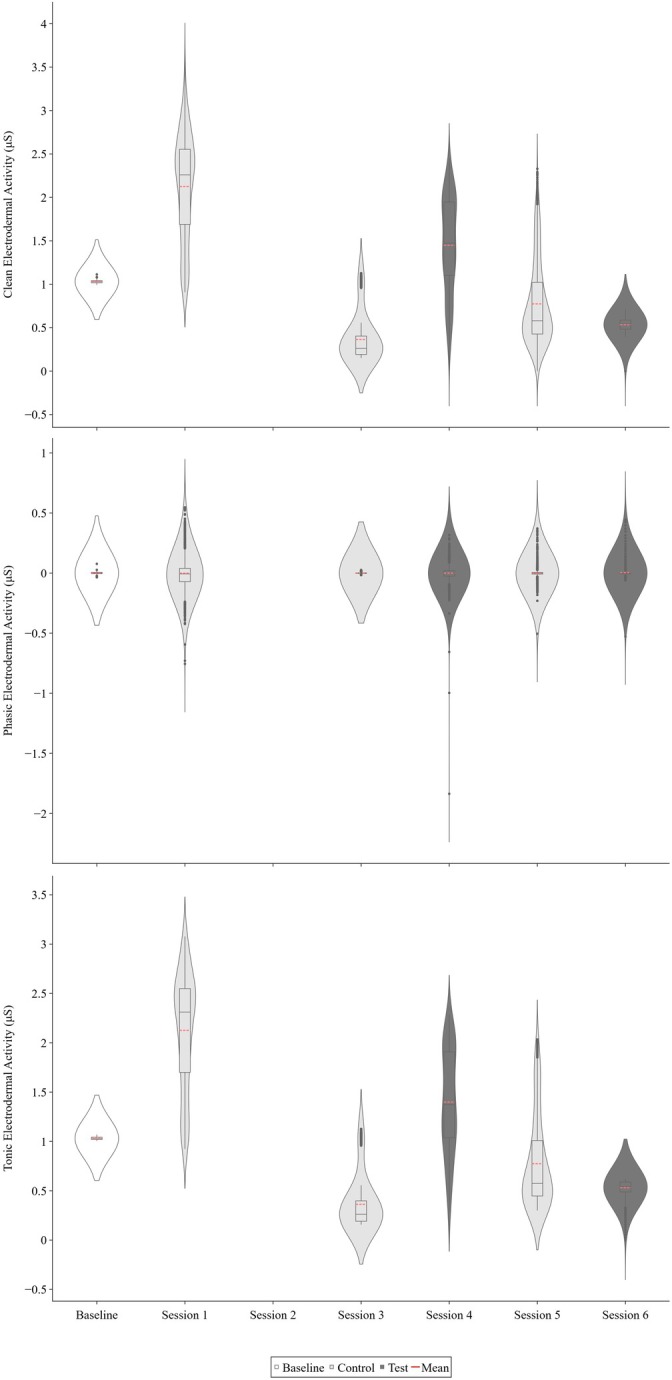 Figure 3
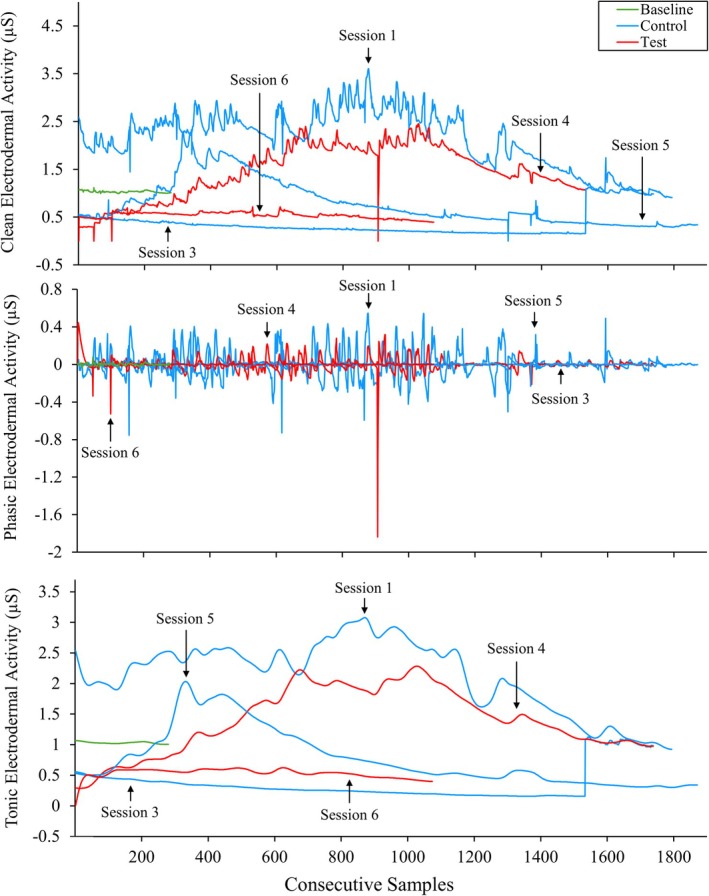 Figure 4
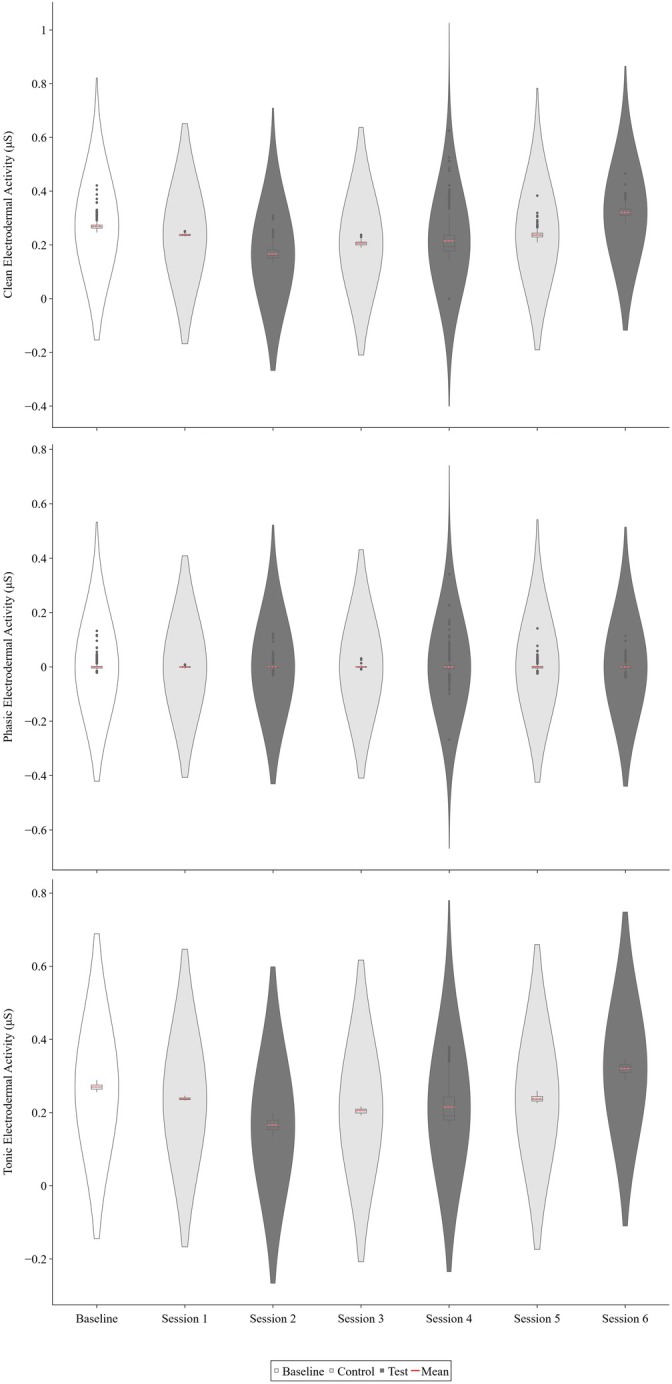 Figure 5
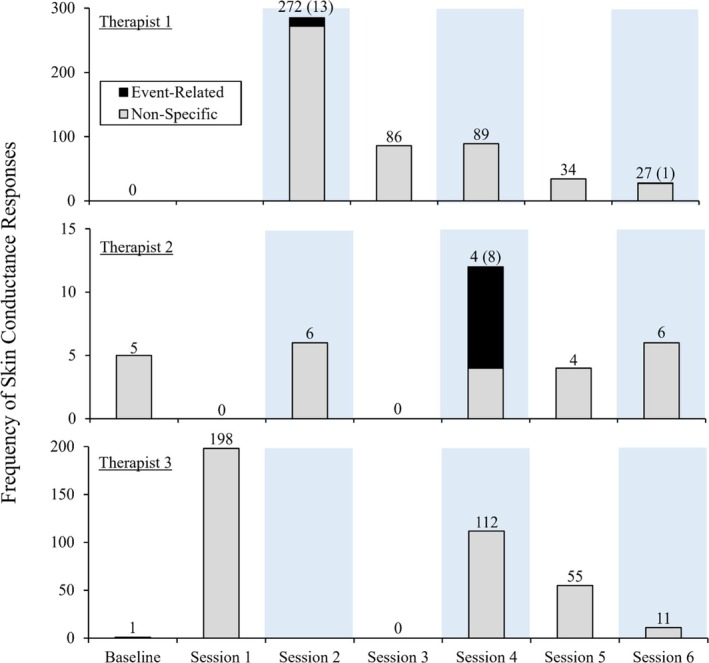 Figure 6
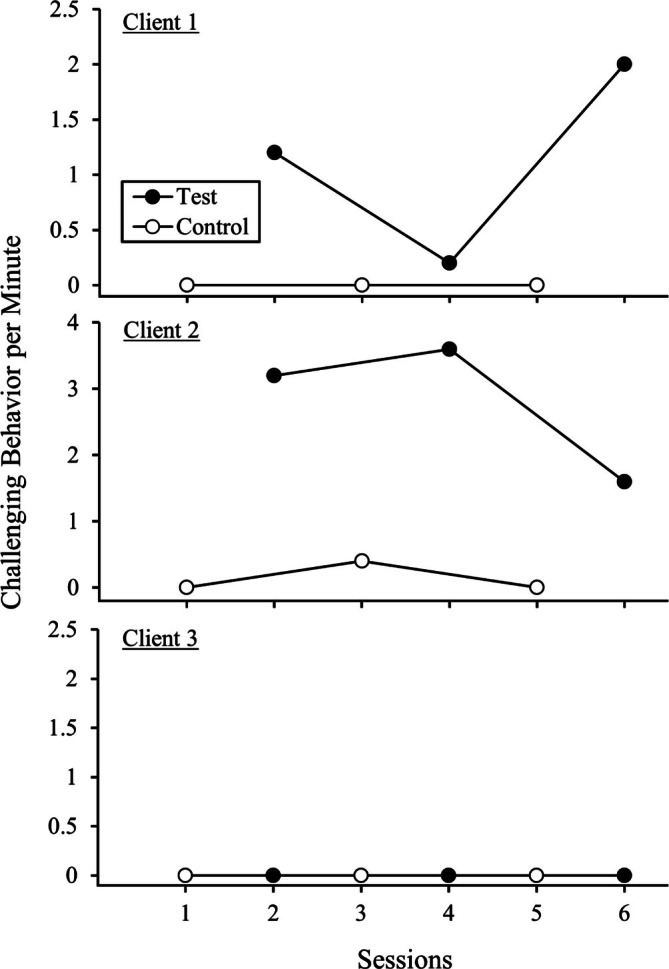 Figure 7
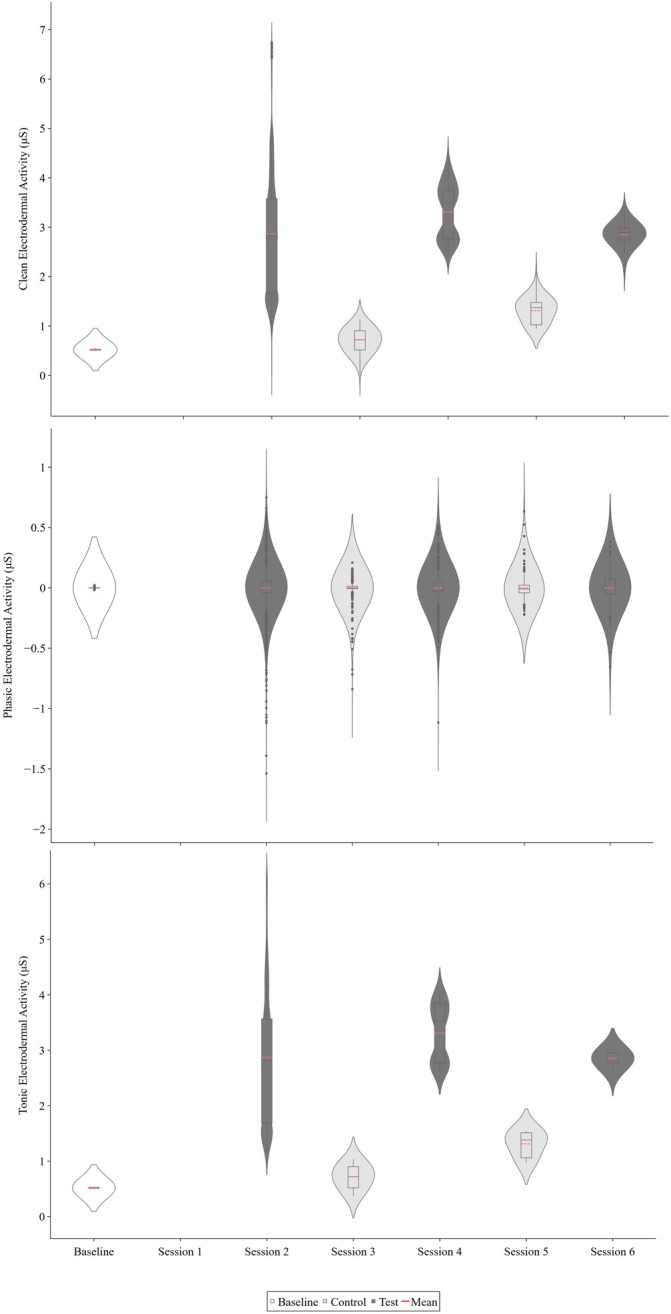 Figure 8
Peer Reviews
No public reviews on file for this paper yet. If you reviewed it on a platform where reviews are public (OpenReview, ICLR, NeurIPS, ICML), you can paste yours below so the community can read it here.
Videos
No videos yet. Explain this paper in a talk, walkthrough, or lecture? Add one.
Taxonomy
TopicsDigital Mental Health Interventions · Emotion and Mood Recognition · Behavioral and Psychological Studies