AGEs promote the metastasis of colorectal cancer cells via centrosome amplification by KLF5–CEP57L1 axis
Ji Zhong Zhao, Sheng Xian Fan, Jia Li Guo, Yu Cheng Lu, Xue Kai Bian, Ya Wen Han, Si Xian Xu, Meng Lu Zhao, Yuan Fei Li, Rong Peng Li, Shao Chin Lee

TL;DR
AGEs, linked to diabetes, promote colorectal cancer metastasis by causing centrosome amplification through a specific protein pathway.
Contribution
This study reveals a novel molecular mechanism linking diabetes to cancer metastasis via the KLF5–CEP57L1 axis and centrosome amplification.
Findings
AGEs increase centrosome amplification and metastasis in colorectal cancer cells.
KLF5, KLHL13, and CUL3 are downregulated in cancer tissues, especially in diabetic patients.
Reduced levels of KLF5, KLHL13, and CUL3 correlate with poorer survival in cancer patients.
Abstract
Despite the accumulating evidence that diabetes and centrosome amplification (CA) are both associated with cancer cell metastasis, in particular the observations in gene-edited animal models, their relationships and the underlying molecular mechanisms remain unknown under pathophysiological conditions. In the present study, we examined if CA could serve as a biological link between diabetes and metastasis. Our results showed that, in vitro, advanced glycation end products (AGEs) promoted CA, migration, and invasion of HCT116 colorectal cancer cells, with the highest CA level in the migrated cell fraction, and upregulated FAM111B, which promoted epithelial–mesenchymal transition. Upon AGE treatment, Krüppel-like factor 5 (KLF5), Kelch-like (KLHL)13, and Cullin3 (CUL3) were downregulated and CEP57L1 was upregulated, respectively; the latter was due to an insufficient KLF5-mediated…
Genes, proteins, chemicals, diseases, species, mutations and cell lines named across the full text — each resolved to its canonical identifier and authoritative record.
Click any figure to enlarge with its caption.
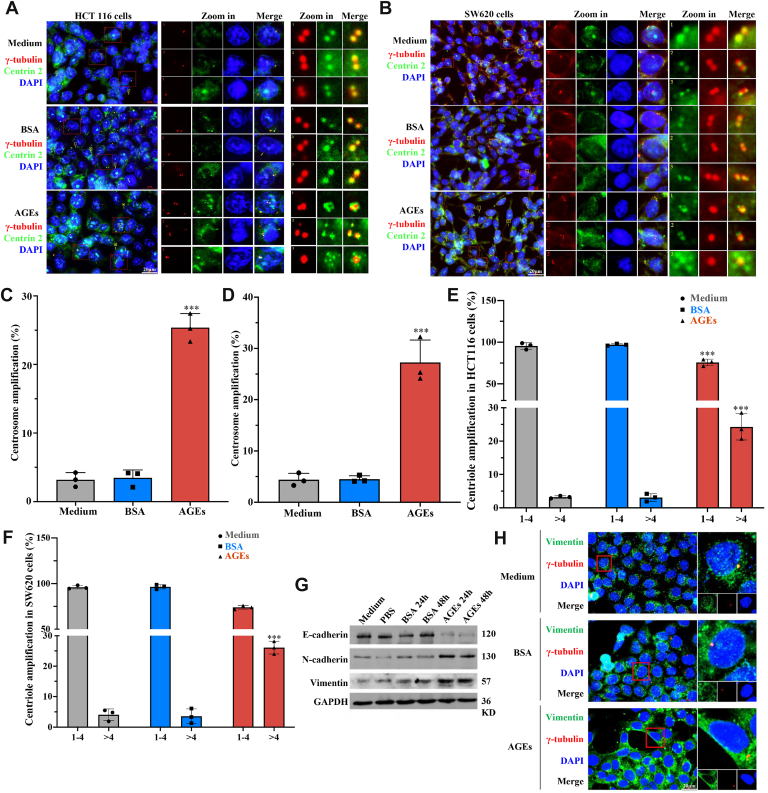 Figure 1
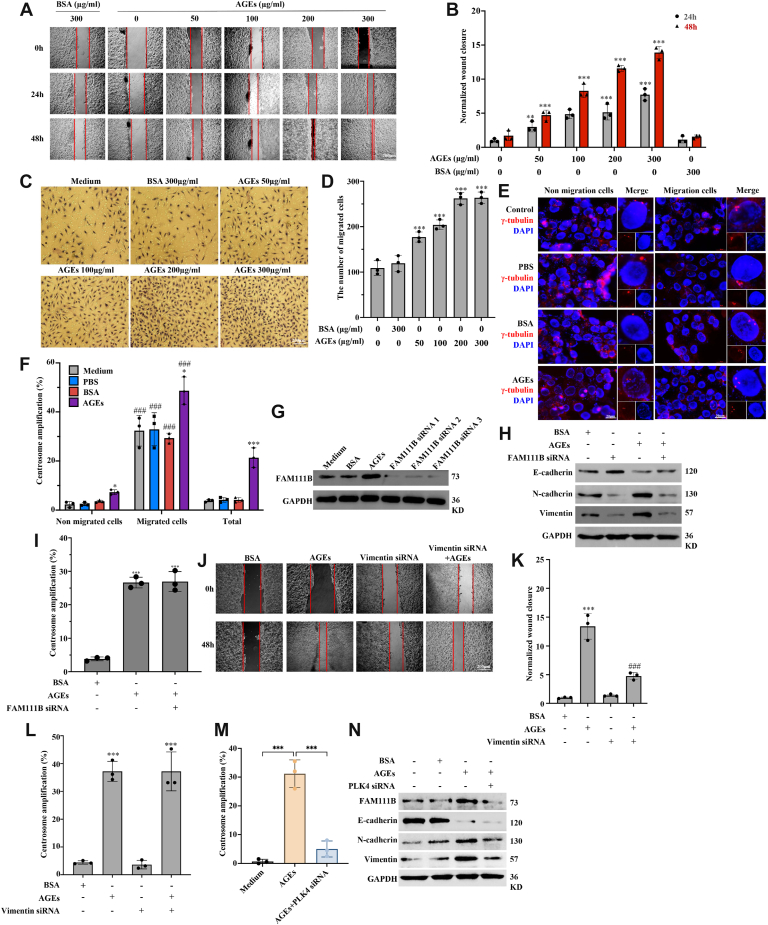 Figure 2
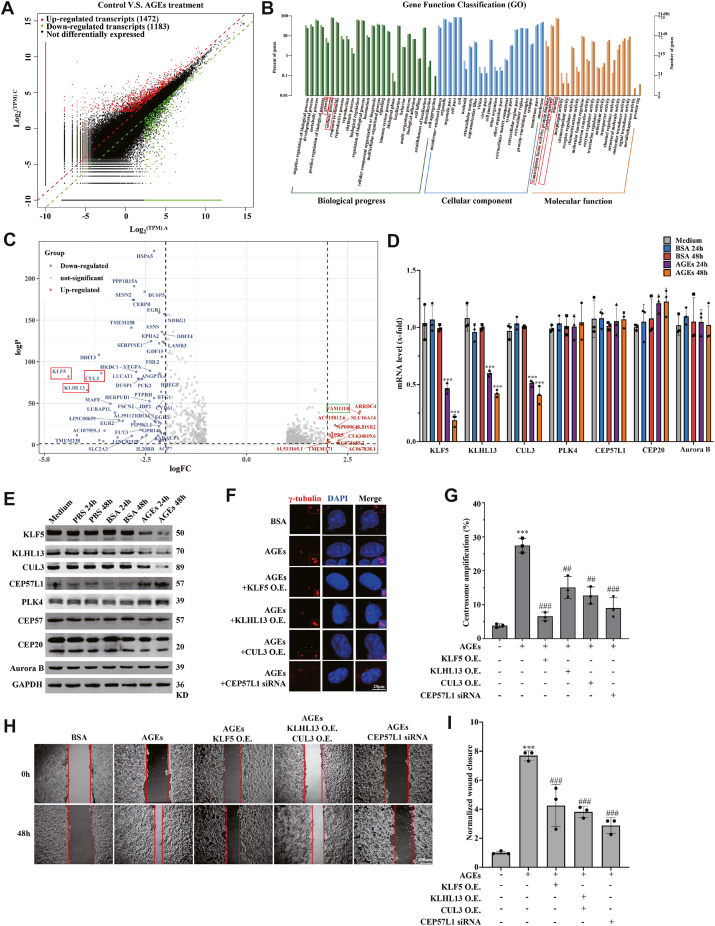 Figure 3
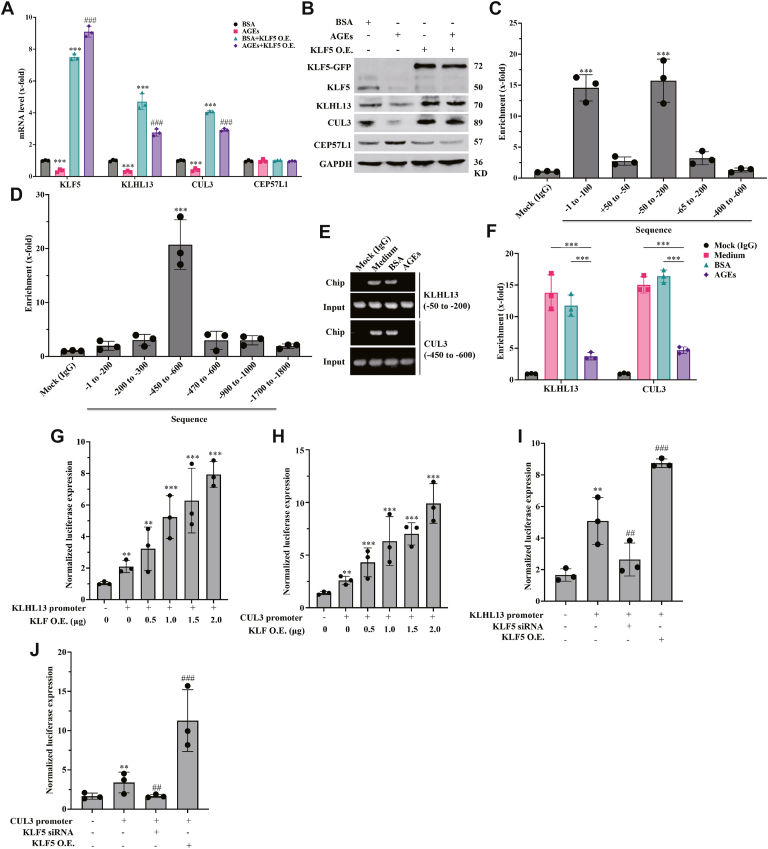 Figure 4
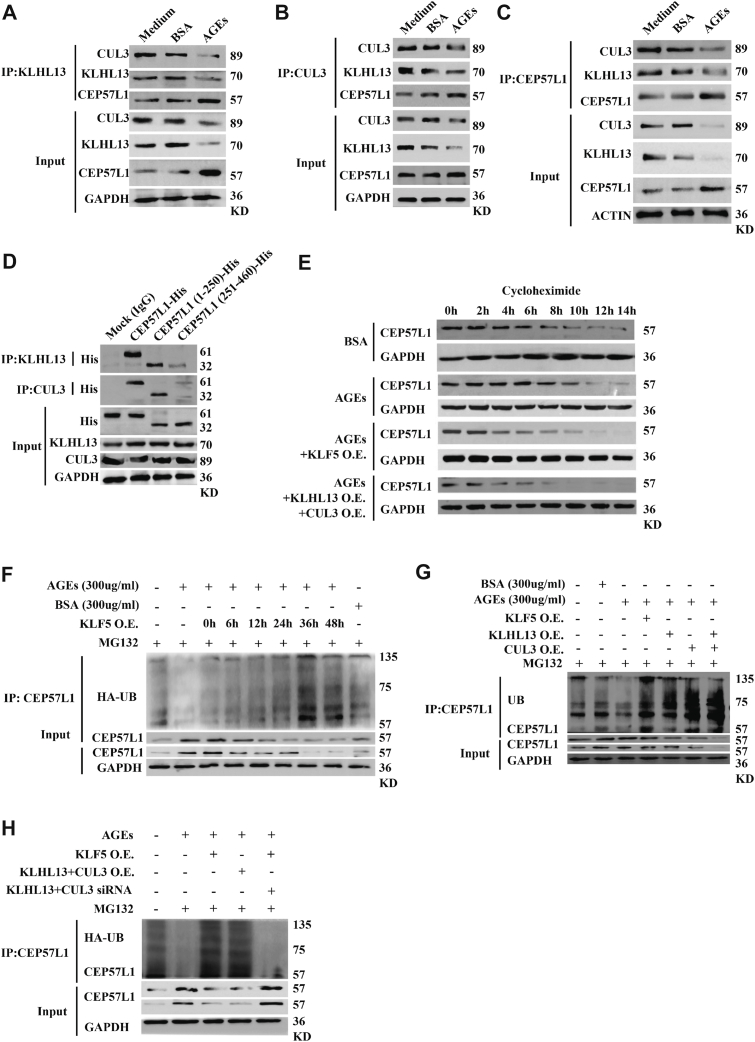 Figure 5
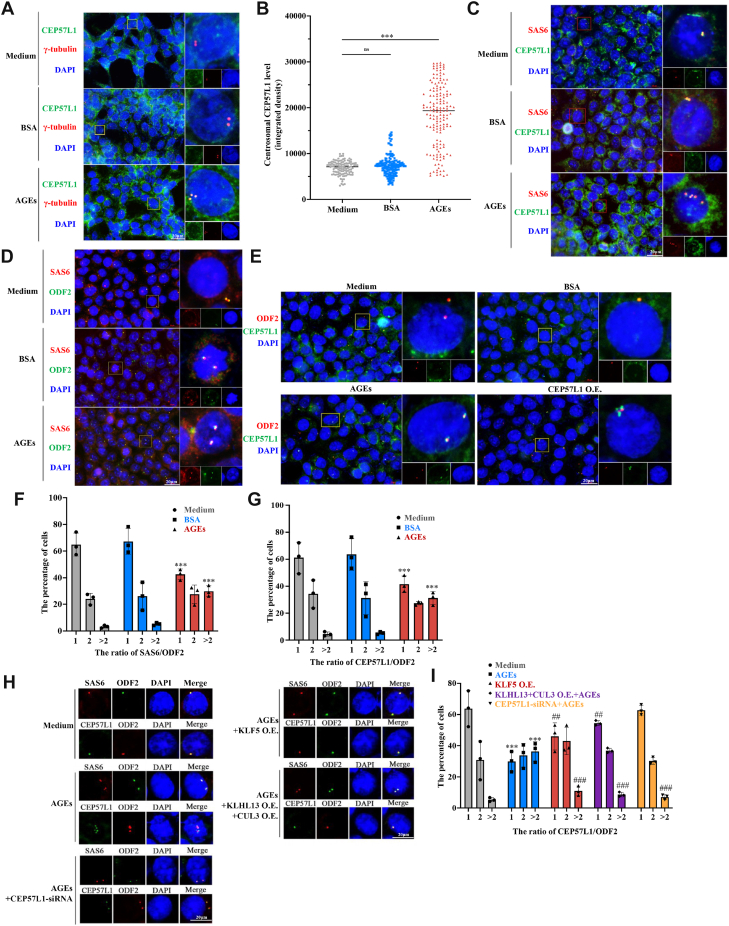 Figure 6
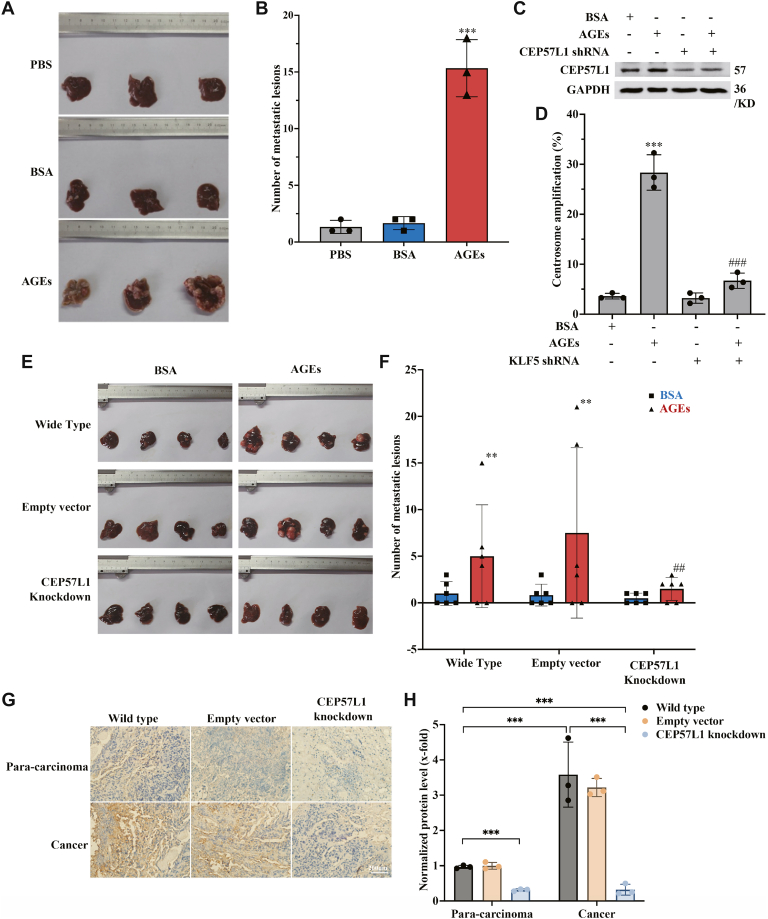 Figure 7
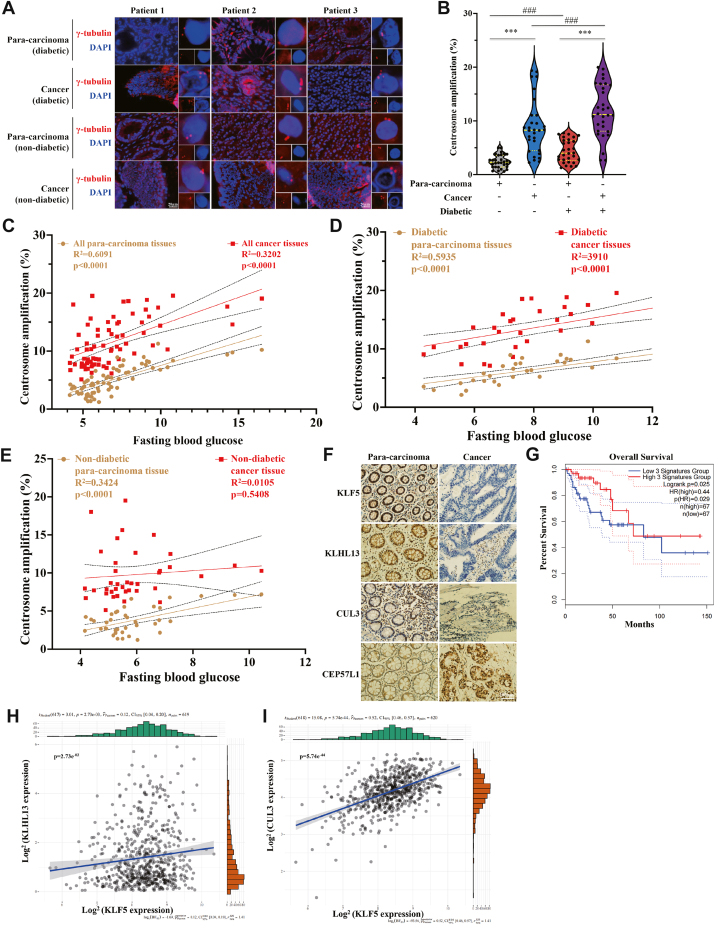 Figure 8
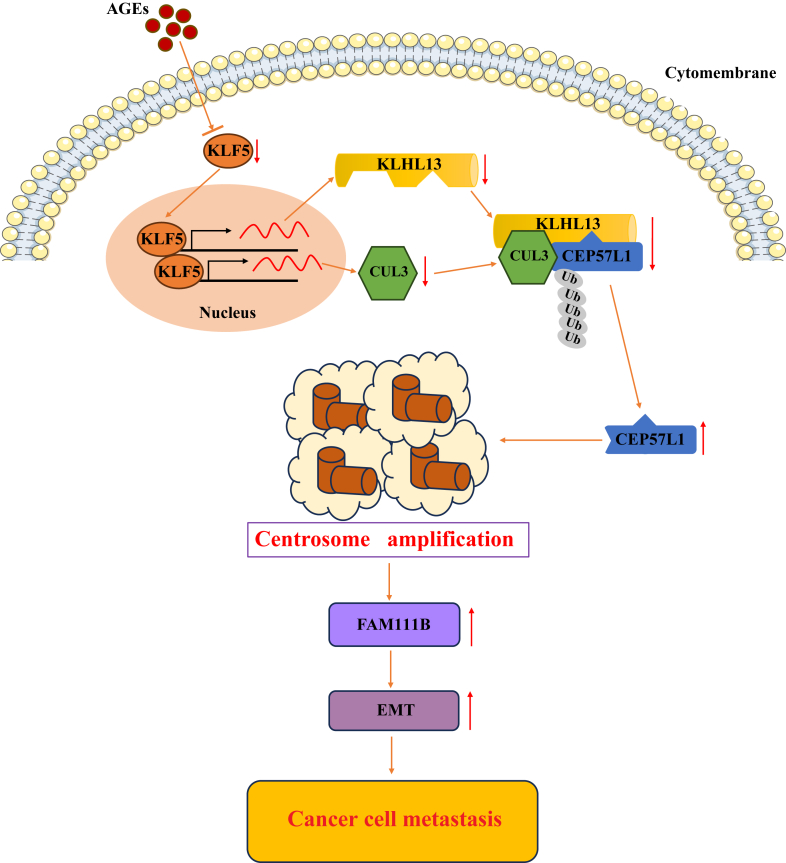 Figure 9
Peer Reviews
No public reviews on file for this paper yet. If you reviewed it on a platform where reviews are public (OpenReview, ICLR, NeurIPS, ICML), you can paste yours below so the community can read it here.
Videos
No videos yet. Explain this paper in a talk, walkthrough, or lecture? Add one.
Taxonomy
TopicsKruppel-like factors research · Genomics, phytochemicals, and oxidative stress · Fibroblast Growth Factor Research