Helicobacter pylori Exploit Short-Chain Fatty Acids-Induced CAPZA1 Overexpression to Emerge CD44v9-Positive Stemness
Hitoshi Tsugawa, Jin Imai, Eiji Sugiyama, Chanudporn Sugiyama, Takashi Ueda, Miwa Hirai, Kenichiro Todoroki, Hidekazu Suzuki

TL;DR
This study shows how Helicobacter pylori uses short-chain fatty acids to promote cancer stem cells in the stomach, offering new insights into gastric cancer development.
Contribution
The study reveals a novel mechanism by which H. pylori exploits SCFA-induced CAPZA1 overexpression to drive CD44v9-positive stemness in gastric cancer.
Findings
Propionate and butyrate induce CAPZA1 overexpression via histone deacetylase inhibition.
CAPZA1 overexpression impairs autophagic degradation of CagA, enhancing CD44v9 expression.
Early gastric cancer patients show elevated propionate and butyrate levels and SCFA-producing microbiota.
Abstract
Although Helicobacter pylori infects a large proportion of the global population, only a small subset of the infected individuals develop gastric cancer. The molecular mechanisms underlying the selective progression of gastric carcinogenesis are not fully understood. This study aimed to elucidate these mechanisms by focusing on CD44v9-positive cell generation in H pylori–infected gastric mucosa. Using H pylori infection models in human gastric adenocarcinoma cells, mice, and mouse-derived gastric organoids, we examined the effects of short-chain fatty acids (SCFAs) on the induction of CD44v9-positive cells using western blotting and immunofluorescence. SCFA concentrations and microbiota compositions were analyzed in gastric juice samples from H pylori–infected patients to evaluate their association with gastric cancer risk. Propionate and butyrate induced capping actin protein of…
Genes, proteins, chemicals, diseases, species, mutations and cell lines named across the full text — each resolved to its canonical identifier and authoritative record.
Click any figure to enlarge with its caption.
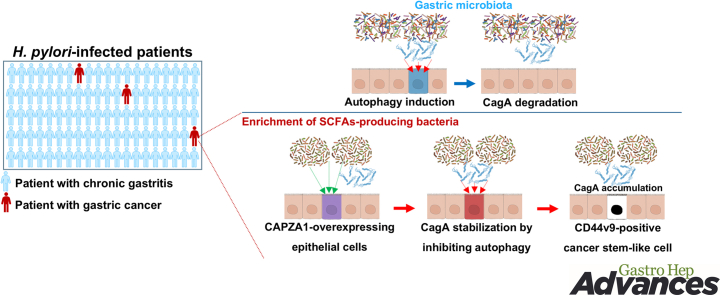 Figure 1
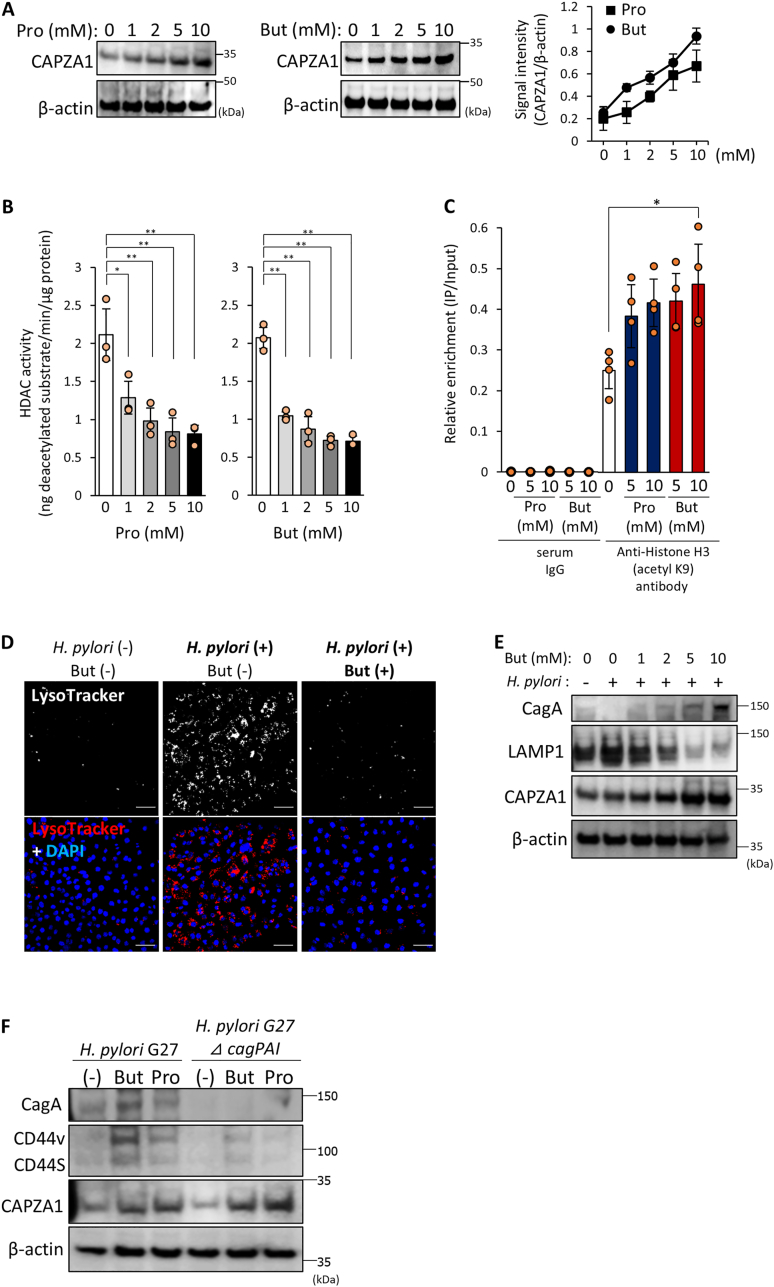 Figure 2
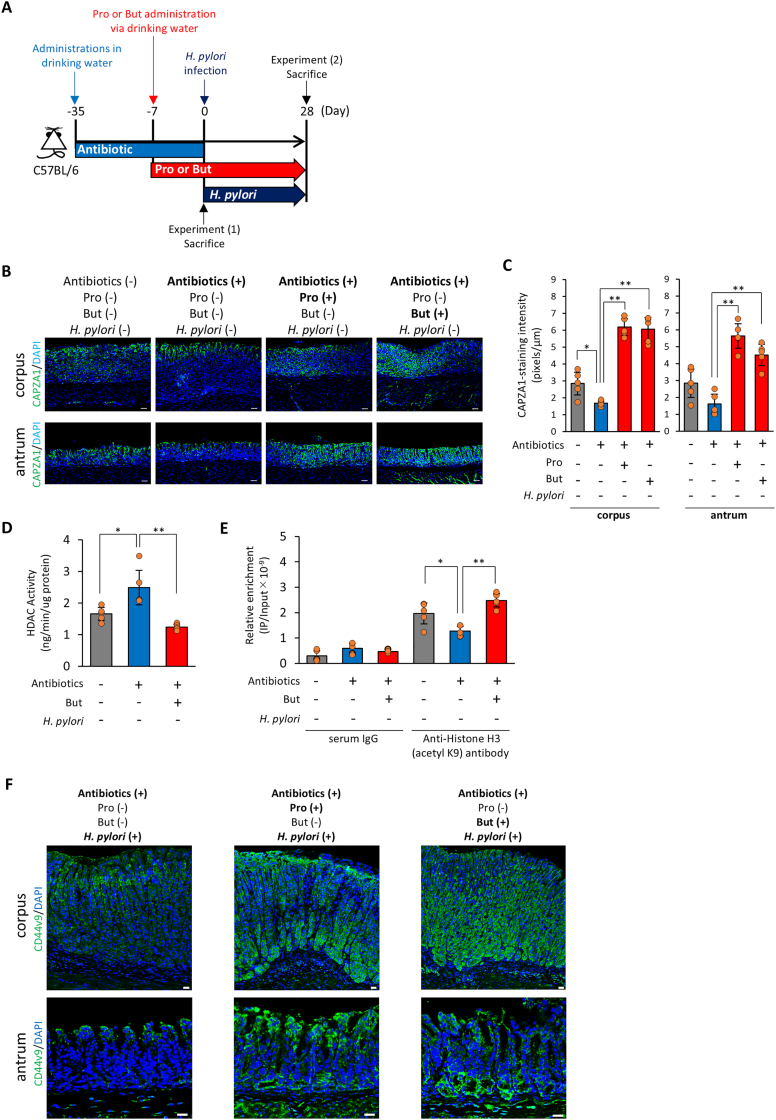 Figure 3
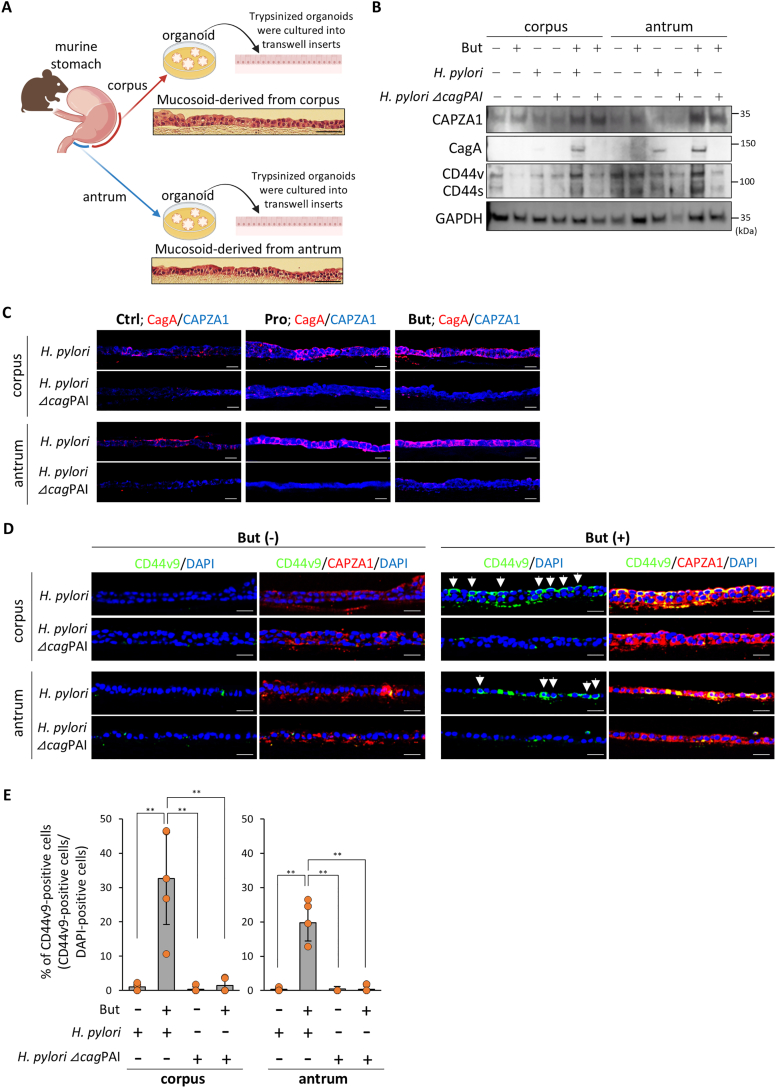 Figure 4
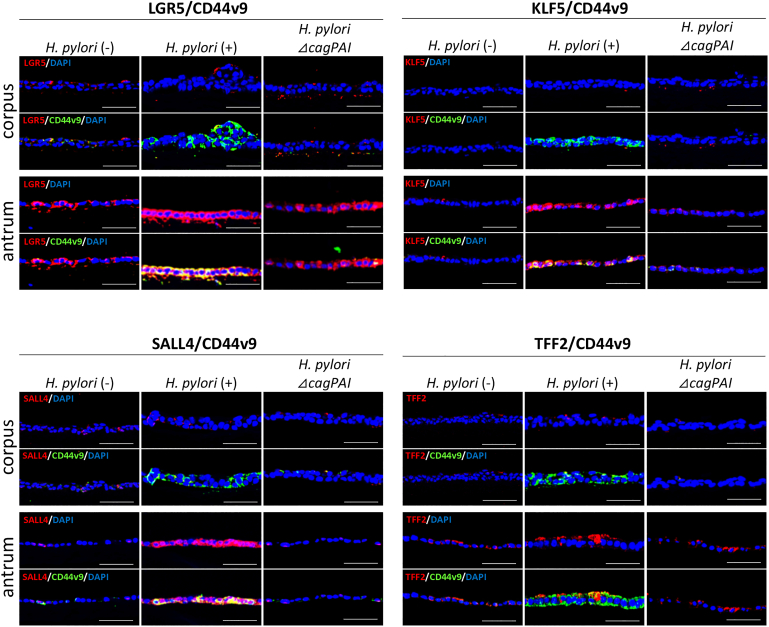 Figure 5
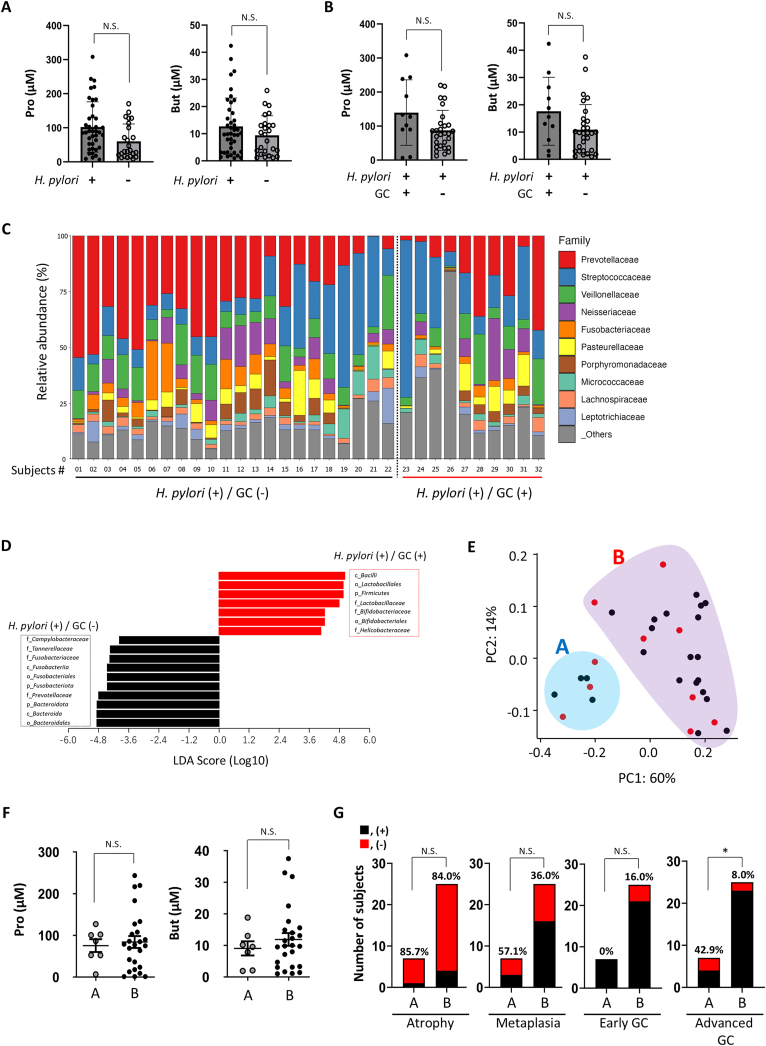 Figure 6
Peer Reviews
No public reviews on file for this paper yet. If you reviewed it on a platform where reviews are public (OpenReview, ICLR, NeurIPS, ICML), you can paste yours below so the community can read it here.
Videos
No videos yet. Explain this paper in a talk, walkthrough, or lecture? Add one.
Taxonomy
TopicsProteoglycans and glycosaminoglycans research · Helicobacter pylori-related gastroenterology studies · Cancer Cells and Metastasis